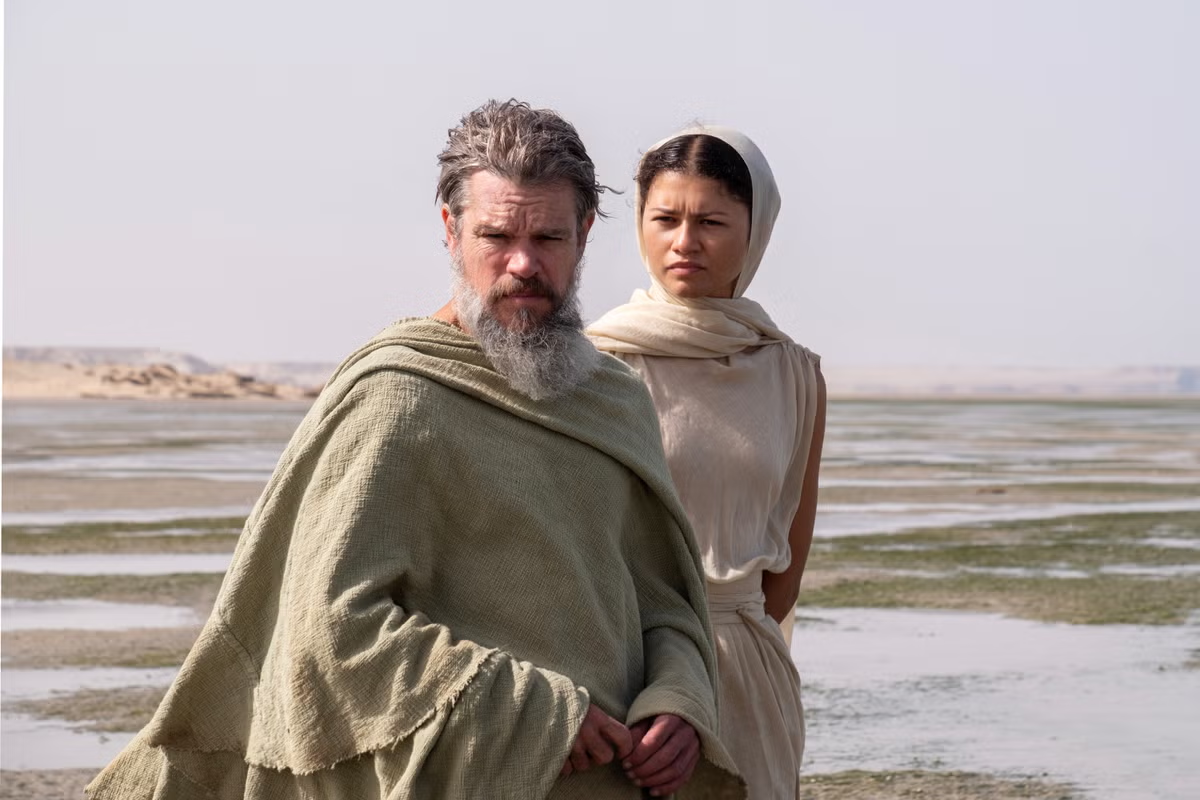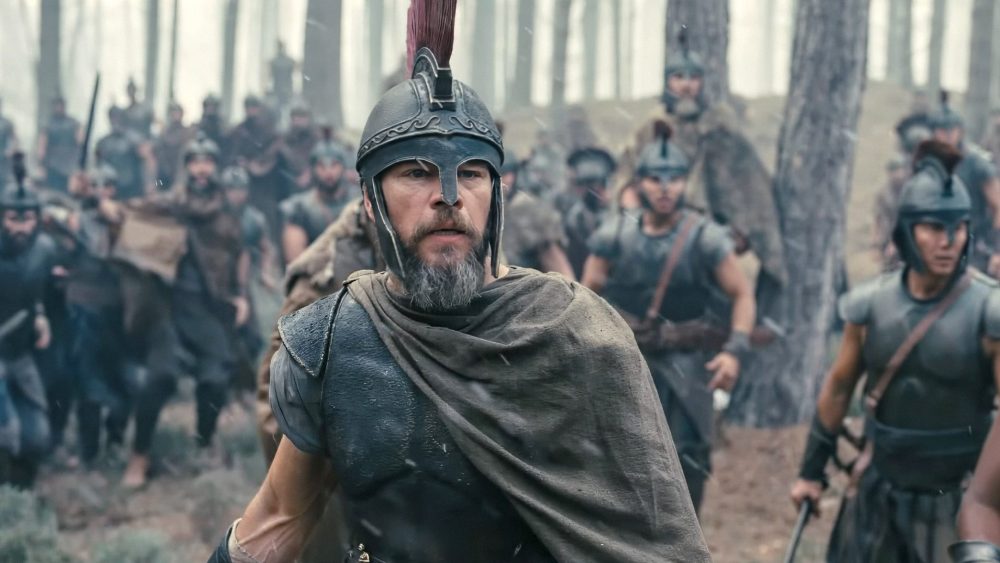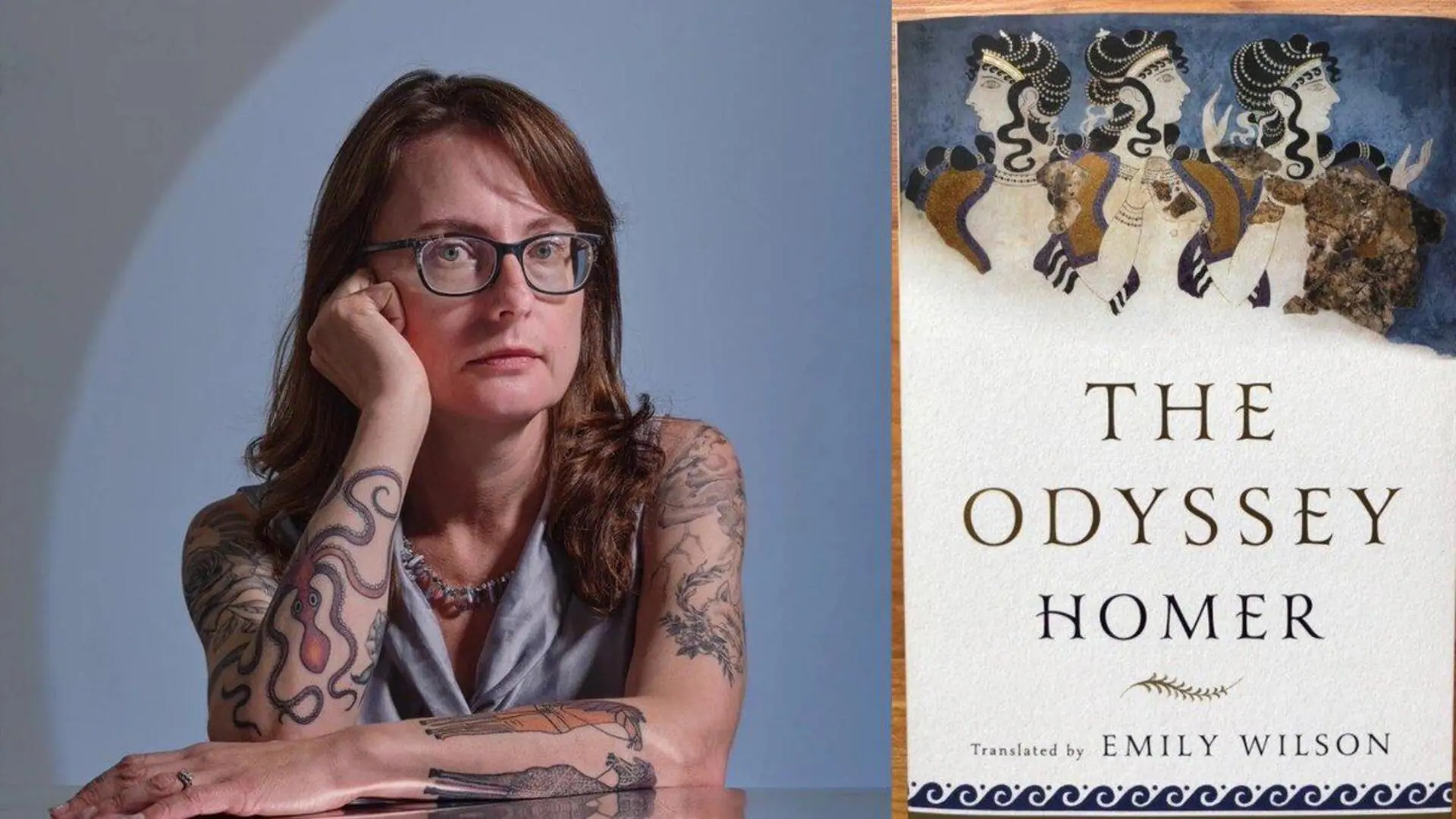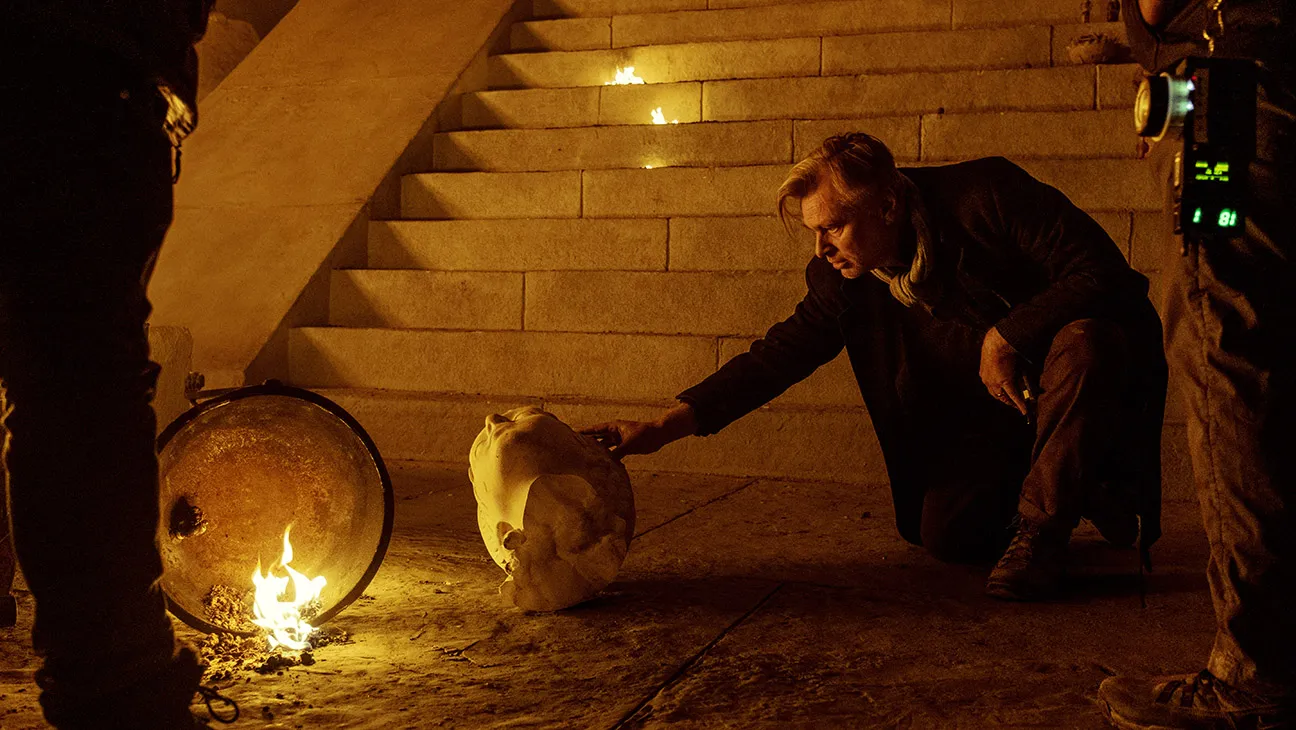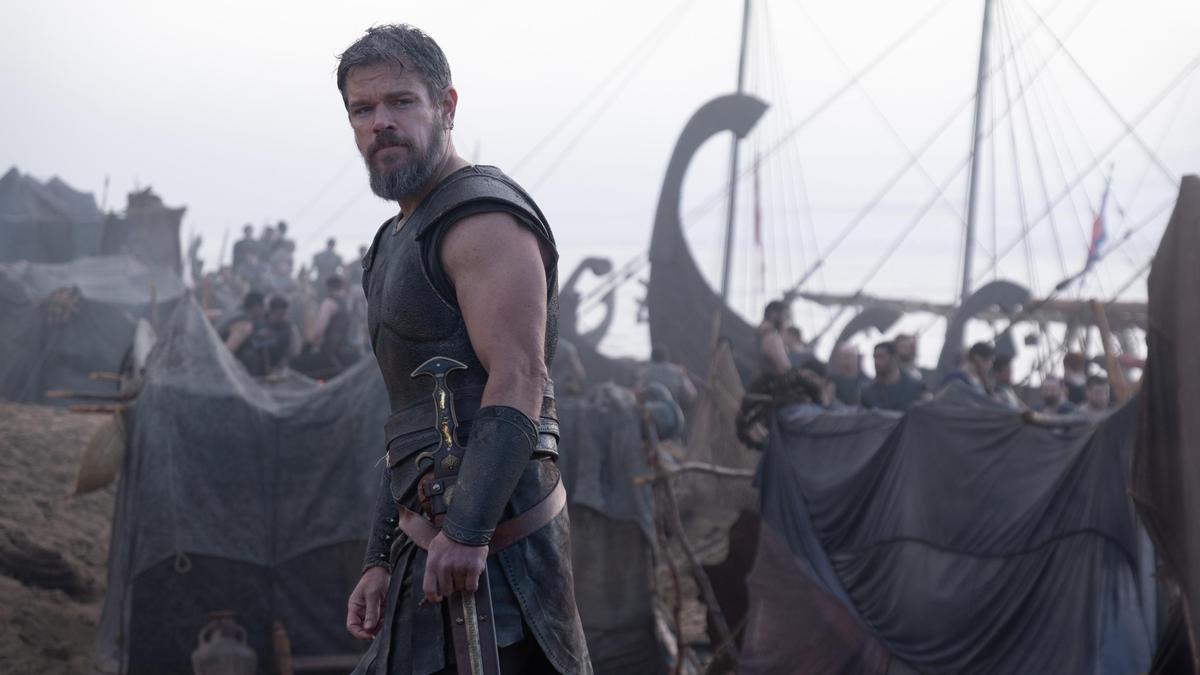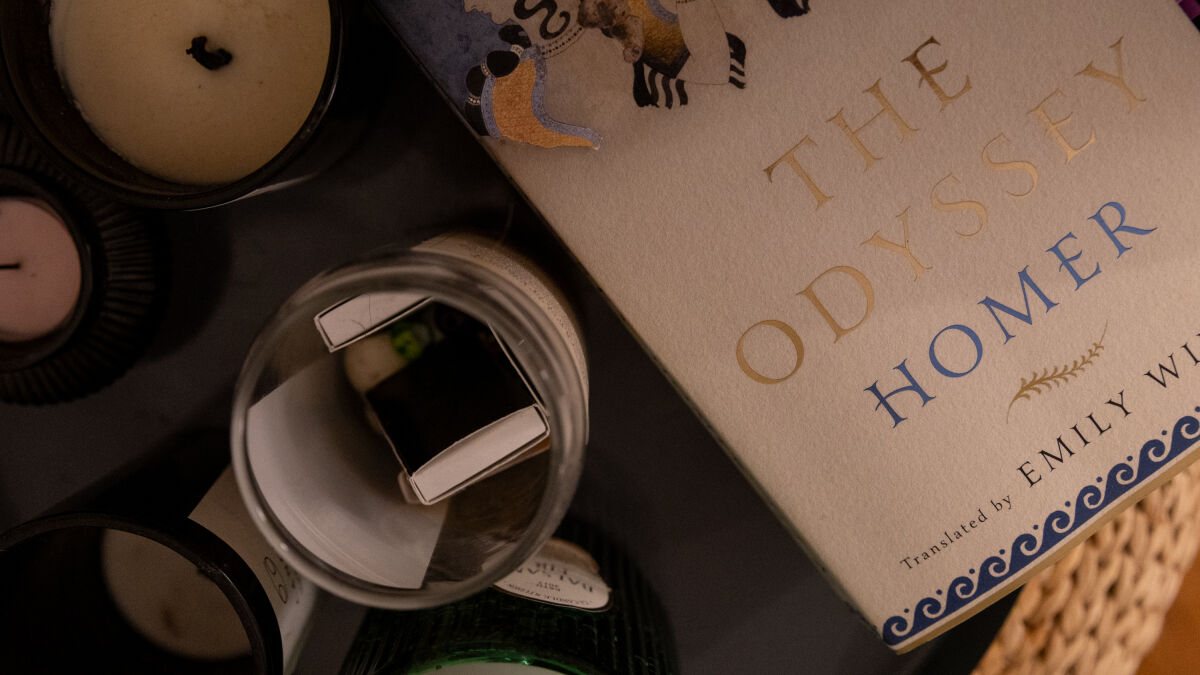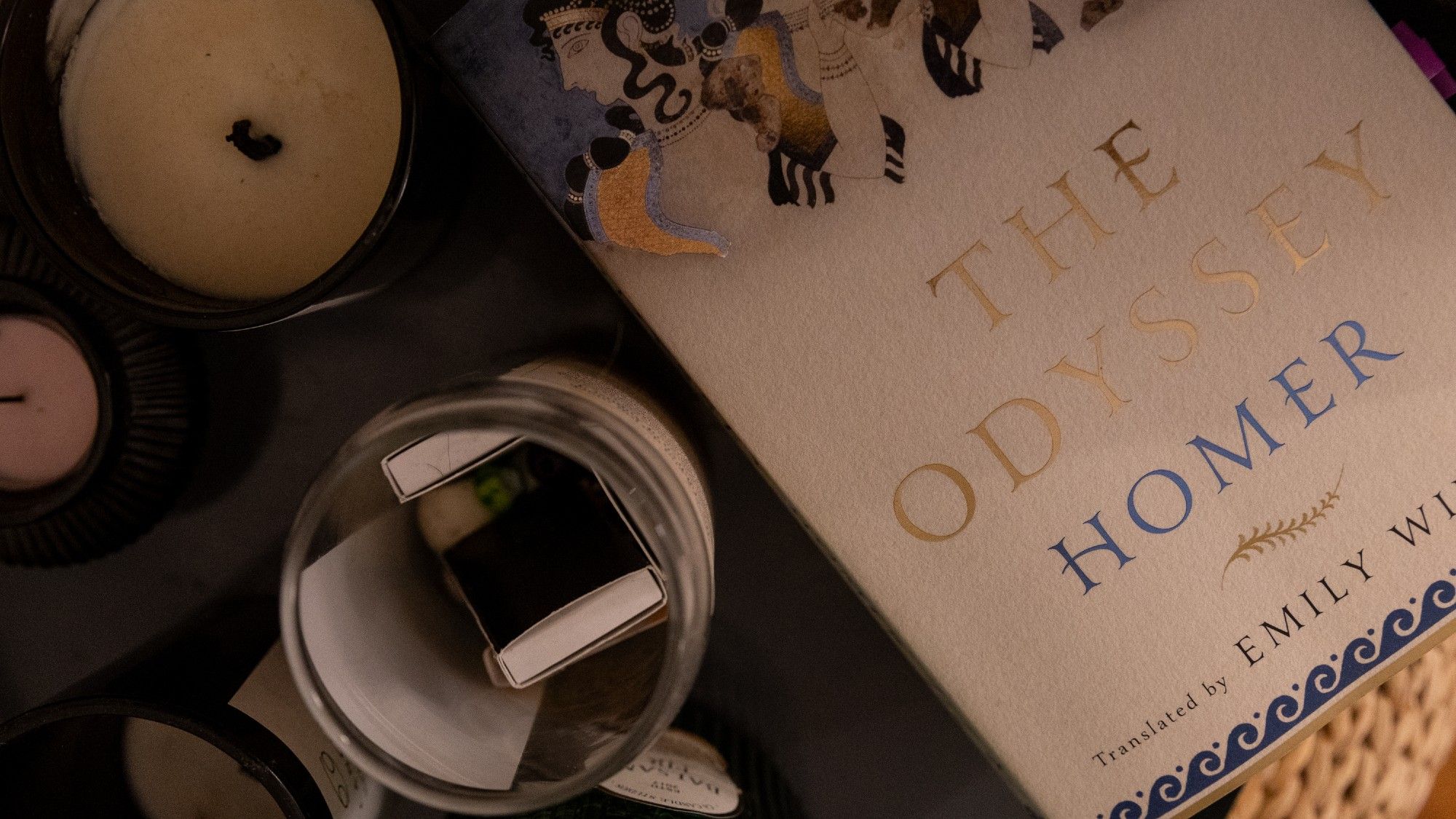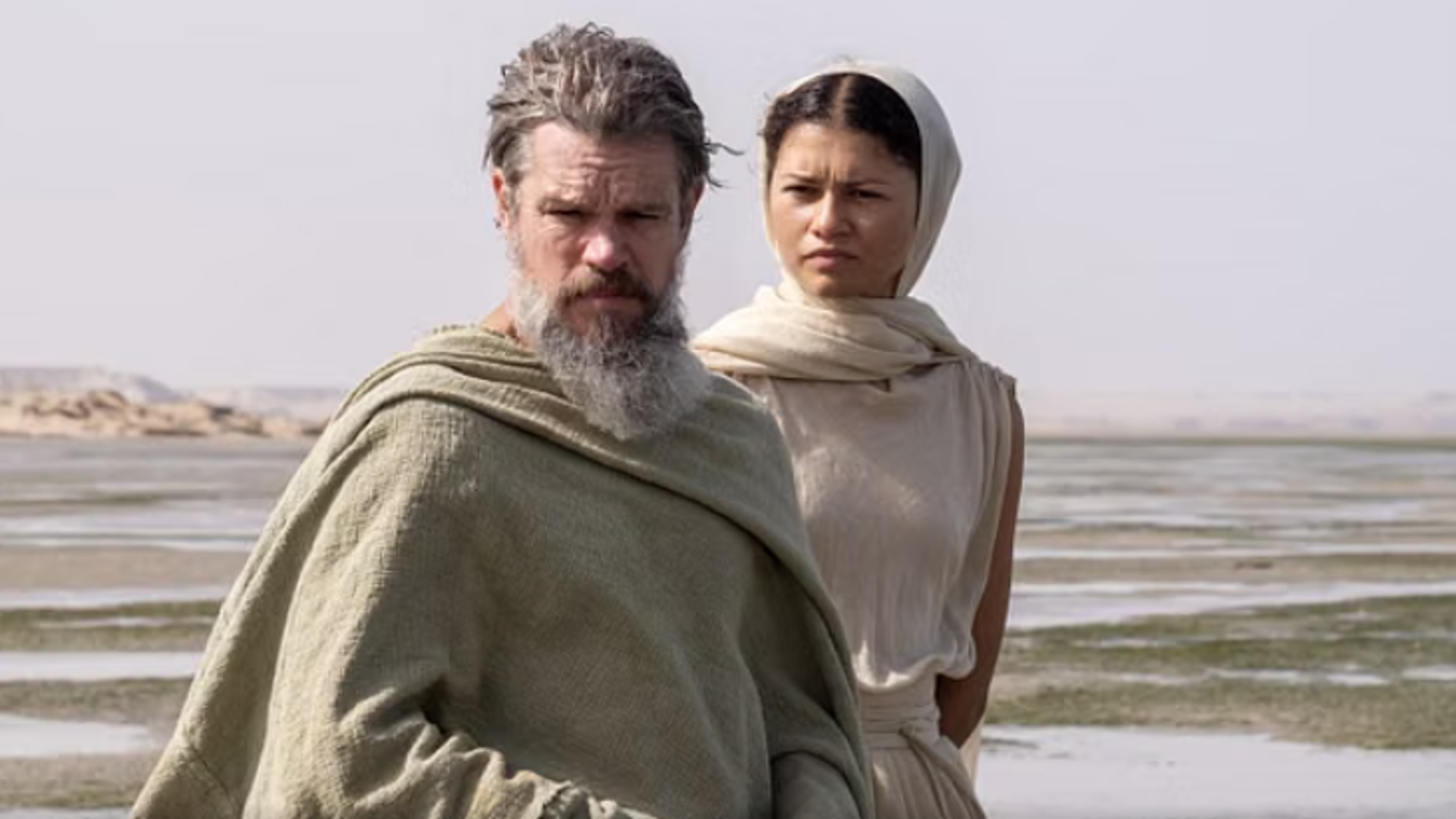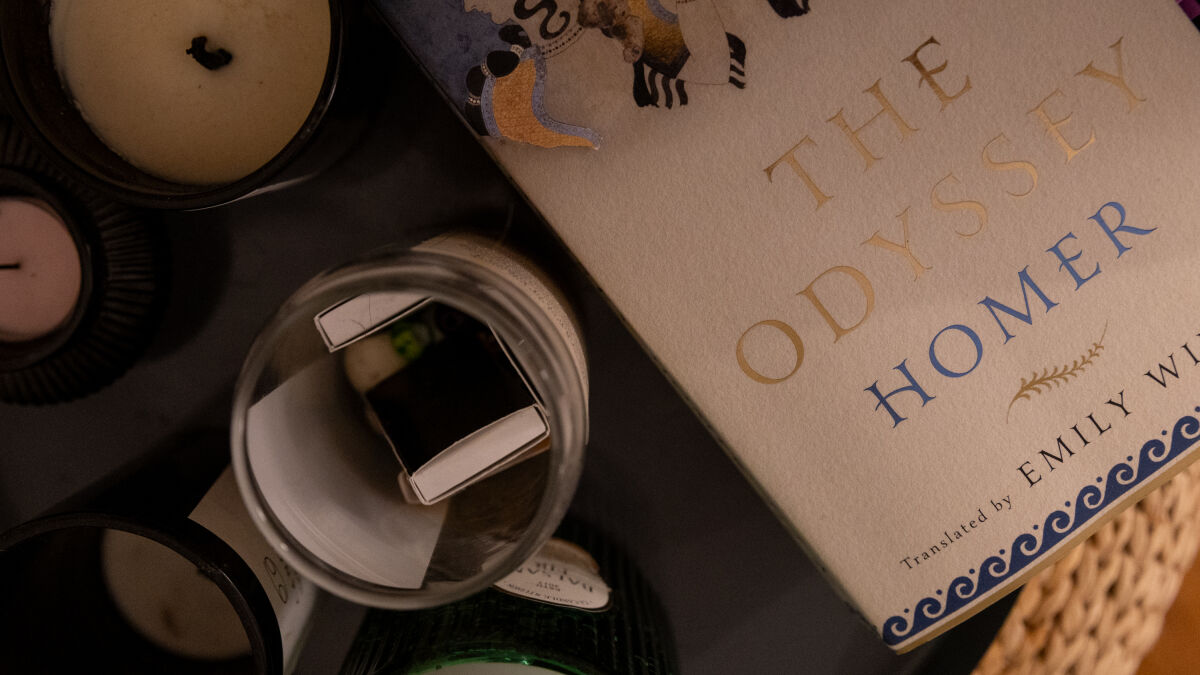
Emily Wilson, the author whose 2017 translation of “The Odyssey” was an influence for Christopher Nolan during his own adaptation process, is doubling down in her critiques of the director’s blockbuster epic. In an op-ed written for The Atlantic, Wilson called out Nolan’s “Odyssey” for being “emotionally empty.” She previously torched the movie in a review published by the London Review of Books in which she called Nolan’s screenplay “abysmal” and added: “I would be ashamed to have written any part of this script.”
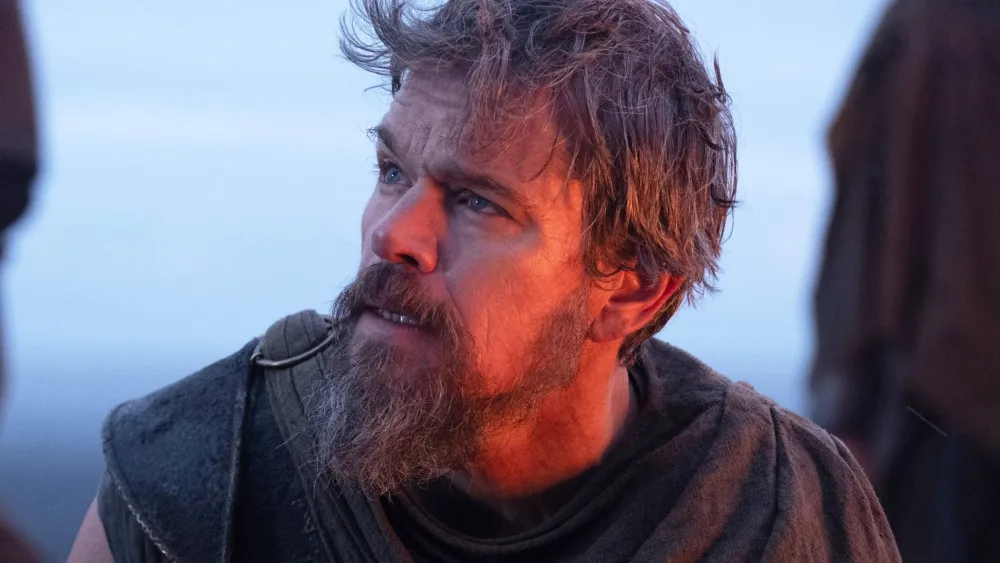
In her op-ed for the Atlantic, Wilson explains how one of her big issues with Nolan’s movie is its approach to “Zeus’ law.” The phrase is repeated numerous times by characters in the movie and is a variation of the Golden Rule: “We must host beggars and strangers kindly, to ‘do as we would be done by,’ and because they could be gods in disguise.” Nolan’s movie reckons with how Odysseus (Matt Damon) breaks Zeus’ law by coming up with the plan for the Trojan Horse and executing it in an attempt to sack the city of Troy through a deception. Although Wilson is not sold on Nolan’s interpretation here.
As Wilson explains: “The horse is presented as the ultimate violation of the law of Zeus, because it entails wielding a weapon of mass destruction disguised as a gift… The horse is presented as breaking ‘civilization’ because it represents the moment when the good guy, Odysseus, echoes the behavior of the bad guy by being a deceitful, ungrateful guest. But the film does not explain what ‘hospitality’ has to do with a narrative situation in which the Greeks have been besieging Troy for 10 years already [which Nolan’s movie does not depict]; the Trojans are not their hosts but their enemies in war. If the war is bad, it is nonsensical to suggest that the most important turning point is the use of the horse rather than Agamemnon’s choice to invade Troy in the first place and Odysseus’s choice to yield to the empire’s demands. The visually impressive spectacle of the horse on a stunning stretch of pristine beach contributes to the narrative muddle: The Greeks have supposedly been encamped there for the past decade, yet it shows no sign of human habitation.”