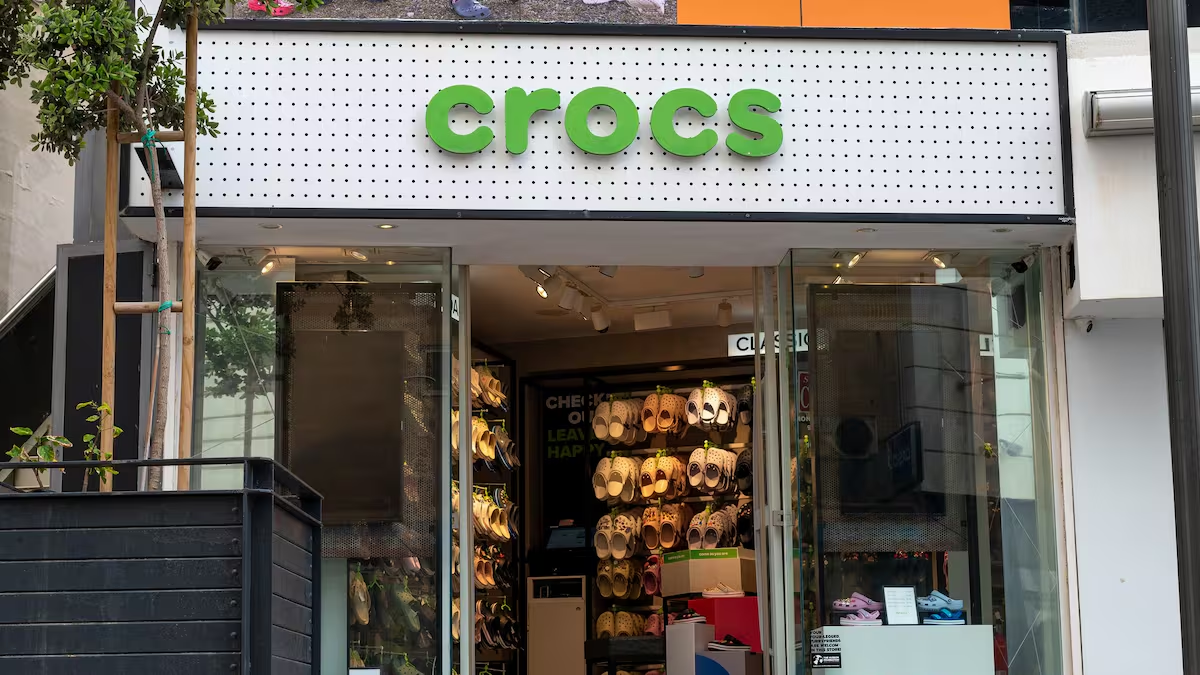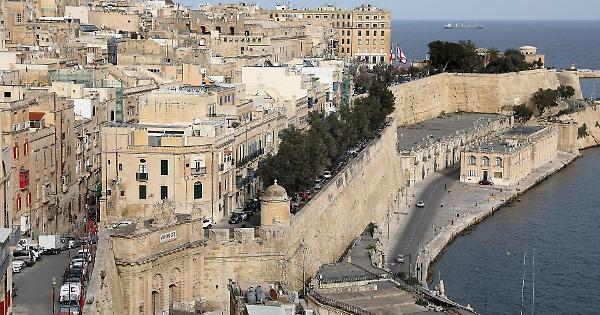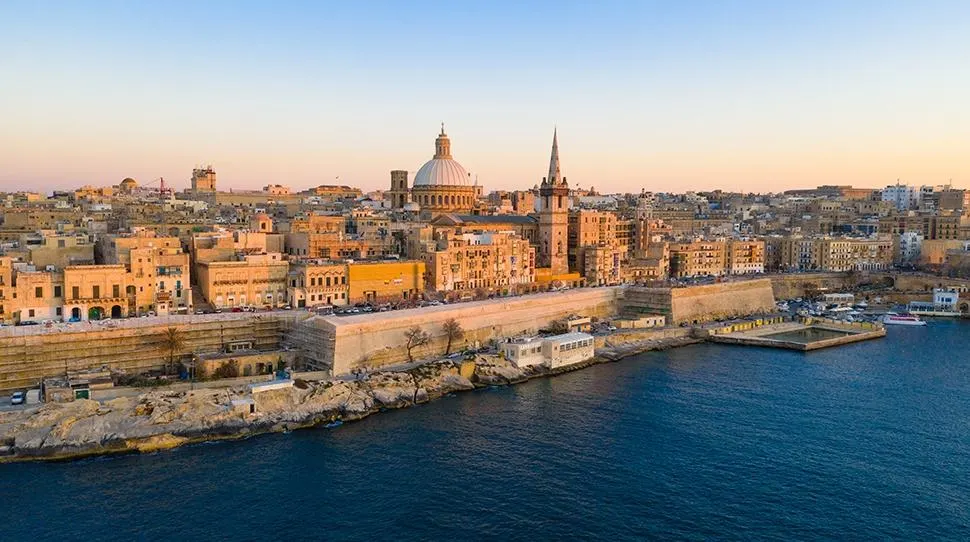
You have a preview view of this article while we are checking your access. When we have confirmed access, the full article content will load.Credit...Pete GamlenListen · 9:43 min By Jesse Drucker and Dylan FreedmanFor this article, Jesse Drucker traveled to Malta and examined Maltese and Dutch corporate records. Dylan Freedman, based in Washington, analyzed U.S. securities disclosures.Aug. 5, 2026Take the stairs to the second floor of an old brewery on the Mediterranean archipelago of Malta and buzz yourself in to a tiny office hidden behind a heavy metal door.The air smells of hops, but this place isn’t just brewing beer: It’s the headquarters for a convoluted strategy that the world’s biggest corporations use to dodge billions of dollars in U.S. income taxes.Consider Crocs. One of the world’s most profitable shoemakers sells its signature chunky clogs to 150 million customers across 100 countries annually. Yet, come tax season, the Broomfield, Colo., company has claimed that all its global profits were actually earned in this two-person office.Welcome to Malta. The tiniest country in the European Union, with roughly the population of Milwaukee, it is home to turquoise water beaches and a raging nightclub scene. It is also the world’s hot new corporate tax haven.“The faintly preposterous tax schemes of the past,” said Philip Laroma Jezzi, a tax law professor at the University of Florence, “have given way to something far simpler: Malta.”The accounting firms KPMG, PwC, Deloitte and EY are aggressively marketing the strategies that Crocs and other companies are using to push profits to Maltese units with ghost offices and no employees. A KPMG presentation reviewed by The New York Times laid out a byzantine arrangement for prospective clients to slash their tax bills by arbitraging U.S. and Maltese rules.Thank you for your patience while we verify access.Already a subscriber? Log in.Want all of The Times? Subscribe.AdvertisementSKIP ADVERTISEMENT
How Malta Became a Tax Haven for Crocs and Other U.S. Companies
The Mediterranean archipelago is a hot destination for U.S. companies seeking to shield profits from income taxes.
308 words~1 min read