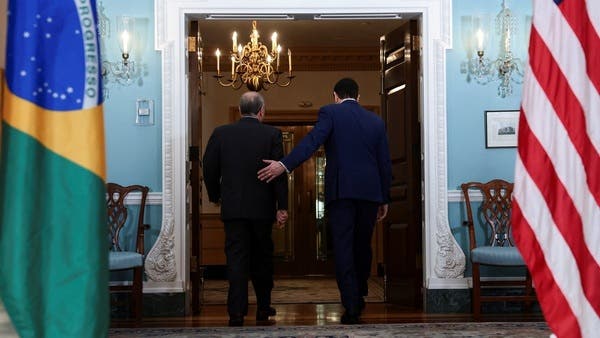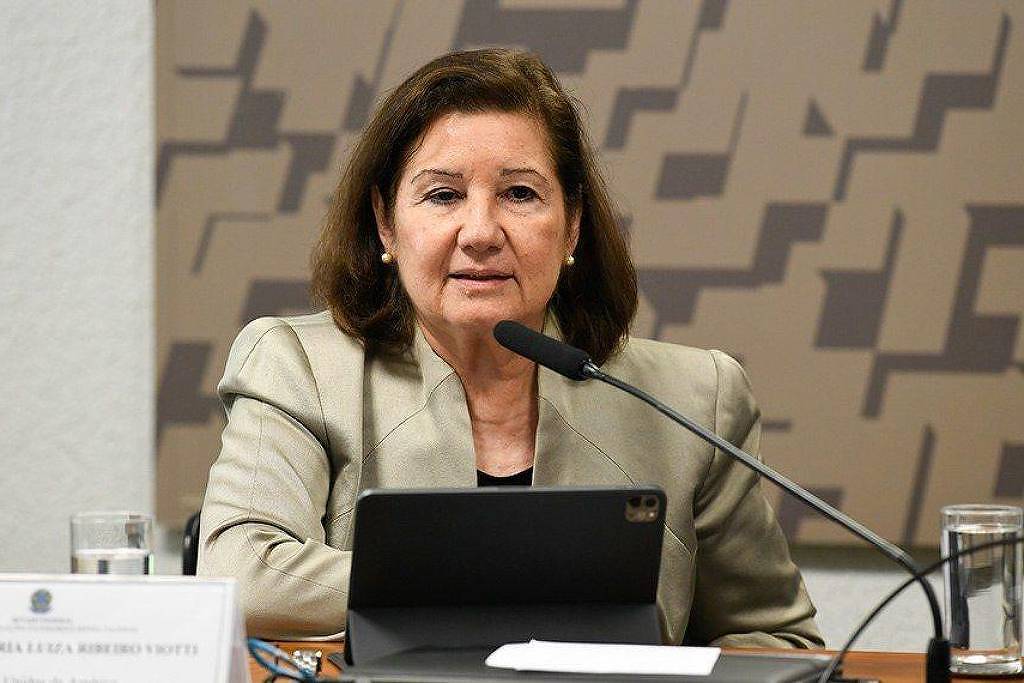
American and Brazilian diplomats describe the Donald Trump administration's decision to revoke the visa of Brazil's ambassador to Washington, Maria Luiza Viotti, as extremely serious, disproportionate and unprecedented. According to them, the move breaks with established diplomatic practice: the United States usually takes two to three months to grant agrément to foreign ambassadors, and delays in the process do not normally lead to direct retaliation.
The official justification for the visa revocation was Brazil's delay in granting agrément to Daniel Perez, President Trump's nominee for ambassador to Brasília. A senior U.S. official said that "this particular episode (the visa revocation) is focused on the fact that we have a highly qualified ambassadorial nominee; the Brazilian government owes us a prompt and positive response to our agrément request."
The article recalls two previous cases in which delays in granting agrément did not result in retaliation: Dani Dayan, nominated by Israel in 2015 and informally rejected by Dilma Rousseff's government, and Marcelo Crivella, whose nomination as Brazil's ambassador to South Africa was ignored by Pretoria in 2021. In both cases, the serving ambassadors remained in office without facing any penalties.