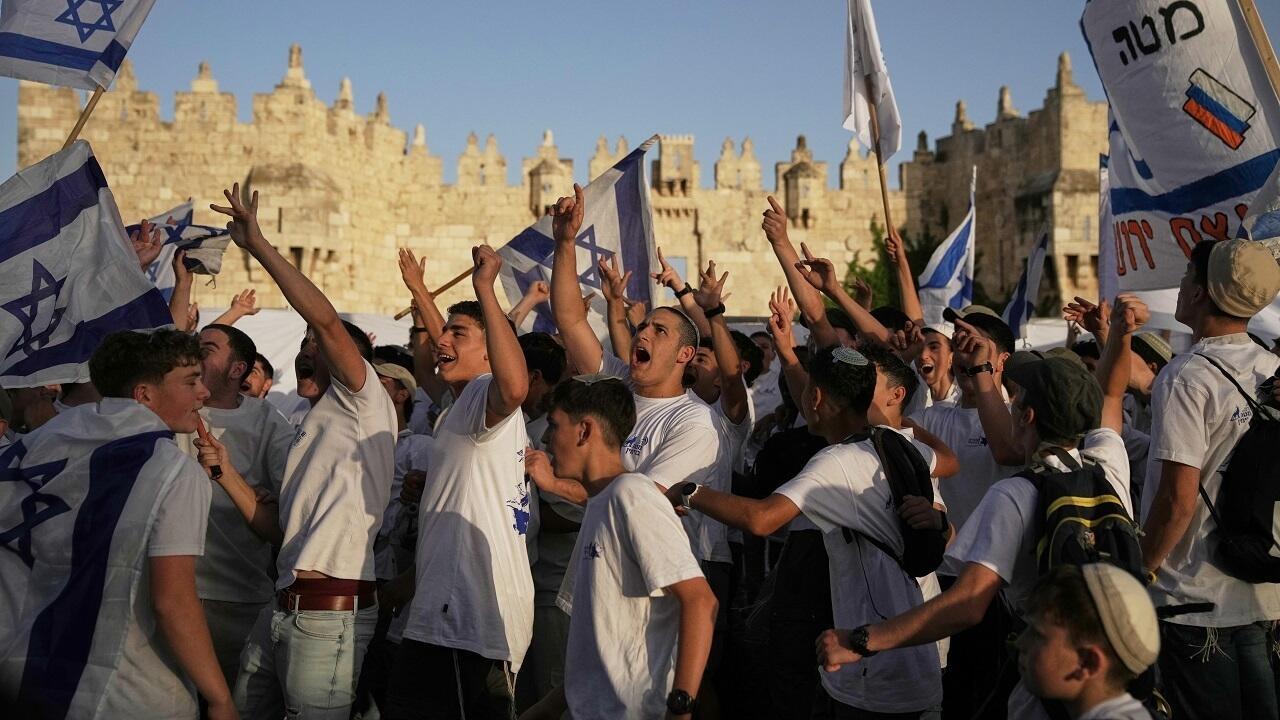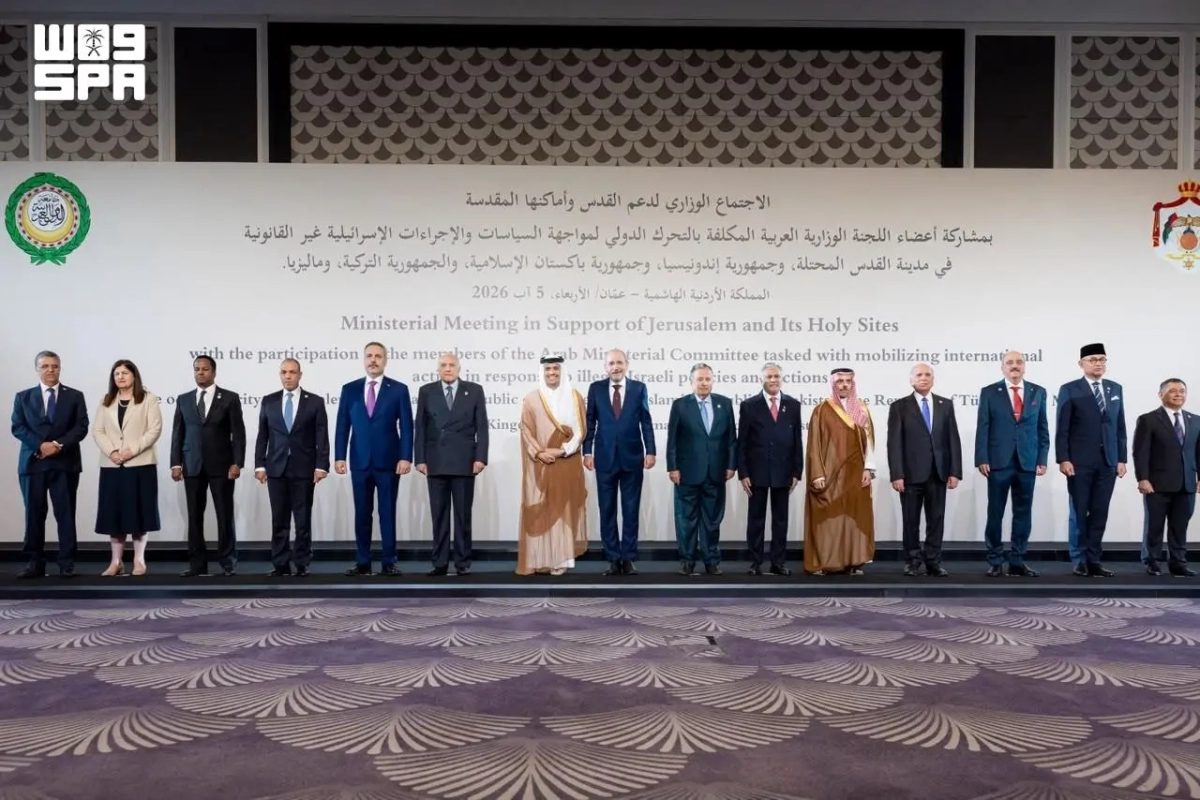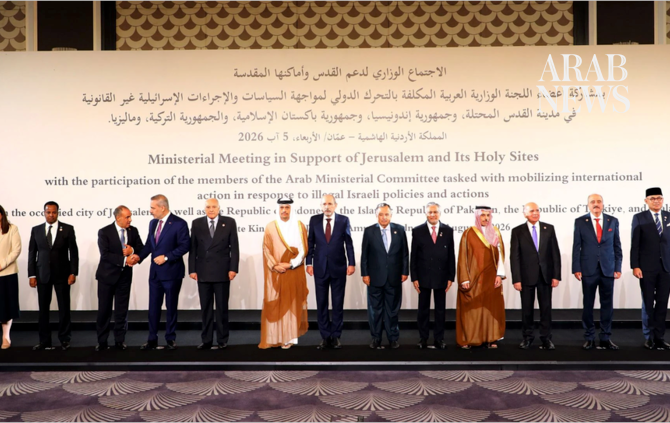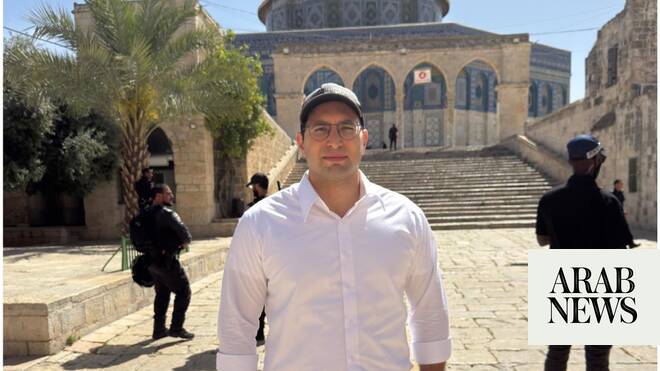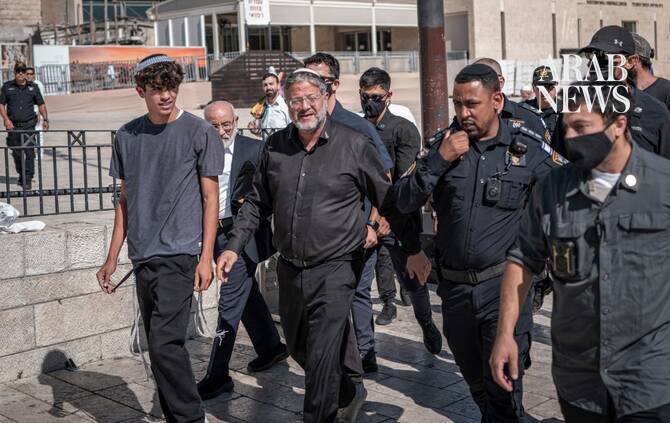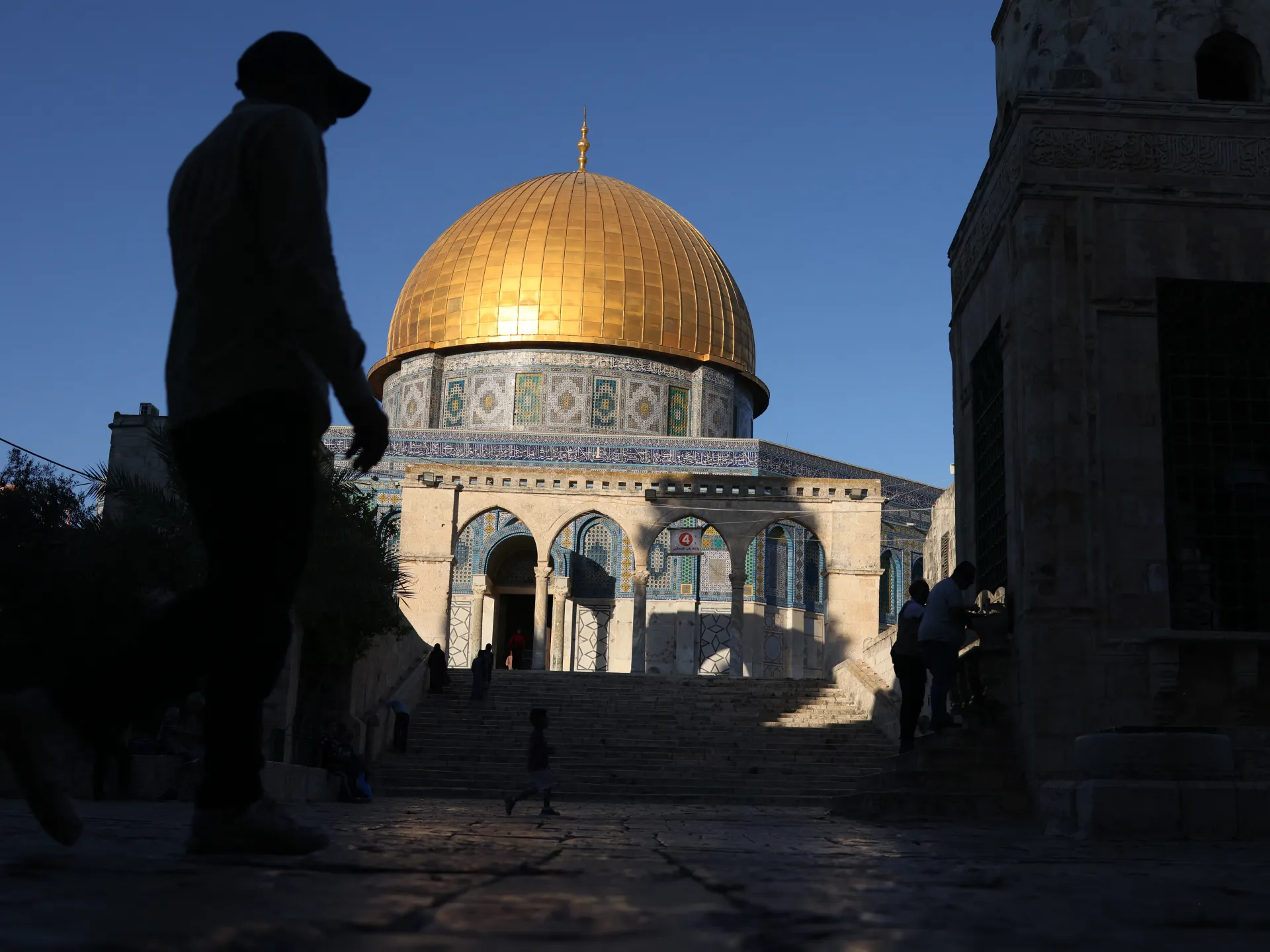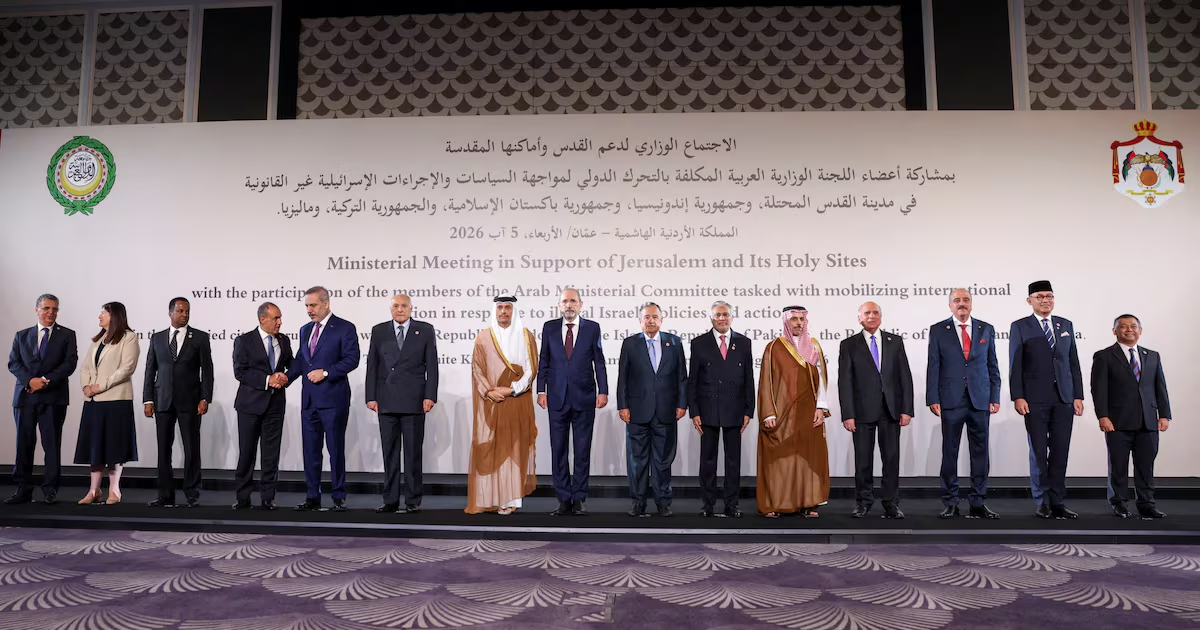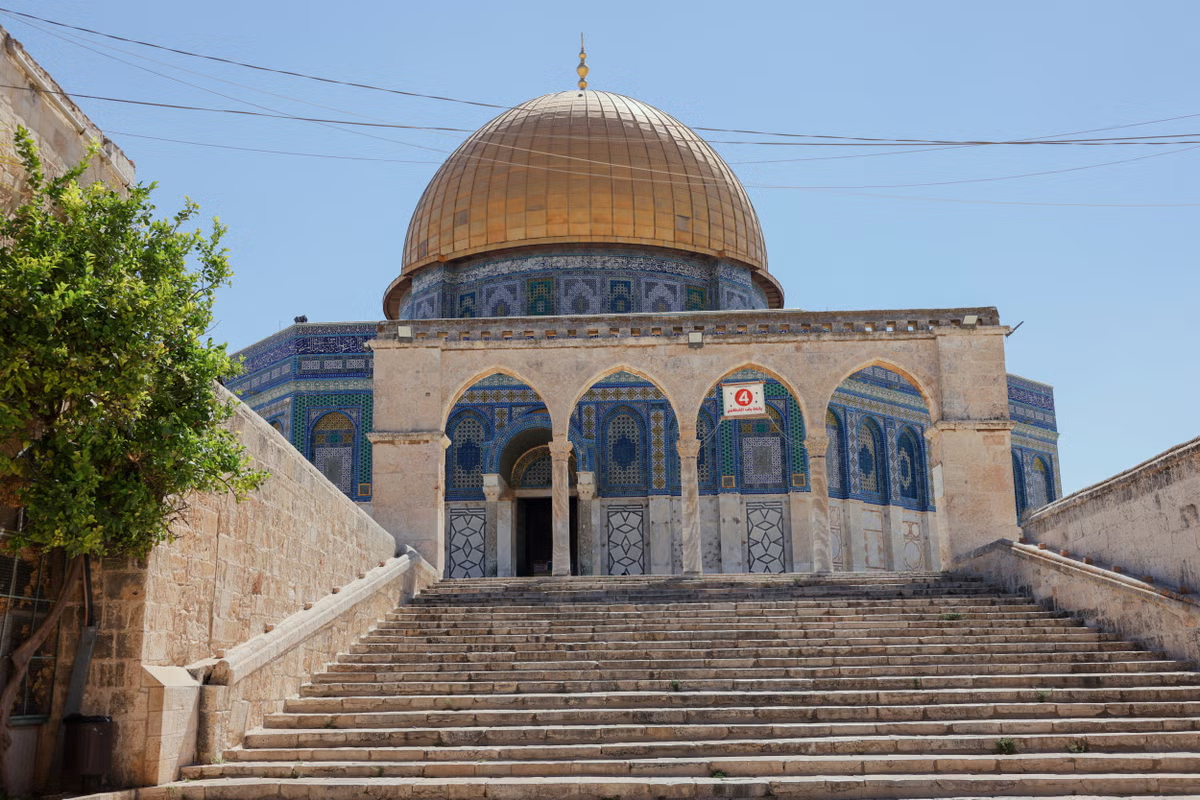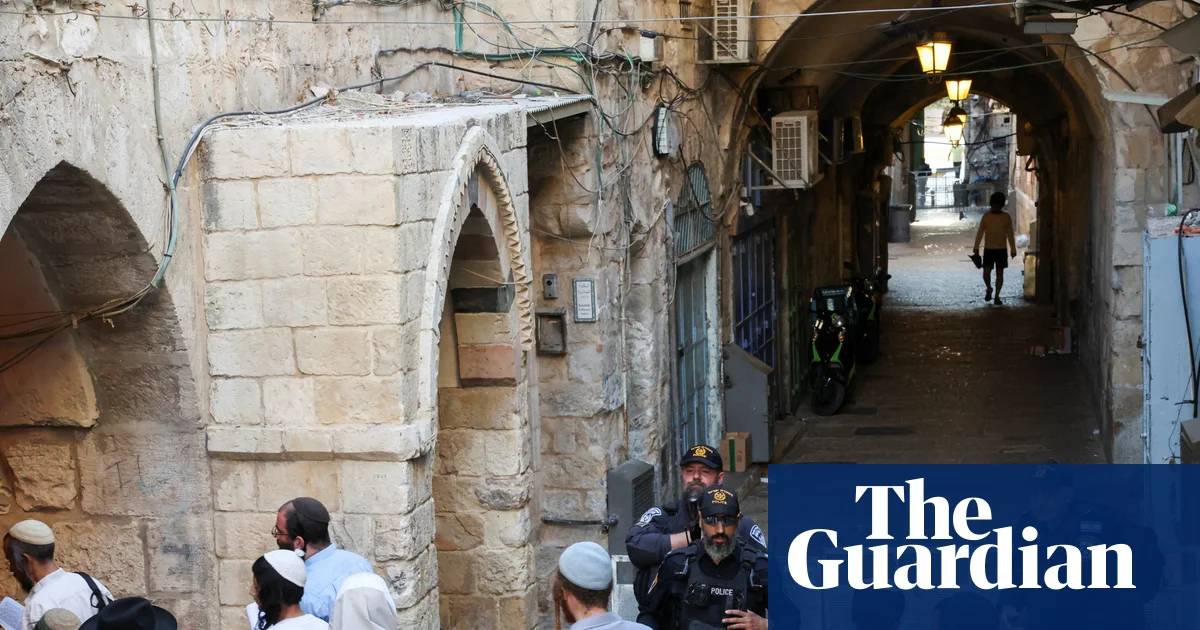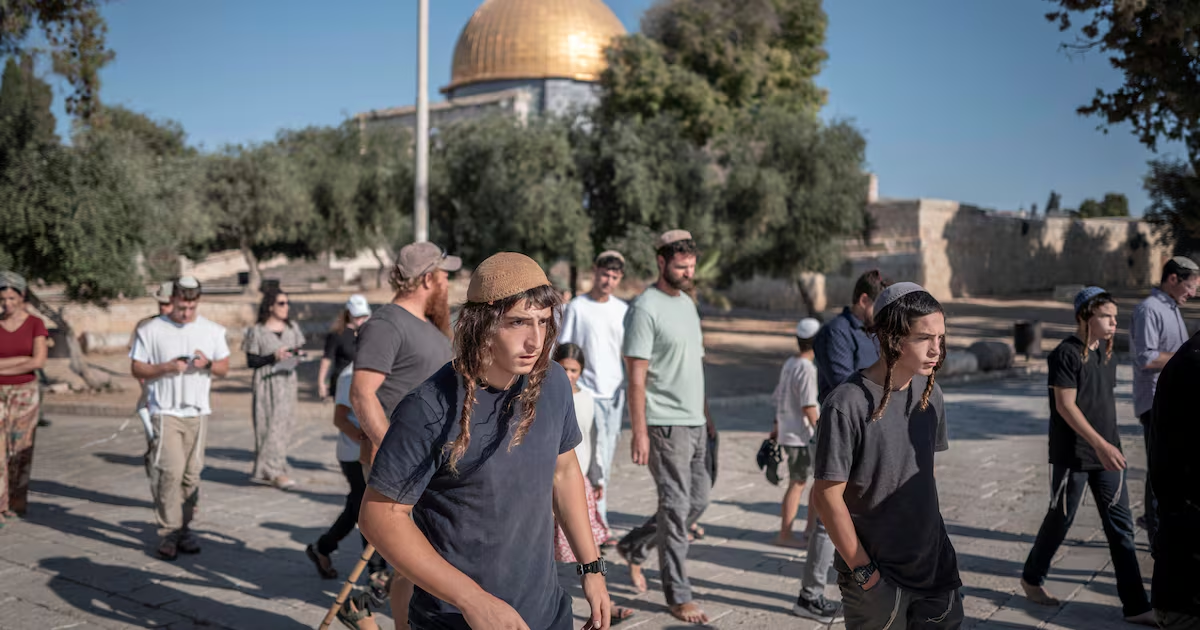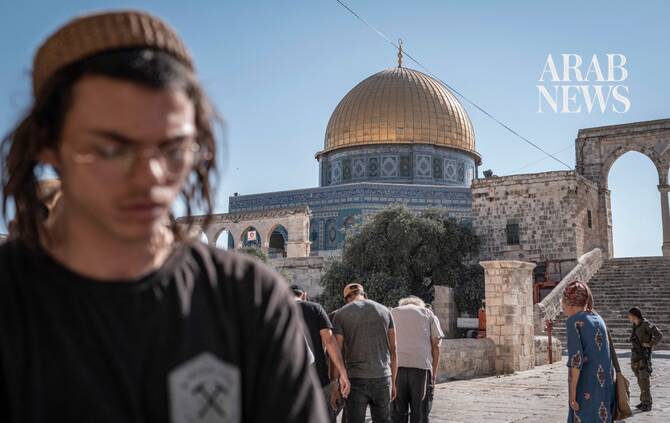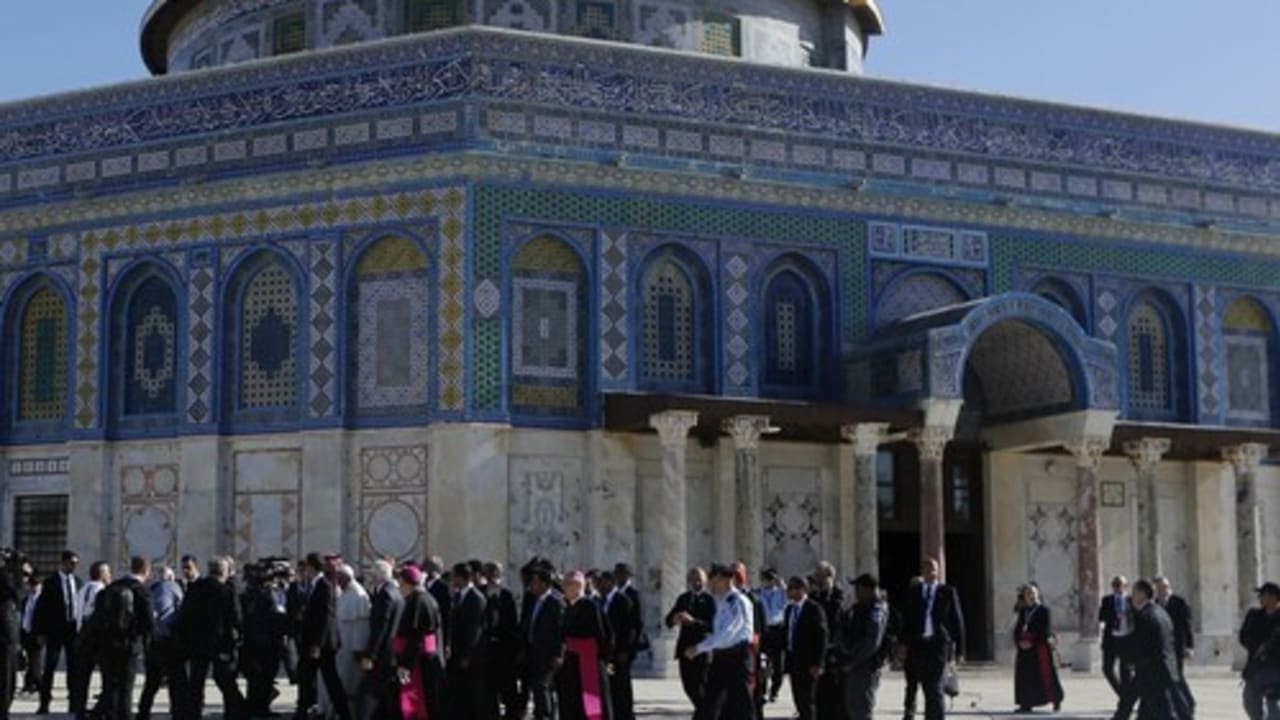
ByDANIELLE GREYMAN-KENNARDAUGUST 5, 2026 18:11Updated: AUGUST 5, 2026 18:18Arab and Muslim officials meeting in Amman on Wednesday condemned what they described as Israeli "escalation" in "the occupied city of Jerusalem," including what they called the "inflammatory" statements and actions of extremist settlers and Israeli government ministers at the Al-Aqsa Mosque and Christian holy sites, Jordan's Foreign Ministry said.Foreign ministers and representatives from Jordan, Tunisia, Algeria, Iraq, Qatar, Saudi Arabia, Somalia, the Palestinian Authority, Indonesia, Turkey, Pakistan, Malaysia, Egypt and Morocco, together with the secretary-general of the League of Arab States, agreed to condemn recent Israeli policies and measures that they claimed were intended to alter the "Arab, Islamic and Christian identity" of Jerusalem.The participants alleged that Israeli violations at the Al-Aqsa Mosque compound, which sits atop the Temple Mount, Judaism's holiest site, included attempts to "alter its historic and legal status quo and impose temporal and spatial division."They also accused Israel of facilitating what they described as escalating incursions by extremist settlers, Israeli ministers and officials, restricting worshippers' access to the mosque, assaulting worshippers, obstructing the work of the Jerusalem Awqaf and Al-Aqsa Mosque Affairs Department, and conducting illegal excavations beneath the mosque and in its vicinity.Temple Mount tensions remain in focusThousands of Jews, including National Security Minister Itamar Ben-Gvir, ascended the Temple Mount in recent weeks to mark Tisha B'Av, the annual fast commemorating the destruction of the First and Second Temples.The last Friday prayers of the Islamic holy month of Ramadan, at al-Aqsa mosque compound in Jerusalem's Old City, March 28, 2025 (credit: JAMAL AWAD/FLASH90)Under the longstanding status quo, Jews and Christians are permitted to visit the site but are generally prohibited from praying there, while Muslims are permitted to worship. Israeli police detained dozens of Jewish visitors on Tisha B'Av after they allegedly violated restrictions on prayer by reciting the Shema.In January, Israel Police began relaxing some restrictions on Jewish prayer at the site, according to the Jewish Telegraphic Agency. Jewish visitors may now enter with a single printed prayer page prepared in advance, although prayer books remain prohibited.“This is a constant threat, a dangerous threat that we’re trying to counter in every tool that we have possible,” Jordan’s foreign minister, Ayman Safadi, told the British newspaper The Guardian. “We warn that tampering with the status quo … could trigger a religious conflict that will reverberate beyond Palestine and Jordan into the whole Muslim world.”The representatives also reaffirmed their position that East Jerusalem is part of Palestinian territory and should serve as the capital of a future Palestinian state, arguing that this is necessary for a two-state solution, which they described as "the only path to achieving a just, lasting and comprehensive peace.""Israeli attacks against Islamic holy sites in occupied Jerusalem constitute a blatant provocation to the sentiments of around two billion Muslims worldwide, and push towards a religious conflict with repercussions that will extend beyond the region and threaten regional and international peace and security," they warned.Christian holy sites also raisedThe Muslim leaders also condemned what they described as "Israeli violations" targeting Christian holy sites and "threatening the historic Christian presence in Jerusalem," citing restrictions on access to the Church of the Holy Sepulchre imposed in March as part of wartime security measures across the country.The restrictions were implemented amid heightened security concerns following Iranian missile attacks, including when a fragment from an intercepted Iranian ballistic missile fell on the church, damaging the roof of the holy site.The statement also accused Israeli authorities of interfering in church affairs, imposing restrictions on Christian institutions and properties, and allowing attacks against worshippers and Christian symbols, although it did not provide specific examples.Recent months have seen a number of high-profile cases involving individuals throwing rocks and spitting at Christian worshippers. Last week, Israel Police arrested one adult and five minors for banging on and spitting at the entrance to the St. James Monastery and throwing rocks at the compound.The ministers reaffirmed their support for the continued Hashemite Custodianship over Jerusalem's Islamic and Christian holy sites, describing it as essential to safeguarding their religious and historical identity. They also called on the international community to act to halt what they described as Israel's "illegitimate" actions.Follow us on Google
Arab ministers condemn Israeli actions in Jerusalem | The Jerusalem Post
Arab and Muslim officials meeting in Amman condemned what they described as Israeli escalation in Jerusalem, according to Jordan's Foreign Ministry.
698 words~3 min read