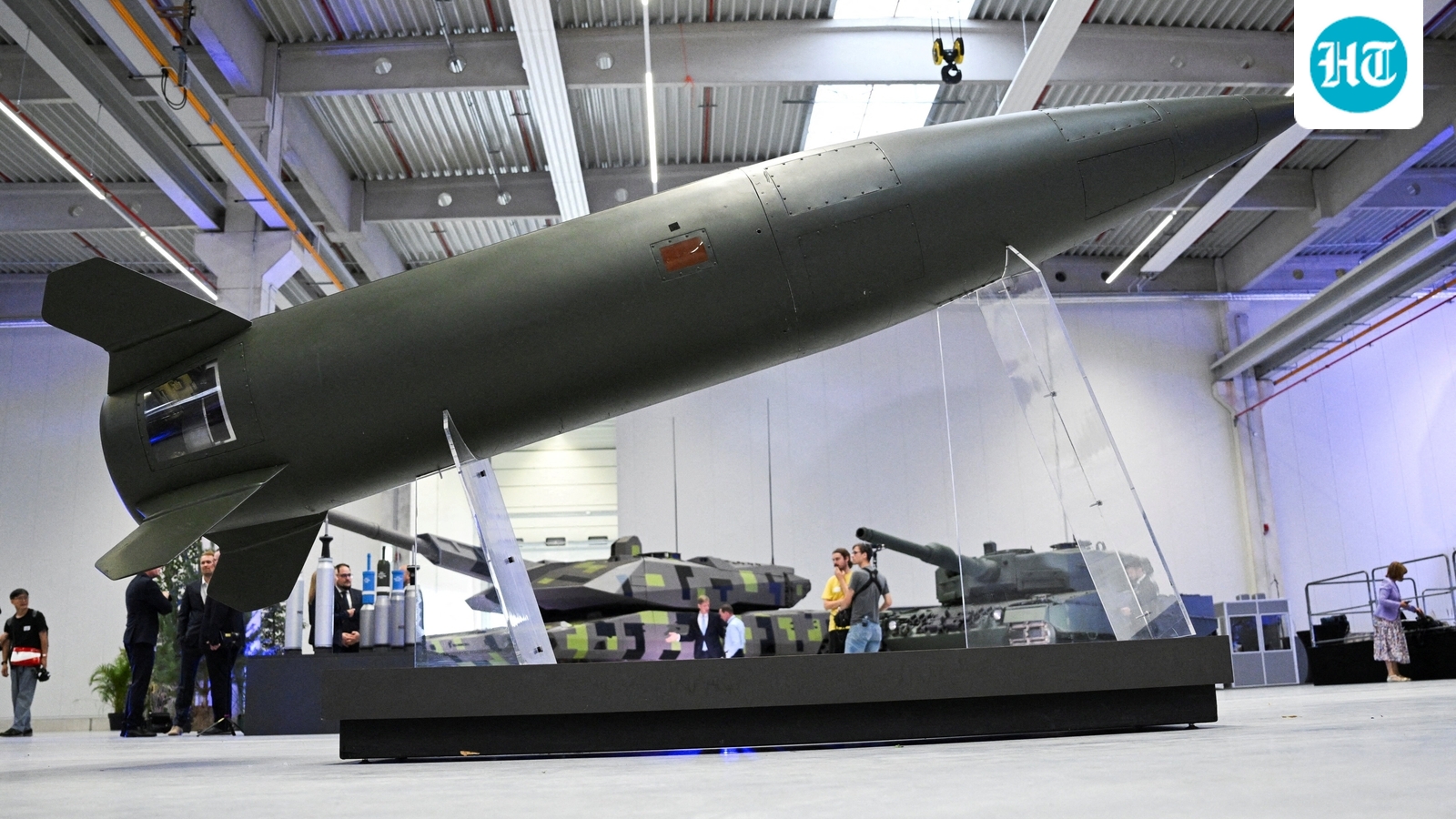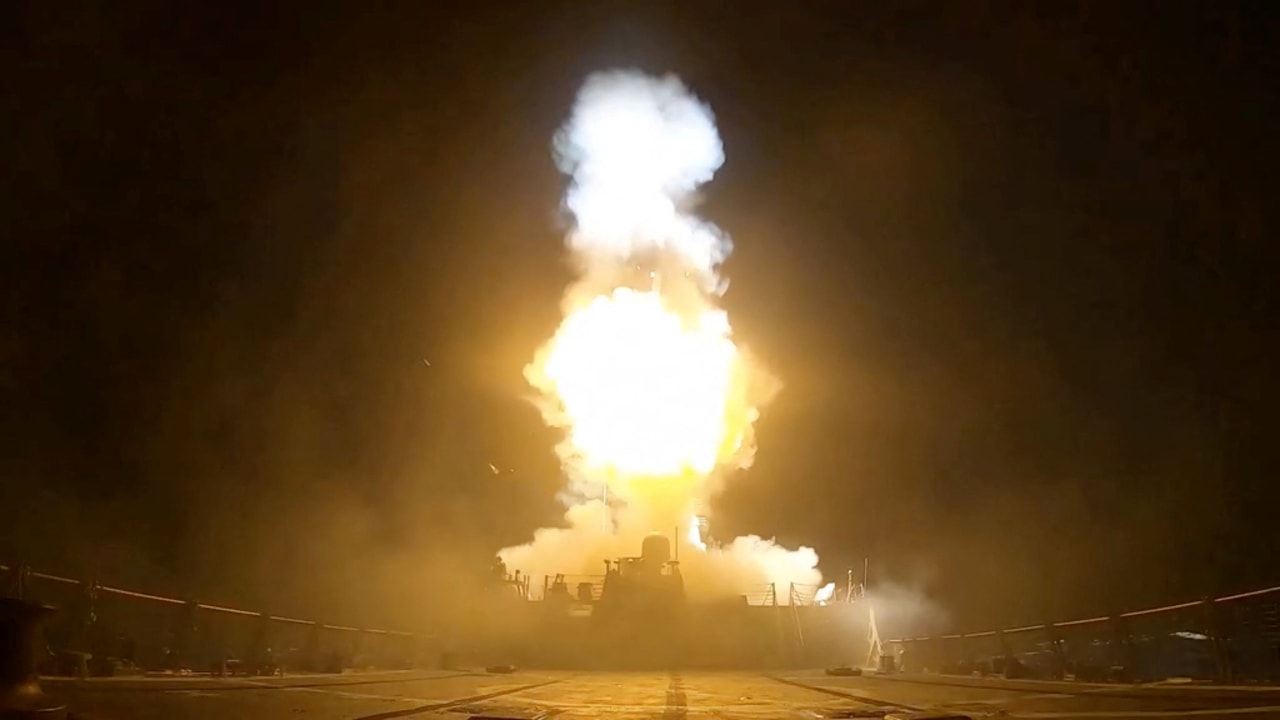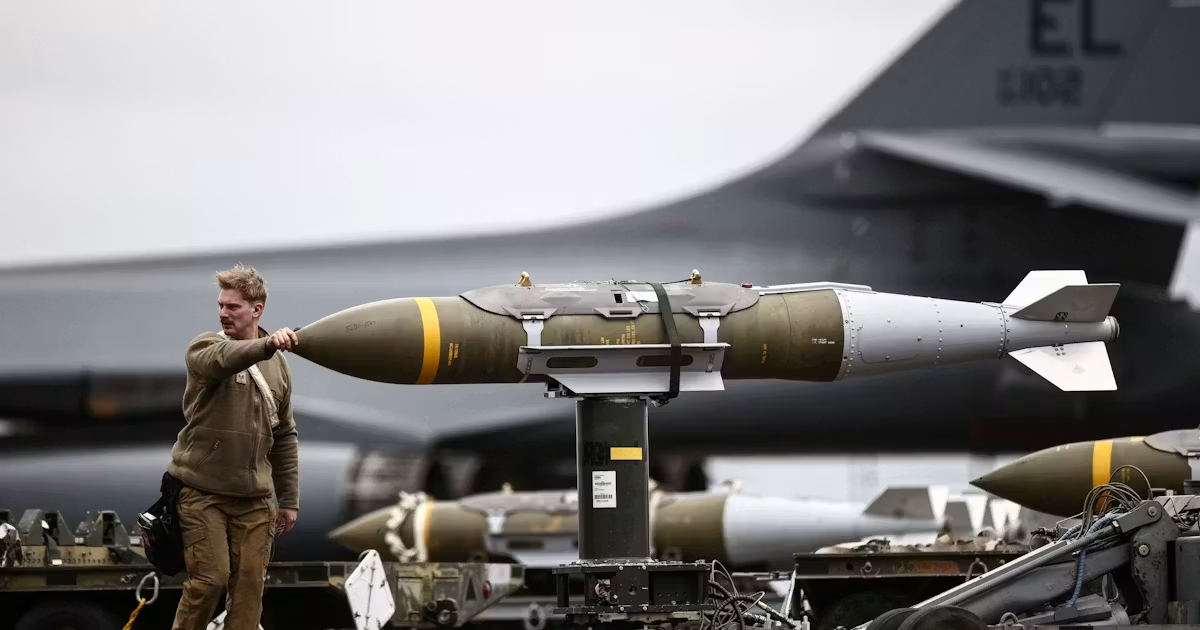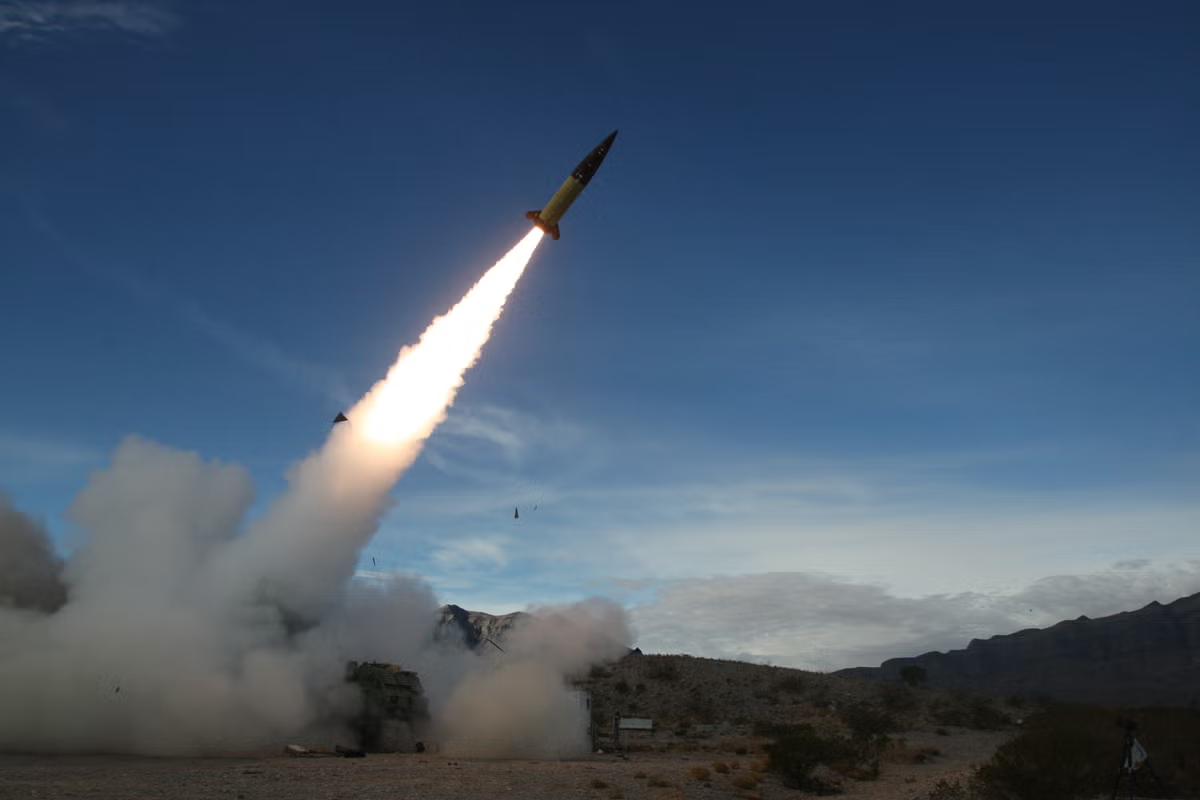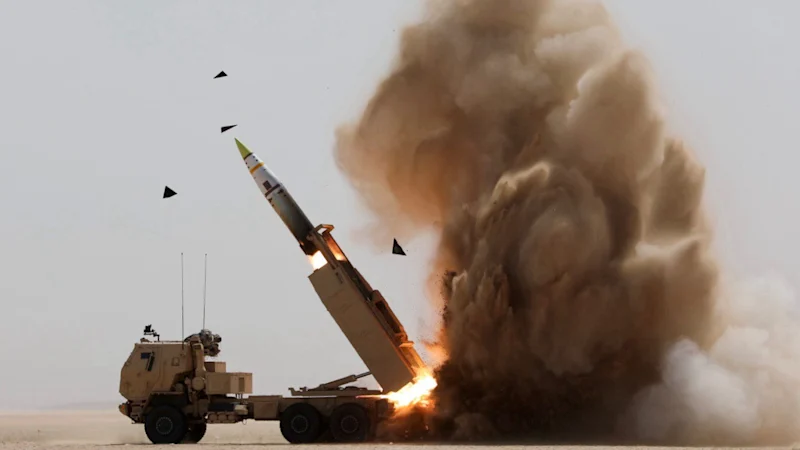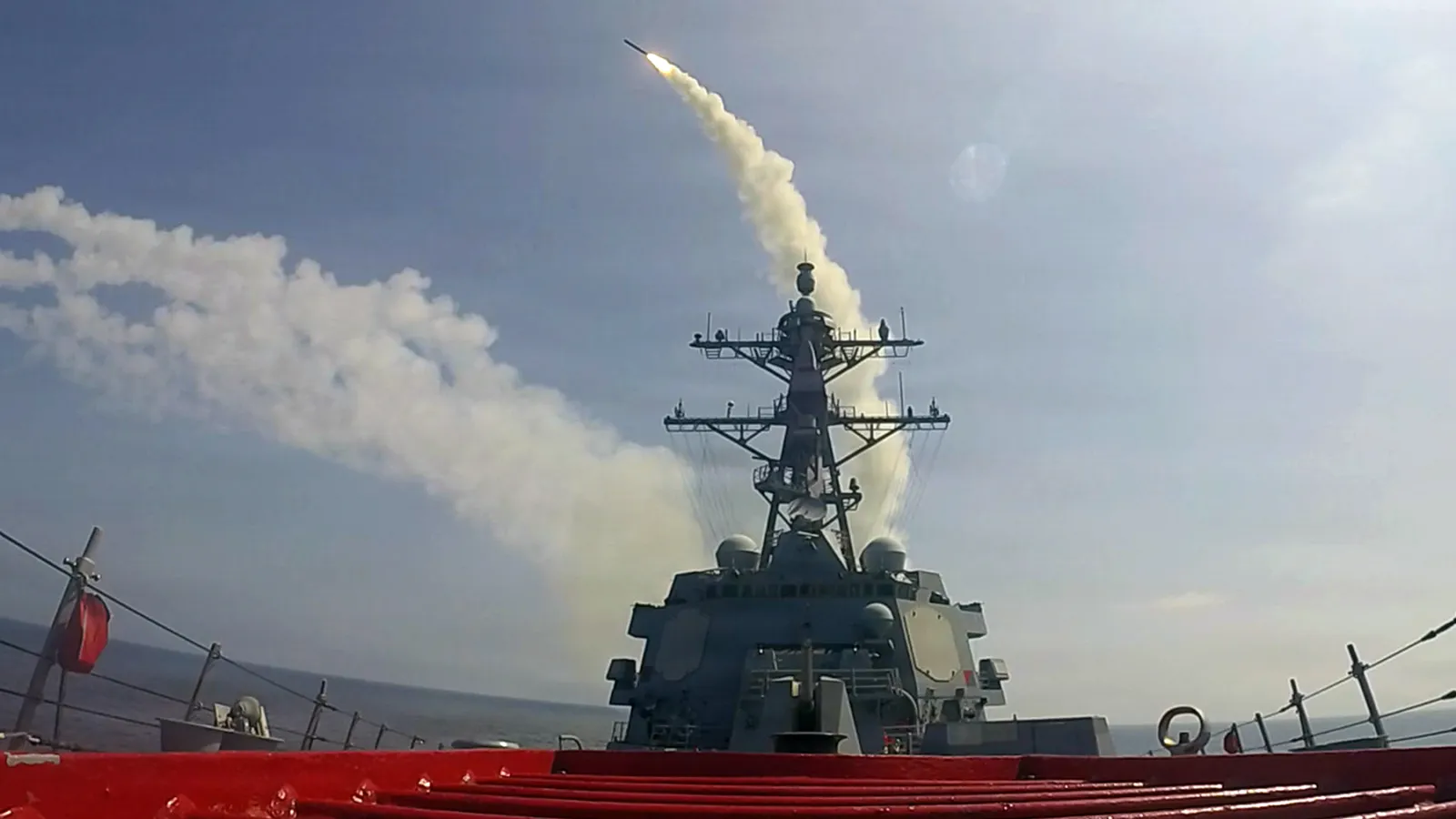
The Iran war has reportedly exhausted nearly all of America's long-range precision missiles
In 2022 and 2023, shortly before the portable drone changed armed conflict forever, the war in Ukraine was defined largely by a single, simple statistic: which side could shoot more artillery shells. The answer, for most of those first two years, was Russia. They had a massive stockpile of 152-millimeter shells, produced by a flourishing domestic industry and purchased strategically from third parties around the globe. This latter point was deliberate. Before the invasion of Ukraine had even begun, Russia was buying up stockpiles of shells from other former Soviet republics and colonies, re-taking control of the global supply of ammunition that it knew Ukraine would shortly be in dire need of.
The result, on the ground, was that if you were on Ukrainian soil, you got shot at a whole lot. I was there. It sucked. In the city of Kherson, Russian shells could strike at any time, anywhere, and while Ukrainian batteries outside the city shot back, they had to conserve their ammunition. Elsewhere in the country, in Bakhmut and Chasiv Yar and Severodonetsk, waves of Russian shells chewed through cities, relentlessly pushing the Ukrainian lines back.