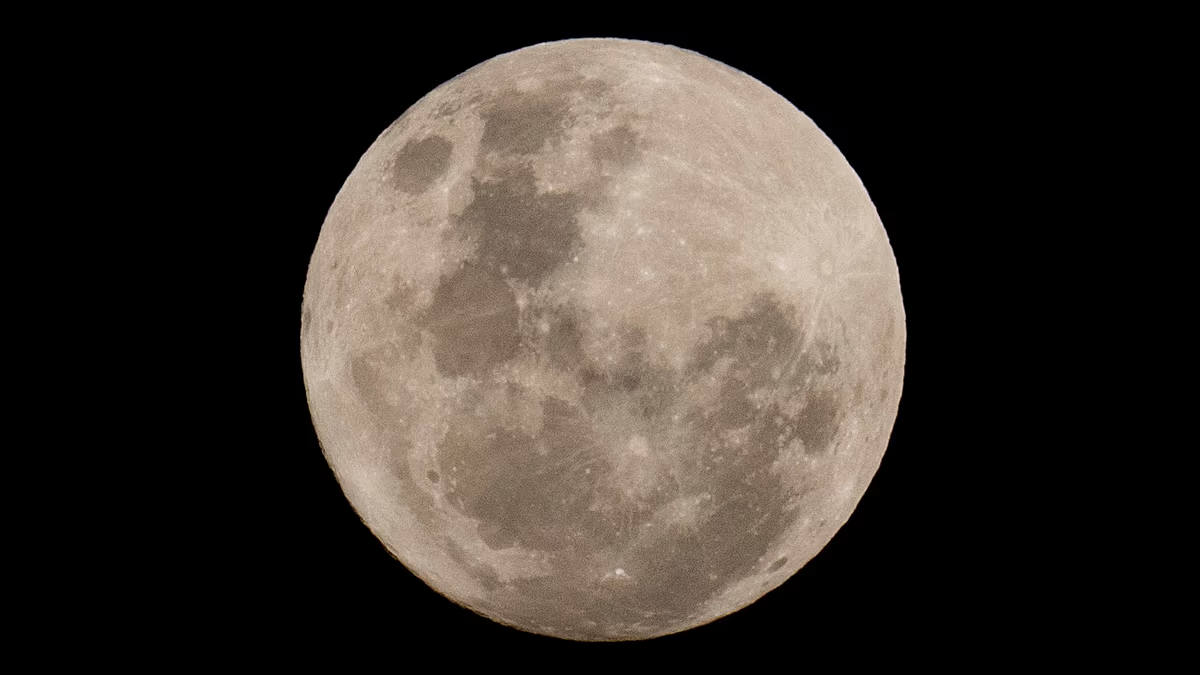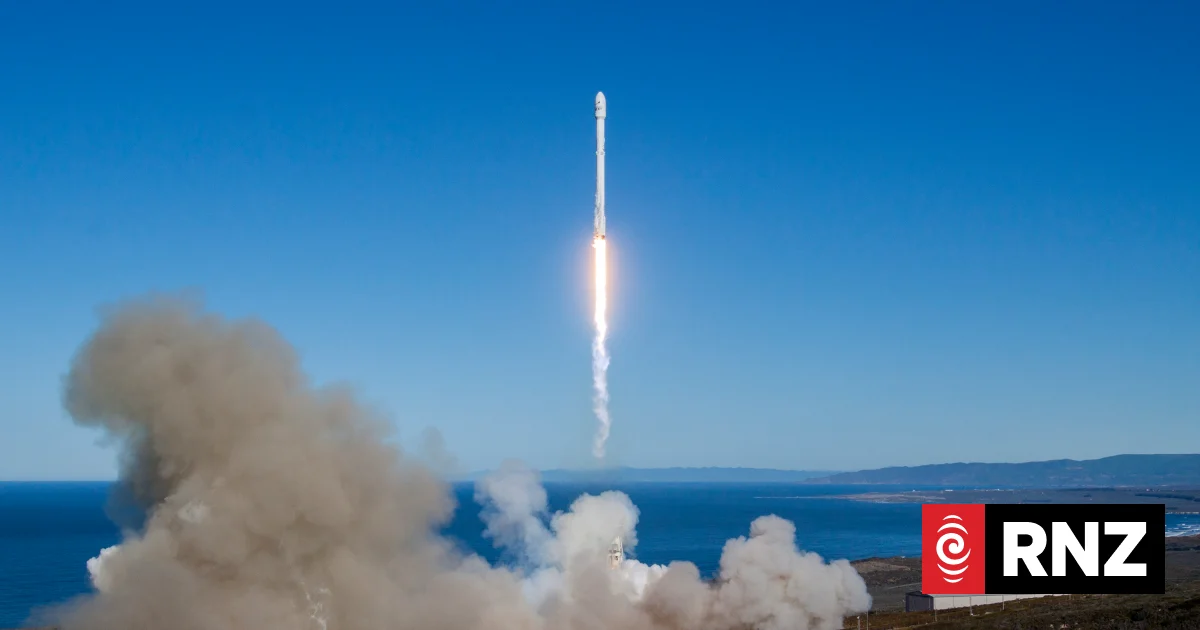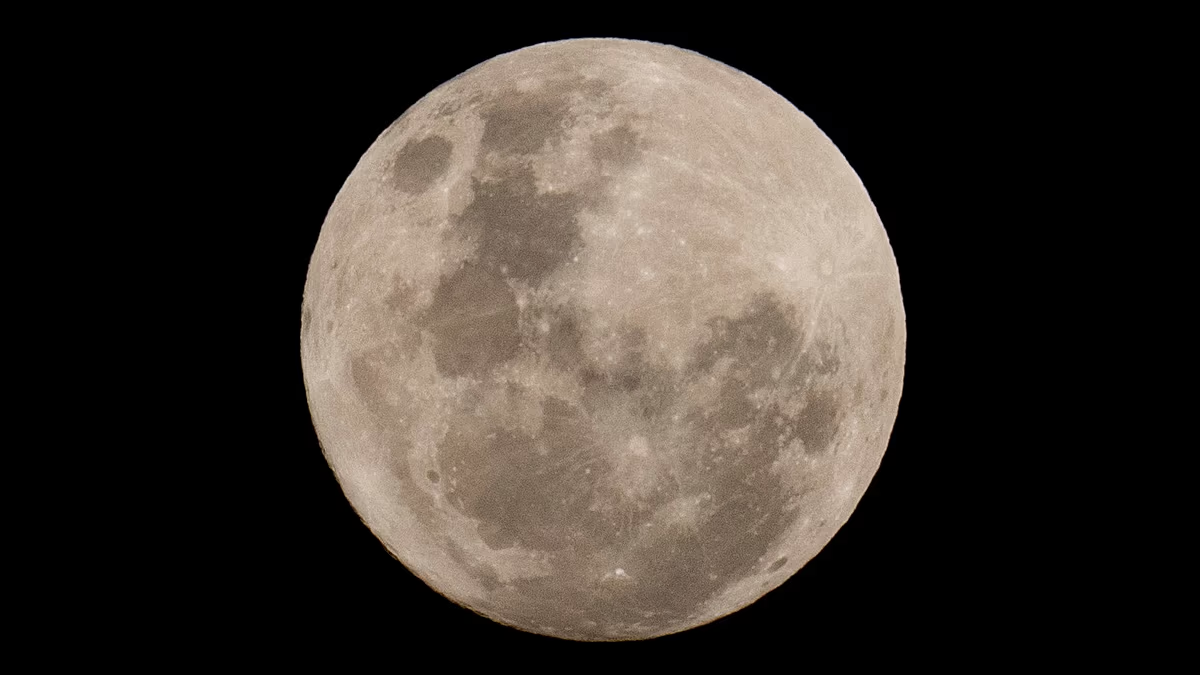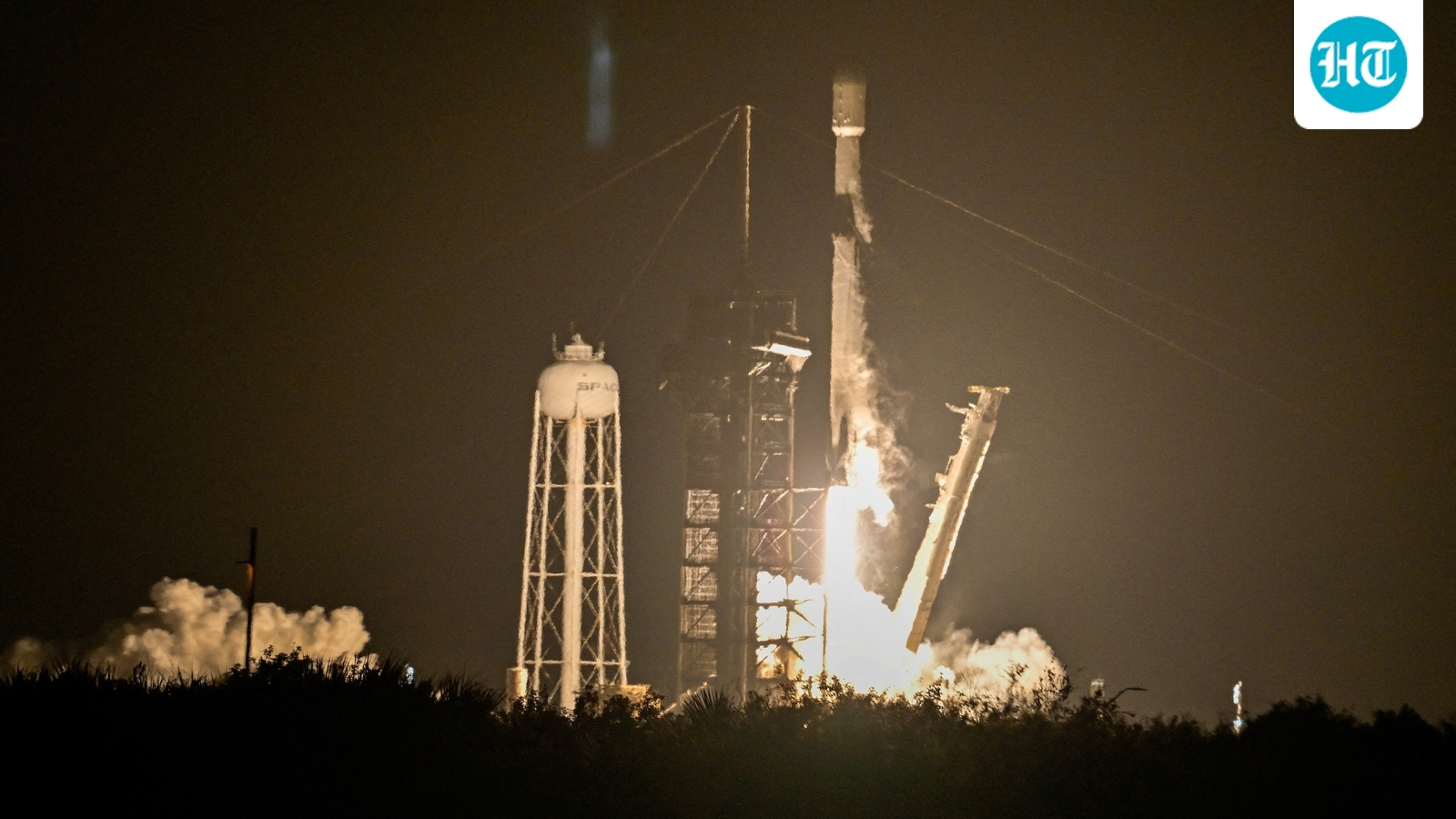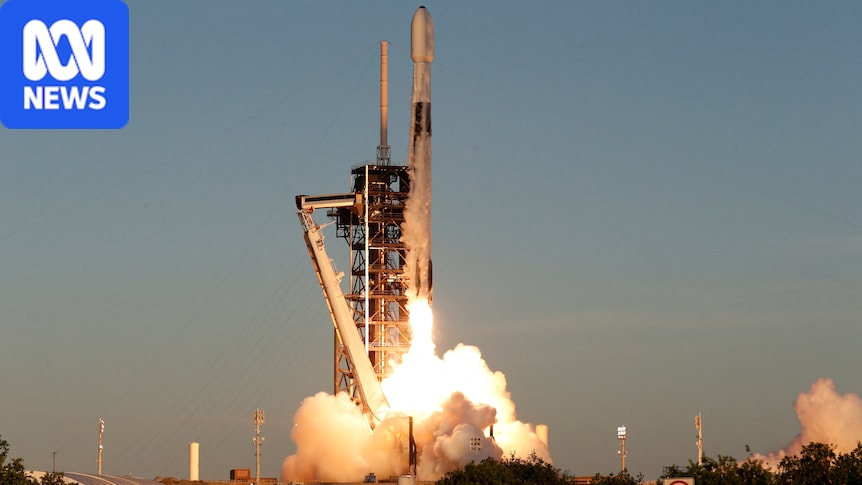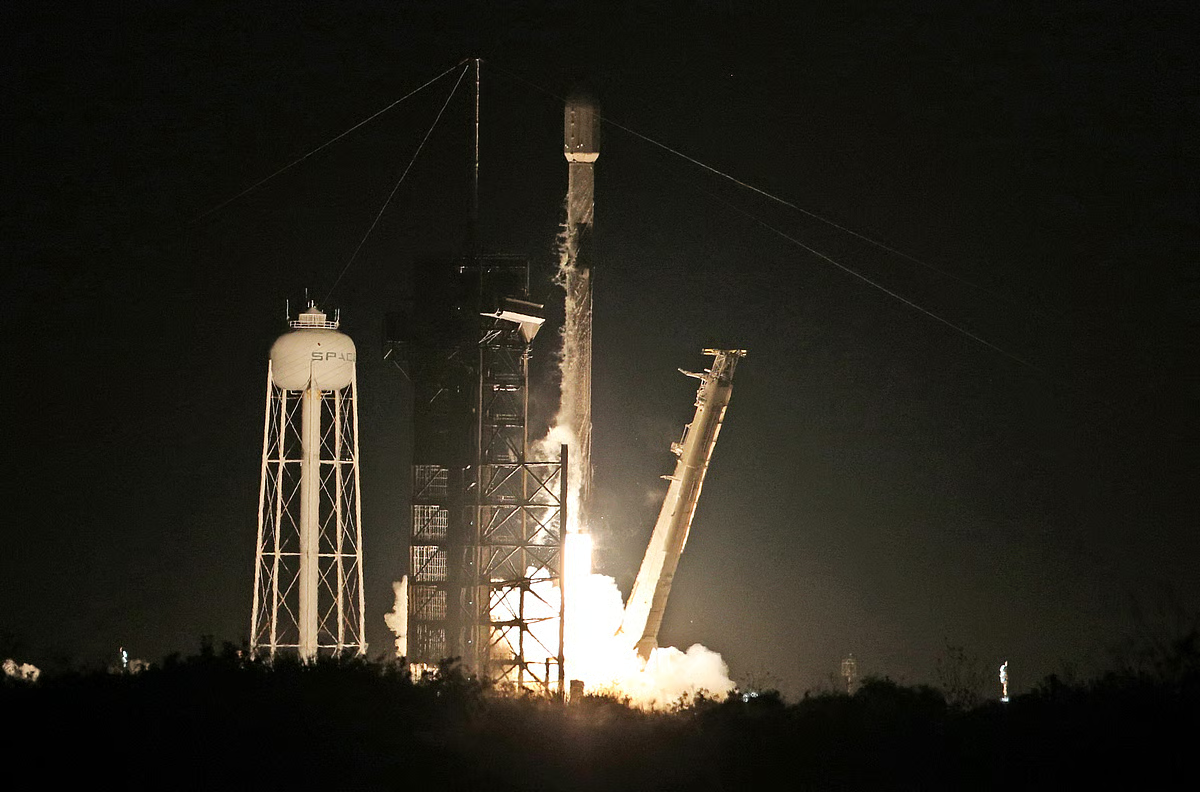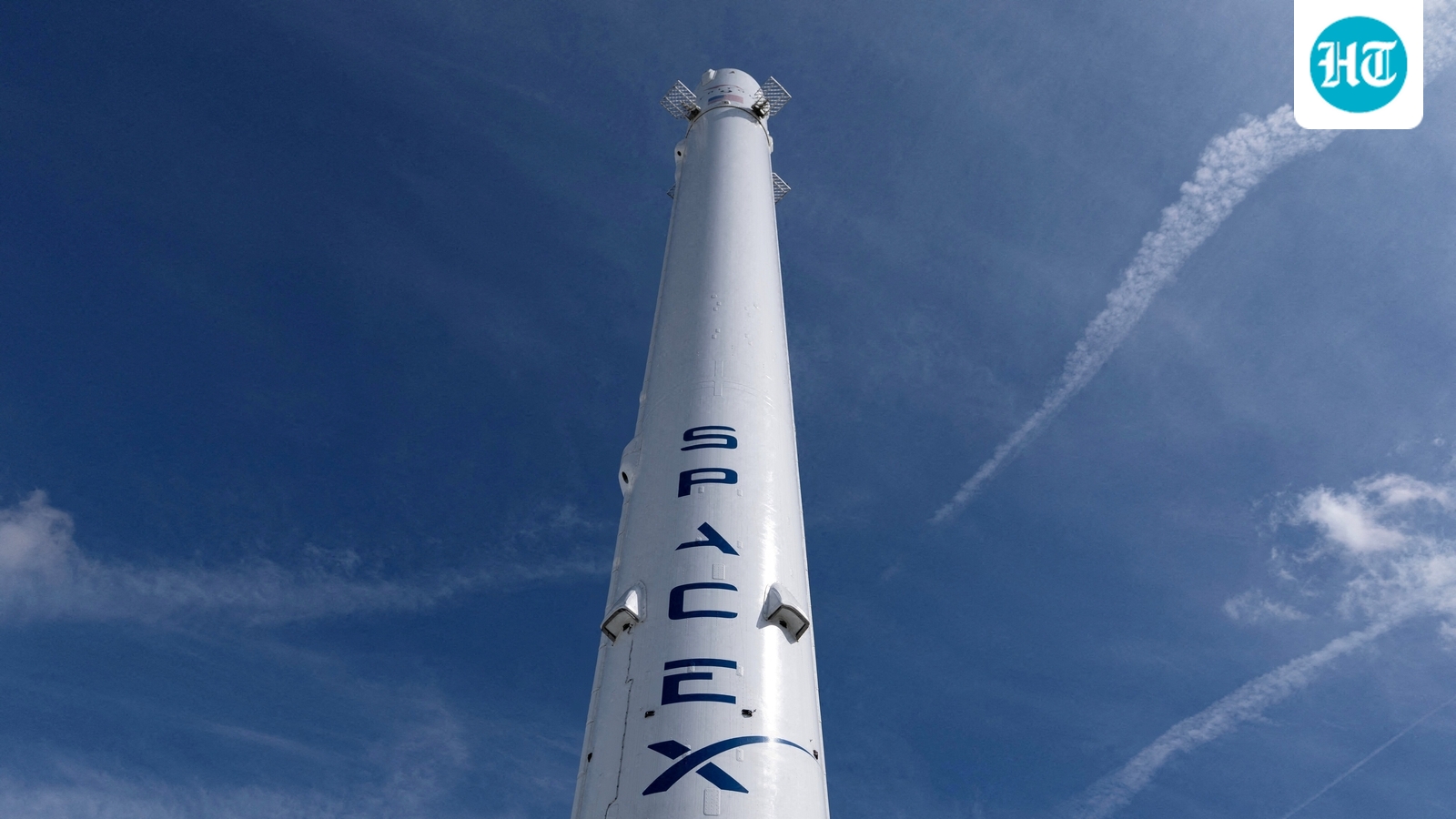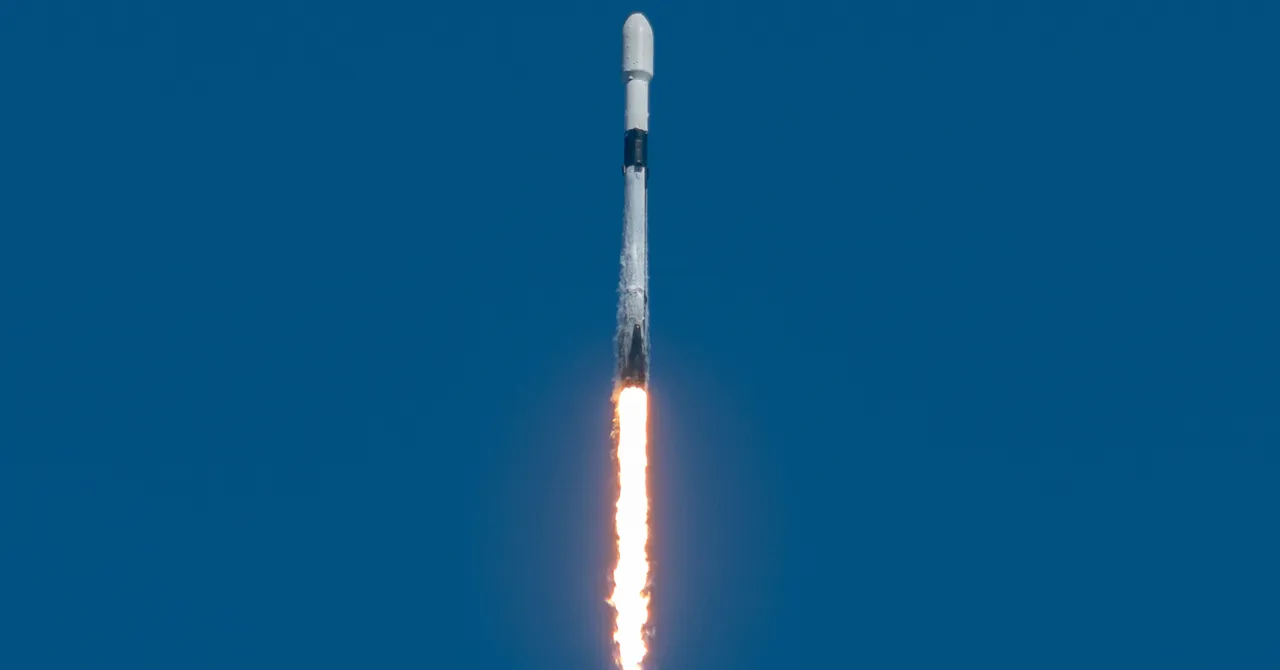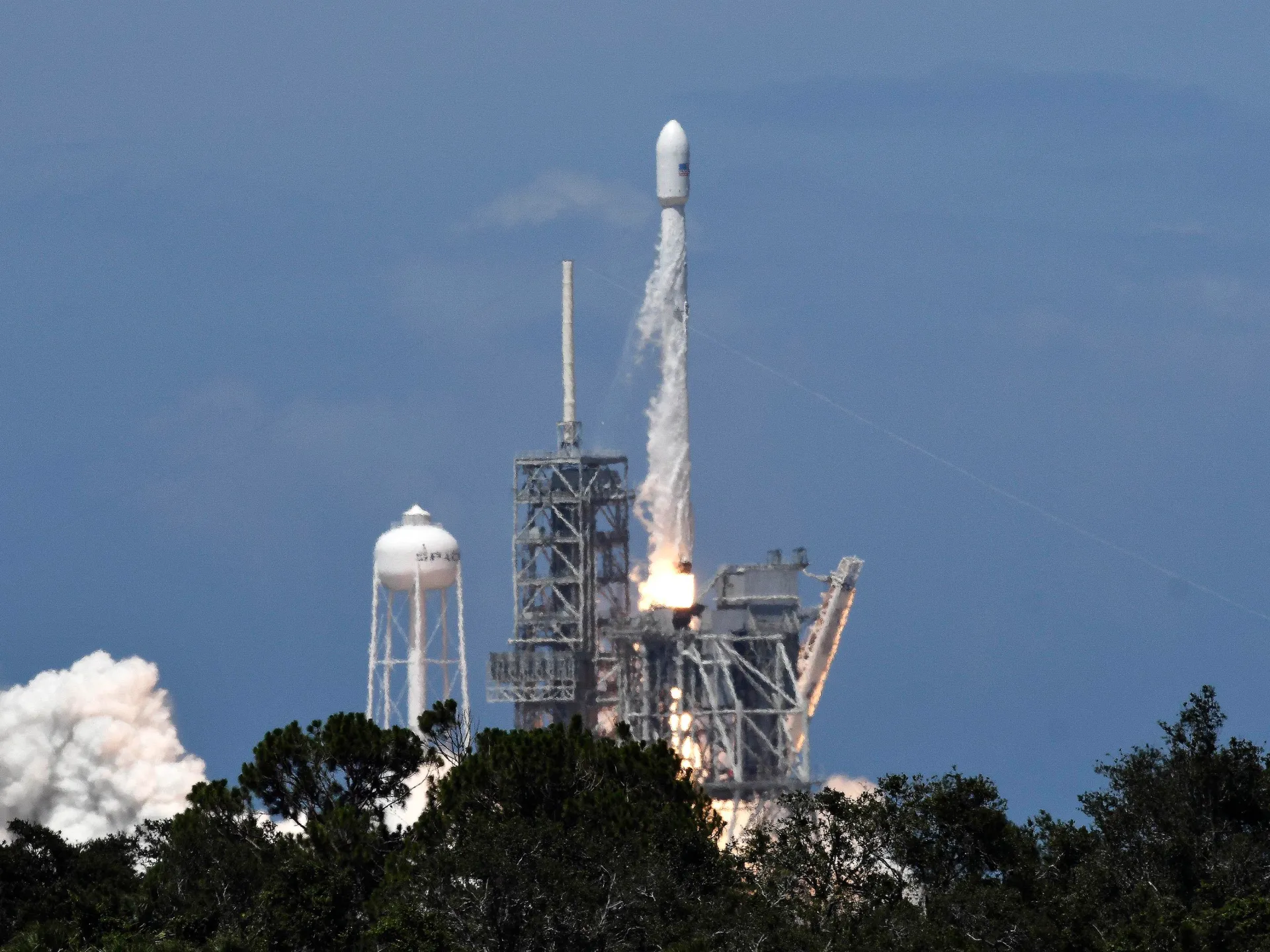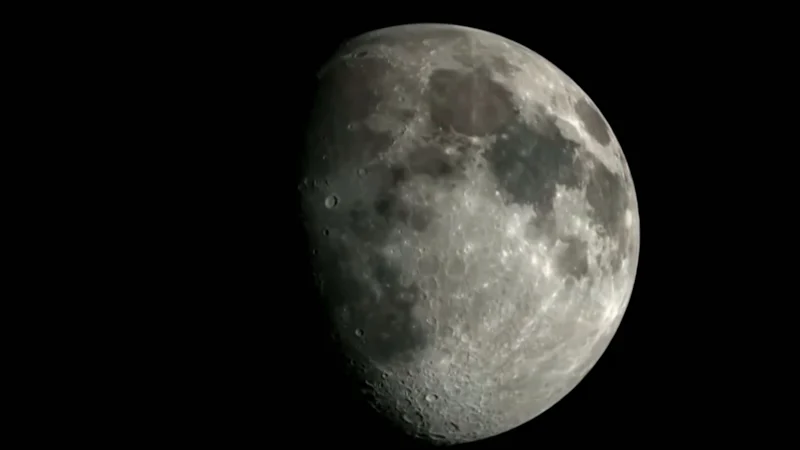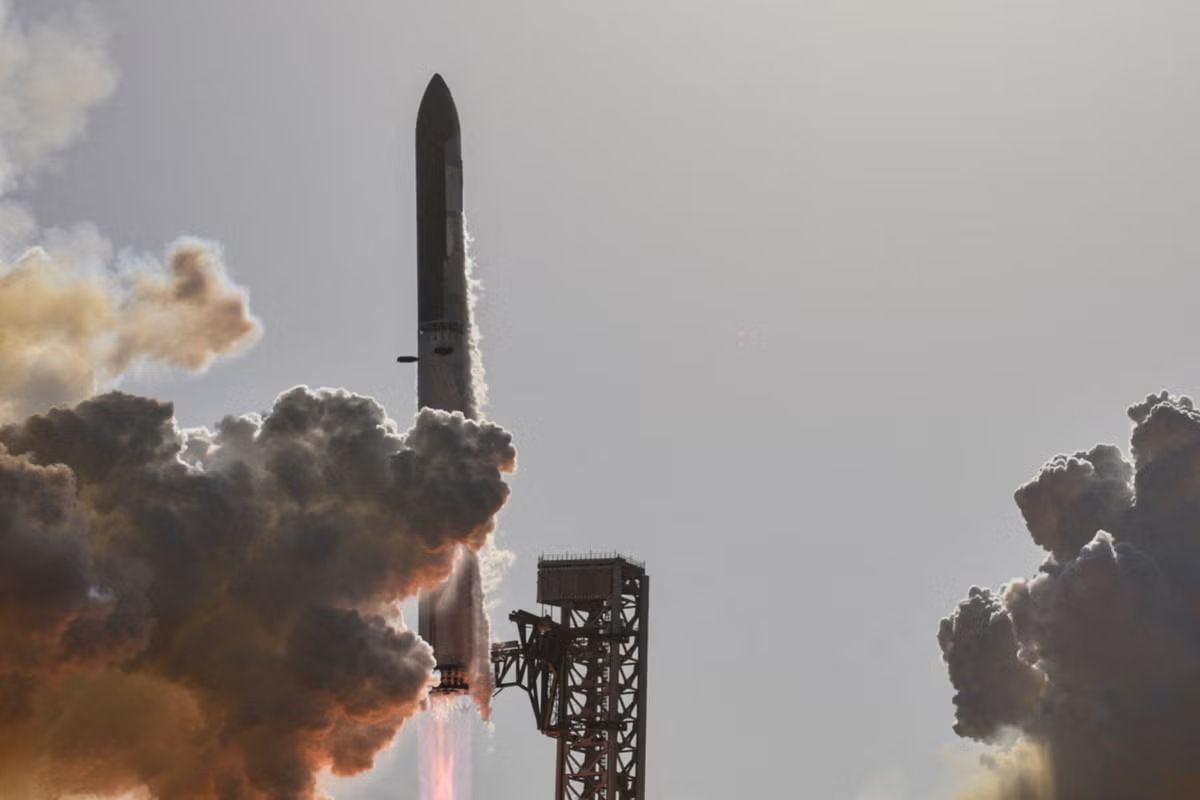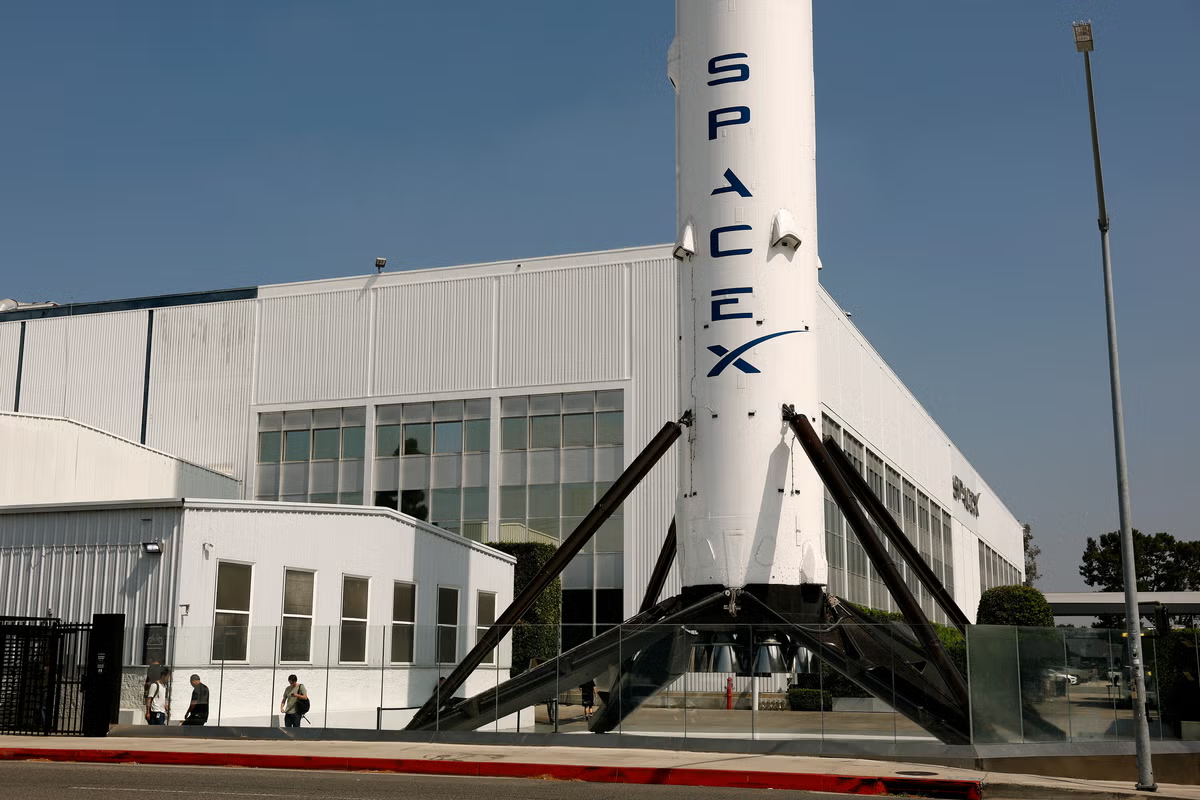
The crash of part of a SpaceX rocket into the Moon could threaten the future of space travel, an expert has warned.The Falcon 9 rocket’s upper stage accidentally made impact with the Moon on Wednesday, following the launch of a pair of lunar landers over a year ago. Professor Hugh Lewis, a space safety expert at the University of Birmingham, said that should there be plans for missions to create industry, settlement or further research on the Moon, greater regulation is required to prevent a crash from happening again. A 4,000kg section of a Space X Falcon 9 rocket is believed to have slammed into the Moon at around 7.35am BST.The impact of the crash will provide valuable opportunity for scientific research but also exposes the need for greater provision to secure the safety of future missions to the Moon, Prof Lewis told the Press Association.It is thought a 4,000kg section of a Space X Falcon 9 rocket made an impact with the Moon at around 7.35am BST (AFP/Getty)“It speaks to an issue that is already there and is going to be getting worse in the future,” he said.“If the Moon becomes a true destination for us, with settlements, potentially industry, then that’s going to require orbital infrastructure, lots of missions from Earth to the Moon.“We could see these kinds of events happening again in the future, then they would potentially be posing risks to human life, to infrastructure that’s there, to science.“If we’re increasing the population of spacecraft between the Earth and the Moon, then you end up with a chance of collision as well, in orbit.”Prof Lewis, who specialises in space debris and space situational awareness, said that given the Moon has a “non-uniform” gravitational field, abandoning material in its orbit carries a “very good chance” of a crash into the lunar surface.Although Wednesday’s crash did not pose a risk to the Moon itself, more events like this could jeopardise the ability to land on the surface or potentially industrialise, he said.The impact of the crash will provide valuable opportunity for scientific research, Prof Lewis told the Press Association (Getty)Prof Lewis said: “SpaceX have been doing a tremendous job of aiming to behave responsibly in Earth orbit, they are responding to regulators.“But the real question is whether regulation needs to tighten, if we need new standards and guidelines to help us with missions that go to the Moon.“I know that the Inter-Agency Space Debris Co-ordination Committee are starting to look at this as a problem, and some guidelines about what to do with spacecraft after it has finished its mission so that it doesn’t pose a risk either to the surface or a collision risk around the Moon.”Prof Lewis also said the consequences of the crash represent an exciting research opportunity.“That’s a surface that has been pristine for a very, very long time so there’s a lot that could learn by looking at the surface,” he said.“The impact will throw up a lot of material and so you could use this as an experiment to gain some understanding of learning materials in that particular location.”The UK Space Agency is a member of the IADC, which said: “Space debris is a growing challenge, which is why the National Space Operations Centre tracks around 30,000 threats, risks and hazards in orbit every year.“We’re also taking action to clean up space now, spending over £85 million on our ability to track potential threats in orbit, and developing the cutting-edge tech which will allow us to service satellites while in space.”
Expert issues warning over SpaceX moon crash as future of space travel ‘at risk’
A 4,000kg section of a Space X Falcon 9 rocket is believed to have slammed into the Moon
589 words~3 min read