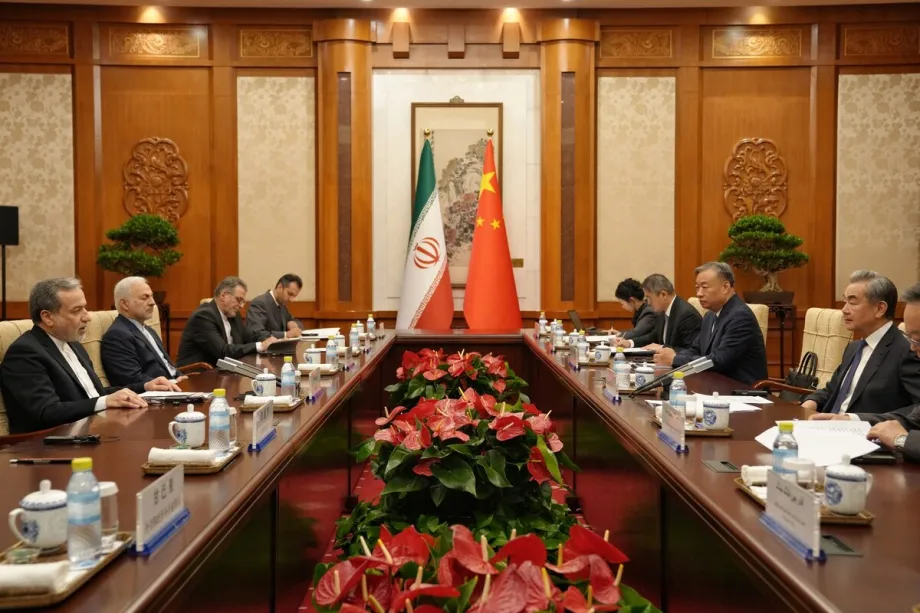
Chinese media did not trust Reuters‘ claim about China and Iran’s missile deal. They are calling it the Western media’s bias against China.
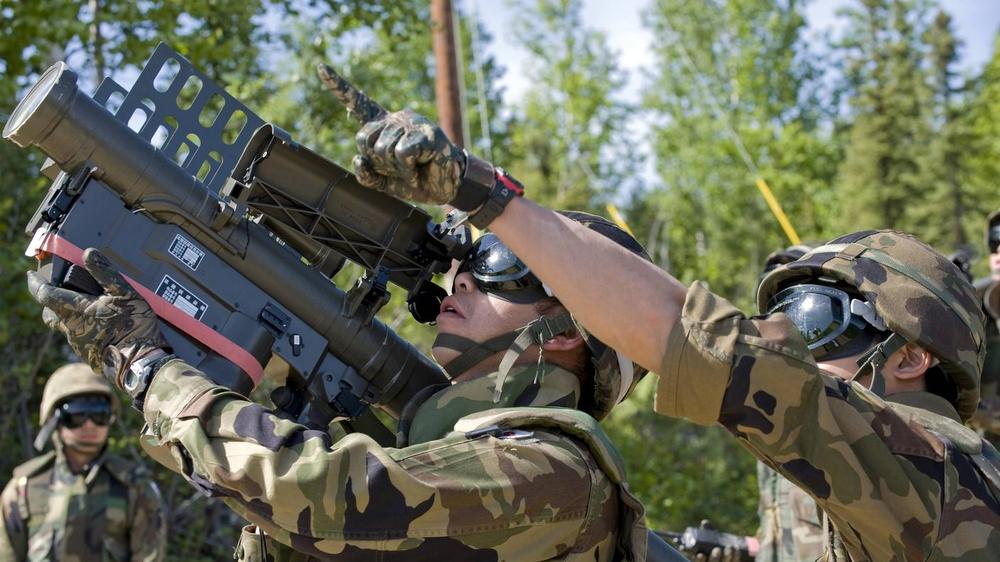
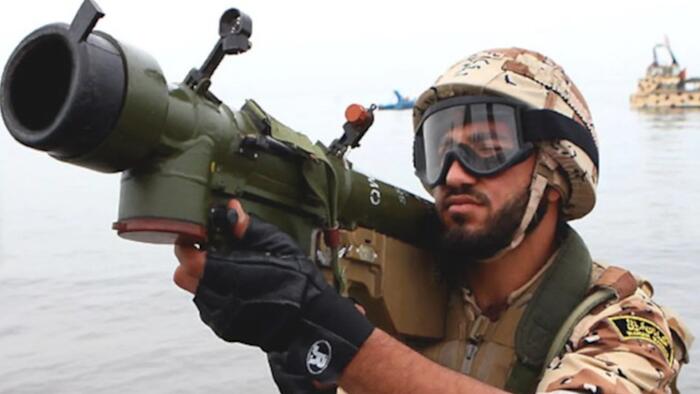
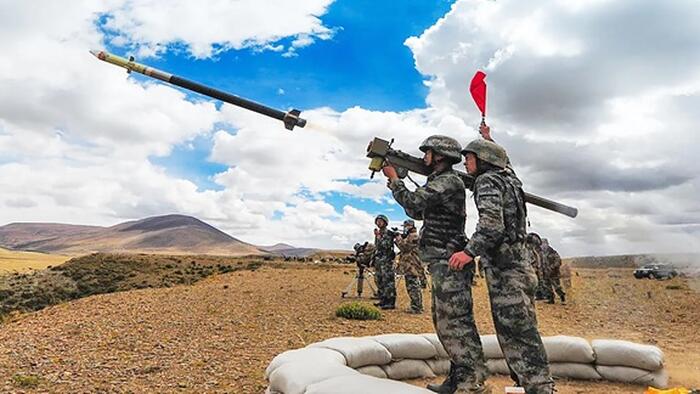
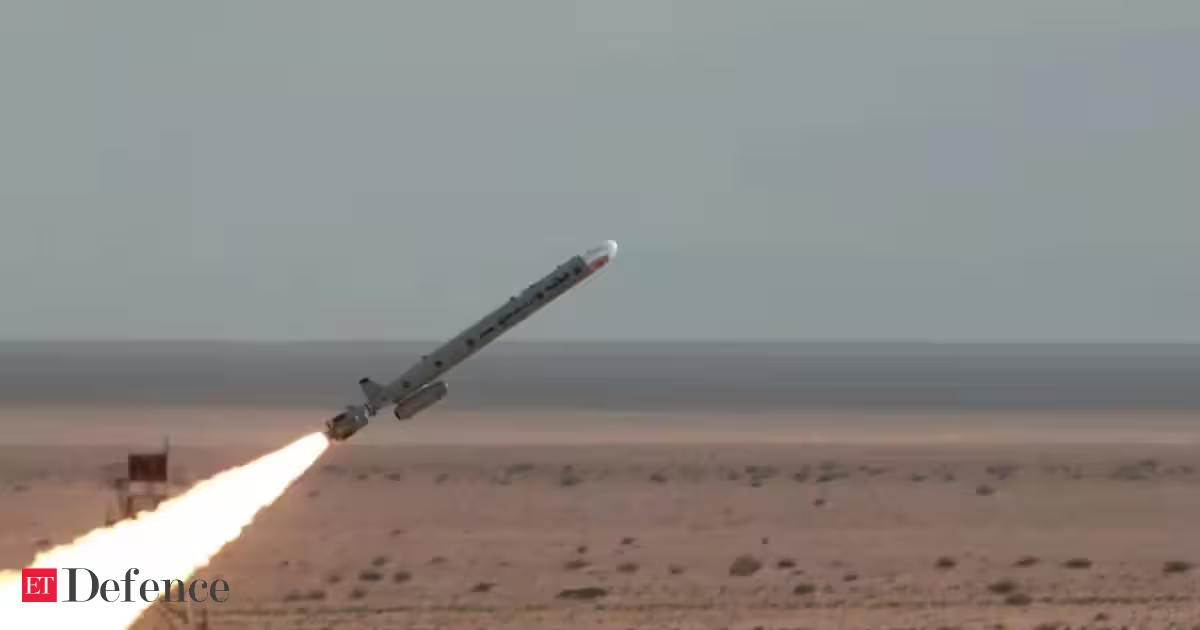
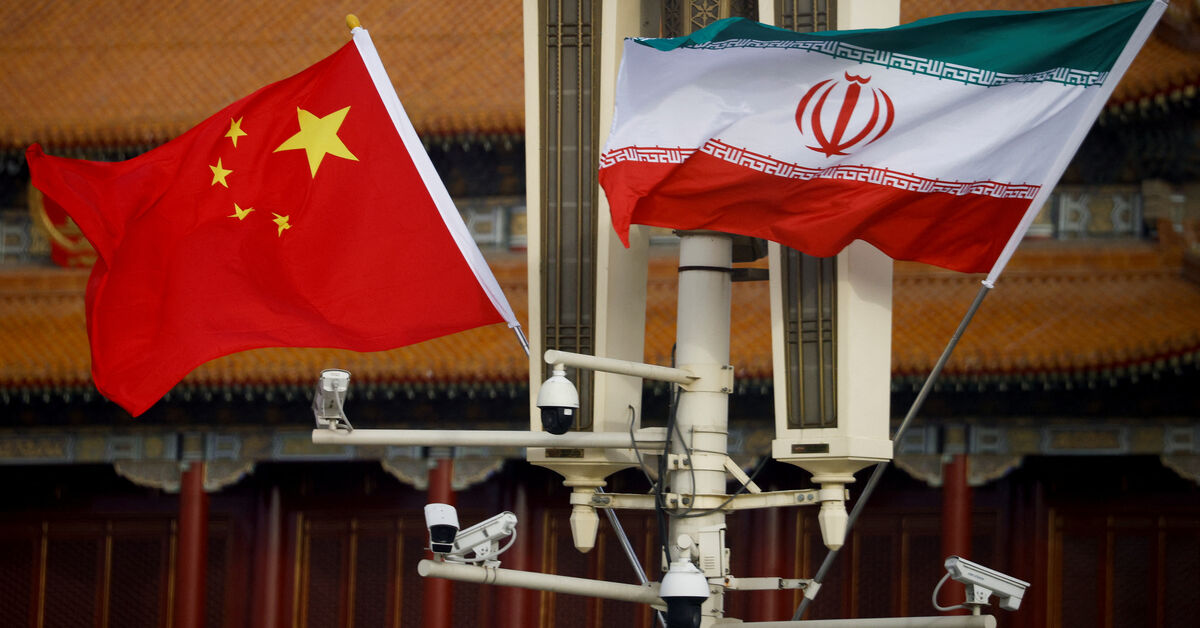
On 29 July, the British news agency reported that China is going to deliver 400 Chinese-made shoulder-fired air defence systems to Iran as part of a missile deal. Citing sources, the report said the agreement involves man-portable air defence systems (MANPADS), including QW-12 and FN-16 missiles. The contract was claimed to be signed by Hong Kong-based Zhongqing Baoshang International Investment—reportedly an intermediary between Iranian authorities and Chinese suppliers. The report also suggested that China and Iran are exploring land routes for delivery.Beijing rejected the claim outright by calling it ‘entirely unfounded’.
Questioning the report’s foundationsMany Chinese social media users turned their attention to Reuters’ sources, questioning why a major geopolitical claim rested on a few anonymous individuals rather than publicly available evidence. Some dismissed the report as Western media sensationalism. One commentator described it as “a meticulously crafted script”, while another accused Western media of using anonymous sources as a shield, allowing dramatic claims to circulate behind words such as “possibly”, “expected” and “allegedly”. The commentator joked even Hollywood screenwriters would struggle to create such a plot twist.A Baijiahao commentary portrayed the report as following a formula: ‘begin with unnamed sources, add technical details about weapons and delivery routes, and place the claims within a tense regional context.’ The commentary suggested that such reporting can create a strong narrative even when key facts remain unverified.Commentators picked apart what they saw as the assumptions behind the story. One highlighted three separate facts brought together in the report: Iran’s need to strengthen its air defences, China’s ability to produce such systems, and Pakistan’s geographic position between the two countries. The commentator claimed that these elements were stitched together with anonymous sources to create a narrative of Chinese military assistance to Tehran without publicly verifiable proof such as contracts, payment records, export licences or delivery evidence.One commentator accused Western media of viewing China through a confrontational and bloc-based lens, implying that engagement with countries opposed by Washington is portrayed as evidence of strategic alignment. Another commentator suggested that such allegations could later be used to generate political pressure and justify restrictions on Chinese companies. The discussion also echoed previous debates over China’s trade with Russia, where Chinese exports of civilian and dual-use goods have been viewed in the West through the lens of strategic competition.