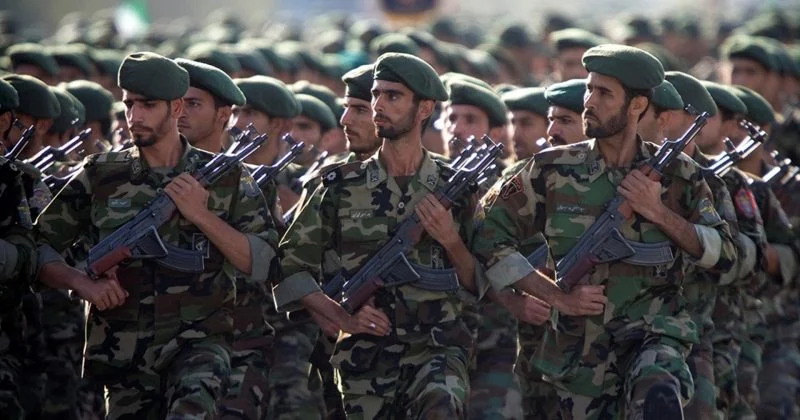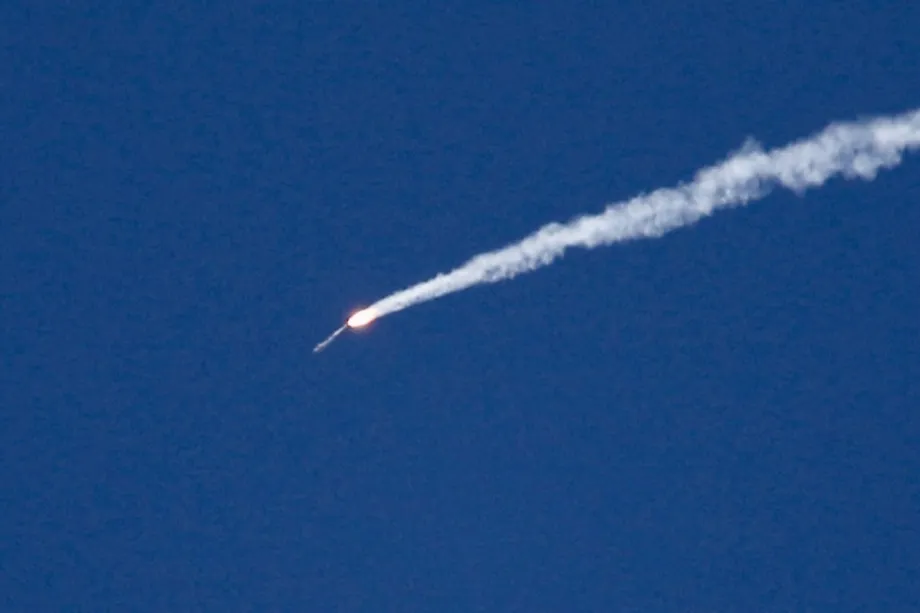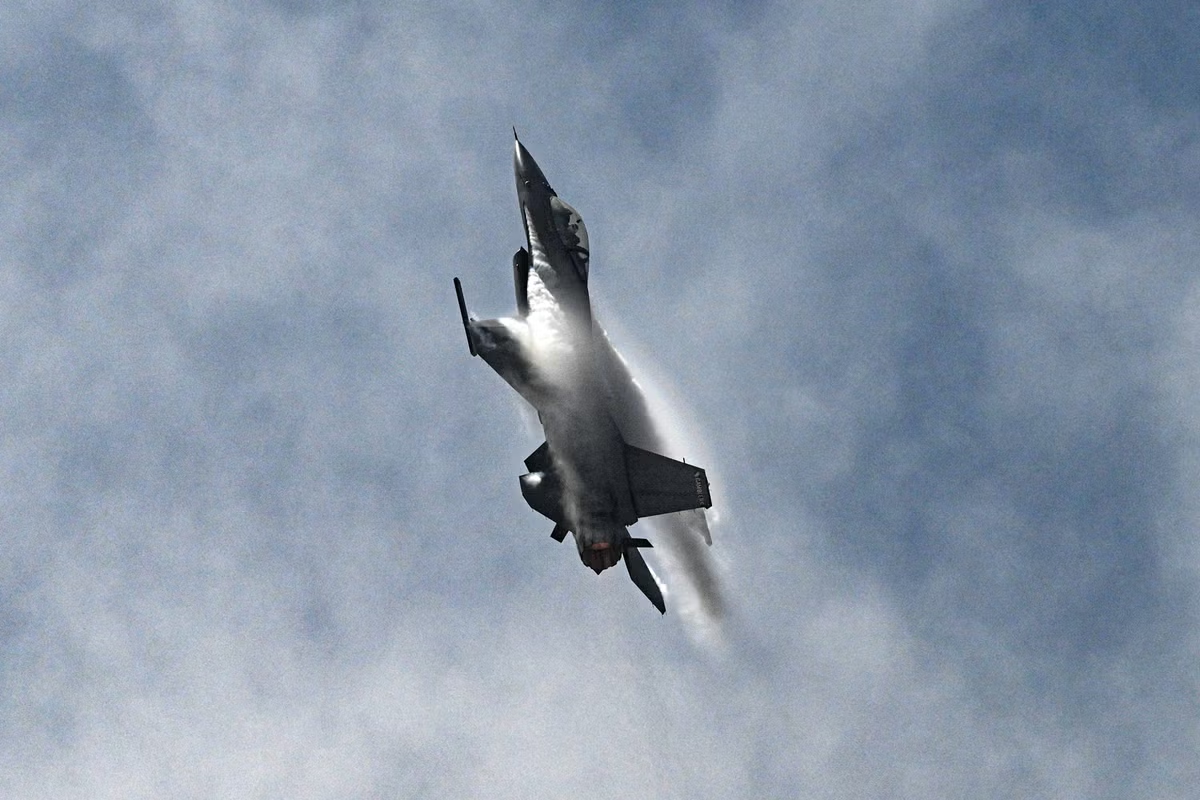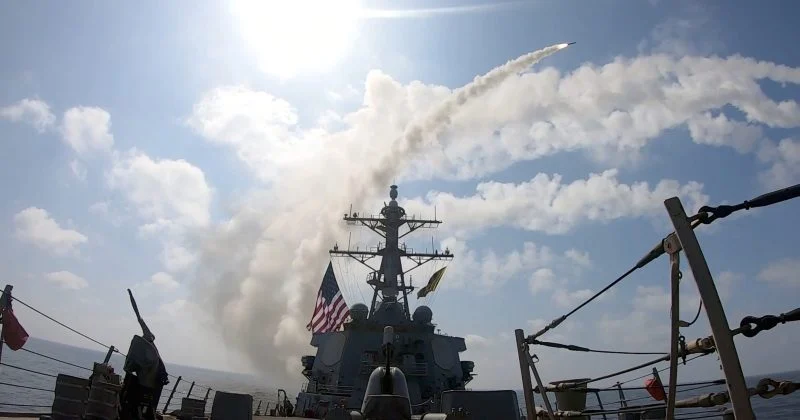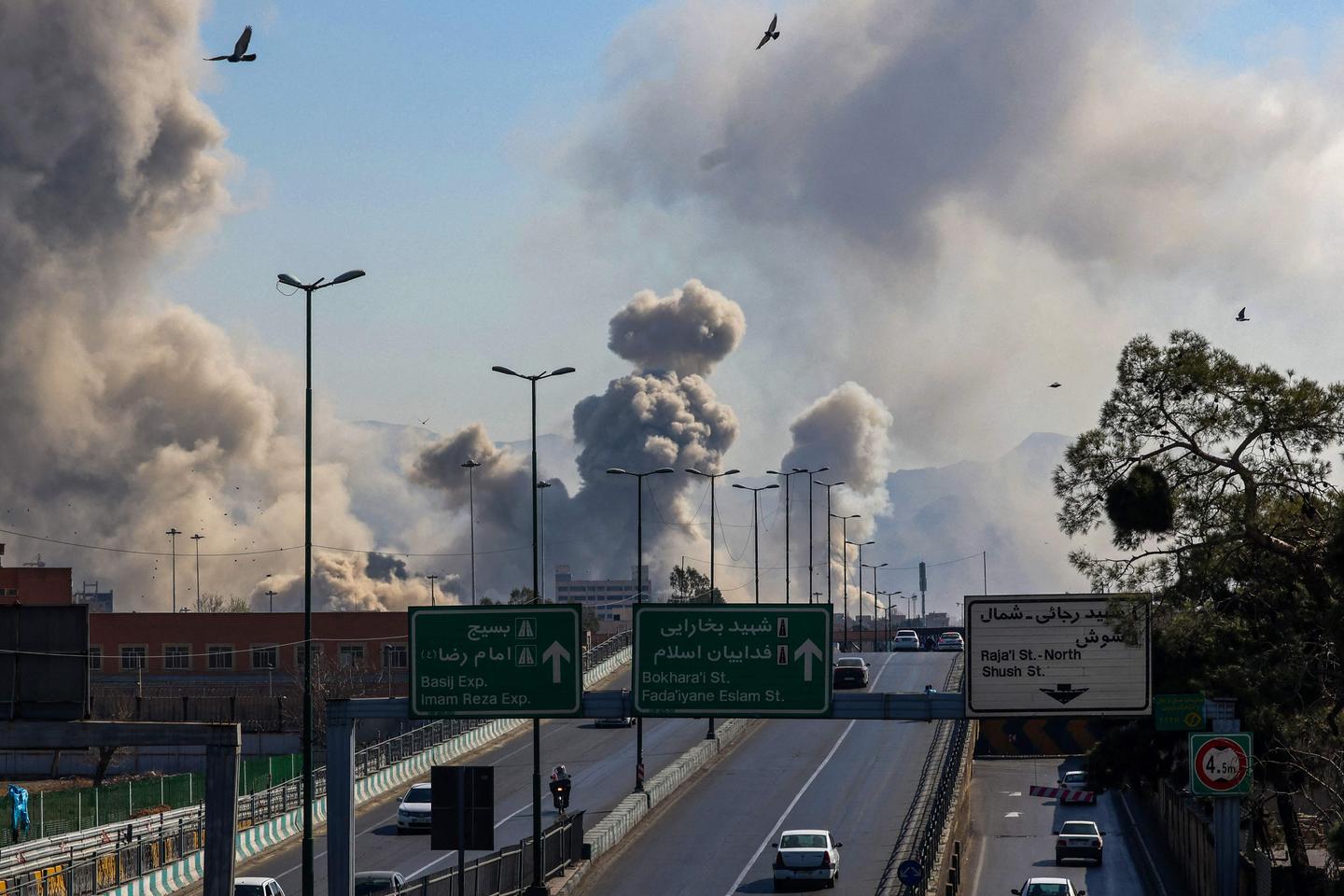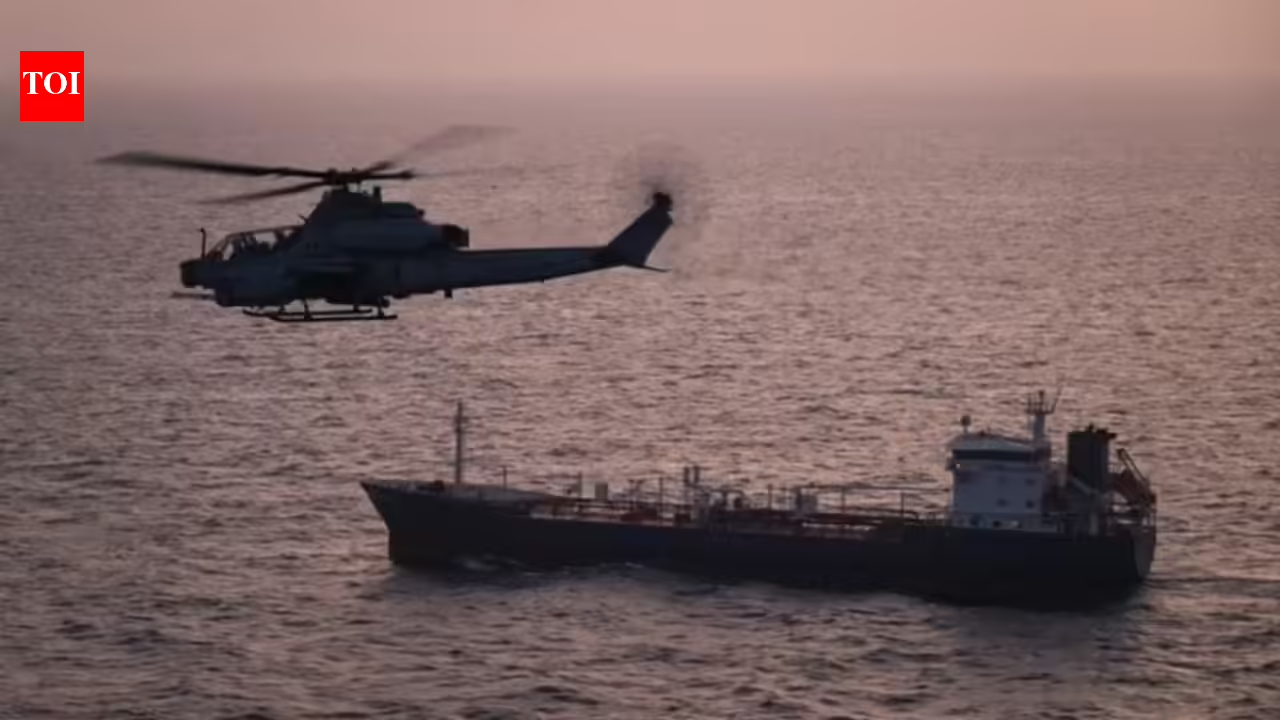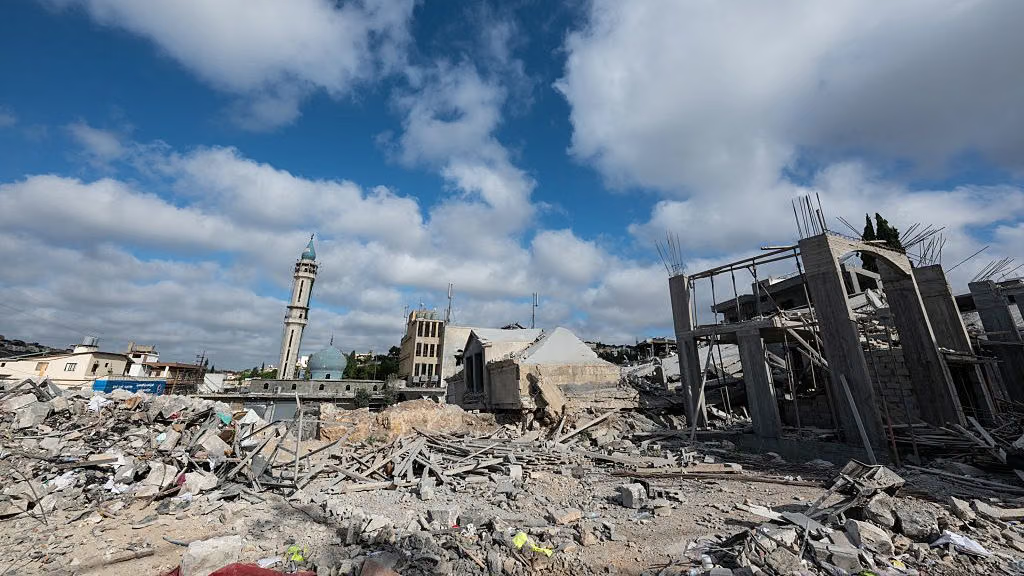
At 1:15 in the morning on 28 February 2026, American and Israeli aircraft opened a campaign against Iran that would run for more than two months. Within the first minute, Iran’s Supreme Leader, Ali Khamenei, and roughly 40 senior officials were dead. Within 24 hours, more than a thousand sites had been hit. The Pentagon called it Operation Epic Fury; Israel called the same campaign Operation Roaring Lion. By the time a ceasefire took hold in early May, the two air forces had flown thousands of sorties, dropped tens of thousands of munitions, wrecked most of Iran’s air defence network, and pushed Israel to mobilise 70,000 reservists for a war that, notably, never needed a single soldier to set foot in Iran.
It was, in almost every particular, a repeat performance. Eight months earlier, in June 2025, Israel had opened a shorter campaign against the same adversary, Operation Rising Lion, killing Iranian commanders and destroying nuclear infrastructure in an opening strike synchronised across 200 aircraft operating nearly 2,000 kilometres from home. Two months before that, India had responded to a terror attack in Pahalgam with Operation Sindoor, striking nine terror camps and 11 Pakistani airbases with cruise and precision-guided missiles, again without a single soldier crossing the Line of Control. And in the background, for four years running, Russia and Ukraine have fought a war increasingly decided in the air, and in the narrow band of altitude just above the trench line, where cheap drones now do work once reserved for artillery.Something has changed in how states go to war. Air power used to be the instrument of escalation, the thing a state reached for once diplomacy had failed and limited measures had been tried and found wanting. Increasingly, it is the opening move instead. Not the last resort. The first.