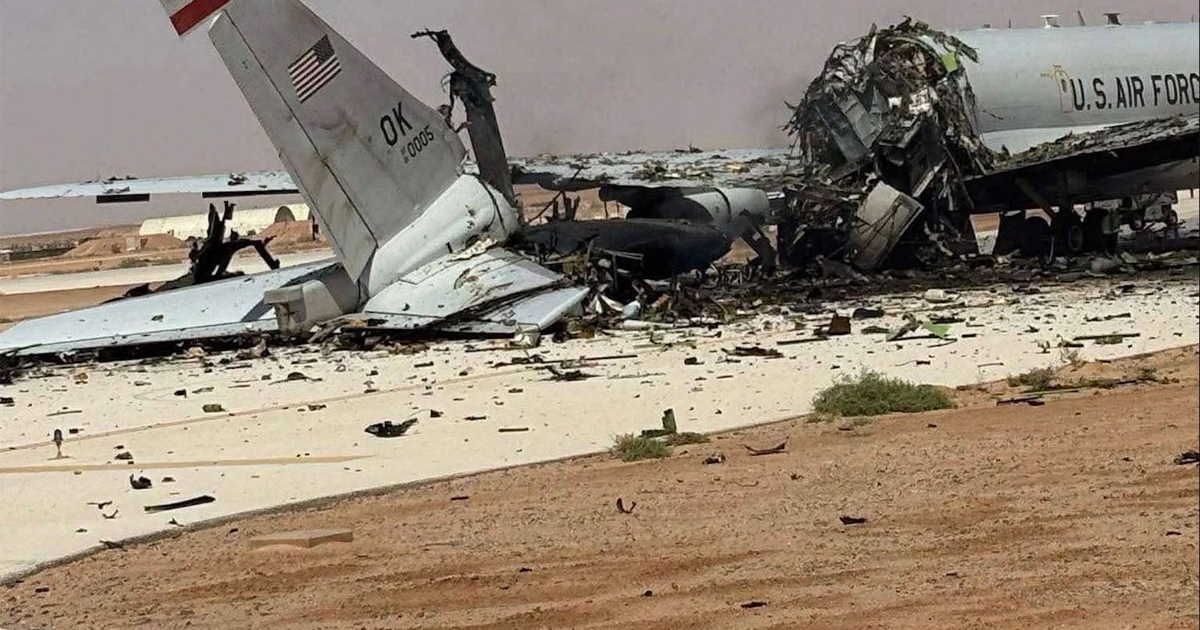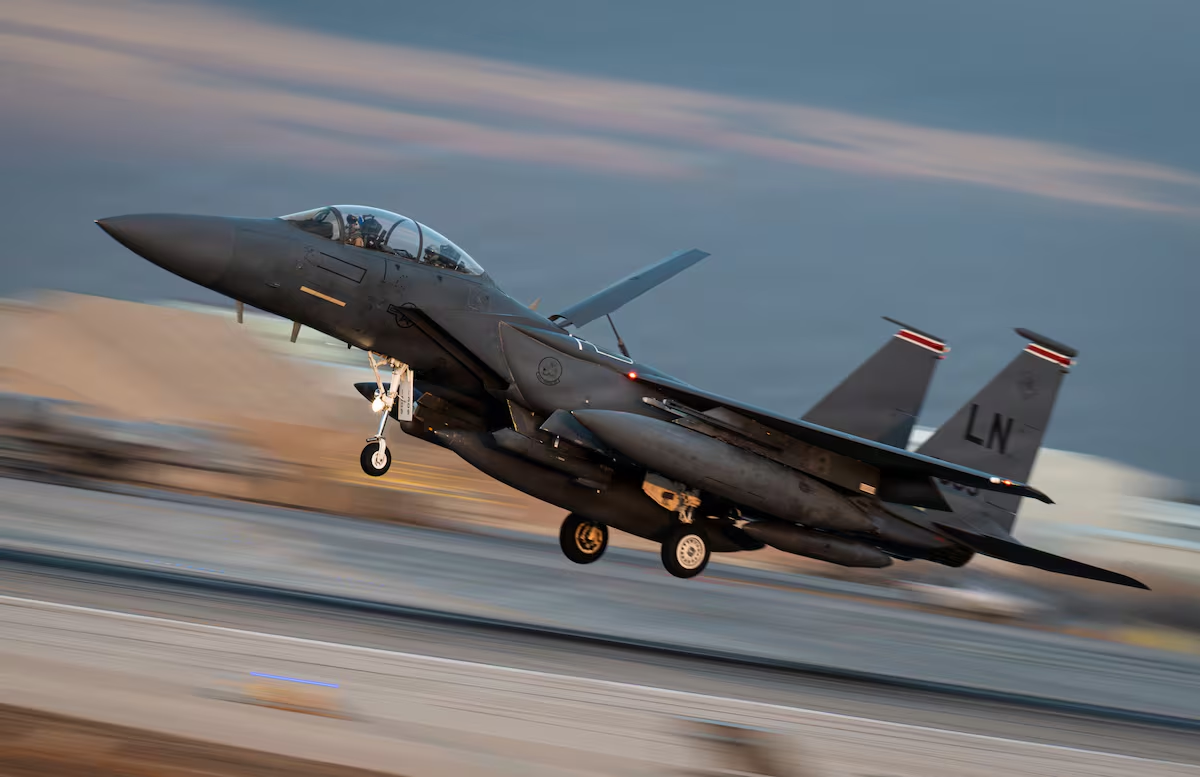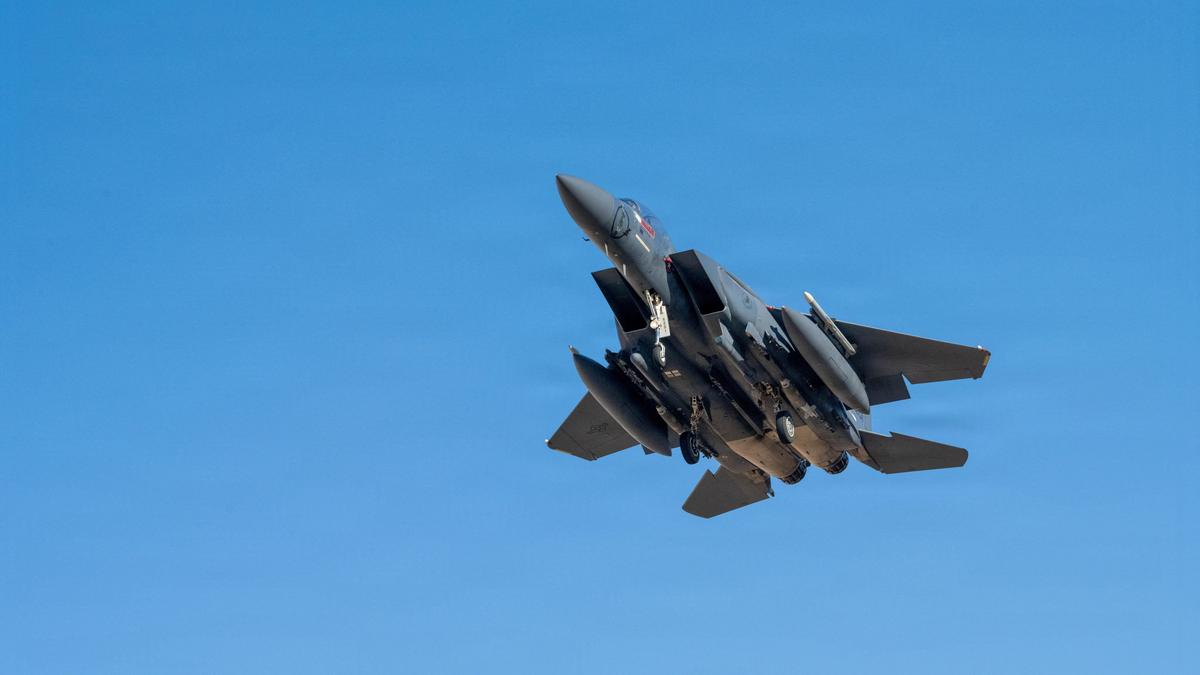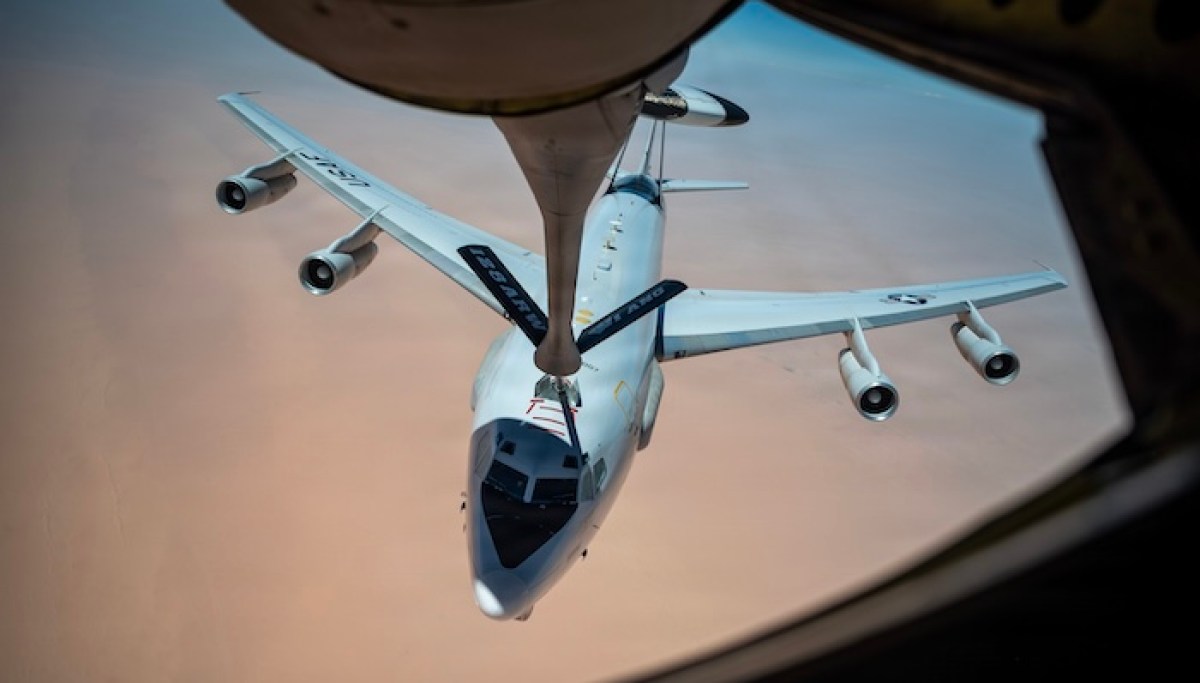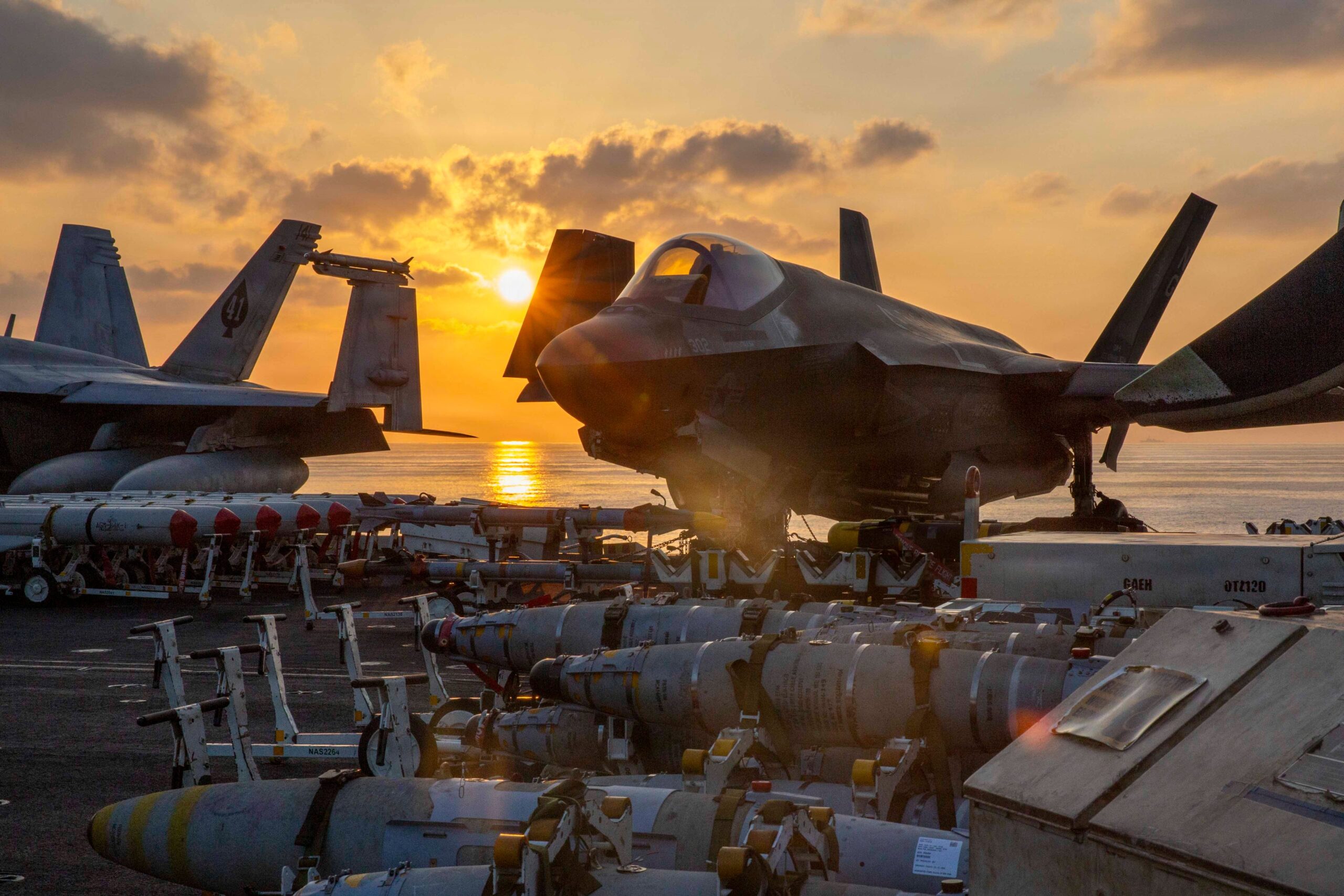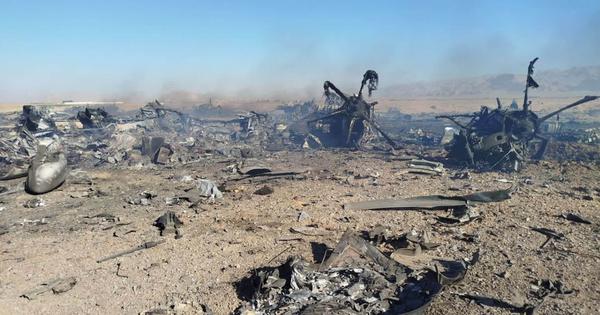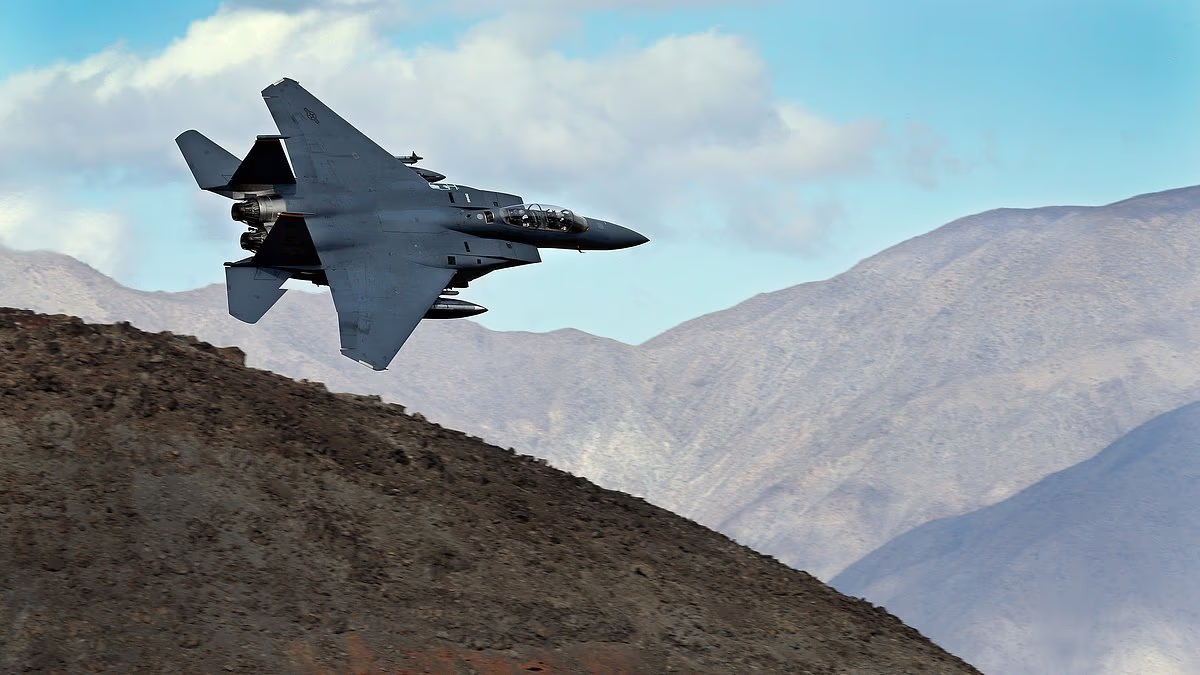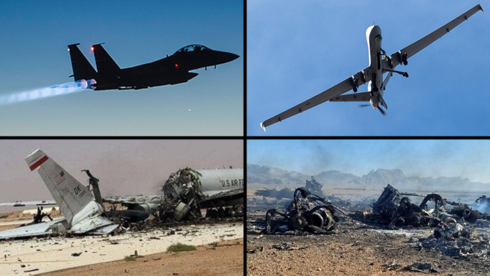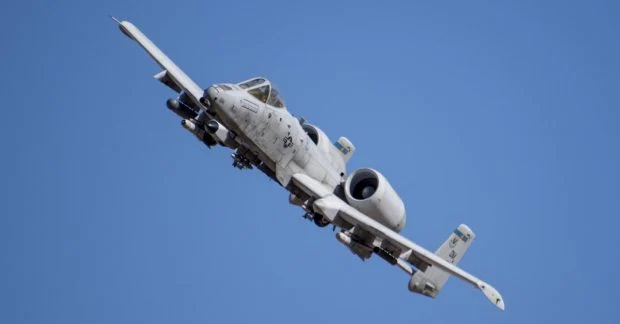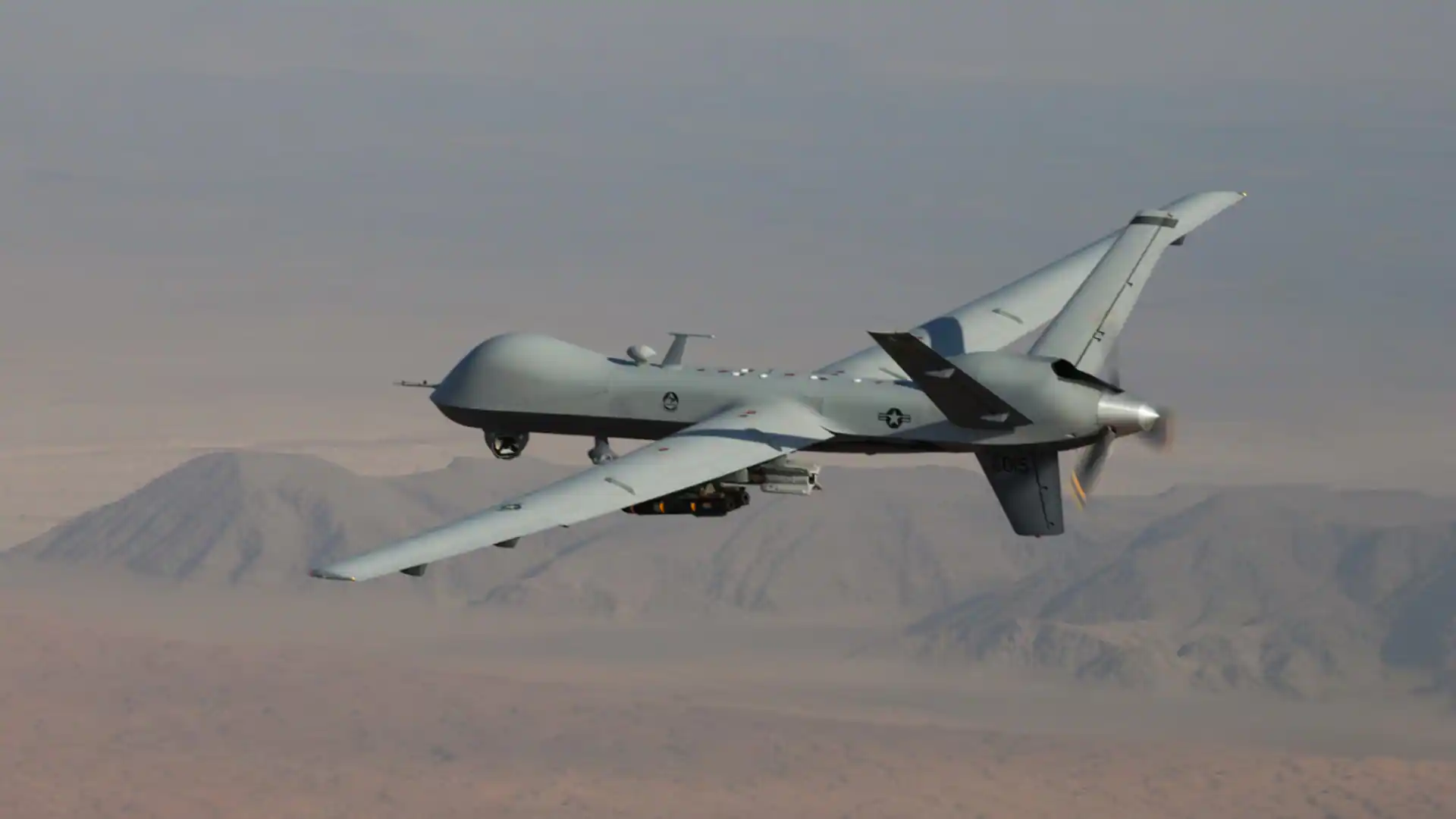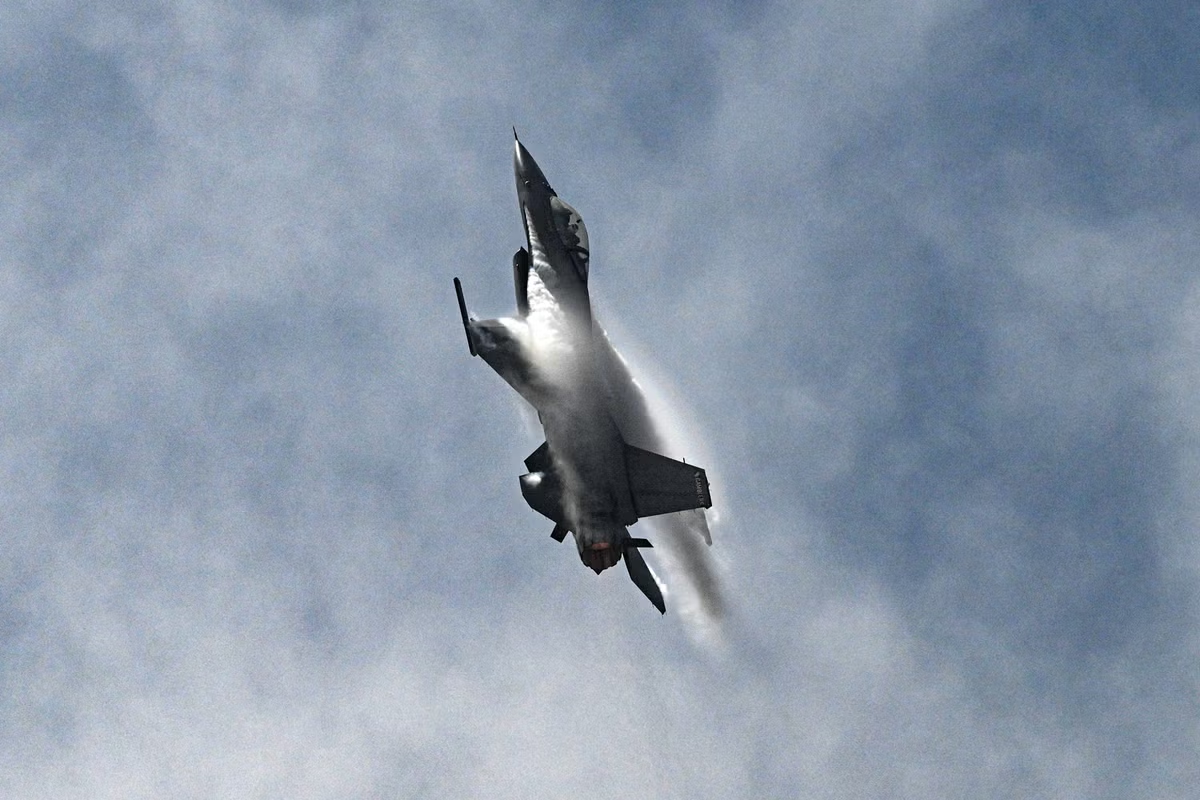
More than 40 U.S. military aircraft have been lost or damaged since the start of the war with Iran, a Congressional report has revealed. Operation Epic Fury has led to the destruction of 42 aircraft, including F-15 fighter jets, an F-35 Lightning II aircraft, drones, and a HH-60W Jolly Green II combat search-and-rescue helicopter due to incidents including friendly fire and combat operations. The F-35A Lightning II alone is worth around $110m, according to the Centre for Arms Control and Non-Proliferation. A single F-15 Strike Eagle fighter jet estimated to cost around $30m when purchased in 1998 is now worth between $65m and $70m when adjusted for inflation. Four have been destroyed in the conflict so far, including three shot down by friendly fire over Kuwait on 2 March in a widely reported incident. A fourth was shot down during combat operations in Iran on 5 April, meaning that the cost of those incidents could be almost $300m. An F-16 fighter jet flies during an exhibition over Las Palmas air base in Lima (AFP/Getty)Among the other incidents recorded in the report are the crash of seven KC-135 stratotanker aerial refueling aircraft over friendly airspace, which could cost around $1.8bn to replace based on US Air Force budget estimates for previous replacement purchases. One of the aircraft crashed in Iraq killing all six aircrew on board while a second made an emergency landing at an undisclosed location on 12 March. The report noted that the Pentagon had revised its estimates for repair and replacement costs from $25 billion to $29 billion over the same period. In total, the 42 planes include four F-15E Strike Eagle fighter jets, one F-35A Lightning II stealth fighter, one A-10 Thunderbolt II attack aircraft, seven KC-135 Stratotanker refuelling aircraft, one E-3 Sentry AWACS surveillance aircraft, two MC-130J Commando II aircraft, one HH-60W Jolly Green II rescue helicopter, 24 MQ-9 Reaper drones and one MQ-4C Triton surveillance drone. The cost of replacing the aircraft are estimated to be around $7bn but valuations of the planes (some now out of production) and their potential replacements vary widely. The congressional report is based on statements made by the U.S. department of defense, Central Command and incidents captured in news reports. Defense secretary Pete Hegseth has repeatedly touted U.S. successes in the Iran war (Getty)Iranian foreign minister Abbas Araghchi mocked the U.S. over the report: “Months after initiation of war on Iran, U.S. Congress acknowledges loss of dozens of aircraft worth billions. Our powerful Armed Forces are confirmed as first to strike down a touted F-35.”President Donald Trump launched strikes on Iran on 28 February killing supreme leader Ayatollah Ali Khamenei and sparking region-wide unrest and an Iranian blockade of the Strait of Hormuz. While Trump has presented the conflict as a successful one, emerging reports indicate that the U.S. has suffered more extensive damage and losses on the battlefield than expected. The congressional report also cites a number of potential issues as a result of the destruction, including budgetary impacts. “Reported losses may provide insights into the survivability of U.S. aircraft in contested environments,” read the report, dated 13 May. “Congress may assess whether reported losses reflect changes in the threat environment or in adversary capabilities.”Donald Trump insists that the U.S. is winning the war but the conflict has hit his approval rating (Getty)It also advised potential changes to future budgets in light of the incidents, stating: “Aircraft losses could generate unplanned costs for their replacement, repair, or sustainment. “Congress may consider whether or not to approve, reject, or modify potential reprogramming actions or supplemental appropriations or to make adjustments to planned procurement and readiness accounts.”Earlier this year, a CNN investigation revealed that a majority of U.S. military sites in the Middle East had been damaged by Iran. At least 16 American military sites, including high value targets were affected in various incidents since the outbreak of the conflict. U.S. intelligence reports on Thursday suggested that Iran is rebuilding its military industrial base faster than expected and has already restarted its drone production. Tehran has begun to replace missile sites and launchers and is reconstructing its production capacity that has been destroyed in the conflict. “The Iranians have exceeded all timelines the IC had for reconstitution,” a U.S. official told CNN.
42 US military aircraft lost or damaged in Iran war during $29bn Operation Epic Fury
Fighter jets, drones and helicopters have been shot down or destroyed, a Congressional report has revealed
712 words~3 min read