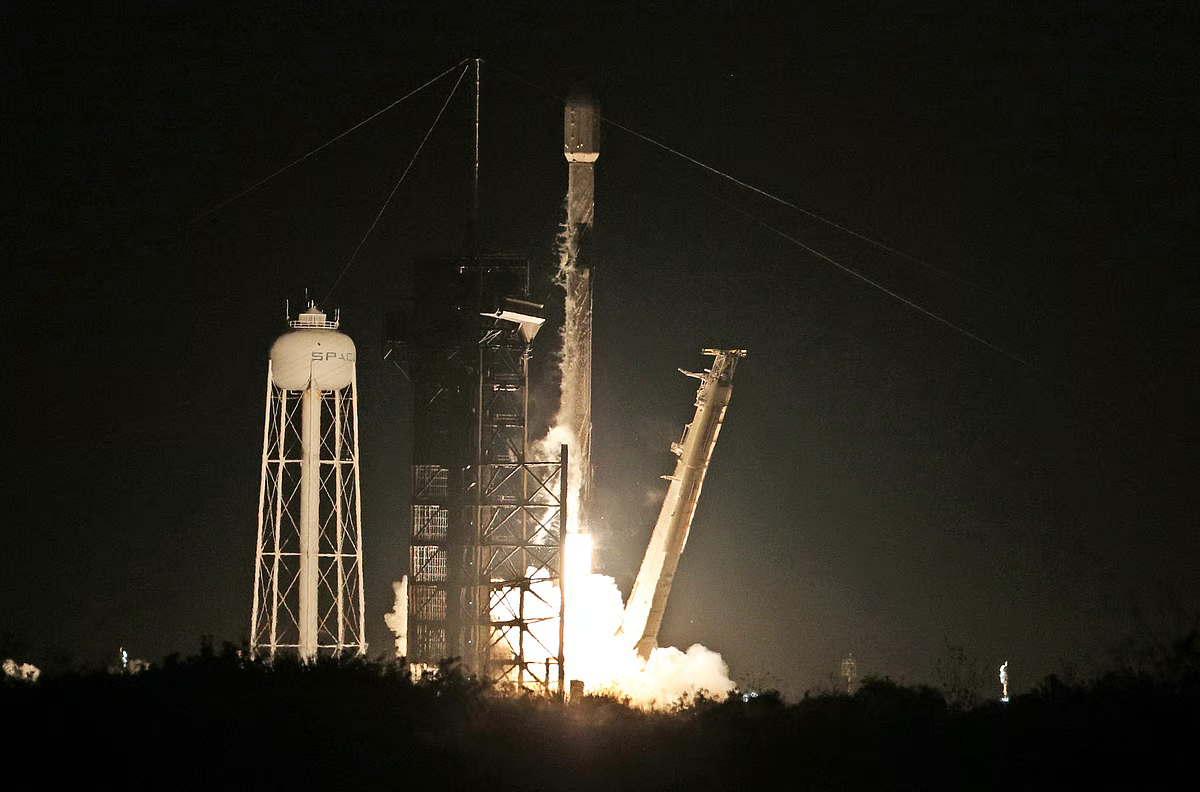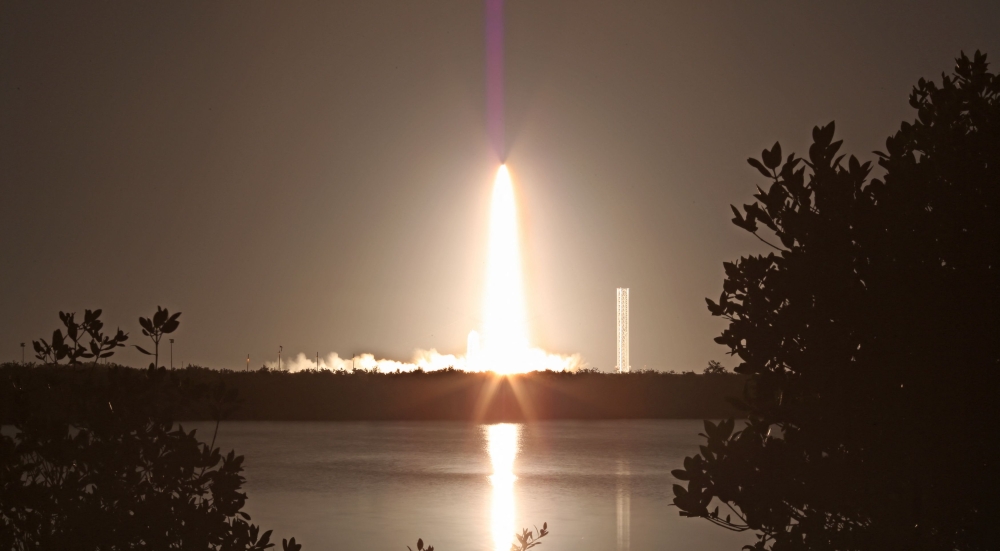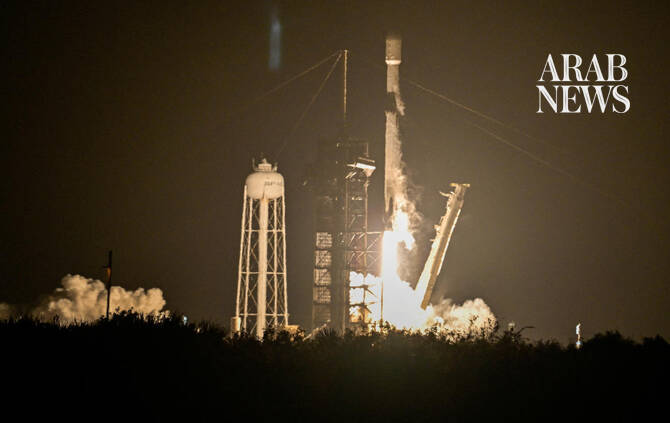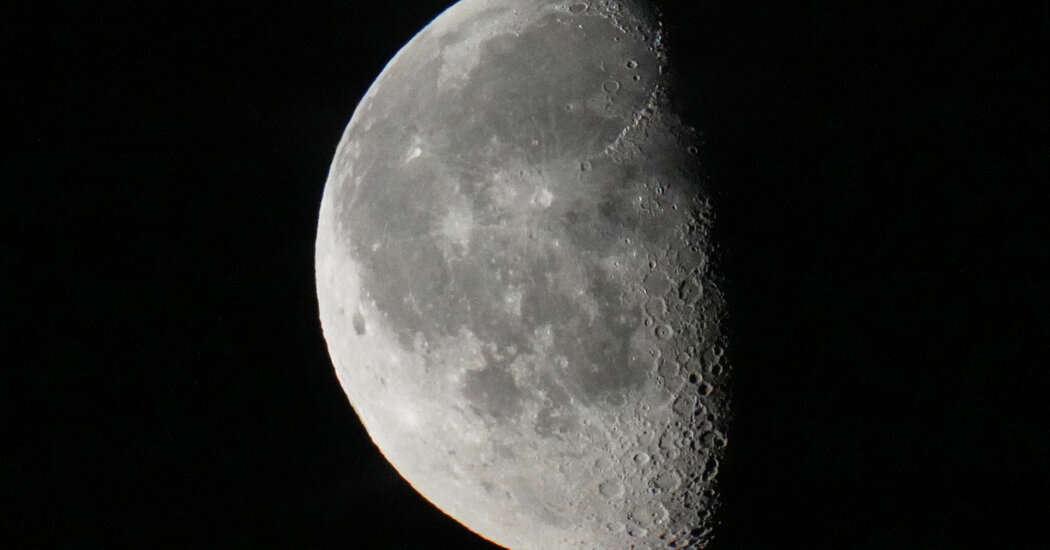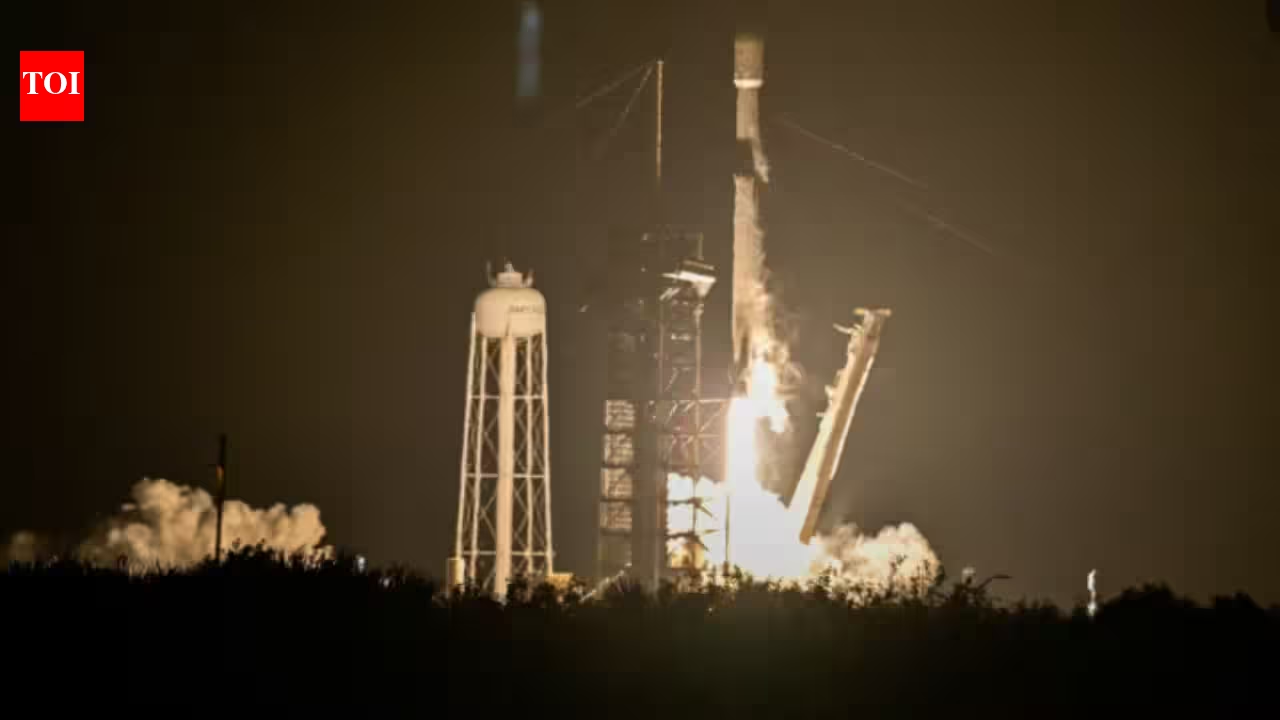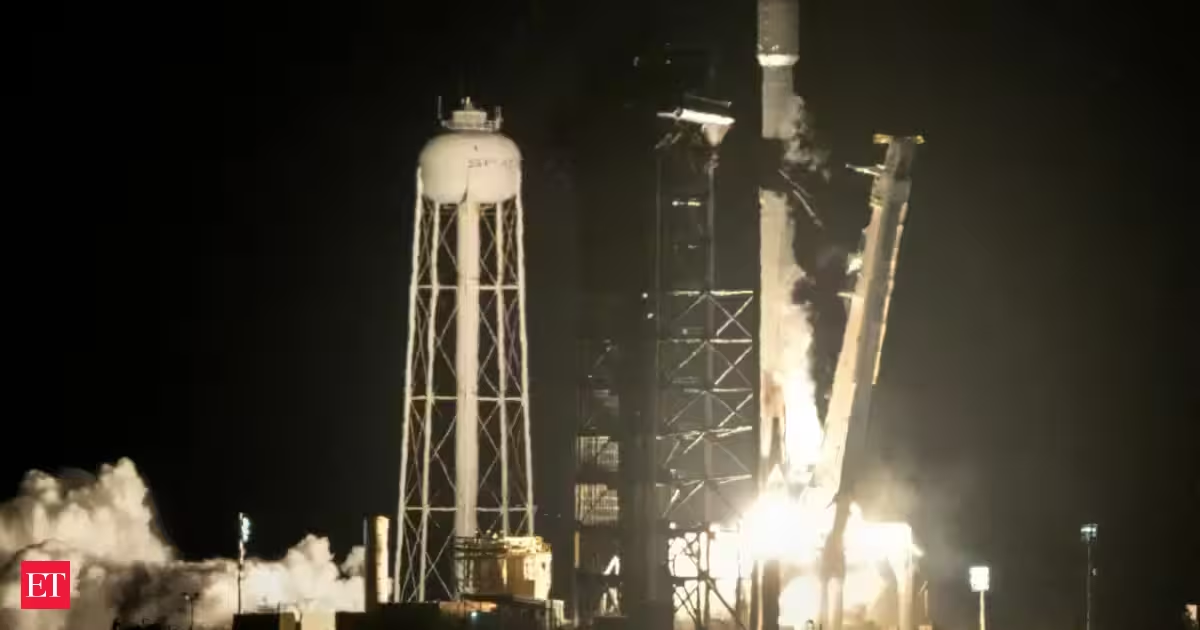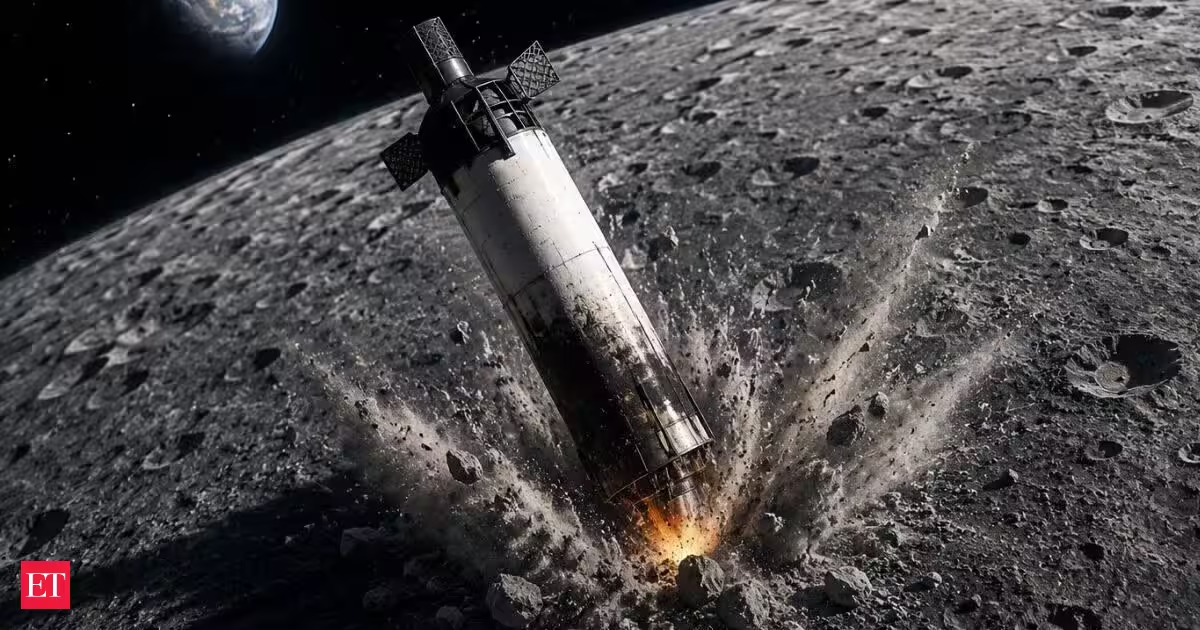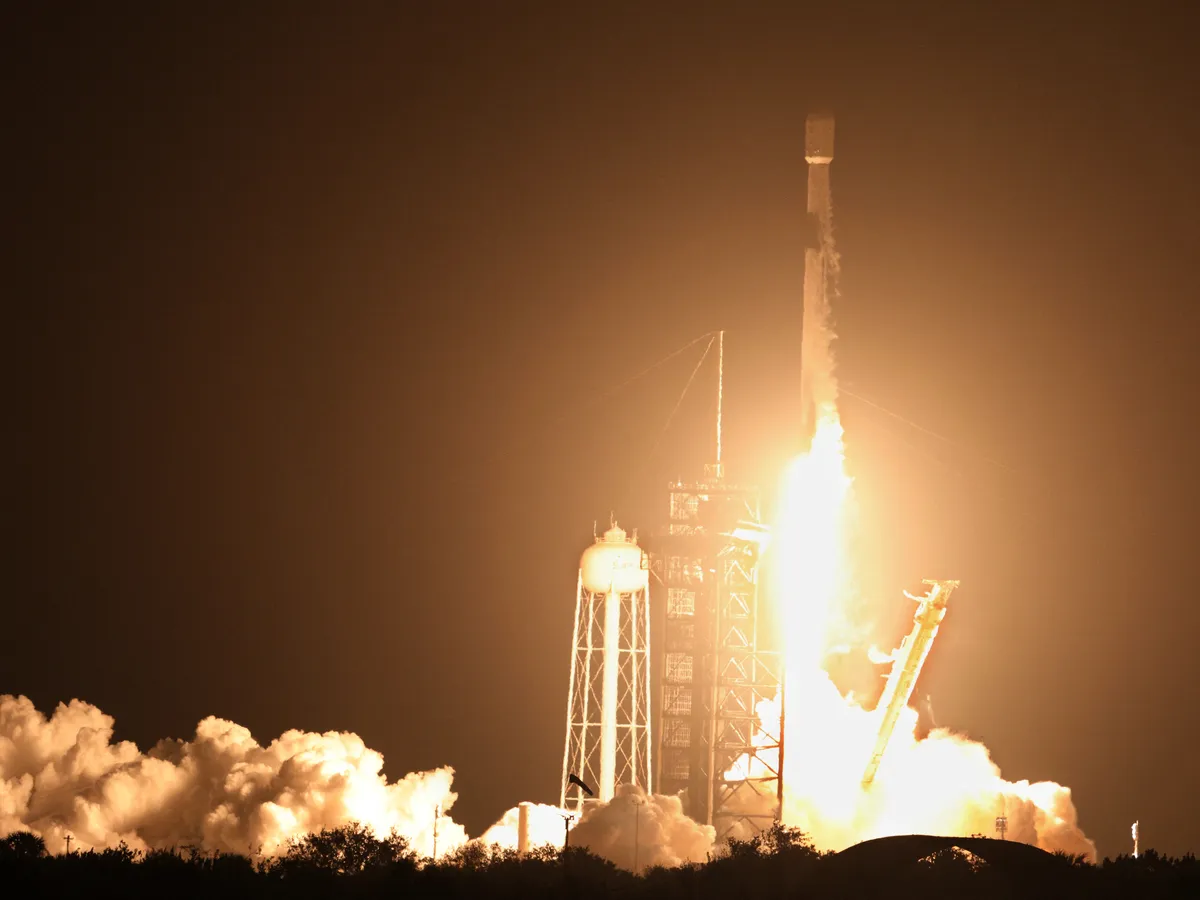
Skip to Content Subscribe Our Offers My Account Manage My Subscriptions FAQ Newsletters Canada Canadian True Crime Canadian Politics Health World Israel & Middle East Financial Post NP Comment Longreads Puzzmo Diversions Comics NP News Quiz New York Times Crossword Horoscopes Life Eating & Drinking Style Sponsored Play for Ontario Travel Travel Canada Travel USA Travel International Cruises Travel Essentials Culture Books Celebrity Movies Music Theatre Television Business Essentials Advice Lives Told Tails Told Shopping Buy Canadian Home Living Outdoor Living Kitchen & Dining Tech Style & Beauty Personal Care Entertainment & Hobbies Gift Guide Travel Guide Amazon Prime Day Deals Savings National Post Store More Sports Hockey Baseball Basketball Football Soccer Golf Tennis Driving Vehicle Research Reviews News Gear Guide Obituaries Place an Obituary Place an In Memoriam Classifieds Place an Ad Celebrations Working Business Ads Archives Healthing Epaper Manage Print Subscription Profile Settings My Subscriptions Saved Articles My Offers Newsletters Customer Service FAQ Newsletters Canada World Financial Post NP Comment Longreads Puzzmo Diversions Life Shopping Epaper Manage Print Subscription HomeNewsSpaceSpaceX rocket stage believed to have slammed into the MoonNo confirmation yet, but 4-tonne Falcon 9 upper stage was expected to hit the moon early Wednesday morningAuthor of the article: You can save this article by registering for free here. Or sign-in if you have an account.A SpaceX Falcon 9 rocket, carrying Firefly Aerospace's Blue Ghost and ispace's Resilience lunar landers, lifts off from Launch Complex 39A at the Kennedy Space Center in Cape Canaveral, Florida, on Jan. 15, 2025. Photo by GREGG NEWTON /AFP via Getty ImagesA four-tonne piece of a SpaceX rocket was believed to have unintentionally crashed into the Moon on Wednesday, a collision that posed no danger to Earth but is expected to leave behind a lunar crater.Enjoy the latest local, national and international news.Exclusive articles by Conrad Black, Barbara Kay and others. Plus, special edition NP Platformed and First Reading newsletters and virtual events.Unlimited online access to National Post.National Post ePaper, an electronic replica of the print edition to view on any device, share and comment on.Daily puzzles including the New York Times Crossword.Support local journalism.Enjoy the latest local, national and international news.Exclusive articles by Conrad Black, Barbara Kay and others. Plus, special edition NP Platformed and First Reading newsletters and virtual events.Unlimited online access to National Post.National Post ePaper, an electronic replica of the print edition to view on any device, share and comment on.Daily puzzles including the New York Times Crossword.Support local journalism.Create an account or sign in to continue with your reading experience.Access articles from across Canada with one account.Share your thoughts and join the conversation in the comments.Enjoy additional articles per month.Get email updates from your favourite authors.Create an account or sign in to continue with your reading experience.Access articles from across Canada with one accountShare your thoughts and join the conversation in the commentsEnjoy additional articles per monthGet email updates from your favourite authorsSign In or Create an AccountorWhile there is not yet official confirmation that the Falcon 9 upper stage struck the lunar surface, it had been expected to make impact at approximately 2:35 a.m. ET.NASA and its Lunar Reconnaissance Orbiter probe and South Korea’s Pathfinder Lunar Orbiter were planning to take images of the site after impact, but it may take days to receive that information.Get a dash of perspective along with the trending news of the day in a very readable format.By signing up you consent to receive the above newsletter from Postmedia Network Inc.A welcome email is on its way. If you don't see it, please check your junk folder.The next issue of NP Posted will soon be in your inbox.We encountered an issue signing you up. Please try againScientists and amateur stargazers alike had been looking forward to observing the sunlit plume of rubble and debris created by the smash.“It might be possible for folks with a telescope to observe the plume of ejecta created by the impact,” said Benjamin Fernando of Los Alamos National Laboratory in New Mexico, the lead author on a recent paper on the anticipated impact.“It is unclear how bright it will be, which is one of the reasons why we are looking to study this event,” the researcher told AFP before impact.Assuming all of the propellant is spent, authors of the paper estimate the spacecraft weighs approximately 8,800 pounds or 4,000 kilograms.It was expected to slam into the Moon’s northern hemisphere near the Einstein Crater, at some 8,700 kilometres per hour.“There is no danger to Earth,” said NASA spokesperson Jimi Russell in a statement. “NASA will continue to track the booster for training purposes, as well as later observe the impact site for scientific purposes.”The Falcon 9 rocket made by Elon Musk’s SpaceX firm took off in January 2025, carrying two lunar landers. The booster returned to Earth, but the upper stage stayed in space to push the landers onward.Generally, for such “high-energy missions” SpaceX performs a manoeuvre to make sure the second stage “is safe per the appropriate rules and regulations,” said Julianna Scheiman, director of NASA Science and Dragon Programs at SpaceX, at a Monday news conference.“We did that,” she continued, but “what has happened is essentially a mixture of solar activity and gravity forces have put it on a path towards the Moon.”Like many scientists, Scheiman added she was “very excited” to see the impact.The paper authors encouraged both professional and amateur astronomers to attempt viewing or recording the collision.“This event provides an opportunity to test a pipeline for localizing impacts on the lunar surface for future seismic experiments, investigating the dust and plume dynamics from impact events on the Moon, and considering hazards from artificial space debris impacts,” wrote the research team.NASA hopes to soon establish a sustained human presence on the Moon, making it critical to better understand space debris in lunar orbit.The Moon routinely weathers impact from space debris including meteoroids. Artificial collisions are less common.In the 1970s, the U.S. space agency carried out deliberate crashes during its Apollo program to collect seismic data.The rocket stage had been just one many pieces of “space junk” orbiting Earth. There are more than 46,000 pieces of space debris weighing a total of 17,000 tonnes currently in orbit, the European Space Agency said in late July.Some experts have warned that amassing too much space junk around Earth could lead to a dangerous chain reaction of collisions known as the “Kessler syndrome.”Our website is the place for the latest breaking news, exclusive scoops, longreads and provocative commentary. Please bookmark nationalpost.com and sign up for our newsletters here. Join the Conversation This website uses cookies to personalize your content (including ads), and allows us to analyze our traffic. Read more about cookies here. By continuing to use our site, you agree to our Terms of Use and Privacy Policy.
SpaceX rocket stage believed to have slammed into the Moon
No confirmation yet, but 4-tonne Falcon 9 upper stage was expected to hit the moon early Wednesday morning.
1,131 words~5 min read