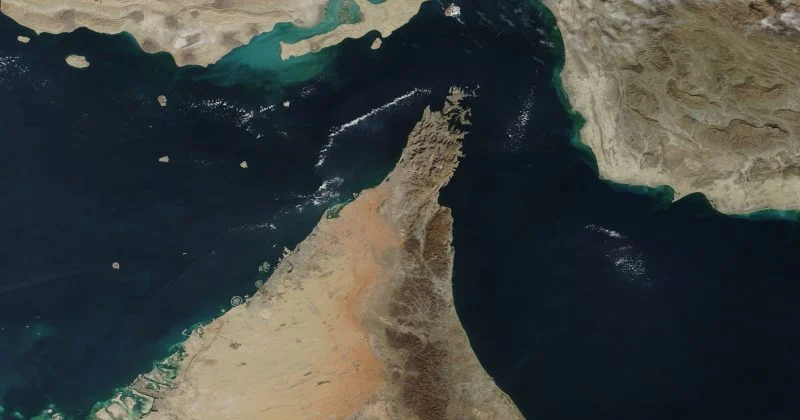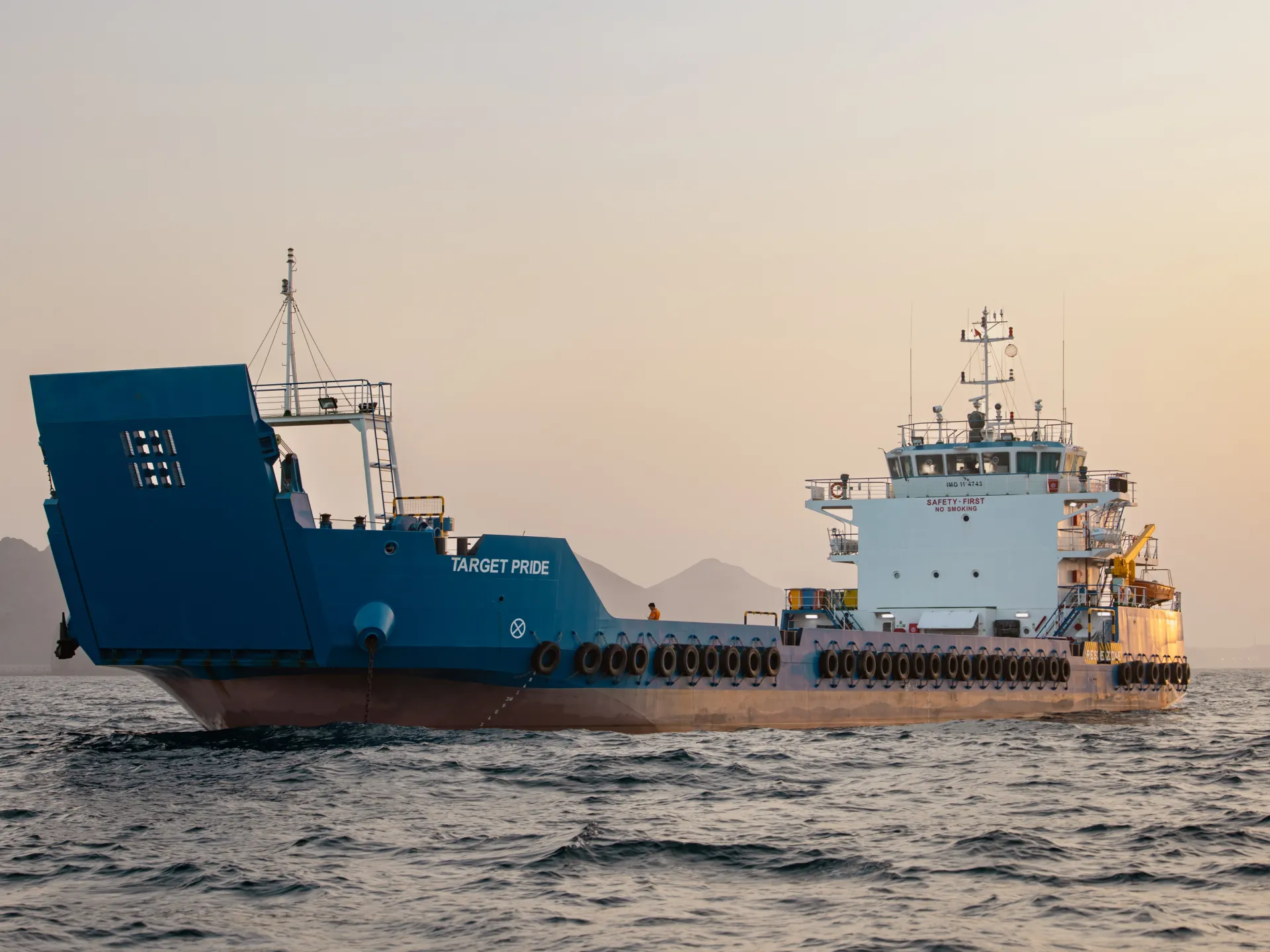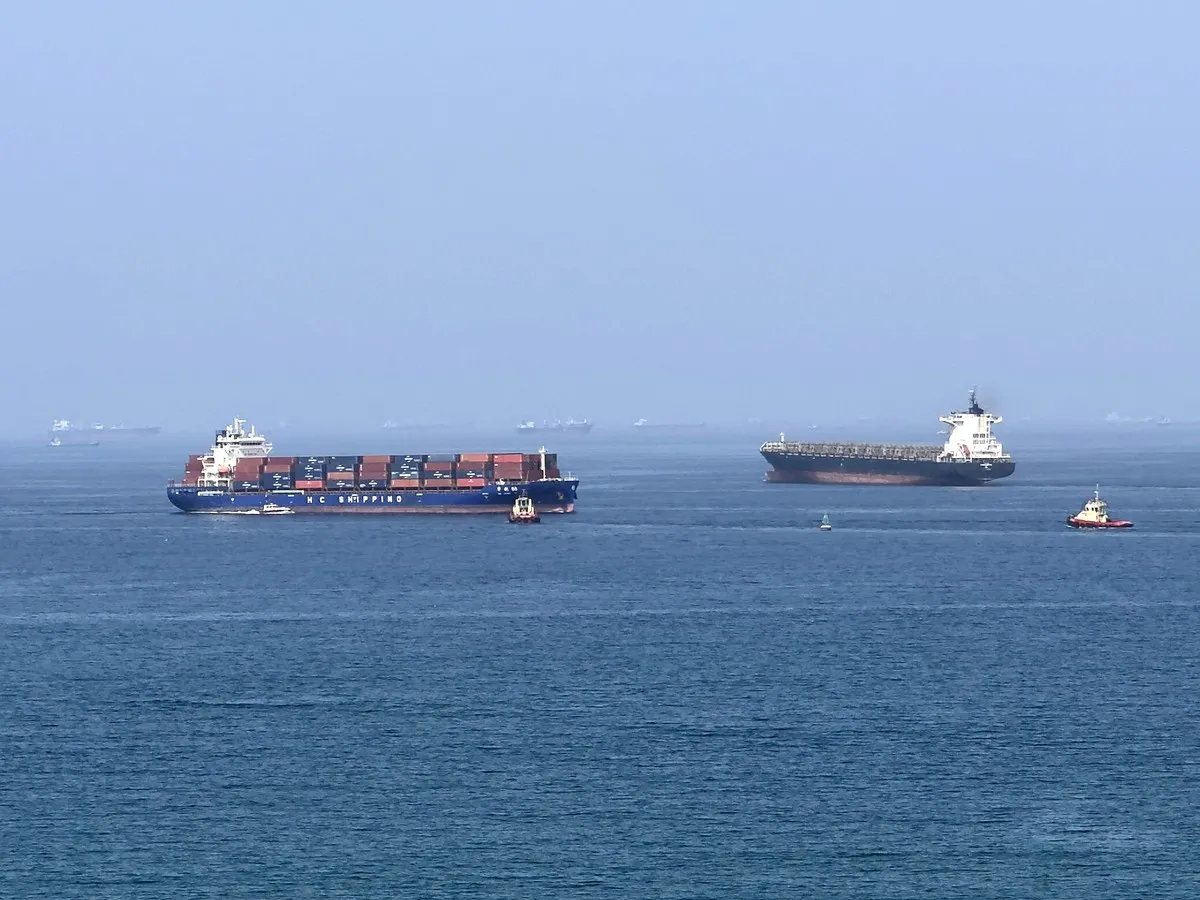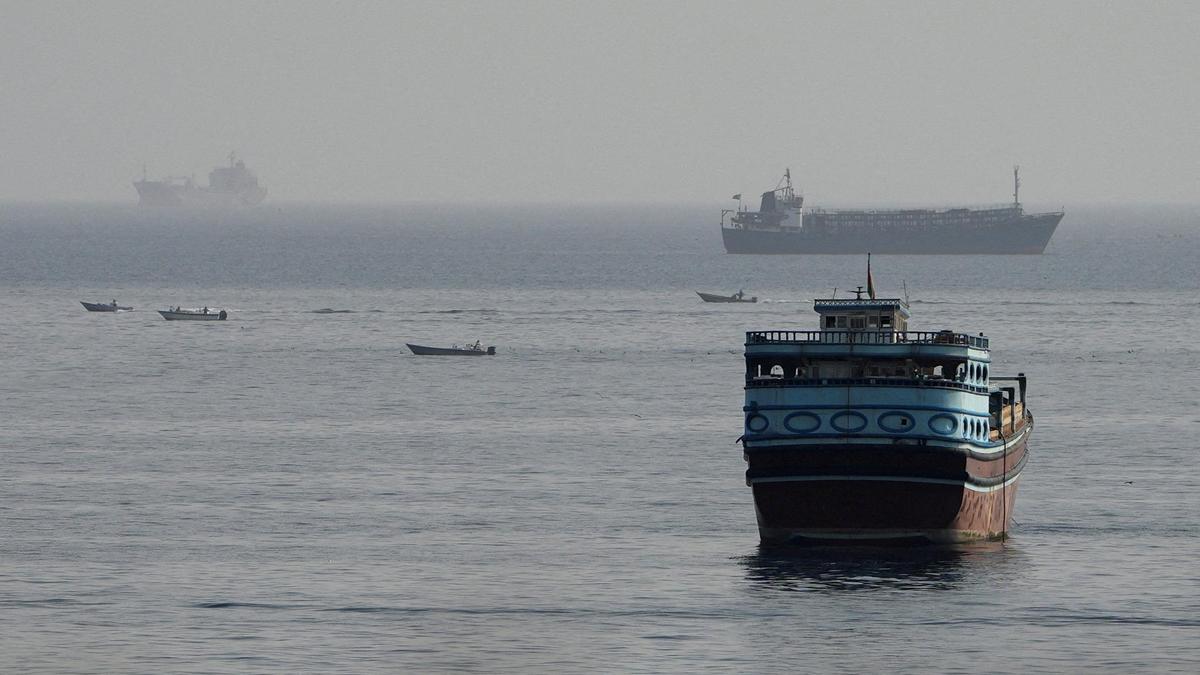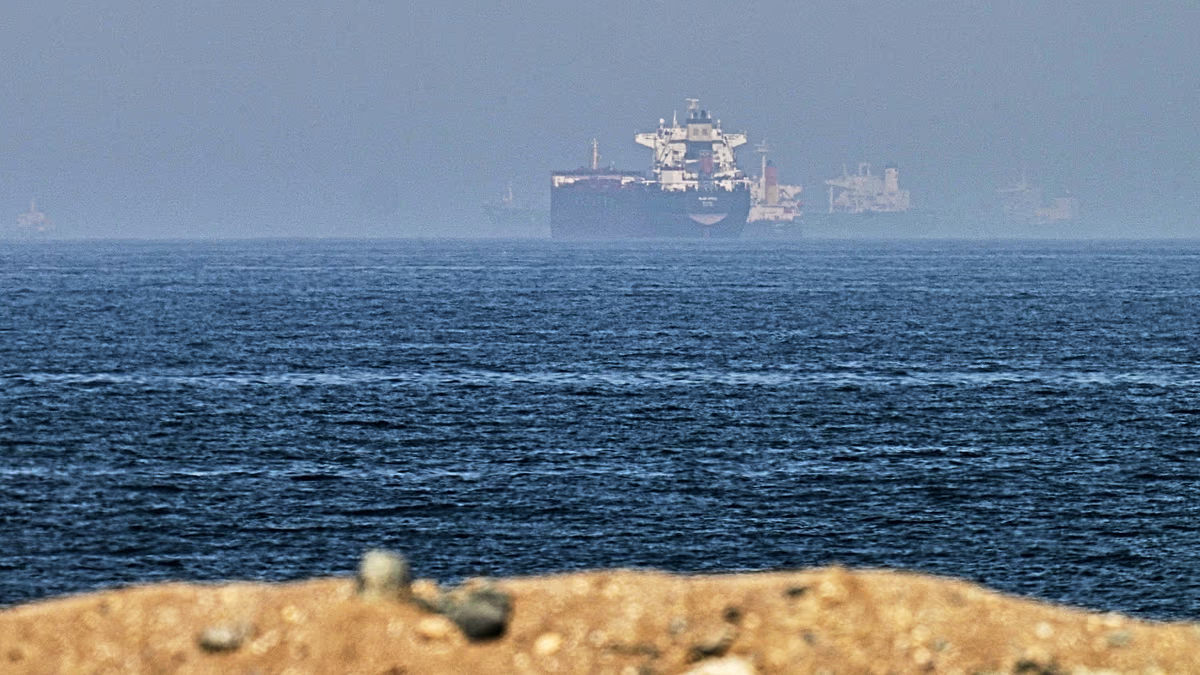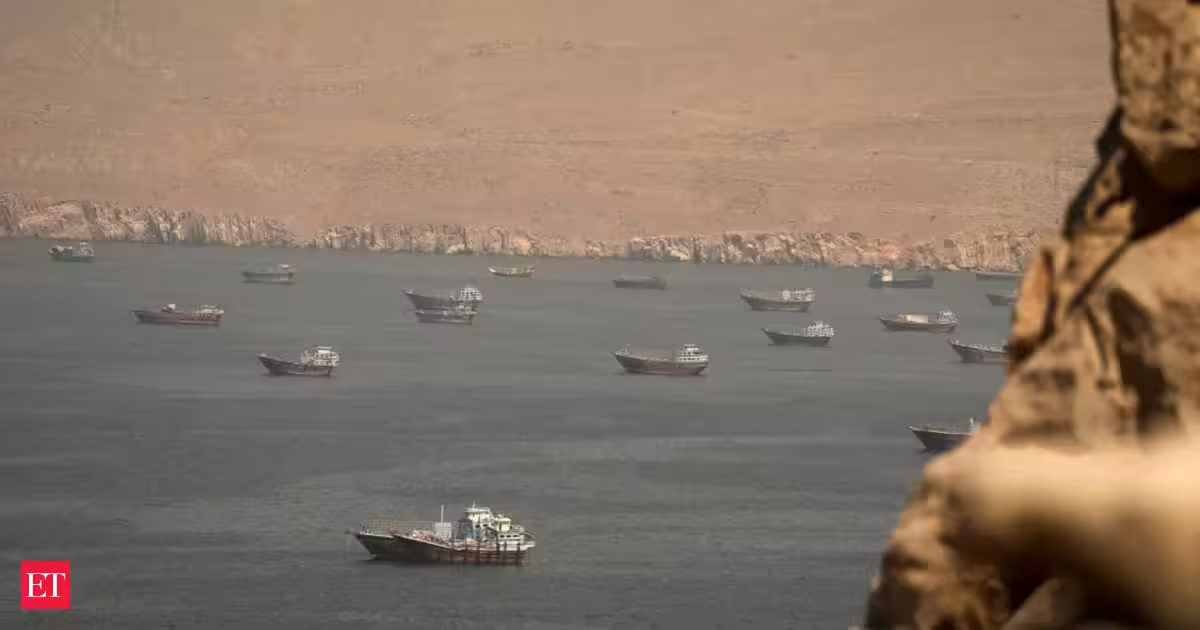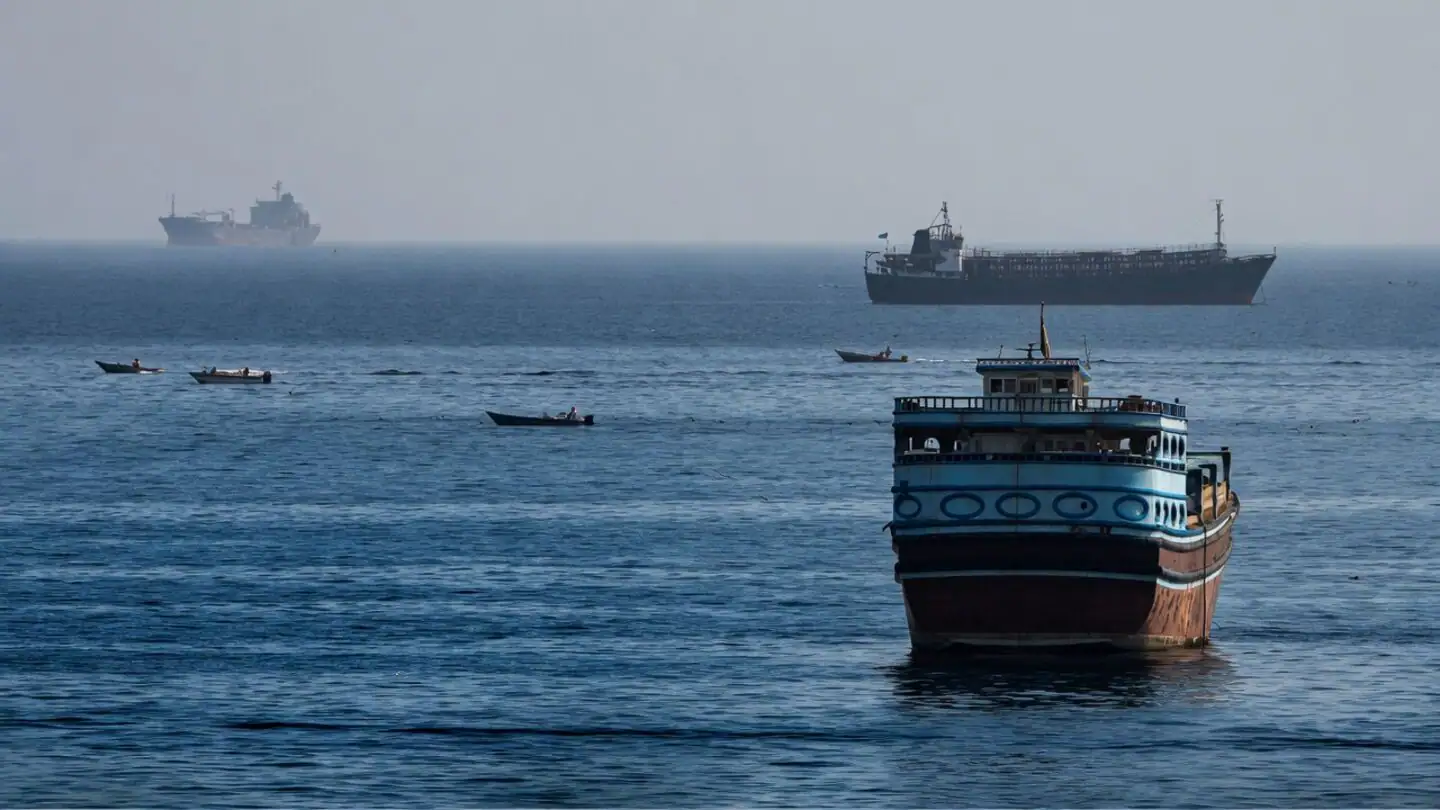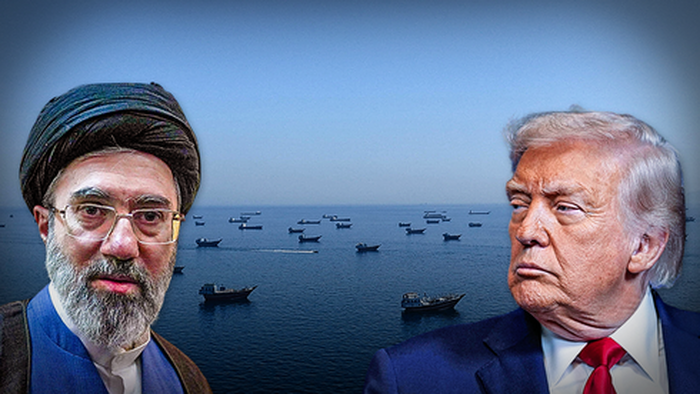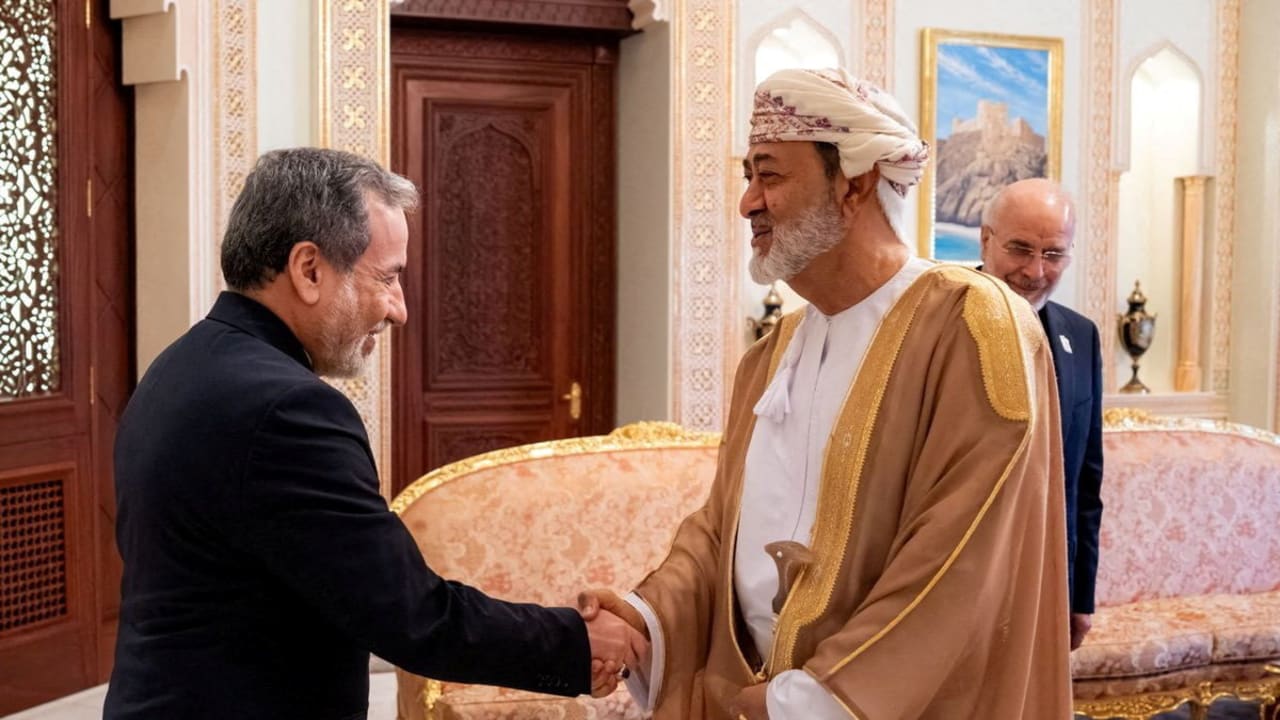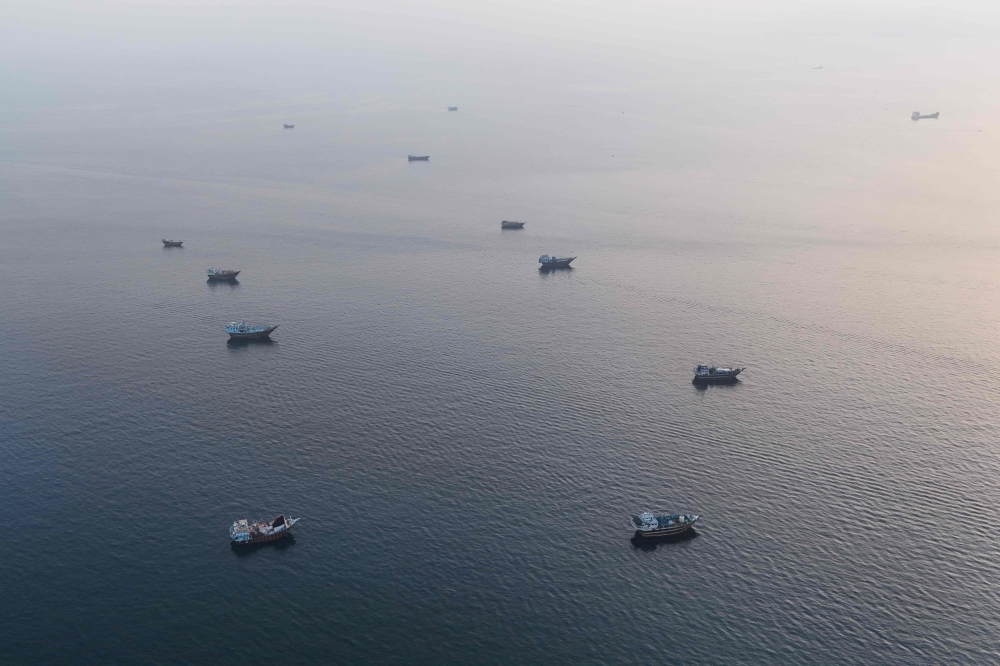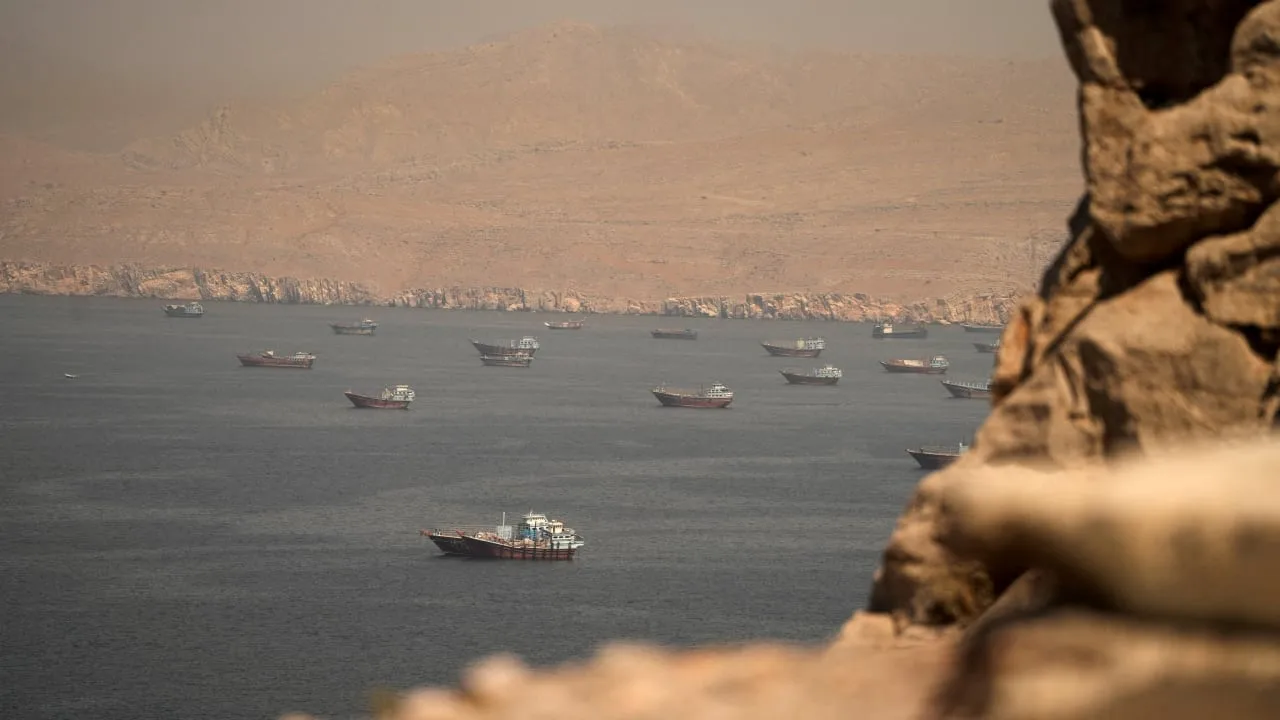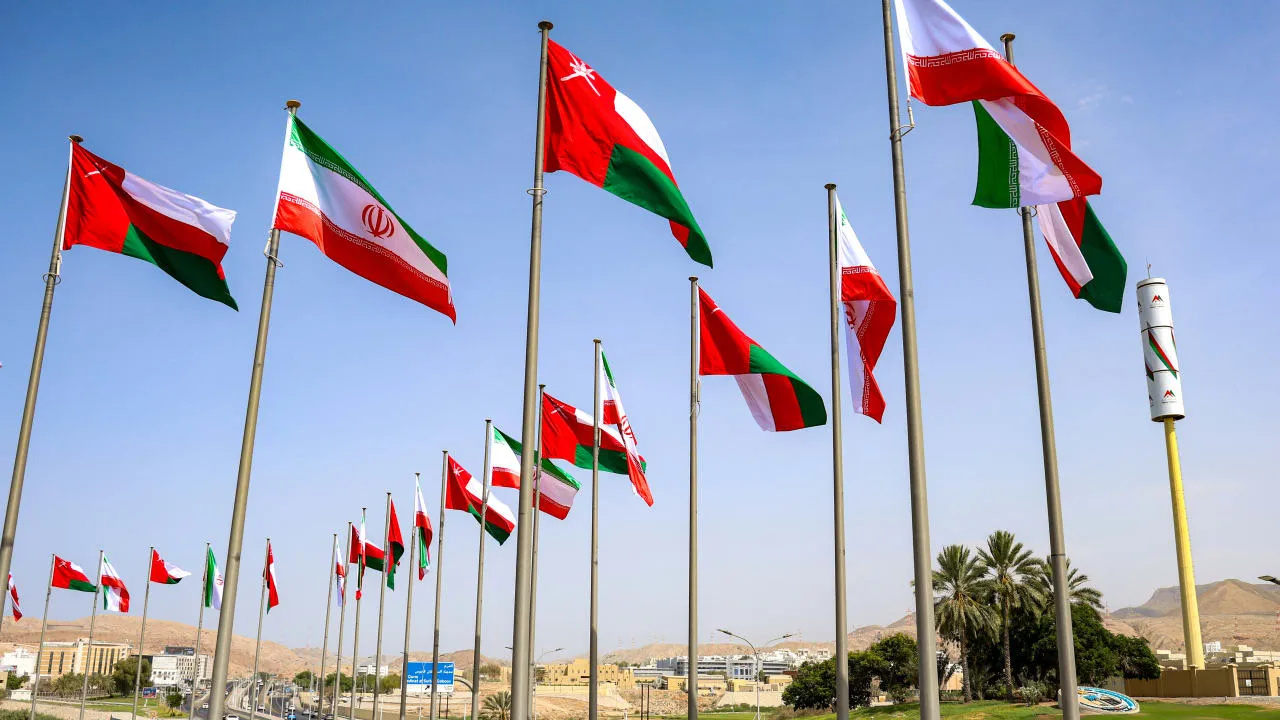
Jerusalem Post/Middle East/Iran NewsNegotiations regarding a permanent solution for the Hormuz are set to continue during the period of the agreement, as well as nuclear talks.Follow us on GoogleThe flags of Oman and Iran fly along a highway in Muscat during the visit of the Iranian president on May 27, 2025.(photo credit: HAITHAM AL-SHUKAIRI/AFP via Getty Images)ByAMICHAI STEINAUGUST 5, 2026 16:06Ships transiting the Strait of Hormuz will be required to coordinate with Iran even when exiting from the Omani side, two diplomatic sources told The Jerusalem Post on Wednesday, citing a temporary agreement between the two countries.According to the agreement, which will last 60 days, ships must enter the strait on the Iranian side and must exit from the Omani side.Over the course of the agreement, mines will be cleared from the central sections of the waterway, most of which are on the Omani side.In addition, the sources told the Post that transiting vessels will not be charged fees, despite Iranian demands, with the potential for ships to pay voluntary "insurance, environmental quality fees." aps4media-processed Sentinel-2 satellite imagery shows a broad overview of the Strait of Hormuz, including the Musandam Peninsula, nearby islands, coastal shallows, and the narrow maritime corridor linking the Persian Gulf with the Gulf of Oman. (credit: Photo enhanced and published by maps4media via Getty Images)Iran likely to emphasize paying of voluntary feesThe sources noted that Iran will likely emphasize that it is worthwhile for ships to pay the voluntary fees.Negotiations regarding a permanent solution for the Hormuz are set to continue during the period of the agreement, as well as nuclear talks.Follow us on Google
Strait agreement requires vessels to coordinate with Tehran on Omani side | The Jerusalem Post
Negotiations regarding a permanent solution for the Hormuz are set to continue during the period of the agreement, as well as nuclear talks.
269 words~1 min read