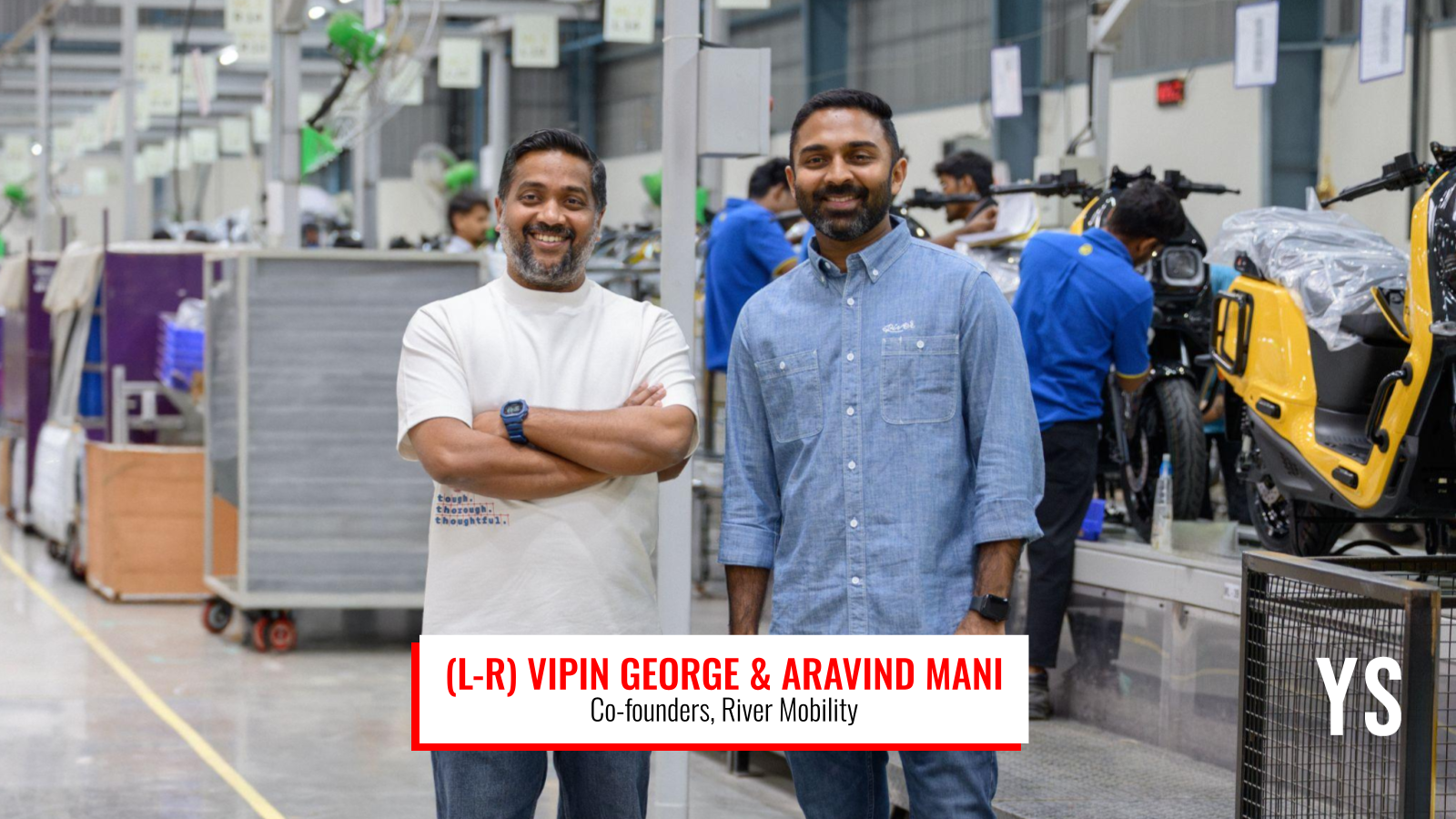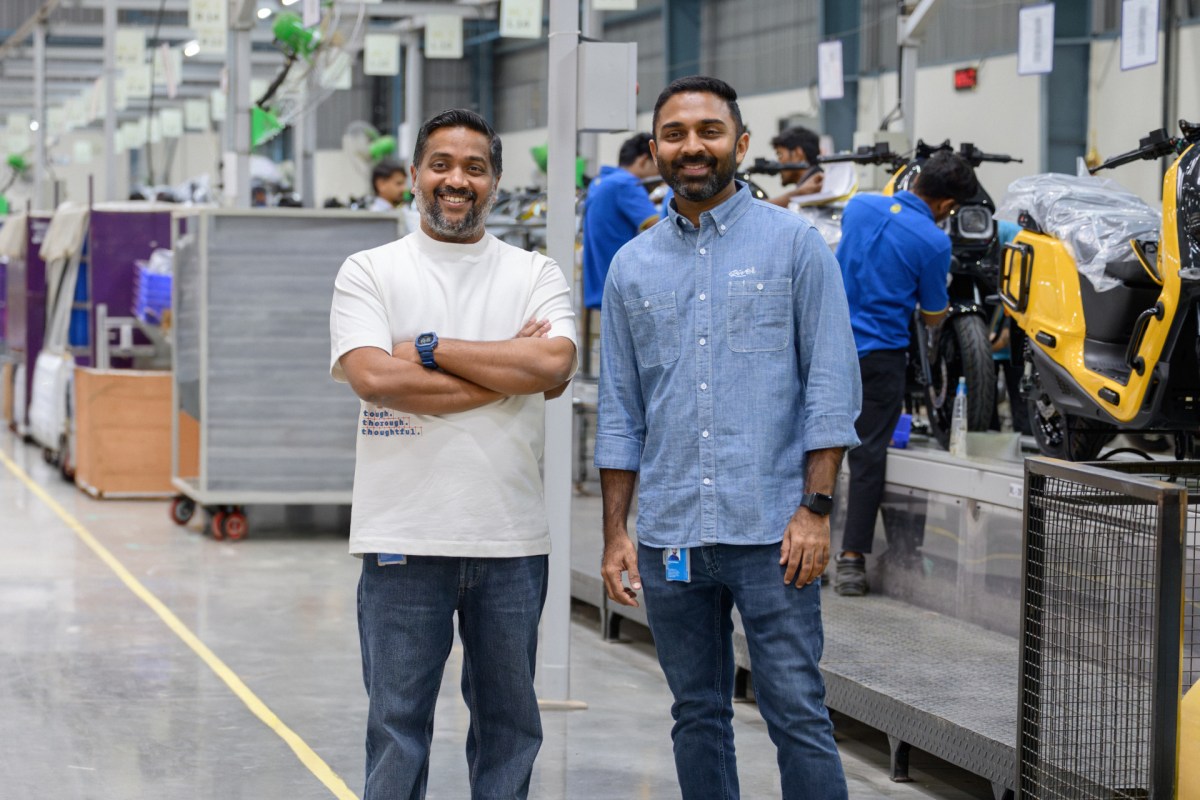
Aravind Mani, co-founder and CEO, River Mobility
| Photo Credit:
Electric two-wheeler maker River Mobility is expanding beyond its single-product strategy with plans to launch two new electric scooters, including a more affordable model, as it looks to scale volumes and strengthen its position in India’s fast-growing EV market.The Bengaluru-based start-up, which on Tuesday announced a $120 million Series C funding round led by Elev8 Venture Partners and Claypond Capital, said the first of the new scooters will be launched by mid-2027. While both products will remain within River’s utility lifestyle positioning, they will cater to different price points.“The first product will roll out in the middle of 2027. Both products will be in the utility lifestyle category, but the pricing will be different. One of the products will be a slightly lower-priced EV scooter,” co-founder and chief executive Aravind Mani told businessline.portfolio expansionThe move marks River’s first portfolio expansion since it launched the Indie scooter in 2023. The company has so far differentiated itself through a utility-focused offering instead of competing purely on price or performance. The broader portfolio is expected to help River target a wider customer base at a time when incumbent manufacturers such as TVS Motor, Bajaj Auto and Hero MotoCorp, along with startups including Ather Energy and Ola Electric, are expanding their EV line-ups.Alongside the product expansion, River is preparing for a major manufacturing scale-up. The company plans to begin construction of a greenfield factory within the next two months, which will significantly expand production capacity beyond its existing plant on the outskirts of Bengaluru.“We are starting work on the next factory in the next 45 to 60 days. That is going to be a greenfield development. We are looking for a capacity of around seven to eight times the current capacity,” Mani said.“The first phase we want to get it operational in around 10 to 12 months.”River’s current factory has a monthly production capacity of 10,000 units and is already nearing its limits as sales continue to rise. The company said it sold around 6,000 vehicles last month and expects to cross 7,000 units this month, while planning to expand its retail footprint to about 200 stores by March 2027.The fresh capital will fund the new manufacturing facility, new product development and expansion of its distribution network. Mani said around 30-40% of the proceeds will be allocated towards the factory, research and development, and future products, while the overall investment in the new facility is expected to be $50-60 million over the next three to four years.As it scales, the company is also targeting profitability. River expects to achieve EBITDA break-even once monthly sales reach around 25,000 units.“The EBITDA profitability will happen at around 25,000 units a month. Today we are at around 6,000 to 7,000 units a month,” Mani said, adding that higher production volumes, greater vertical integration and supplier efficiencies would improve margins.On the policy front, Mani said Delhi’s proposed electric vehicle policy, which seeks to accelerate EV adoption by discouraging new petrol-powered two-wheelers, could become a template for other states.“I think other States will follow soon,” he said.However, Mani said newer EV manufacturers continue to be disadvantaged under the existing Production Linked Incentive (PLI) scheme, which largely benefits larger incumbents.“The only ask is a level playing field. It cannot be that there are five companies out there who get a PLI benefit, creating a 12-13 per cent cost advantage compared to players like us,” he said, adding that the company has made representations to the Centre to widen the scheme’s eligibility.Published on August 5, 2026