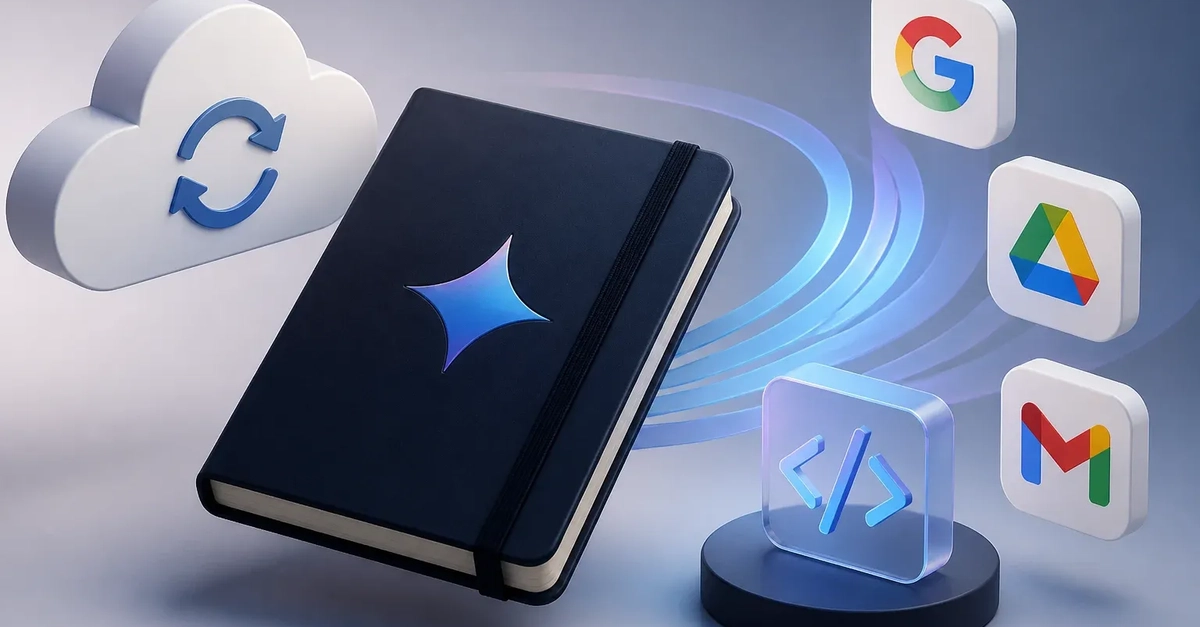
Google is expanding its notebook-based research and creation experience under a new name: Gemini Notebook. The change brings NotebookLM into the wider Gemini ecosystem, positioning notebooks as persistent knowledge bases that can organize files and chats, provide context for Gemini responses, and support downloadable outputs including charts, PDFs, spreadsheets, and images.
The most important confirmed development is not a single universal deployment milestone. Google has described a staged rollout: web access was scheduled to become available to Google AI Ultra, Pro, and Plus subscribers in April 2026, while mobile availability was planned for the following weeks. In July, Google said NotebookLM was becoming Gemini Notebook and that the renamed experience would roll out across interfaces over subsequent weeks.
Google's Workspace Updates announcement on the Gemini Notebook rebrand is the clearest first-party description of the broader transition. It indicates that the change is intended to extend beyond a standalone NotebookLM destination and become part of the Gemini product experience for users who already have NotebookLM access.
What Gemini Notebook changes
The rebrand matters because it connects two previously distinct contexts: work done in NotebookLM and interactions in the Gemini app. Google describes notebooks as personal knowledge bases that can sync across both products. In practice, that means the files and chat context collected in a notebook can inform Gemini interactions without treating each conversation as a separate, disconnected task.