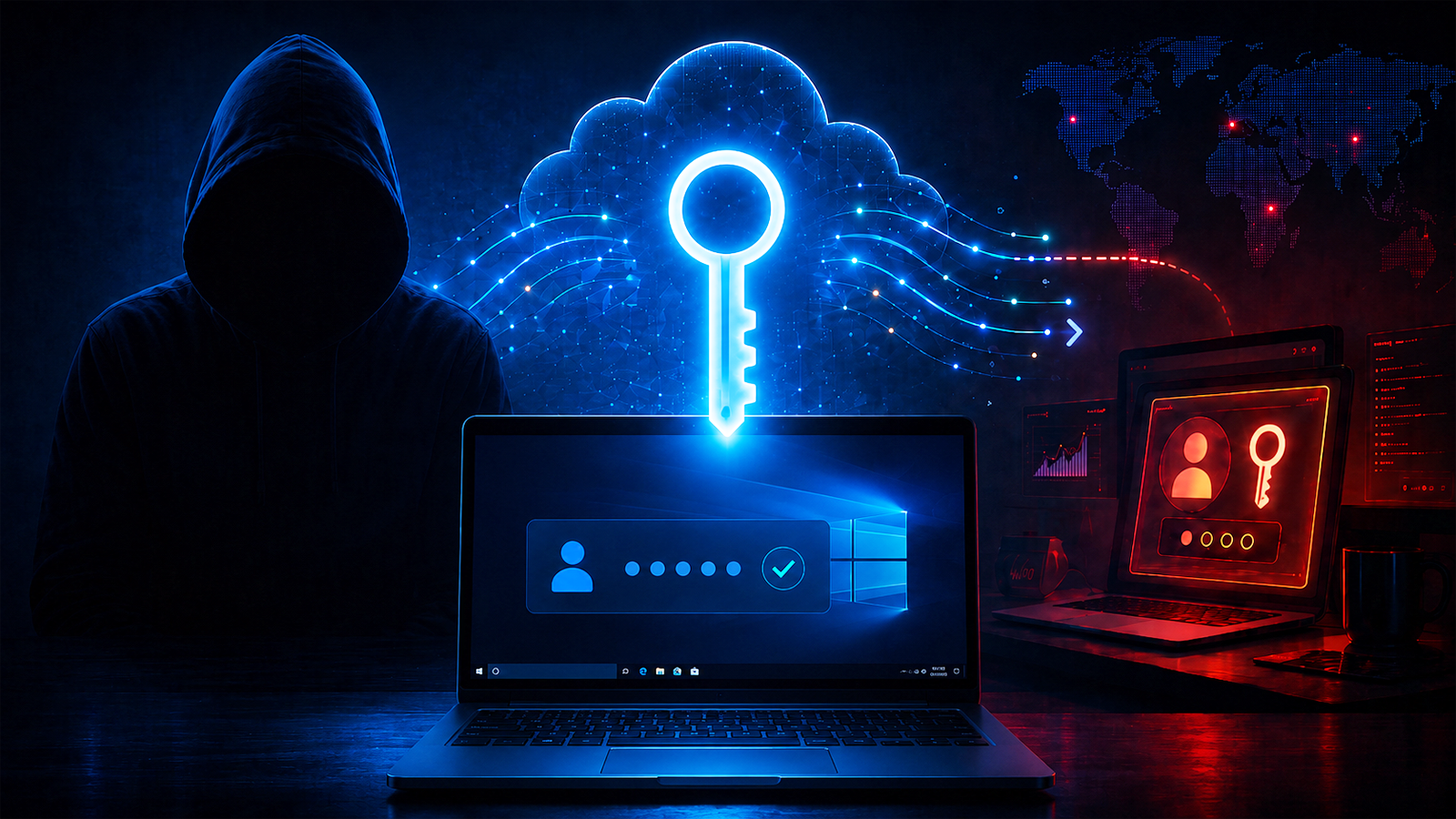
Passkeys were supposed to make stolen passwords a thing of the past. No password to phish, no secret to reuse, and no string of characters sitting in a database waiting to be leaked.
Over time, it’s thought that passkeys will replace passwords entirely. But what happens when malware steals the master key?
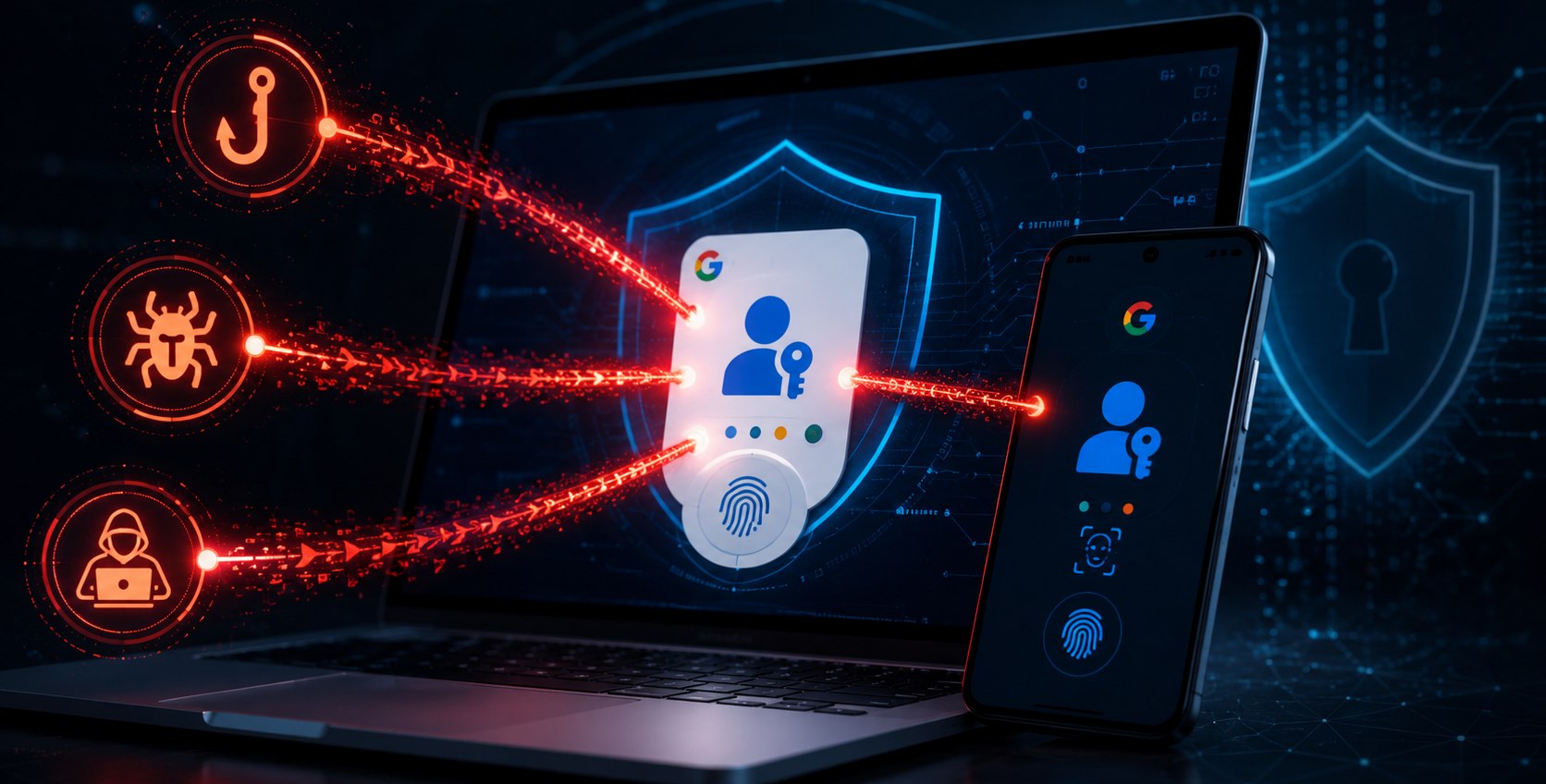
Researchers have found a way for malware to hijack passkey-protected accounts through Google Password Manager, highlighting an important exception: passkeys can be very secure but the software surrounding them still has weaknesses.
What are passkeys?
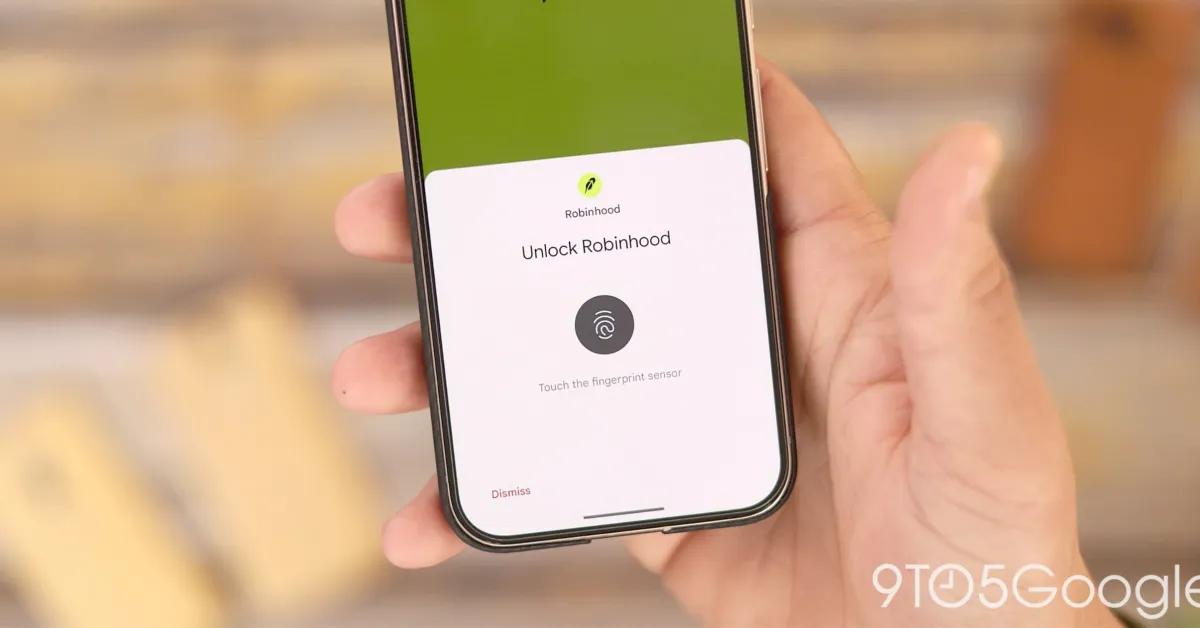
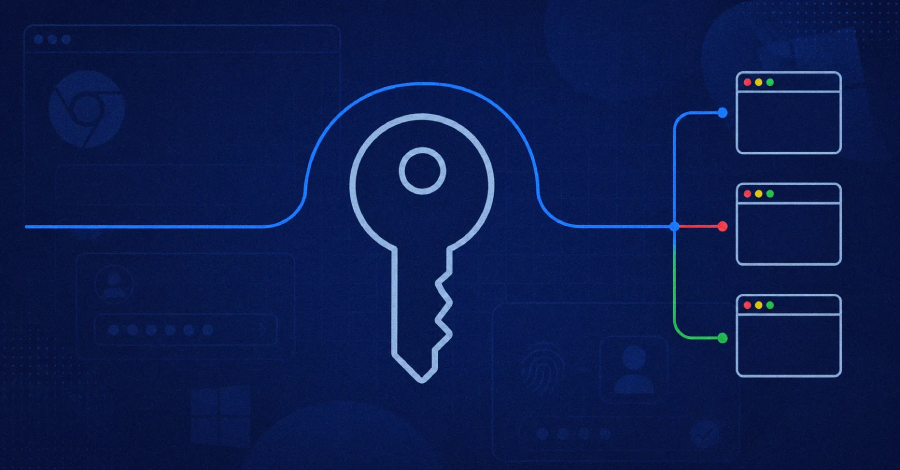
Passkeys are a password replacement based on public‑key cryptography. Instead of a secret you remember and type, each account gets a key pair where the private key never leaves your devices, and the website only ever sees the public key and signed challenges. Because there’s nothing reusable to phish or reuse on another site, passkeys are marketed as “phishing‑resistant” and safer than passwords stored in a browser or password manager.