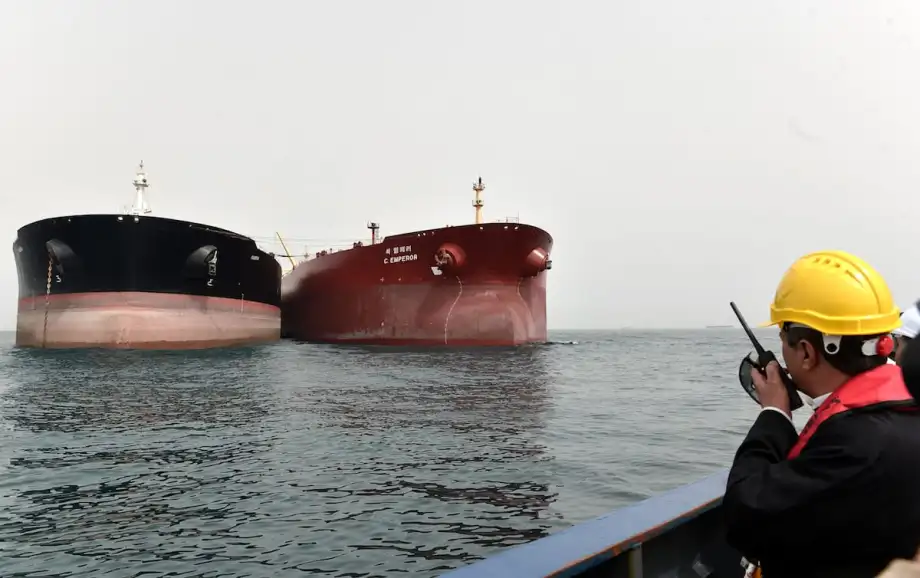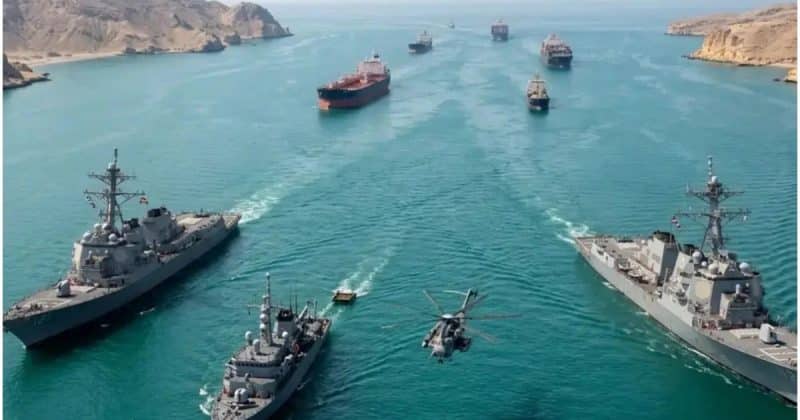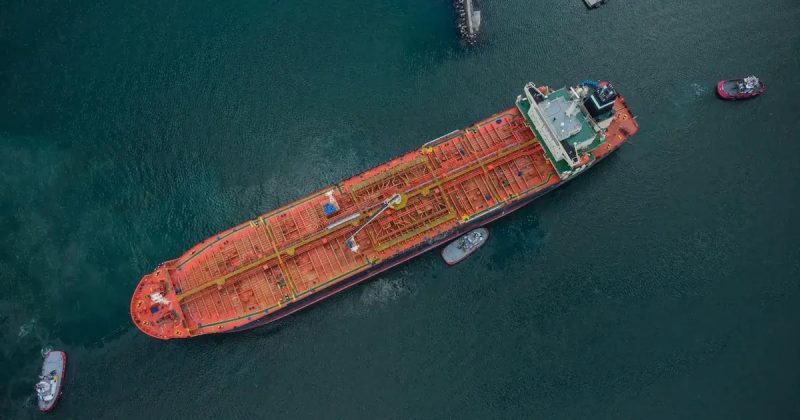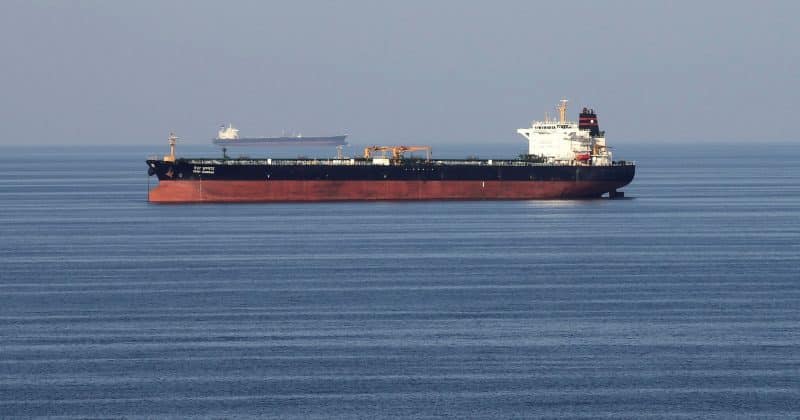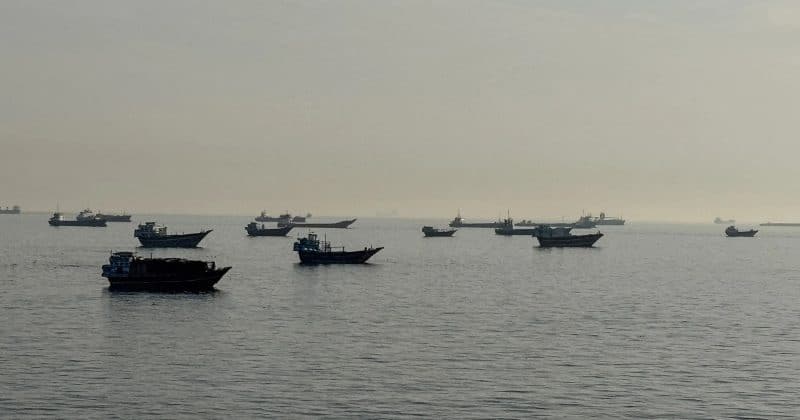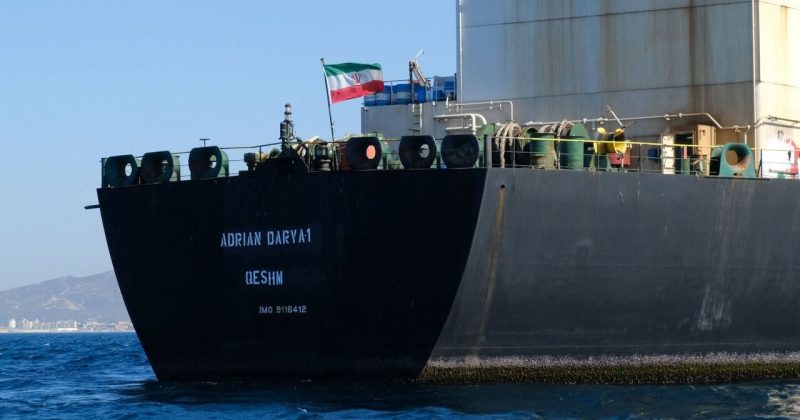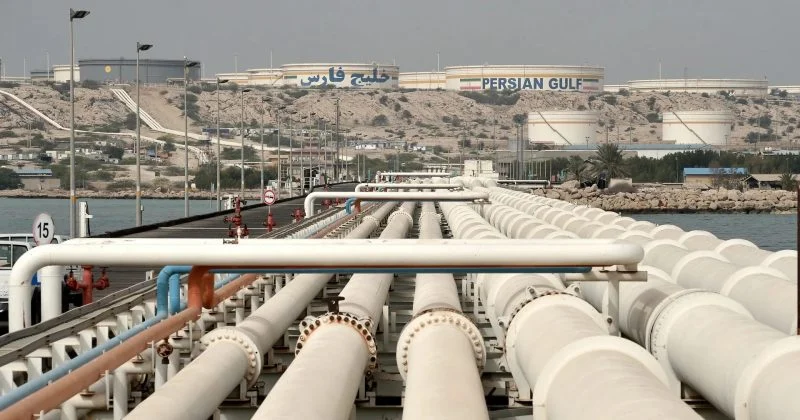
A flotilla of Iranian oil tankers is sitting motionless off the country’s coastline. The US naval blockade that kicked off on April 13 has effectively strangled Tehran’s ability to move crude, creating a maritime parking lot that tells you everything about the current state of Iranian energy exports.
Iran’s oil shipments collapsed 93% in May to roughly 65,000 barrels per day, down from over 2 million bpd earlier in the year. Total volume for the month came in at just 2.01 million barrels, worth approximately $219 million. For a country that was already financially battered by the 2026 war, those numbers represent something close to an economic tourniquet.
The blockade’s bite and Tehran’s crypto workaround
The US Navy hasn’t been shy about enforcement. By early June, American forces had boarded and disabled at least nine vessels that attempted to violate the blockade. Some have slipped through. At least 26 Iranian ships managed to bypass the blockade by mid-April, and three tankers successfully navigated around enforcement in June, carrying an estimated 4.8 to 5 million barrels of oil.
With traditional banking channels largely sealed off by sanctions and physical shipping routes blocked, Iran has increasingly turned to cryptocurrencies to keep money flowing. Bitcoin and USDT have become go-to instruments for settling oil transactions outside the reach of the conventional financial system. Iran even proposed collecting transit tolls of $1 per barrel for vessels passing through the Strait of Hormuz, payable in crypto.