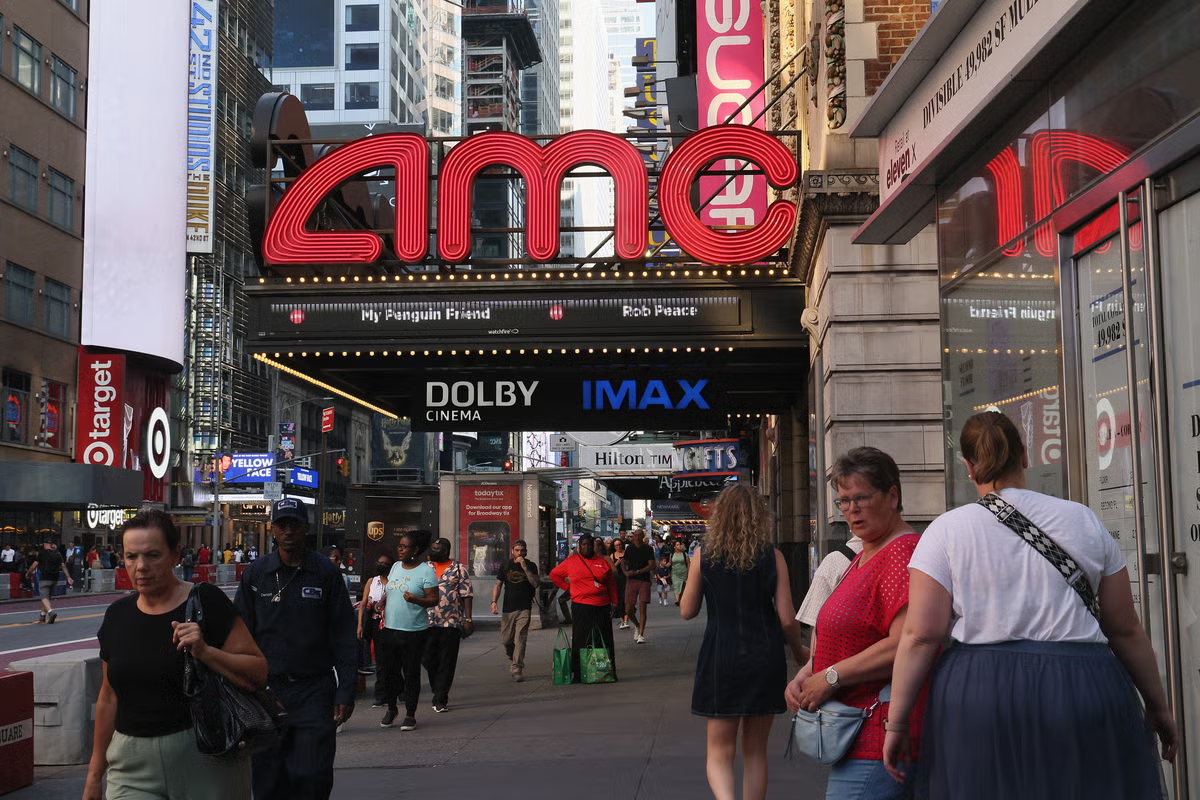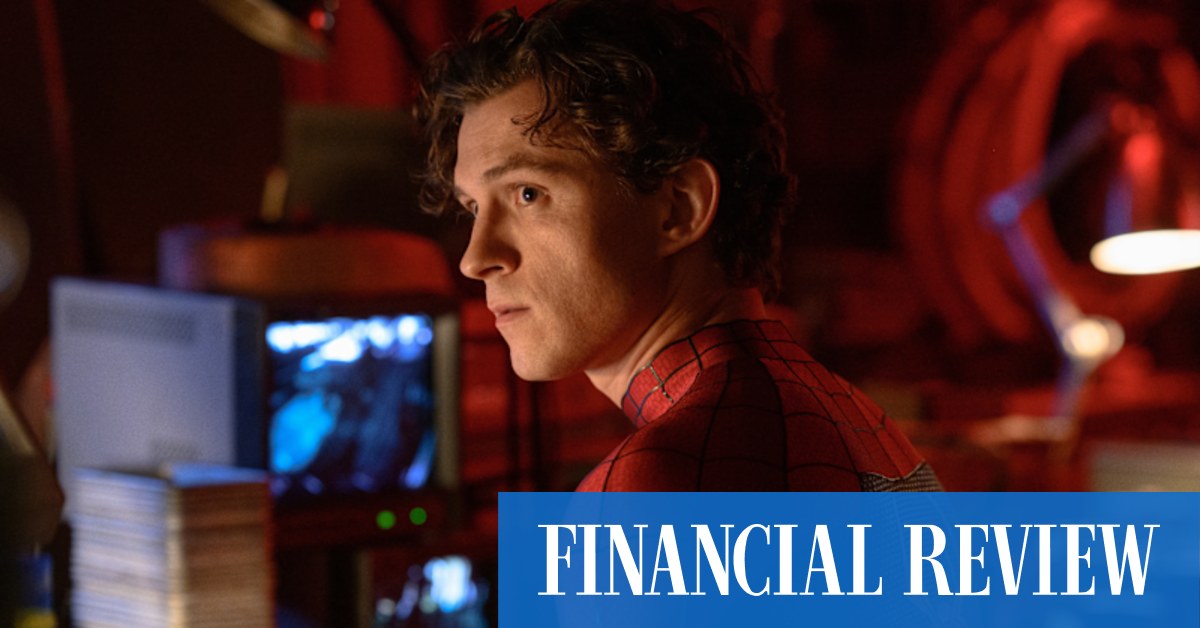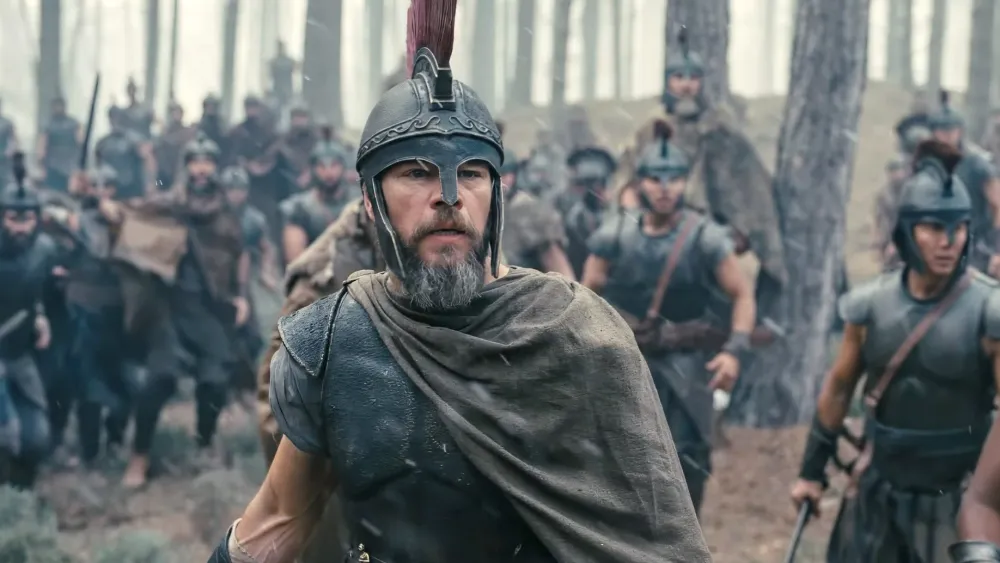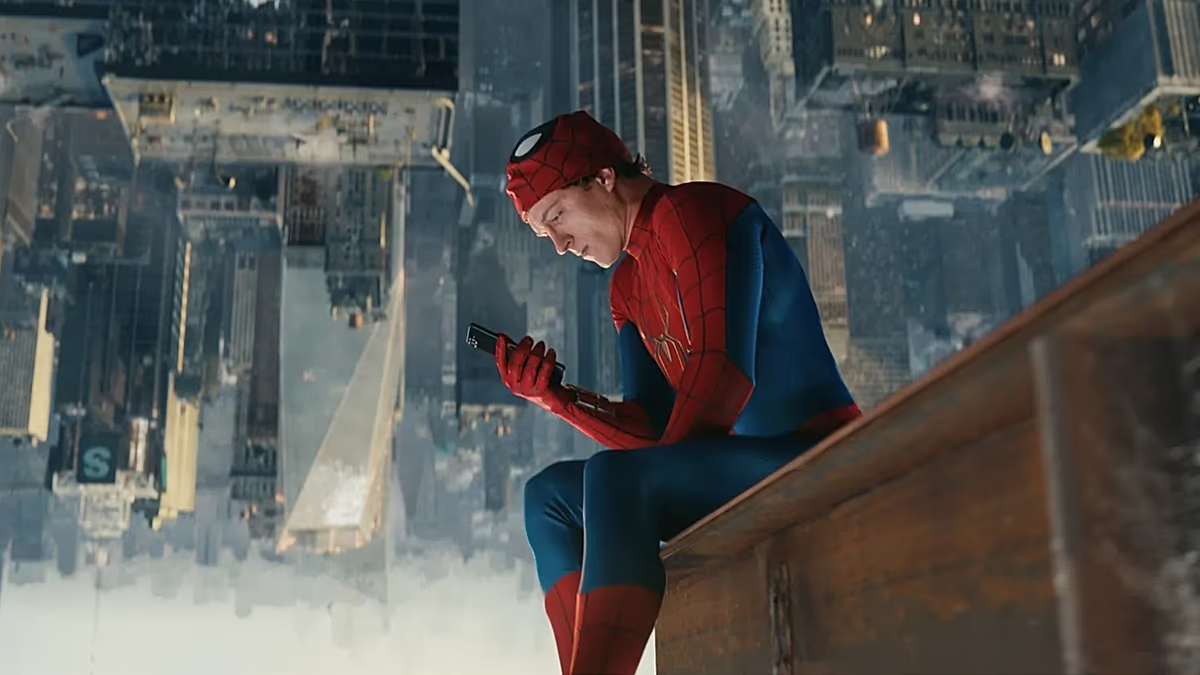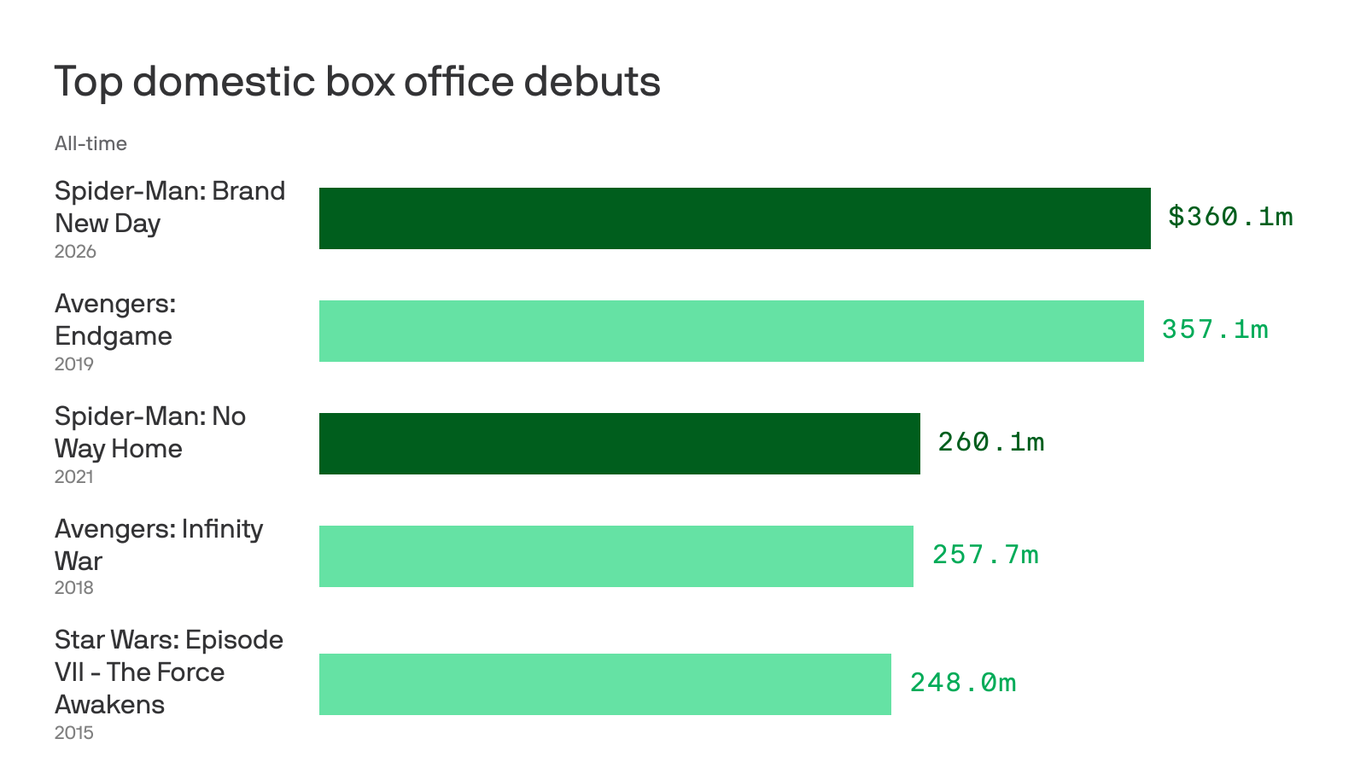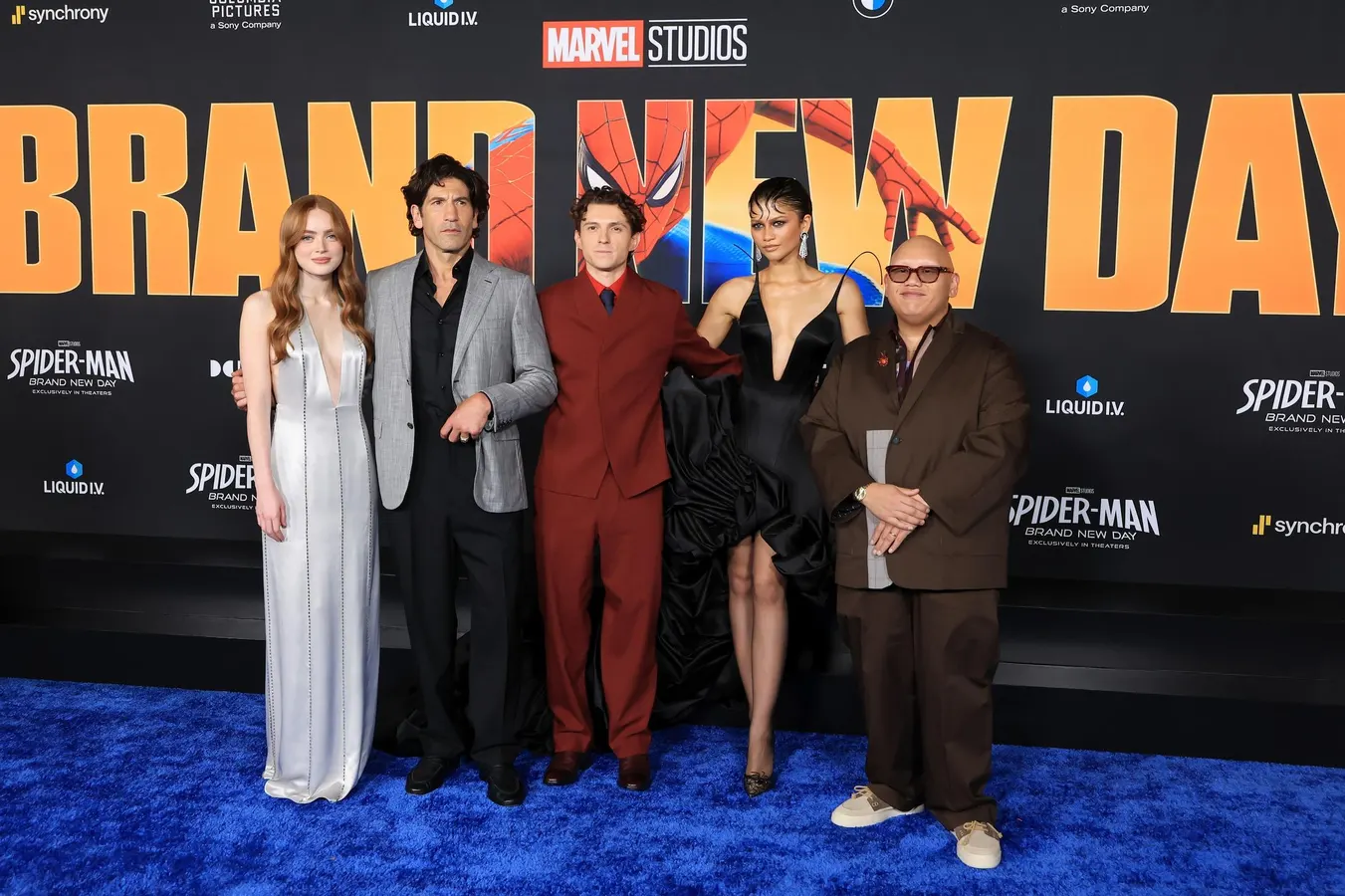
Hollywood is celebrating its biggest opening weekend in U.S. box office history, fueled by the massive debuts of Spider-Man: Brand New Day and The Odyssey. But behind the record-breaking numbers lies a surprising trend: fewer Americans are actually going to movie theaters. The domestic box office is on track for its strongest year since the COVID-19 pandemic, yet theater attendance remains well below pre-pandemic levels. Instead of attracting larger crowds, the industry is increasingly relying on higher ticket prices, premium formats such as IMAX, and a handful of blockbuster releases to drive revenue. According to S&P Global Market Intelligence, U.S. theaters sold an estimated 470.9 million tickets during the first 30 weeks of 2026. During the same period in 2019, before the pandemic, that figure stood at 747.3 million, highlighting how much moviegoing habits have changed. "Revenue growth for exhibitors for a long while now has been mostly driven by increases in average ticket price along with increases in concession prices," said S&P Global Market Intelligence analyst Wade Holden. Foot traffic data from Placer.ai tells a similar story. While U.S. theater attendance is up 8.1% compared with 2025, it remains 27% lower than 2019 levels, suggesting many consumers still visit cinemas less frequently than they did before the pandemic. Even so, Hollywood has found reasons to celebrate. Domestic box office revenue reached $6.2 billion through August 2, up 15% from the same period last year, according to Rentrak. However, revenue is still below the more than $7 billion generated by this point in 2019. One notable shift this year is the wider variety of films succeeding at the box office. Alongside franchise giants, original titles such as Obsession and Project Hail Mary have also attracted audiences, indicating moviegoers are responding to more than just sequels and superhero films. "This year's success at the box office speaks to a well-rounded release calendar that features a bit of everything and appeals to a wide spectrum of moviegoers," said Shawn Robbins, director of movie analytics at Fandango and founder of Box Office Theory. The biggest boost has come from premium theatrical experiences. Spider-Man: Brand New Day and Christopher Nolan's The Odyssey have packed IMAX screenings, where ticket prices are significantly higher than standard shows. Theater chains have expanded premium large-format screens and upgraded cinema experiences in hopes of offering something streaming services cannot replicate. AMC Entertainment said demand for premium screens helped deliver the highest single-weekend revenue in its 106-year history and its biggest-attended weekend of the decade, with more than 10.2 million visitors across its AMC and Odeon theaters. The industry's growing dependence on blockbuster films is also becoming more evident. Universal, Disney, Sony, Warner Bros. and Paramount accounted for 68% of the U.S. box office this year, according to Rentrak data. Universal's success has been driven by major hits including The Odyssey and The Super Mario Galaxy Movie, helping it capture a 24% market share. Meanwhile, ticket prices continue to climb. Data from EntTelligence shows the average adult movie ticket cost $13.46 through July 30, while premium formats such as IMAX averaged $18.22 per admission. The question now facing Hollywood is whether this recovery can continue if fewer people keep going to theaters. For now, record revenues are being driven not by larger audiences, but by moviegoers willing to spend more on big-screen event films.
Spider-Man and The Odyssey are breaking records of American box office but numbers tell a different story
Hollywood celebrates record box office openings, yet fewer Americans attend movie theaters. Higher ticket prices and premium formats fuel current industry revenue growth. Attendance remains significantly below pre-pandemic levels despite recent increases. Blockbuster films and original titles contribute to a varied release calendar. The industry relies on increased spending per moviegoer for its recovery.
554 words~3 min read