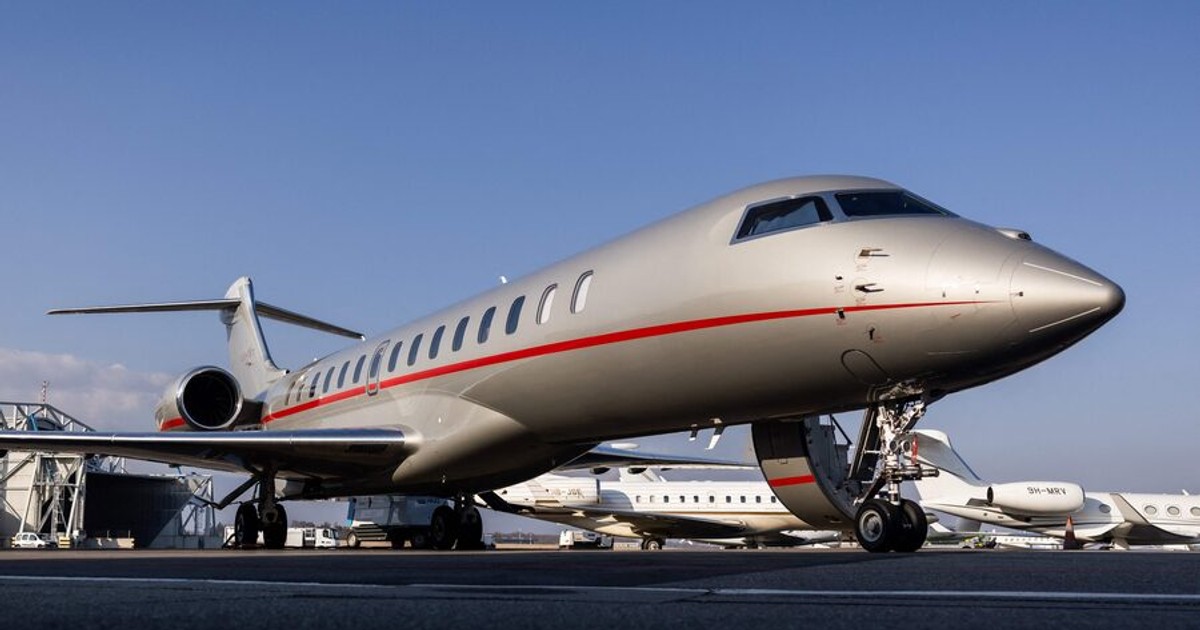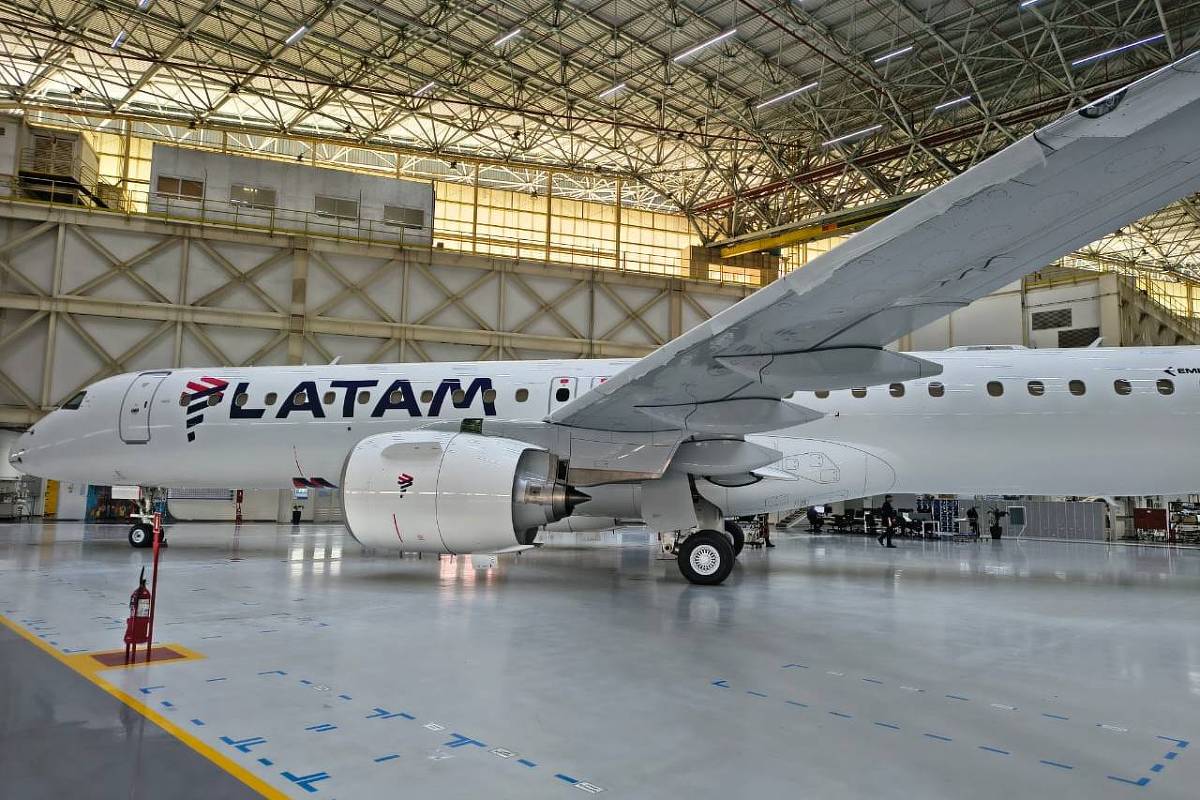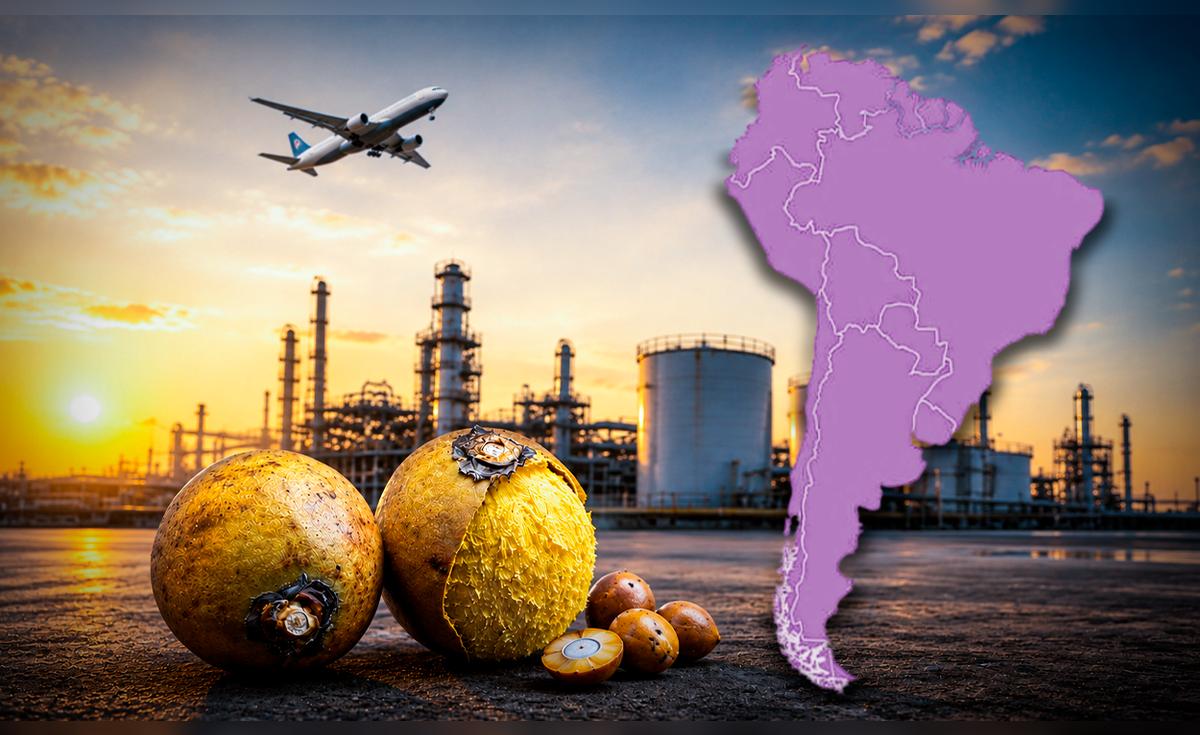
Backed by Emirati Mubadala Capital, a Brazil-based venture is working on what could be one of the new and rare examples of fruits providing power for commercial aircraft.
In Brazil’s Minas Gerais state north of Sao Paulo, more than 200 researchers are racing to develop and commercialize an oil-rich fruit so that it can one day power jetliners, according to an exclusive report by Bloomberg News, published on Tuesday.
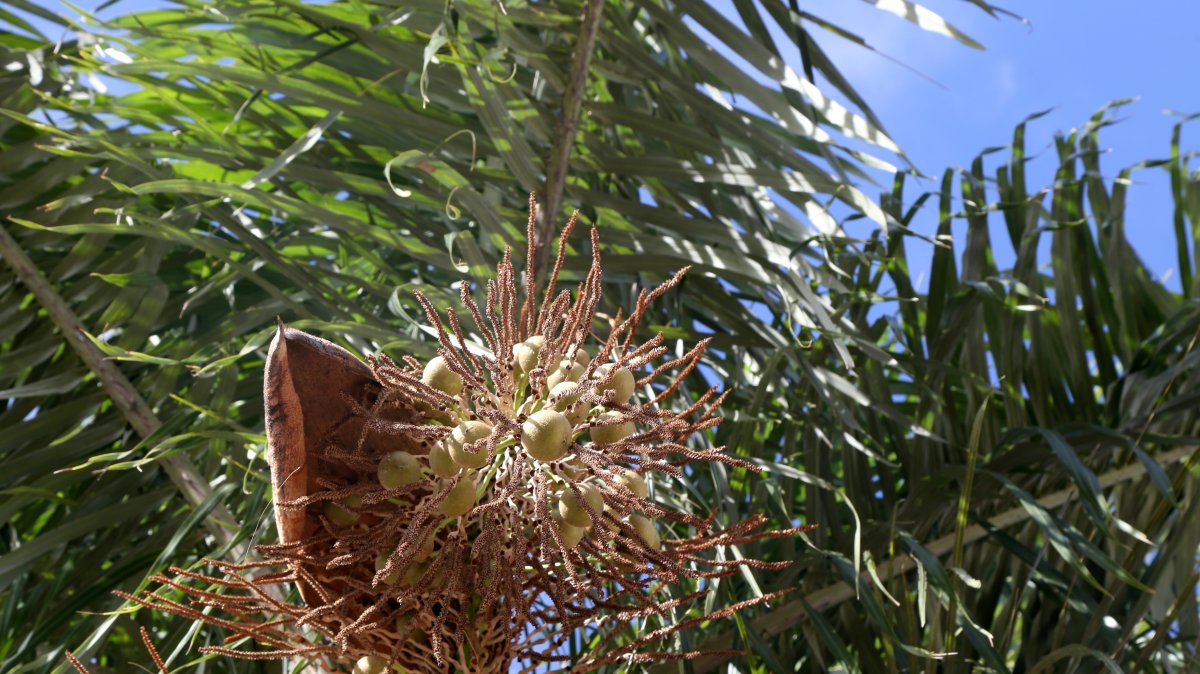
Agronomists, biotechnicians and automation experts are the brains behind a $3 billion project to plant the little-known macauba palm tree across as many as 144,000 hectares (356,000 acres) of land, an area slightly larger than the city of Los Angeles and then harvest it for sustainable aviation fuel (SAF), the report suggests.
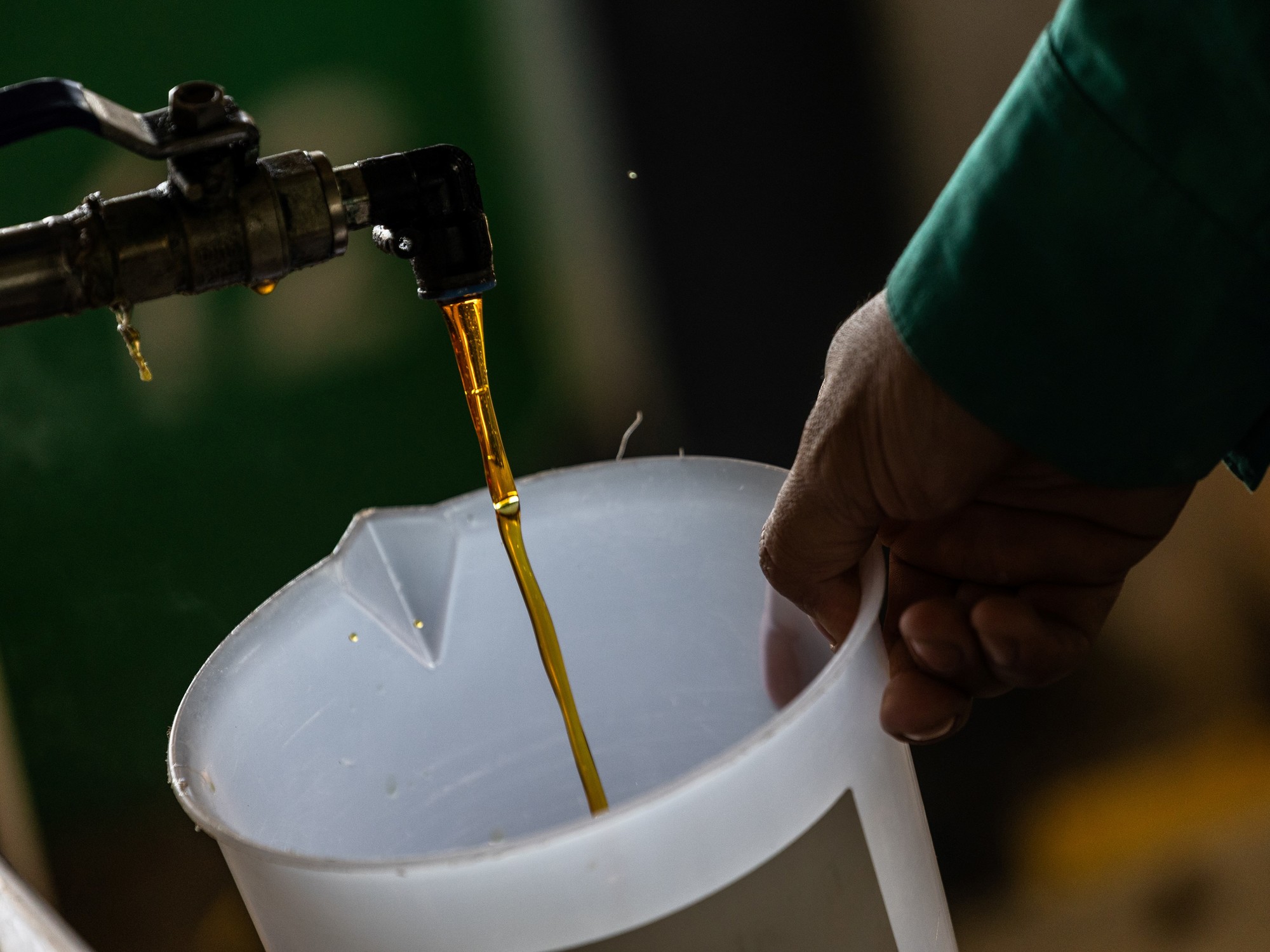
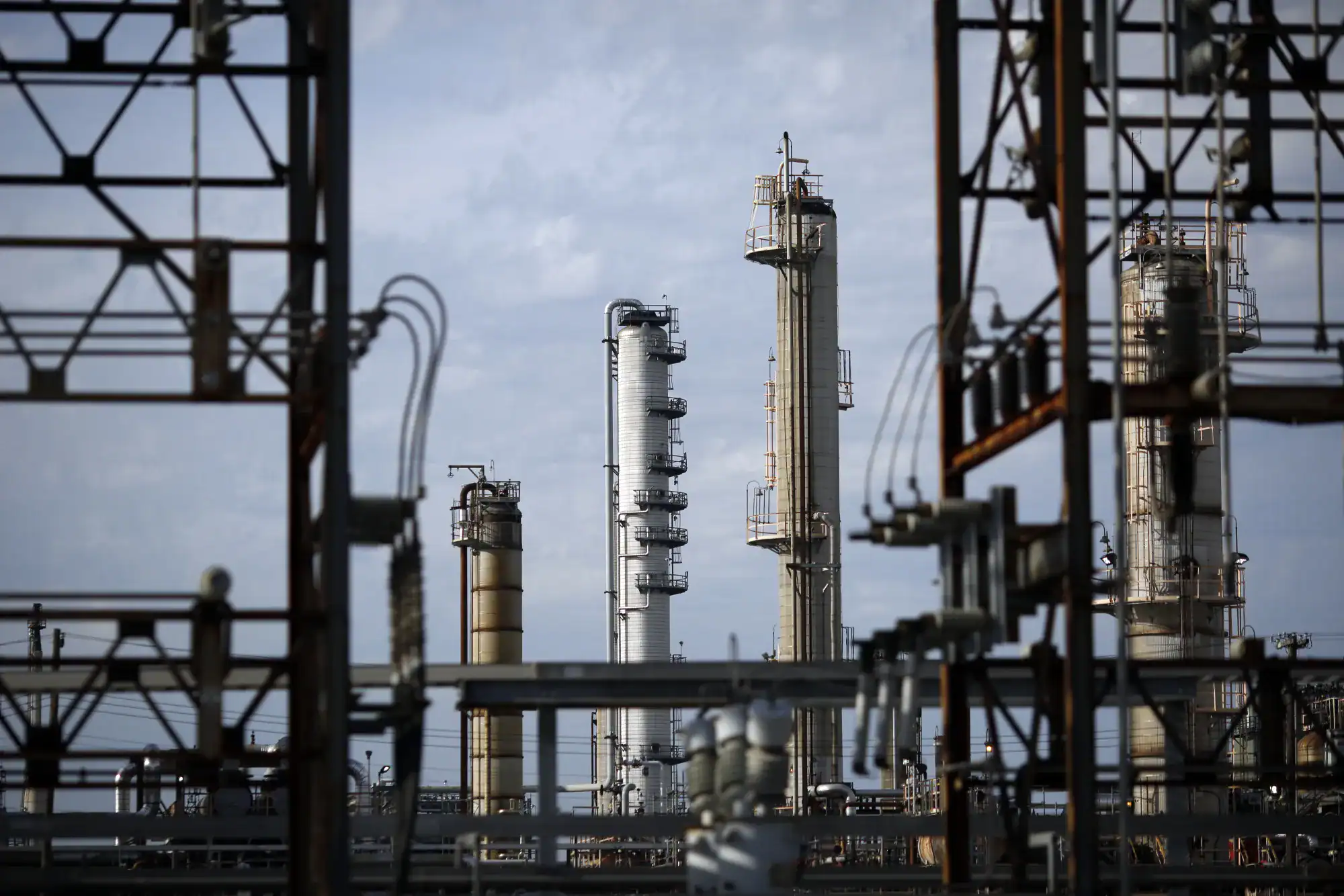
Once the first trees planted start bearing fruit, likely in 2030, energy and biofuels company Acelen Renovaveis plans to begin processing macauba oil at a biorefinery it’s building in another part of Brazil.
Acelen Renovaveis, which is fully owned by Abu Dhabi-based Mubadala Capital, hopes to solidify Brazil’s role as one of the world’s top producers of biofuels and a leading supplier of clean jet fuel by industrializing the exotic fruit.