The icon indicates free access to the linked research on JSTOR.
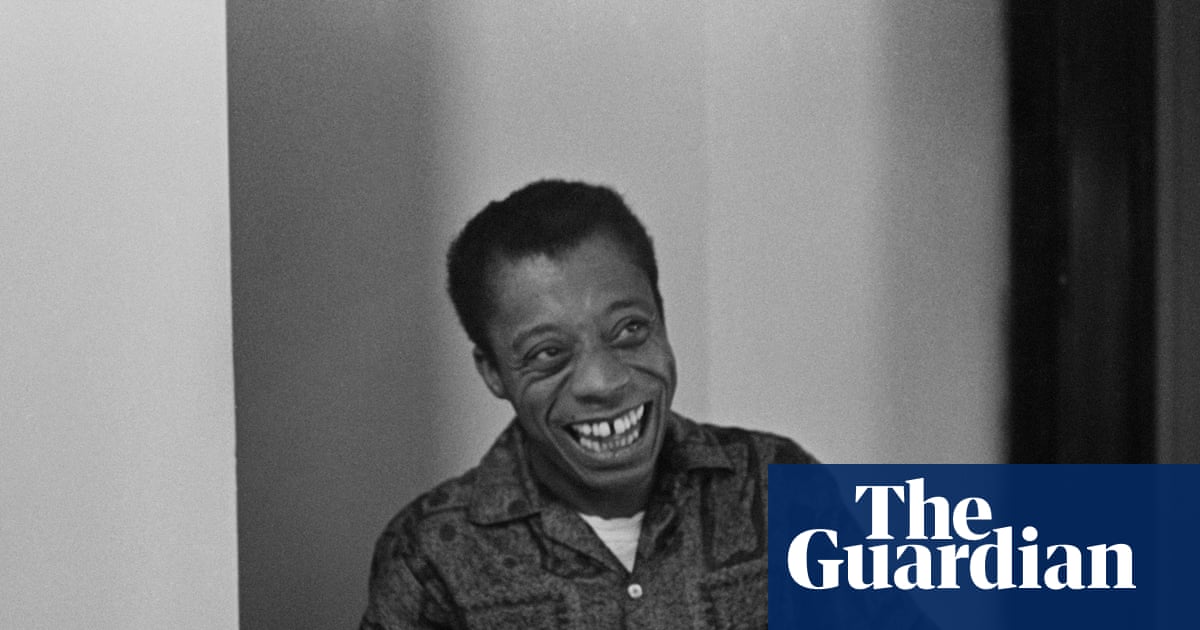
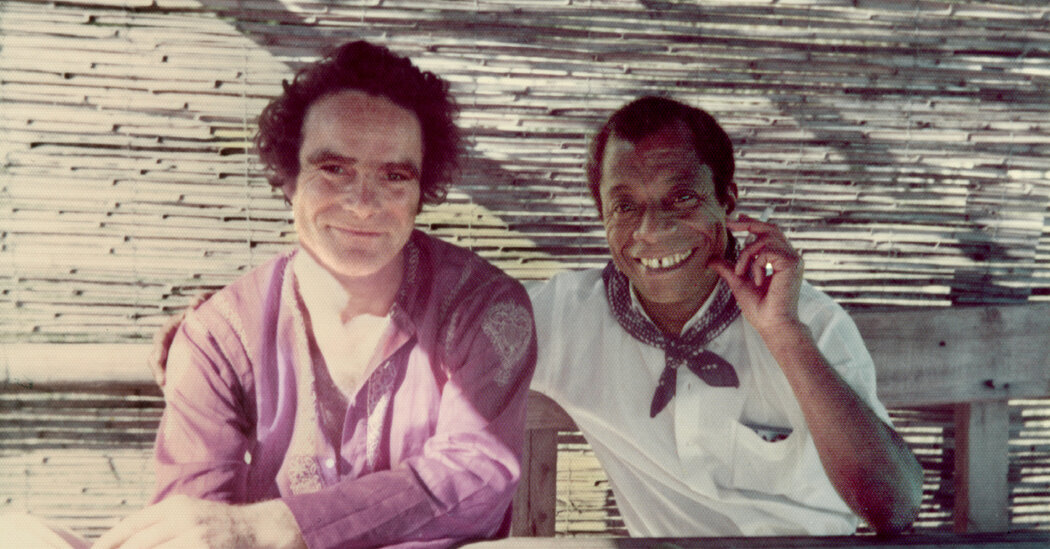
James Baldwin rose to prominence as a novelist, essayist, and public intellectual at a time when psychoanalysis was all the rage. Many of the writers, agents, and editors he worked with were undergoing the talking cure themselves and also publishing theory and fiction touching on the topic. As literary scholar Dorothy Stringer writes, Baldwin was famously hostile to this trend, yet he also incorporated Freudian themes into many of his later works.
Baldwin repeatedly criticized and mocked psychoanalysis. In Nothing Personal (1964), he compared people “in genuine trouble” to comfortable professionals “whose only real trouble is inertia, who work at the most disgraceful jobs in order to pay, for the luxury of someone else’s attention, twenty-five dollars an hour.”
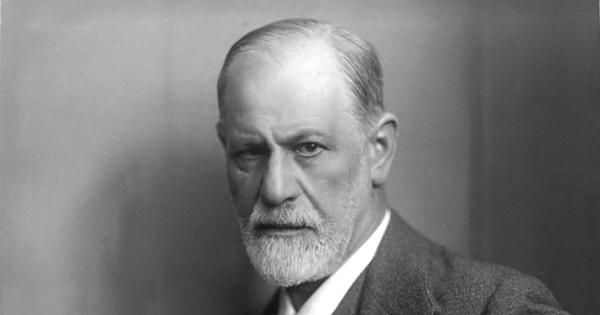
Stringer suggests that Baldwin had good reason to be hostile to Freudian analysis as a Black man who had relationships with both men and women. Postwar intellectuals used psychoanalytic ideas in a variety of ways, including to discuss race relations and homosexuality. Often, this involved locating the suffering of minority populations in their psyches rather than in the structural and material hardships they faced.