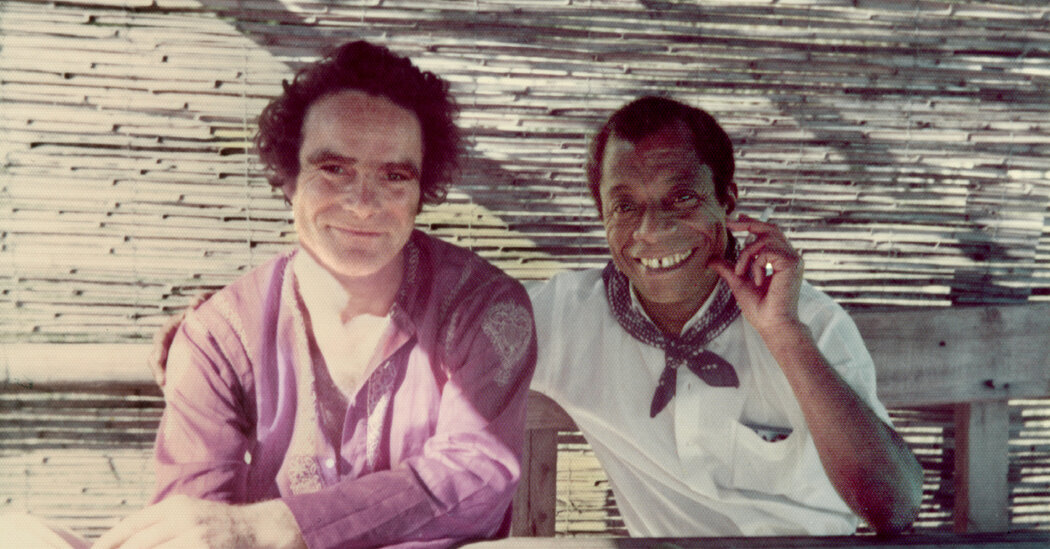
“If not me, who?” said actor Billy Porter in a 2024 Guardian interview, explaining the rationale for his plan to direct and star in a biopic of Black queer author and activist James Baldwin. “Who’s going to tell it better than the Black gay man who embodies that in today’s age?” Porter was right that the movie industry has been unduly slow to engage with Baldwin as a subject and source, relative to white authors of equivalent renown; one presumes, however, that he didn’t know “Jimmy” would premiere later that year. The directorial debut of photographer Yashaddai Owens is no star vehicle, and is only glancingly a character study. Its depiction of Baldwin is shimmery and largely silent, alternating between ambient portraiture and first-person perspective, yet it feels keyed into his experience of the world in a way a more completely (and conventionally) dramatized film might not.
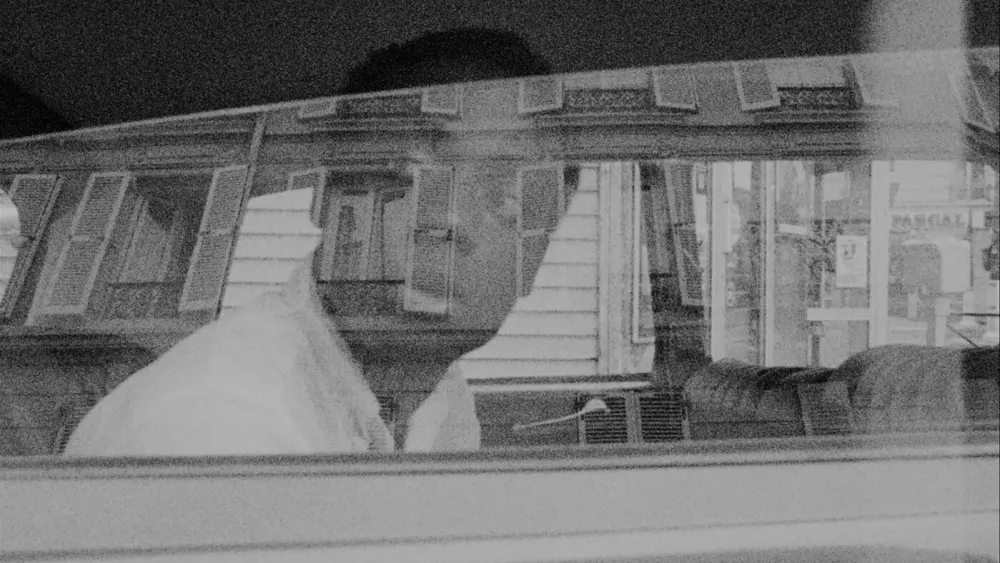
Finally granted a U.S. release nearly two years after its Telluride world premiere, this 68-minute work occupies no clear lane. Though it’s ostensibly a narrative feature, following a version of Baldwin played by actor Benny O. Arthur through restless travels in Turkey and France, it’s light on story — and, until mere minutes before its close, shorn of dialogue — but heavy on circling mood. Owens shoots in monochrome on a Bolex 16mm camera, making no attempt to disguise the present-day backdrop to his subject’s midcentury wanderings, which occasionally lends “Jimmy” the sense of a cinematic walking tour, chasing the spirit of Baldwin rather than attempting to embody him outright. Given the candid, diaristic nature of its construction and presentation, it could equally be viewed as a nonfiction record of Owens and Arthur’s creative collaboration.