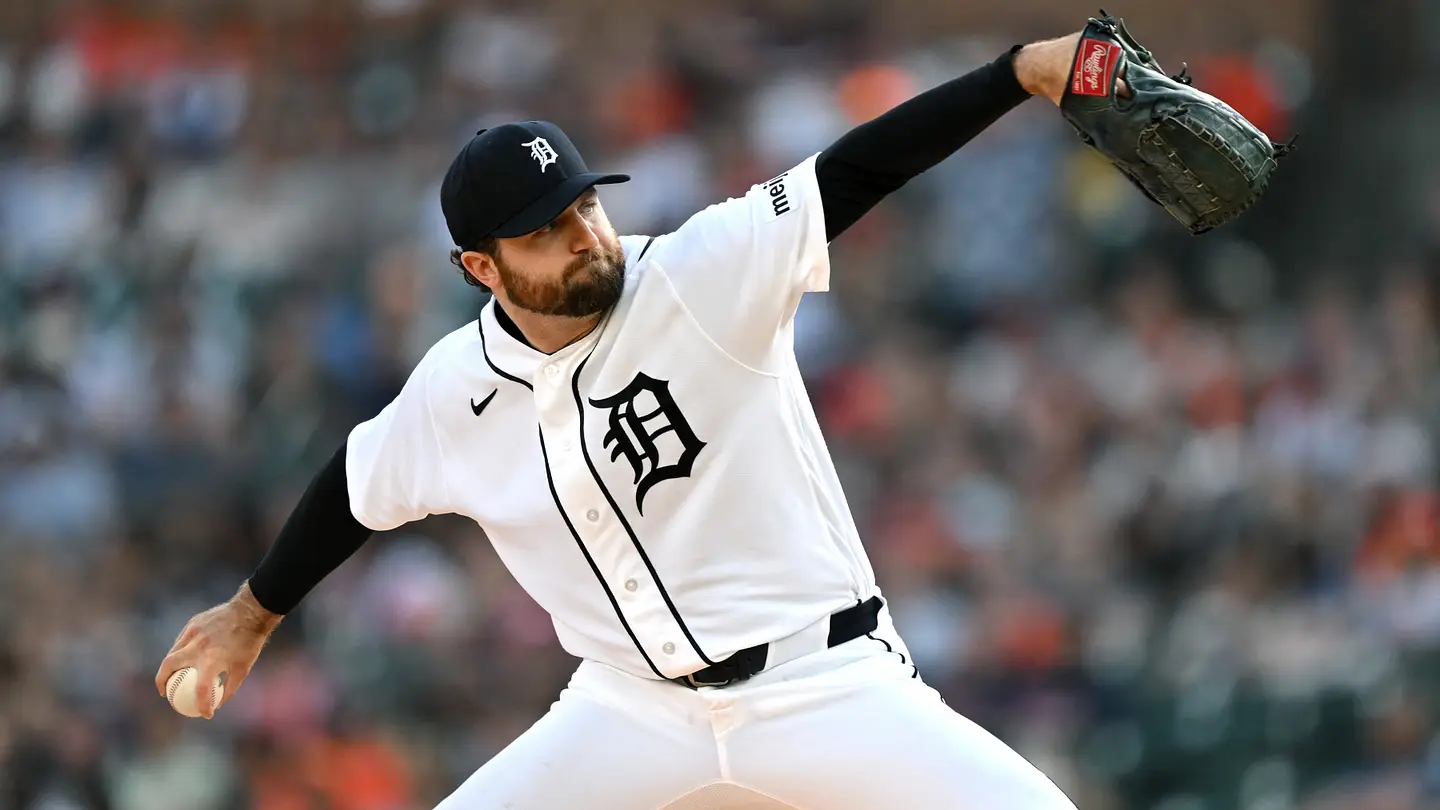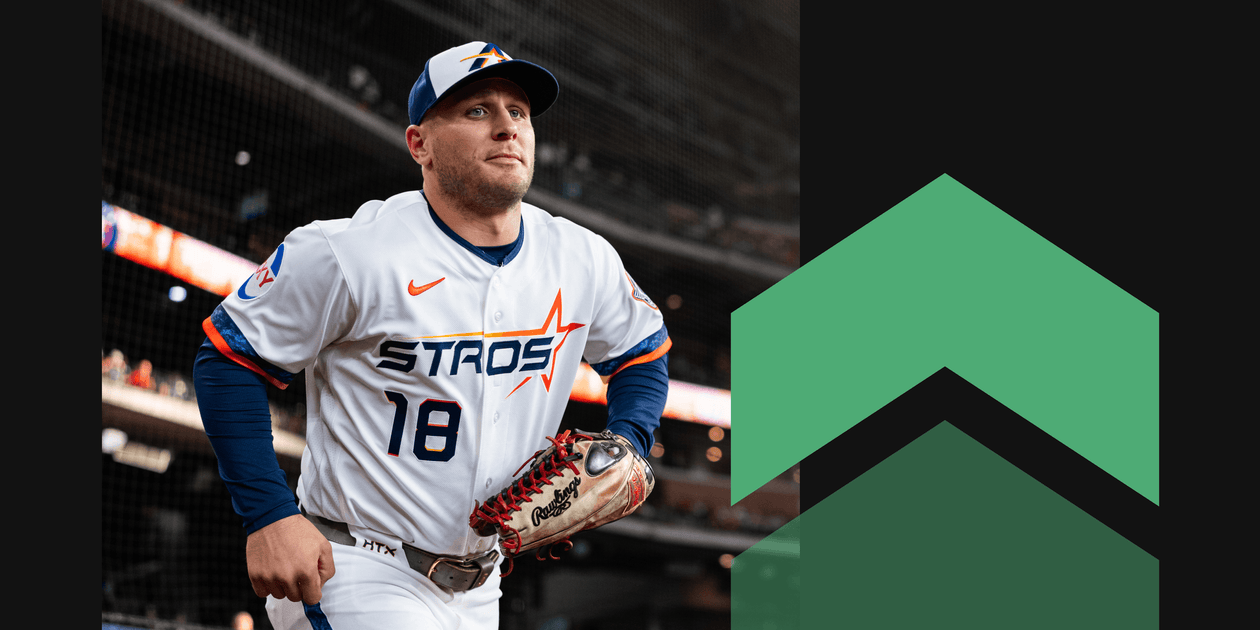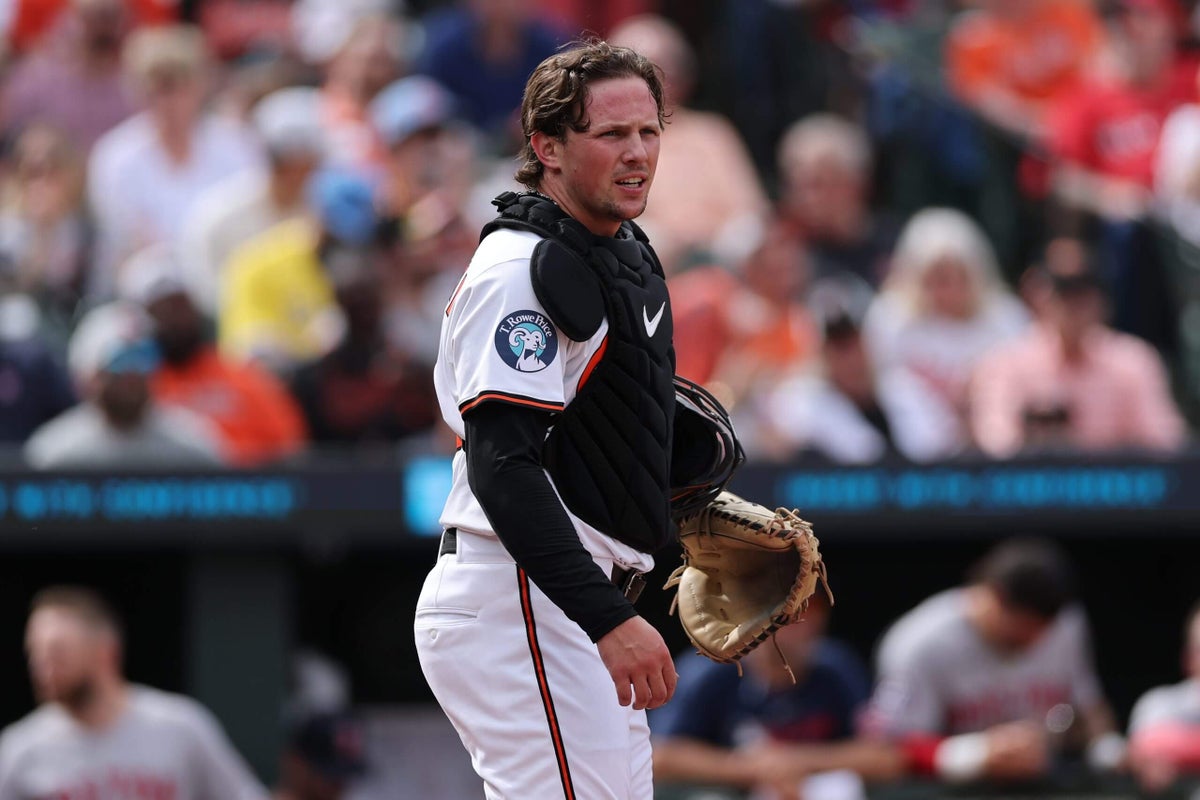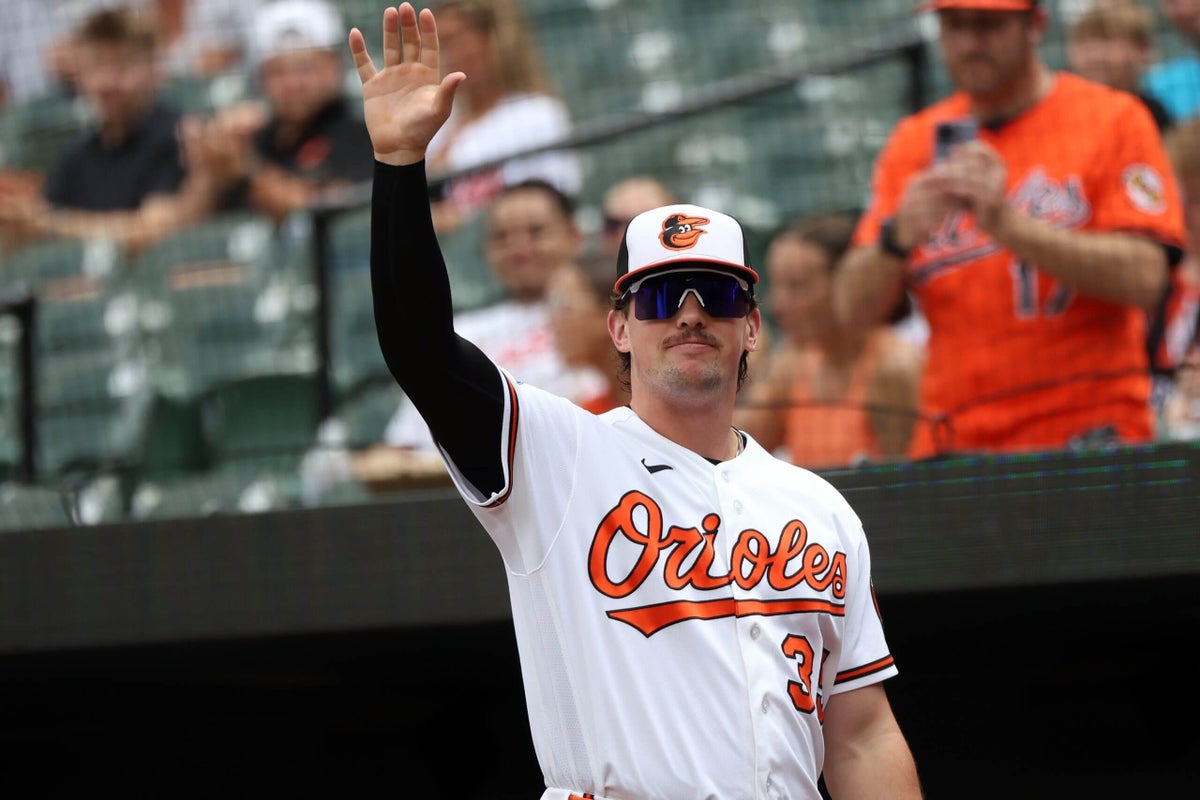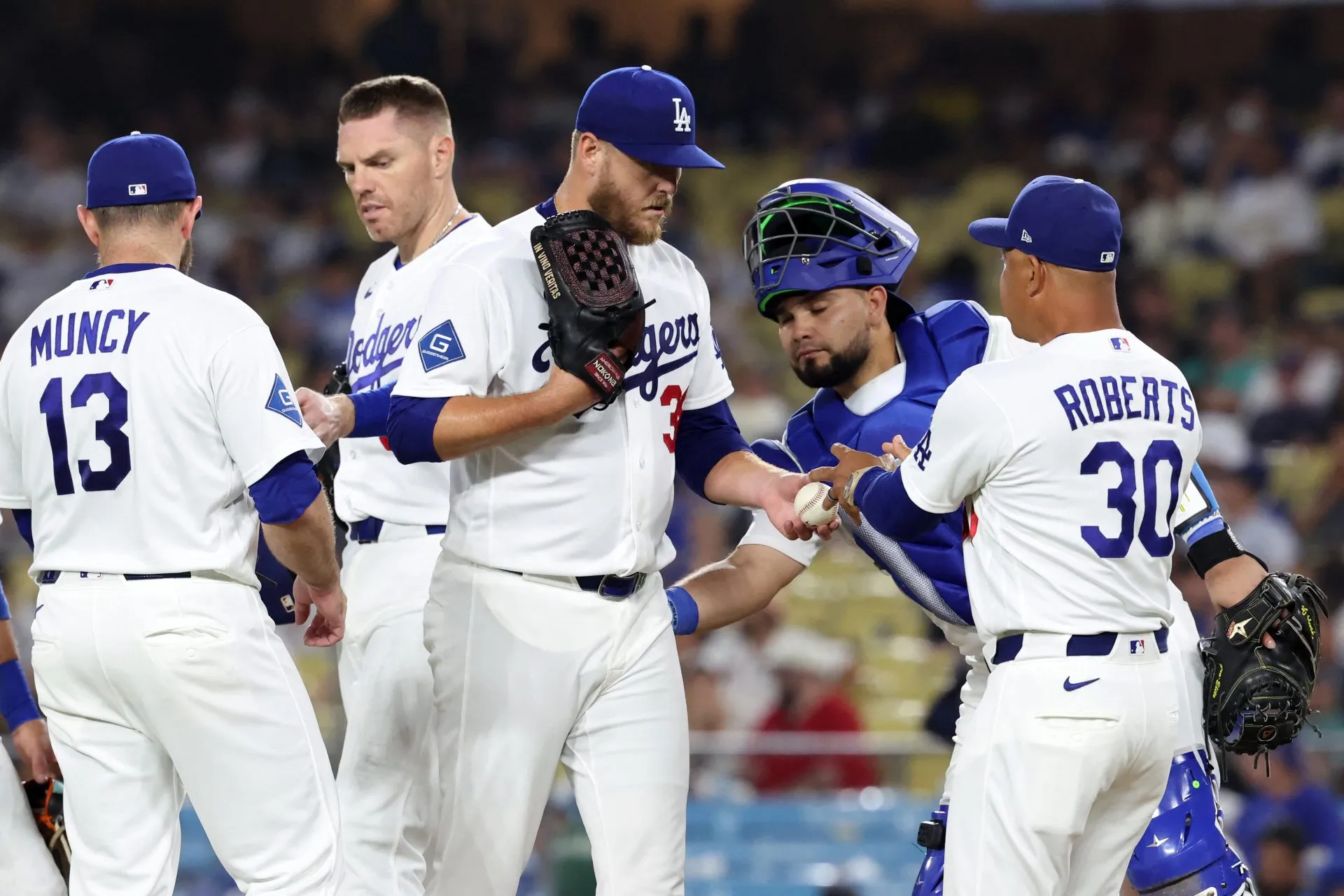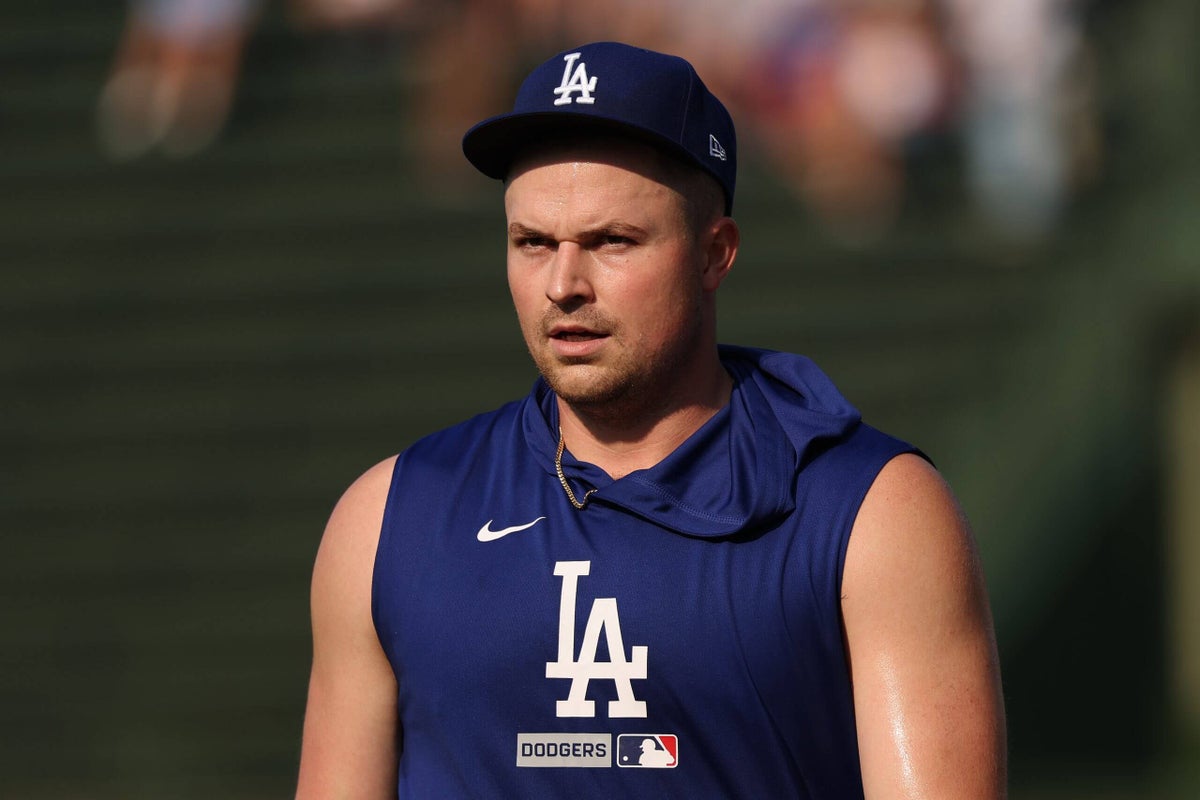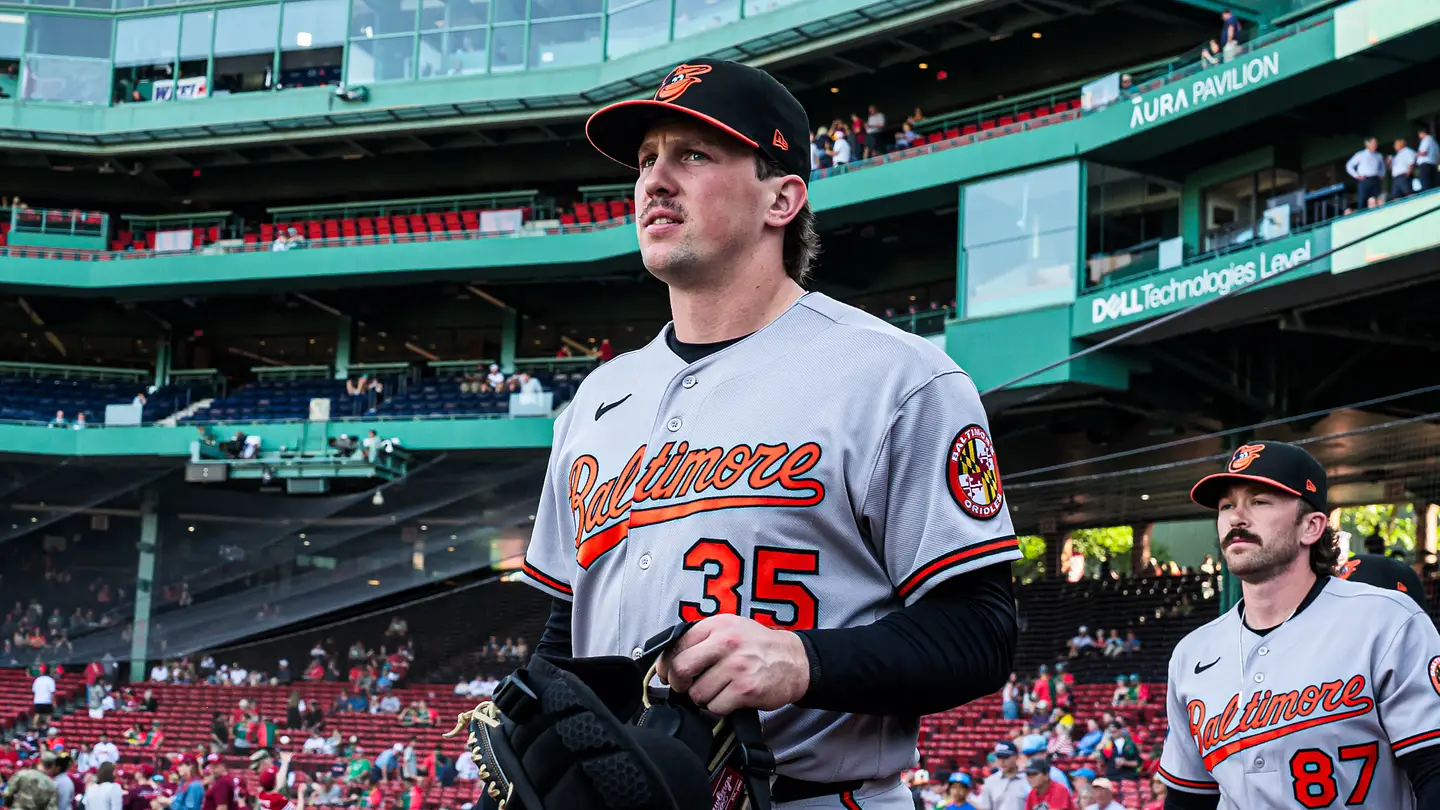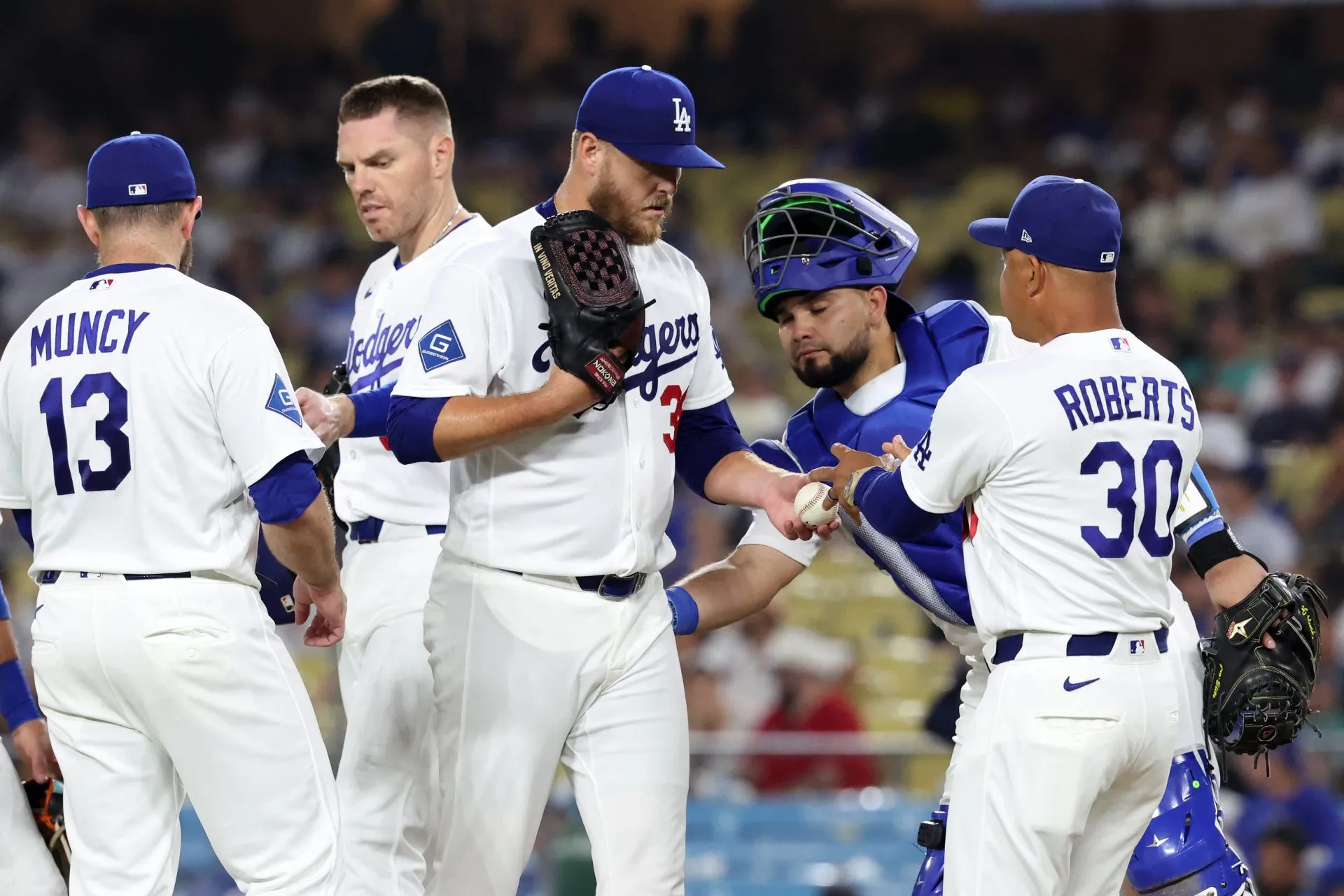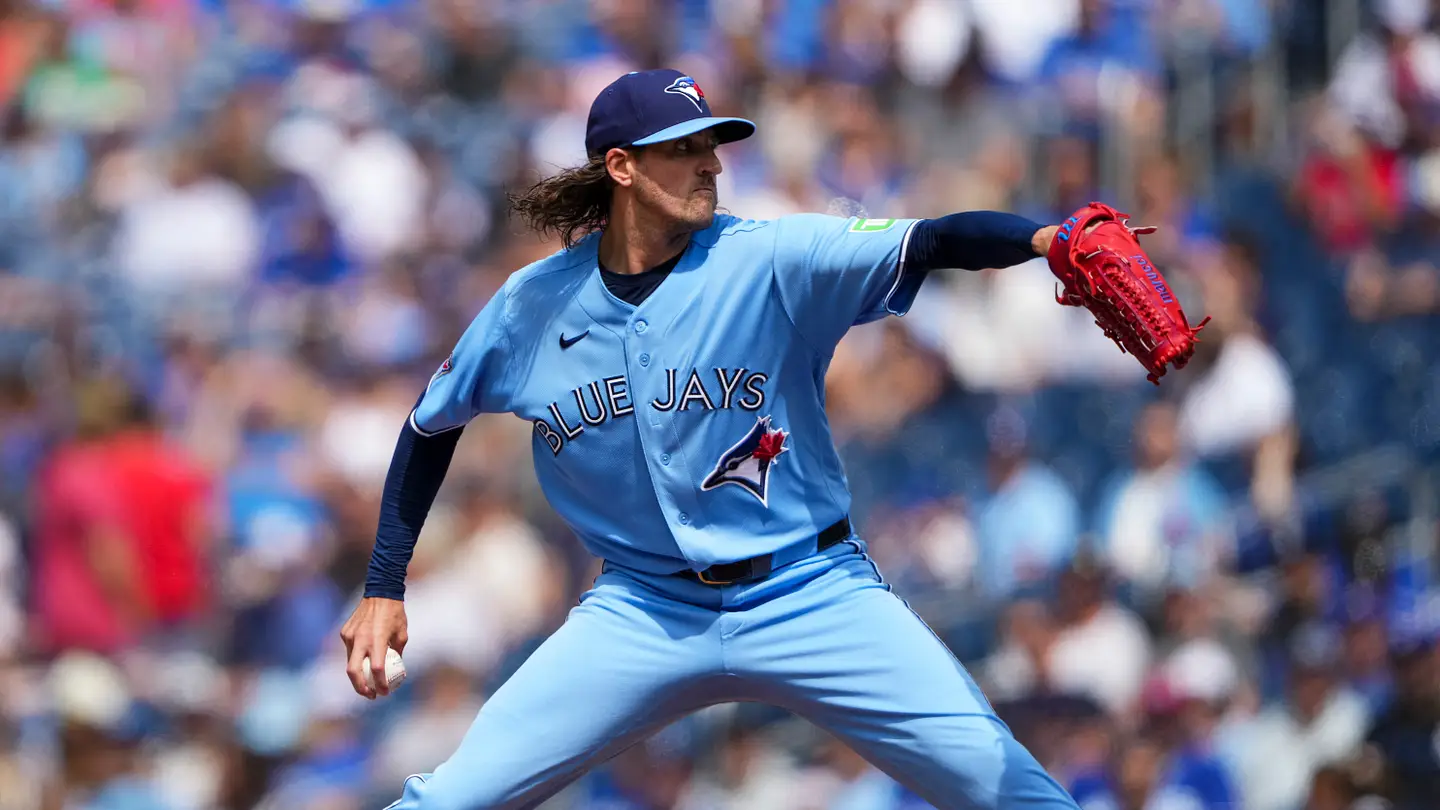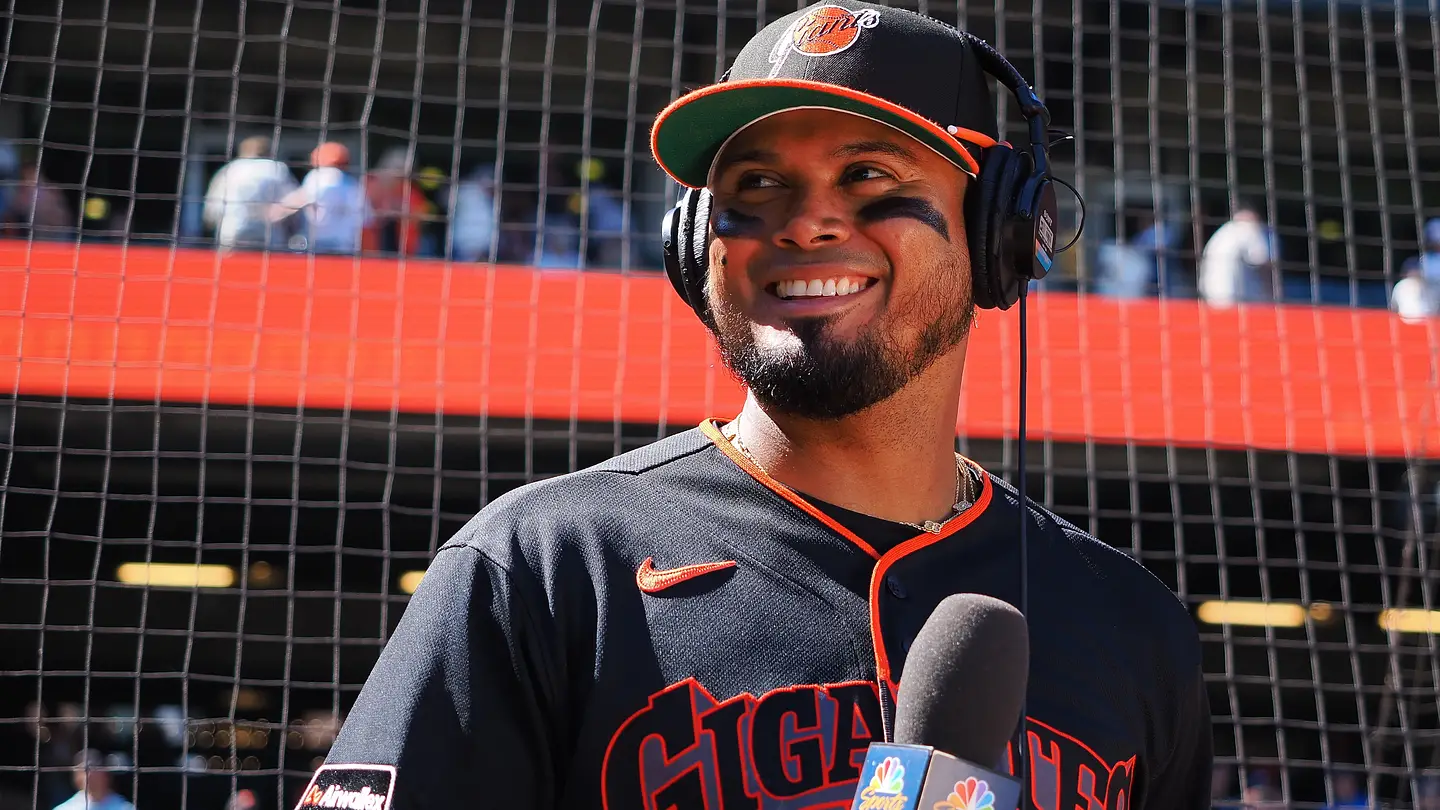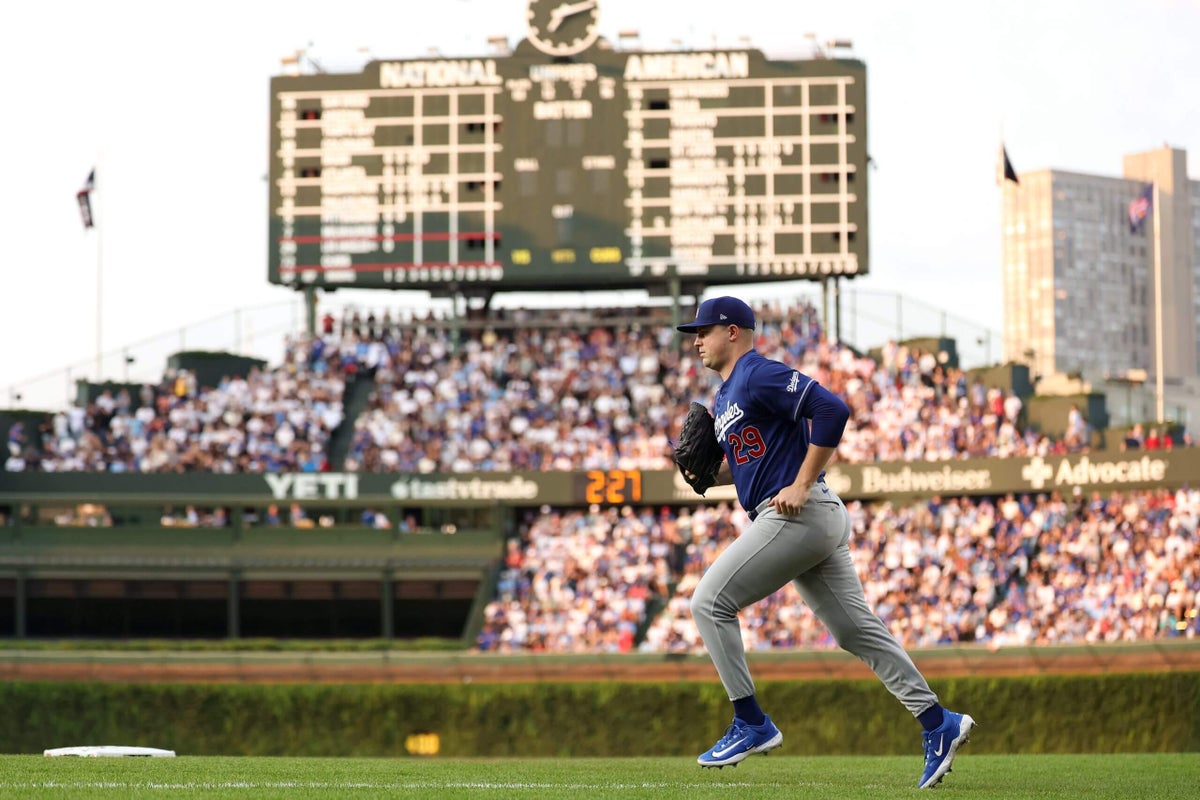
So you want to know what to make of another action-packed trade deadline, huh? You’ve come to the right place.A two-time Cy Young Award winner got traded. A three-time batting champ got traded. Two No. 1 overall picks got traded.The Dodgers fired up the Death Star to grab the biggest ace on the market. The Phillies spun their whole lineup through a blender to make room for the best bat who got traded. The Cubs and Red Sox couldn’t stop buying. The Mets and Angels couldn’t stop selling.So what’s the story we should all be sitting on our favorite bar stools, yelling at each other about?“I don’t think the deadline can be summed up with one singular story,” said one longtime front-office man. “I think it’s actually, like, seven stories.”All right, then. Let’s prove him right. Here come seven things we learned from the 2026 deadline, with invaluable perspective from four high-ranking team executives, plus one former executive who has been both a deadline buyer and seller in recent years. All spoke on the condition of anonymity to candidly discuss the trade market.Who won and lost the MLB trade deadline?Andy McCullough and Johnny Sweet1. Wait. All those guys got traded?Did it seem, at times, like you’d never seen a trading deadline like this? If it did, that might be because there literally has never been a trading deadline like this.A reigning back-to-back Cy Young winner got traded … to the reigning back-to-back champs! Word of this might have leaked out, but did you hear that the Tigers traded Tarik (Cy Young) Skubal to the Dodgers? Thought so. But did you also know that …Only two previous defending World Series champs have ever traded for a reigning Cy Young winner: the 2009 Phillies (Cliff Lee) and the 2023 Astros (Justin Verlander). But nobody had ever won two straight Cy Youngs and then been dealt to the team that won the last World Series — let alone the last two World Series. So this deal was literally unprecedented. But also …A hitter leading his league in batting average got traded at the deadline! Luis Arraez still leads the National League in hitting. He’s just doing that for the Phillies now instead of with the Giants. And that, too, isn’t a thing we’ve seen.According to our friends from STATS Perform, this is the first time a player who led his league in batting has gotten traded in the middle of a season. That shocked me, but it’s true.Yes, Arraez once got traded (from Miami to San Diego) on his way to a batting title in 2024. His new teammate, Trea Turner, also got traded (from the Nationals to the Dodgers) on his way to a batting title in 2021. But neither held the lead at the time of the trade. How about that?The Yankees made trade history in acquiring Luis García Jr., who led the NL in slugging, at the deadline. (Brad Penner / Imagn Images)A hitter leading his league in slugging also got traded at the deadline! If Aaron Judge, Shohei Ohtani or Juan Soto had been traded this week, you probably would have paid more attention. But it took Luis García Jr. to make slugging history, just by getting dealt from the Nationals to the Yankees.According to STATS, García is the first player to get traded in midseason while leading his league in slugging at the time. Mark McGwire did take over the American League lead in slugging for a while after the Athletics traded him to the Cardinals in 1997, but he wasn’t first at the time. Ditto for Bobby Bonilla in 1995, when he went from the Mets to the Orioles. So boy, little did Big Mac and Bobby Bo know they were no Luis García!Two former No. 1 overall picks in the amateur draft got traded on the same day! Casey Mize was the first pick in the 2018 draft. Adley Rutschman was the first pick the next year. Now that won’t be all they have in common — because they both got dealt Monday, hours before the deadline.According to STATS, there has been only one other time in which two former overall No. 1’s have gotten traded in midseason in the same year by the teams that drafted them. That was 1995, when Phil Nevin and Andy Benes had the same experience as Mize and Rutschman. (Qualifier: They had to have played for only one organization at the time.)But Rutschman’s trade was even more unique. We’ll get to that shortly.2. Yes, the Dodgers broke baseball again — but did they really?Any time the Dodgers remind us that their hobby is collecting more stars than the Hollywood Walk of Fame, the hot takes are so easy to see coming.Why should we even bother playing the World Series?We need a salary cap — by Labor Day!Yada yada yada. How many times a year can one team ruin baseball? Whatever the over/under is, you should definitely take the “over” for the Dodgers. But let’s just slip in one minor question:Are you sure they just proved that those other 29 teams have no chance anymore, simply by trading three glitzy prospects for Skubal? Really? Let’s present the no they didn’t argument first, if only to get you even more riled up.They didn’t “buy” any of those prospects they traded — Are you positive this was all about money? The big pitcher in this deal, River Ryan, arrived in L.A. in 2022 via a minor trade with the Padres. The big hitting prospect, Zyhir Hope, came over in a 2024 trade with the Cubs. The other prospect, Brady Smith, was a third-round pick in 2023 whose career minor-league record is 0-10, with a 4.72 ERA.Every team in baseball could have made this trade — That was the Dodgers’ spin on what they gave up and how aggressively they worked to get this deal to the finish line. And while there’s a nuanced discussion to be had about that, they’re not wrong. The only thing they care about, every day of every year, is doing whatever it takes to win, within the rules. So how is that their fault?“If it’s me making that deal, I’m not apologizing,” said an executive of one team that did more selling than buying. “It’s scary to me to think about what our team might have done if we were in first place, 25 games over .500, right now. I do think there are probably parts of the system that lead to this. I just don’t want to be that guy who’s ever saying we’re not doing well enough because things aren’t fair.”Tarik Skubal doesn’t guarantee them anything — Another exec made this point — and it’s one we should all remember when October rolls around.“You know, Tarik Skubal pitched for a playoff team last year,” the executive said. “And he pitched twice in a five-game series. And that team lost that playoff series. So even as unbelievable as he is, even as unbelievable as (Yoshinobu) Yamamoto is, and even as unbelievable as Ohtani is … it’s still baseball.”Fortunately, baseball the sport remains as beautifully unpredictable as any game on Earth. But is baseball the business in that beautiful state? That’s where this gets complicated — even in assessing a trade this gargantuan.The Dodgers’ resources do show up in trades like this, said an executive from one contender. Those resources allow their team to scout, develop and build an organization at a different level from many teams. And those resources also allow them to make more mistakes than other teams — because any time they need a player, they can just buy one.“If the Tarik Skubal trade doesn’t work out, the Dodgers are going to be fine,” that exec said. “But if the Brewers make the Tarik Skubal trade and it doesn’t work out, it creates a chasm in their future. So the consequences of those decisions are just so much different, you can’t ignore the financial elements that come with that.”In other words, is it really accurate to say that any team could have made this trade? Technically, sure, that exec said. But does that paint the complete picture? He would argue no.“I think it’s a huge oversimplification to say anybody could have made this trade,” the exec concluded. “And as I said, that’s just because the consequences for doing it are so much different for the Milwaukee Brewers than they are for the Los Angeles Dodgers. And if you’re saying that’s not true, I’m sorry. That’s intellectually dishonest.”3. Teams no longer care if they’re ‘in the race’ — and that’s a problemRiley Greene’s Tigers had the second-best record in MLB since June 1 (31-20), but still traded away Tarik Skubal and Casey Mize. (Kevin Ng / Getty Images)On the day they traded their favorite Cy Young winner, the Detroit Tigers won to pull within 2 1/2 games of the final AL wild-card spot. Then they traded their ace anyway. Hmmm, what’s wrong with that picture?How about … everything?On one hand, FanGraphs calculated the Tigers’ odds of making the World Series at only 2.2 percent. On the other hand, they play in the AL Central. They had the second-best record, since June 1 (31-20), of any team in the sport. With Skubal, they’d have no reason to fear any team in the mediocre American League. And they had as healthy a roster as they’d run out there in months, fronted by a healthy ace named … Tarik Skubal.So should this sport be concerned that a team like that was selling its best asset? Let’s go with yes. Two of the execs I spoke with echoed that sentiment.“I think it’s better for baseball,” one National League exec said, “when teams that have a chance to win, teams that are relatively close to a playoff spot, are trying to get a playoff spot.”But that wasn’t life on Trade Deadline Day 2026. The Marlins sold. The Nationals sold. The Cardinals sold. The Orioles sold. The math said they weren’t out of any race. But that isn’t the math that teams look at anymore, in the modern game.“The unique part about this season, from my perspective,” said the former exec I spoke to, “is how often have we seen a team that was only two games out of a playoff shot — but was also four to five games under .500? We saw more of that this year than I can recall.“So you’re sitting in a front-office seat, trying to figure out: Is our team good enough to perform in the postseason? And can we get there? And that’s sort of defined by how many games out you are, what you think your schedule looks like and the (playoff) odds of you getting there. But when you combine that with being a few games under .500, it makes it such a unique season.”If you do that calculus, you could understand why those other teams sold. But the Tigers’ underlying data said the opposite.On deadline day, they actually had a better run differential (plus-63) than any AL team except the Yankees. And their expected won-loss record (63-49) practically screamed that they had a Red Sox-like streak ahead.So we can understand why they made that trade — but still not like it. They did what made sense for the long haul. But is it healthy for the sport that a team that talented, with that many positive indicators, sold its ace anyway? Sorry. That’s a problem.Which MLB teams did the most?Levi Weaver and Madison Eades4. Did the Red Sox steal A.J. Preller’s playbook?If you’ve seen a few trade deadlines in your day, I bet you think you knew who was going to wind up on the 2026 Deadline Mad Shoppers poster.A.J. Preller in San Diego? A sure bet to trade all his prospects, and possibly two batboys. Jerry Dipoto in Seattle? Wishes he could make more trades than there are days in the year. Dave Dombrowski in Philly? If there’s a star he can trade for, he’s probably been in line outside the star supermarket since dawn.But … Craig Breslow in Boston? How’d he wind up on this poster?Here’s a guess: Just goes to show you that you never know what might sweep over a front office when its team is busy going 28-5.“If you’d said six weeks ago that the day after the deadline, people would rally around the Red Sox as the best team in the American League, that would have seemed crazy,” said one rival exec. “They’d have said: ‘The Red Sox? The last-place Red Sox? They’re a train wreck right now.’ But obviously, the way they’ve played in the last five weeks is absolutely incredible. And they made impactful additions at the deadline.”Curtis Mead, power bat, for Connolly Early … Erik Miller, left-handed bullpen weapon, for Marcelo Mayer … and in the shocker, Adley Rutschman, All-Star catcher, for a stunning prospect package.The consensus of the execs I spoke with is that they were all big overpays by the Red Sox — but if Rutschman ever gets healthy and feels that Fenway love, he’s a potential team-changer. “Healthy” is not the word for him right now. But it’s still going to take a while to digest the idea that the Orioles just dealt their one-time face of the franchise to a team inside their own division, and with a season-plus of control remaining.So how shocking was this? For one thing, there had never been a position player who A) was a former No. 1 overall pick, B) was as young as Rutschman (28) and C) had rolled up as many bWAR as Rutschman (16.7) — who had ever been traded in the middle of any season. Until now.But just as wild is this amazing nugget from loyal reader Matt Bartel: Rutschman is the first No. 1 overall pick in history to get traded within his own division by the team that drafted him — and only the seventh across all four major men’s professional North American sports. So if you didn’t see that one coming as the biggest surprise of deadline day, you have lots of company.“If you had told me four years ago that the Orioles would be trading Adley Rutschman to the Red Sox,” the same exec said, “I’d have been like: No f—ing way.”5. The biggest NL threat to the Dodgers is … the Phillies?The Brewers or Cubs could be the Dodgers’ top competition. But our panel sided with the Phillies, who boast a strong top of the rotation with Cristopher Sánchez. (Duane Burleson / Getty Images)Is there anyone out there who doesn’t think the Dodgers are the National League favorites? Raise your hands if that’s you. Aw, never mind. The more entertaining question for this group was:What team is the biggest threat to the Dodgers?The execs I spoke with applauded the Cubs’ flood of pitching deals — but didn’t think the Cubs were the answer.They admired Preller finding a way to outbid a bunch of contenders, and emptying his prospect bin (again), to reel in Robbie Ray and Casey Mize. But it was hard to make a case that a Padres team with a minus-16 run differential was better than the Dodgers.The Brewers got a vote, because of course they did. Yet one longtime exec said he thinks the reason the Dodgers made such an aggressive run at Skubal was, they didn’t want to see the Brewers get him — and team up with the terrifying Jacob Misiorowski. It’s a lost opportunity in Milwaukee that that isn’t how this turned out.So the team that got the most mentions, as the Dodgers’ biggest threat, was a surprise to me: the same Phillies team that just made a trade (for Arraez) that was so unorthodox they had to shake up half their defensive lineup merely to fit him onto the field.“I still think it comes back to the team, in the playoffs, with the best 1-2-3 starters,” said the former exec. “And that’s the Phillies.”There was unanimous consensus that Arraez was the best, most impactful hitter traded at the deadline. But to find a place for him, Dombrowski had to make the most outside-the-box deadline deal of his long, Cooperstown-bound career. (Yeah, I checked them all. And I also asked him.)Has there ever been a contender who arrived at the deadline and then made a deal that forced that team to rearrange who was playing first base, second, third and right field just to make it work? The Phillies just did that. So I asked STATS to look into it.They found a few clubs through the years that had to stir the lineup stew along the way. But we couldn’t find any team that made that dramatic a change — for two months — merely to accommodate one trade. So this deal is an all-time stroke of boldness.But it was also a reminder to execs everywhere that Dombrowski knows the path to winning doesn’t always travel down Main Street.“I admire that in a lot of ways,” one rival exec said. “Get uncomfortable. Think outside the box. Don’t just say: ‘We need a third baseman or we need a right fielder.’ What if they aren’t available? Are you just going to say: ‘Oh, well. Sorry?’ Or are you going to get uncomfortable for 50 days?“I admire their players for being willing to be uncomfortable for 50 days. And if you go look at every great leader and every great coach … the great ones do make people uncomfortable at times. And in the Phillies’ case, I buy that they’re pushing people out of their comfort zone because they know where they are in their window (to win).”6. The best team in the AL is … eh, good questionWho’s the best team in that other league? Ha. It was very entertaining asking that question. Here’s a sample of the answers:“Um … (laugh) … geez.”“Wow. I have absolutely no idea.”You should know that the word, mediocre, got uttered a few times. And the consensus choice wound up being the Yankees, based on their upside if they get healthy. But if there has ever been a bigger gap between the National League and American League, none of these veteran execs could remember it.Think about this: Six AL teams went into Tuesday’s games within four games of a wild-card spot. Not one of them had a winning record. So no wonder the exec above finished his answer to that question this way:“I have no idea who the best team is in the AL. I honestly don’t think anyone knows. Tell me if Aaron Judge is healthy or not. Tell me which version of the Red Sox we’re getting. Are the Mariners ever going to play consistently up to their talent? I have no idea.”7. Your favorite GM was not asleep at the switchSocial media is such an upbeat slice of our culture on the day after the trading deadline. Just type in the name of your favorite general manager or president of baseball operations. You’ll be shocked by what you see.“Ha, ha, ha,” said the former exec on our panel. “For the record, I would not be shocked by what I see.”But if you looked, you would never know that the Braves’ president of baseball operations, Alex Anthopoulos, almost reeled in Jacob deGrom at the deadline … or that longtime Yankees GM Brian Cashman was part of a furious bidding war trying to get Rutschman from the Orioles … or that Dipoto traded for Taylor Ward, moved Luis Castillo’s awkward fit out of his rotation’s way and dangled two controllable starting pitchers (George Kirby and Emerson Hancock) in an attempt to find bats and bullpen arms.Then there was Dombrowski, whose stunning deal for Arraez got lost in the onslaught of traditional Philadelphia grumbling over the starting pitchers (particularly Robbie Ray and Casey Mize) who got away in the final hours.Those four execs might be the most accomplished and aggressive dealmakers in their profession. But in a market so thin that there were only six true sellers, there wasn’t enough impact or inventory for them to shop for everything on their list. Which didn’t stop the noise out there from focusing on the goals they didn’t meet.Not that that isn’t a potential problem for all of their teams … but let’s just say their fanbase’s perception of how that all shook out didn’t match the industry perception of how they tried to go about it.“If you’re mad that A.J. Preller or Dave Dombrowski or Jerry DiPoto didn’t do enough at the deadline — or Alex Anthopoulos or Brian Cashman — I know this for a fact,” said one rival exec whose team spoke with all of them. “It wasn’t for lack of trying. I’m guessing those guys didn’t put their feet up at 11 a.m. (Monday) and say: ‘You know what? We really don’t feel like making any more transactions today, so we’re just going to sit this one out for the last five hours.’“I know them all, and that’s not (their style). So look, I know that people can be upset. They’re fans. And they deserve to say whatever they think. But I’m sure that if (the perception was that they didn’t do enough), it was not from lack of effort to find ways to turn the dials.”So was that the biggest lesson baseball fans learned from the one-of-a-kind trade deadline of 2026? If you believe that, I’ve got a two-time Cy Young I’d love to trade you.
What MLB’s wild trade deadline revealed: 7 takeaways, including the Dodgers’ biggest threat
Here's what we learned from a one-of-a-kind trade deadline, with invaluable perspective from current and former team executives.
3,585 words~16 min read