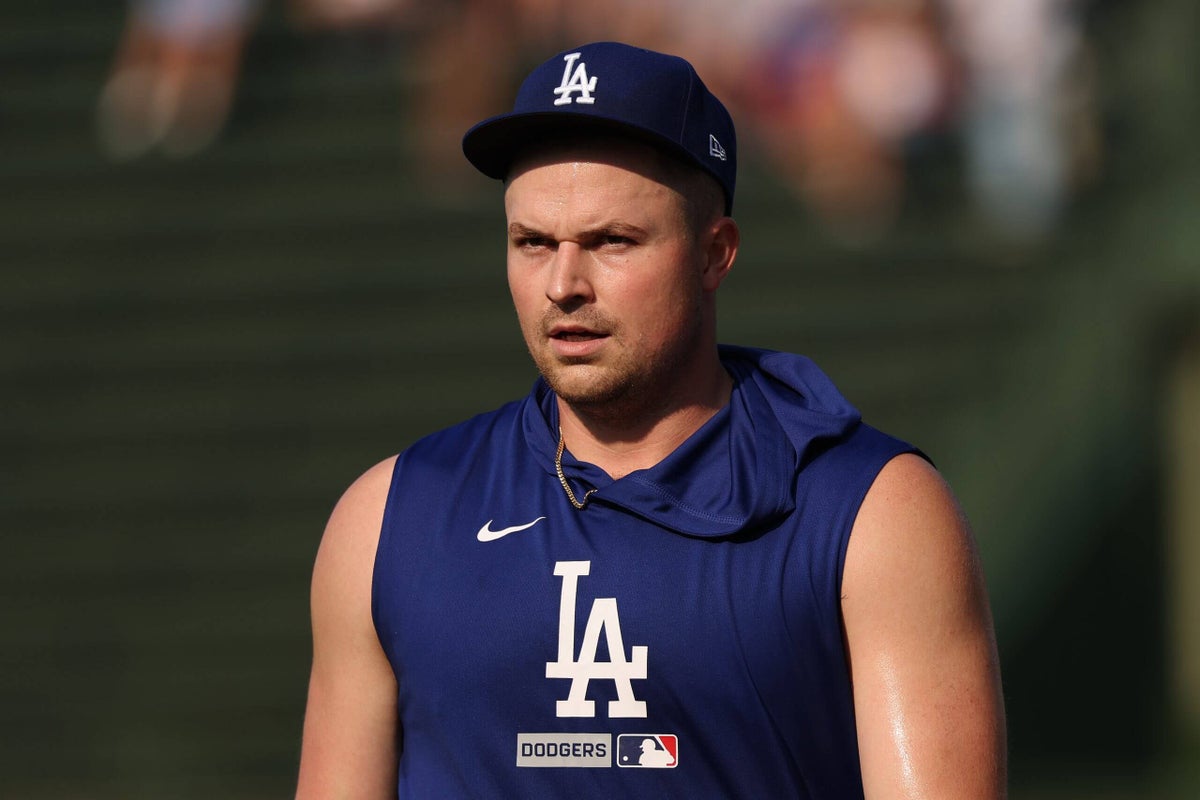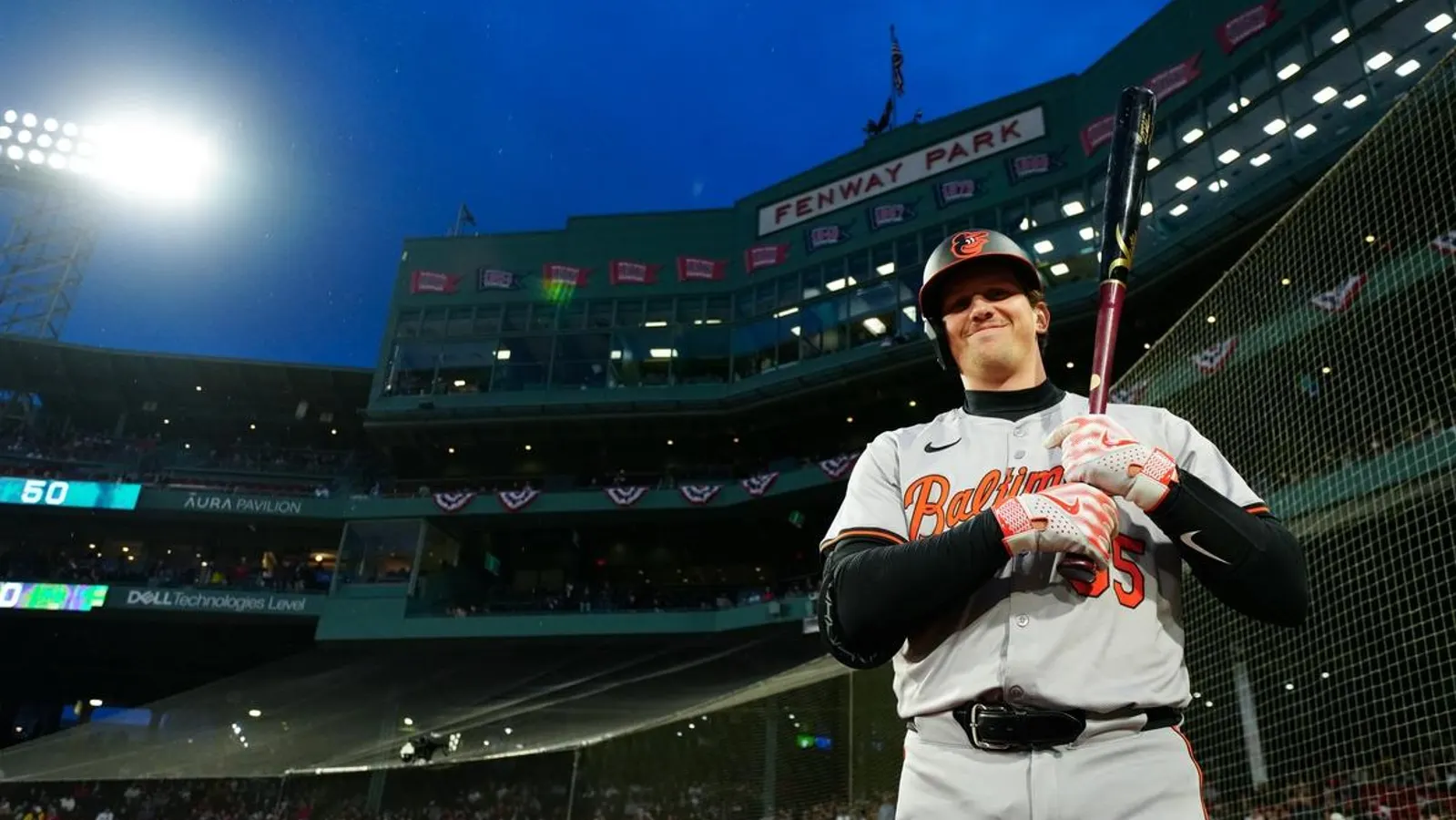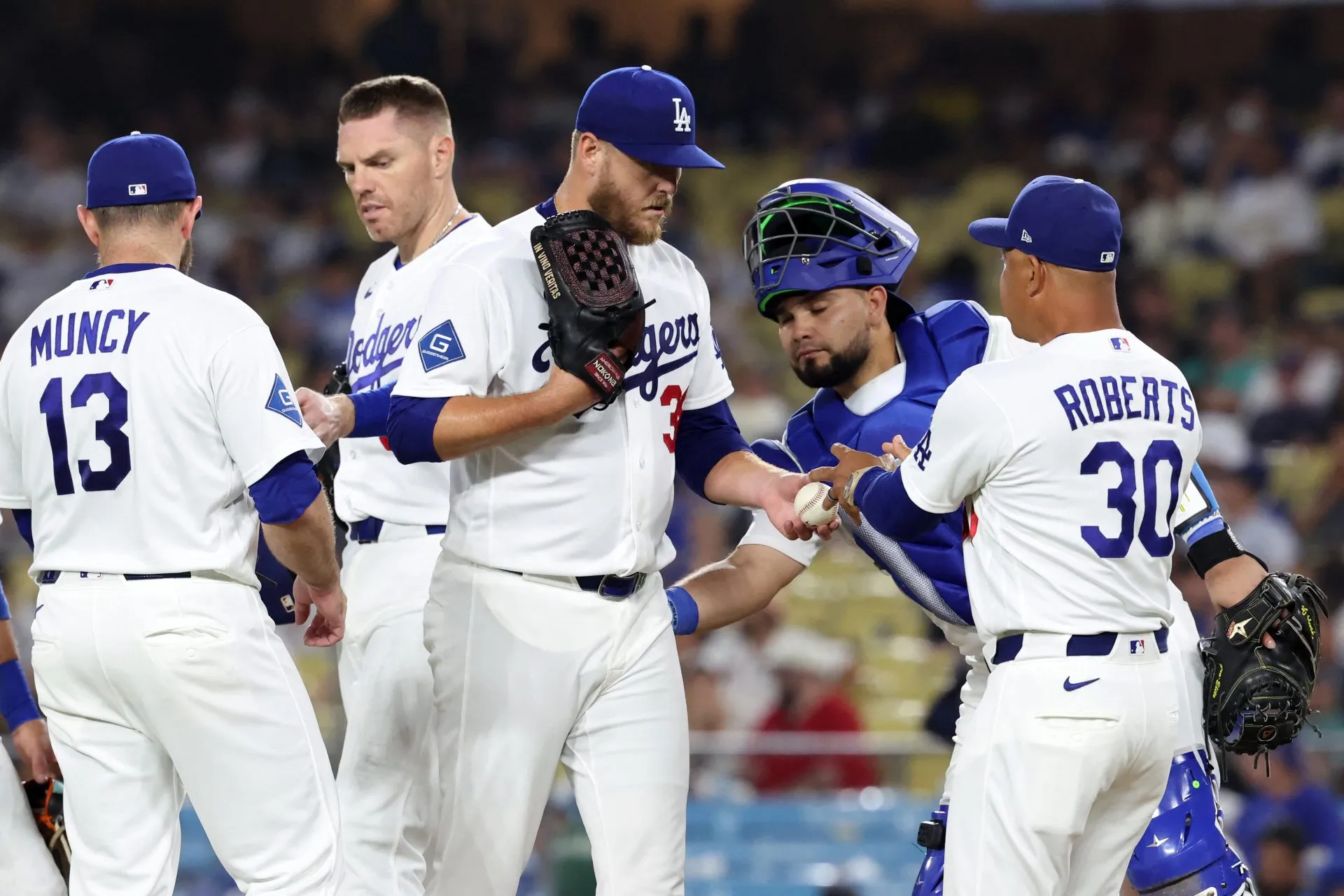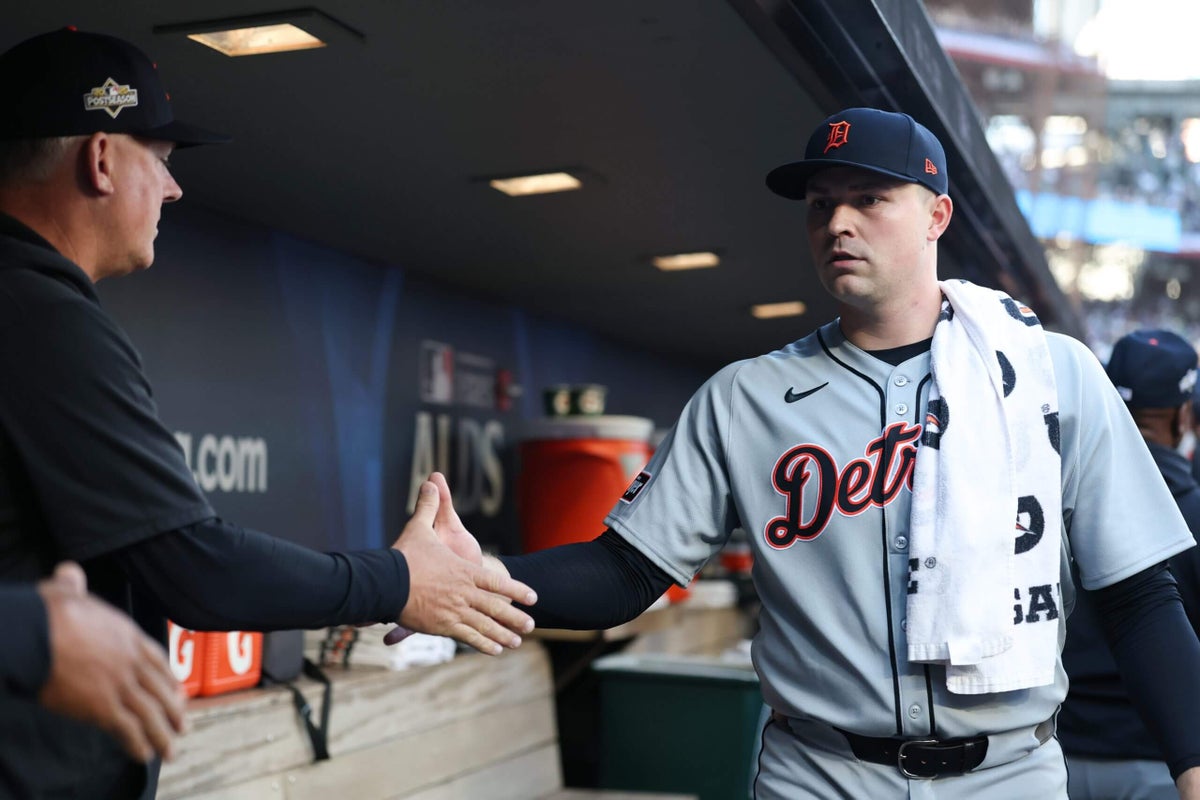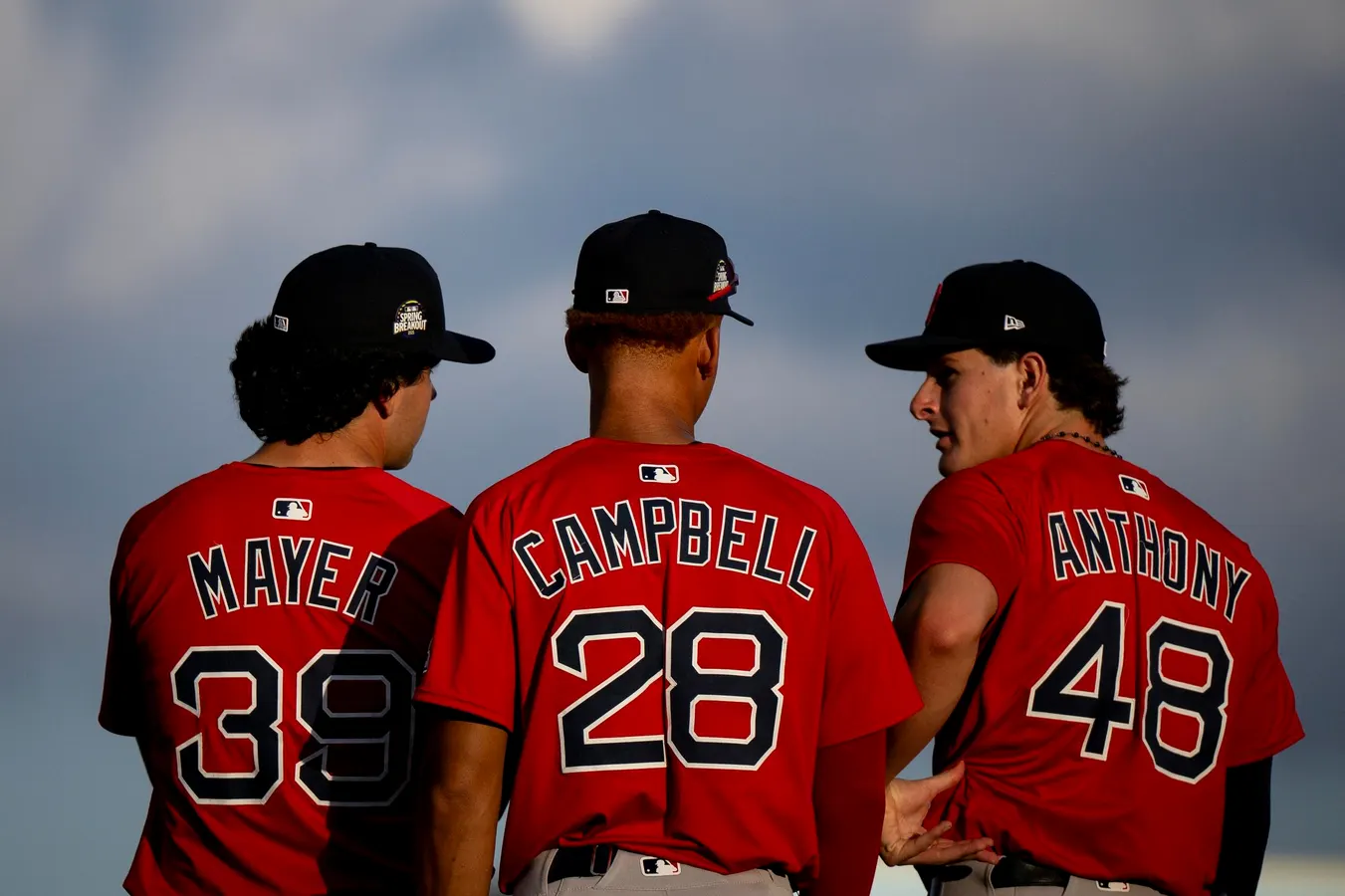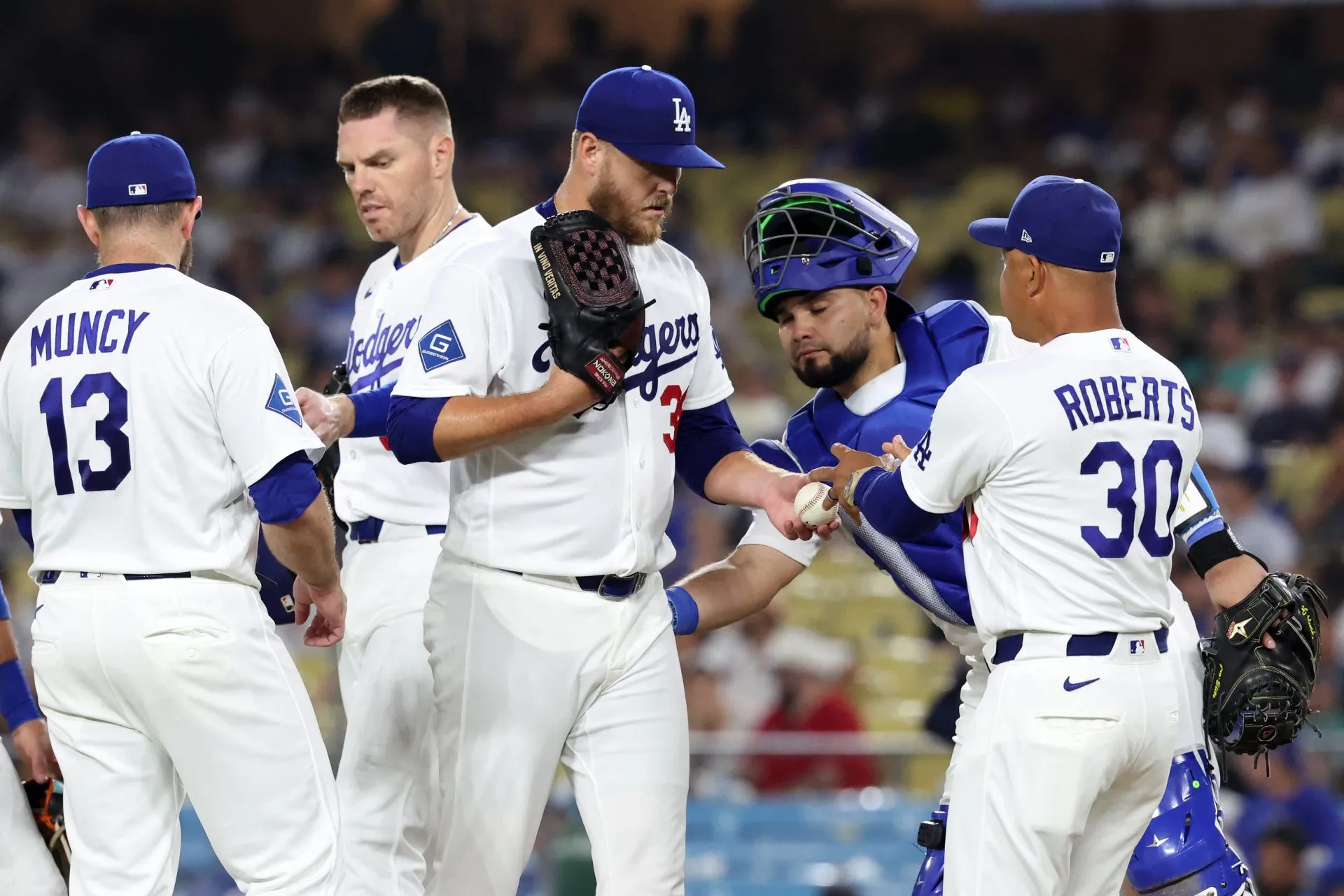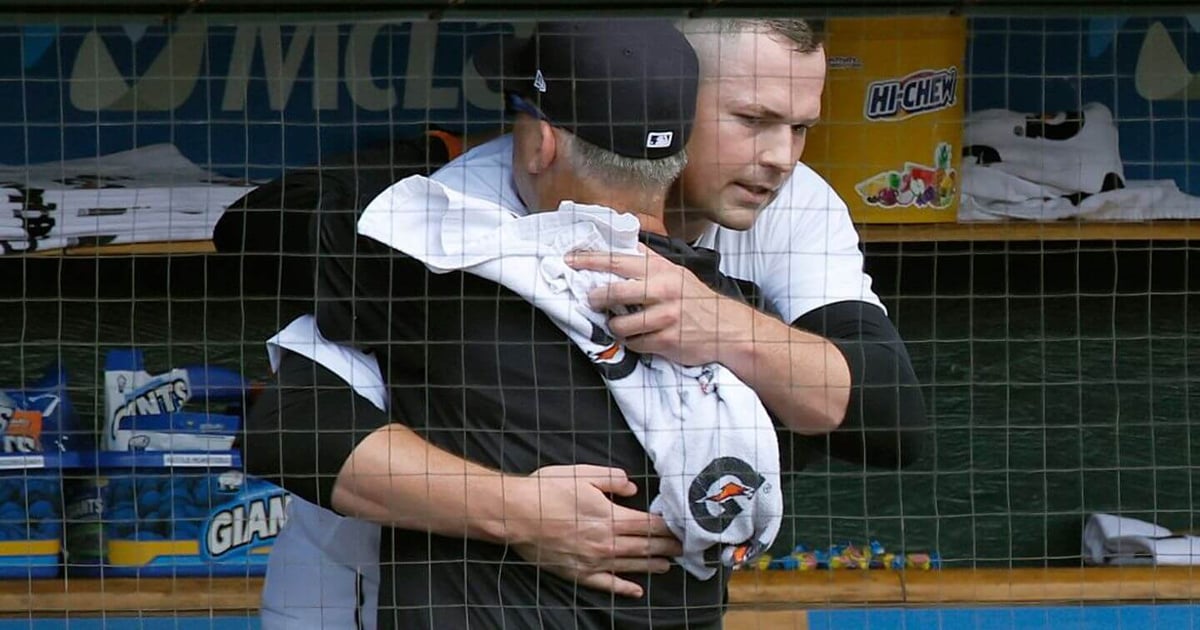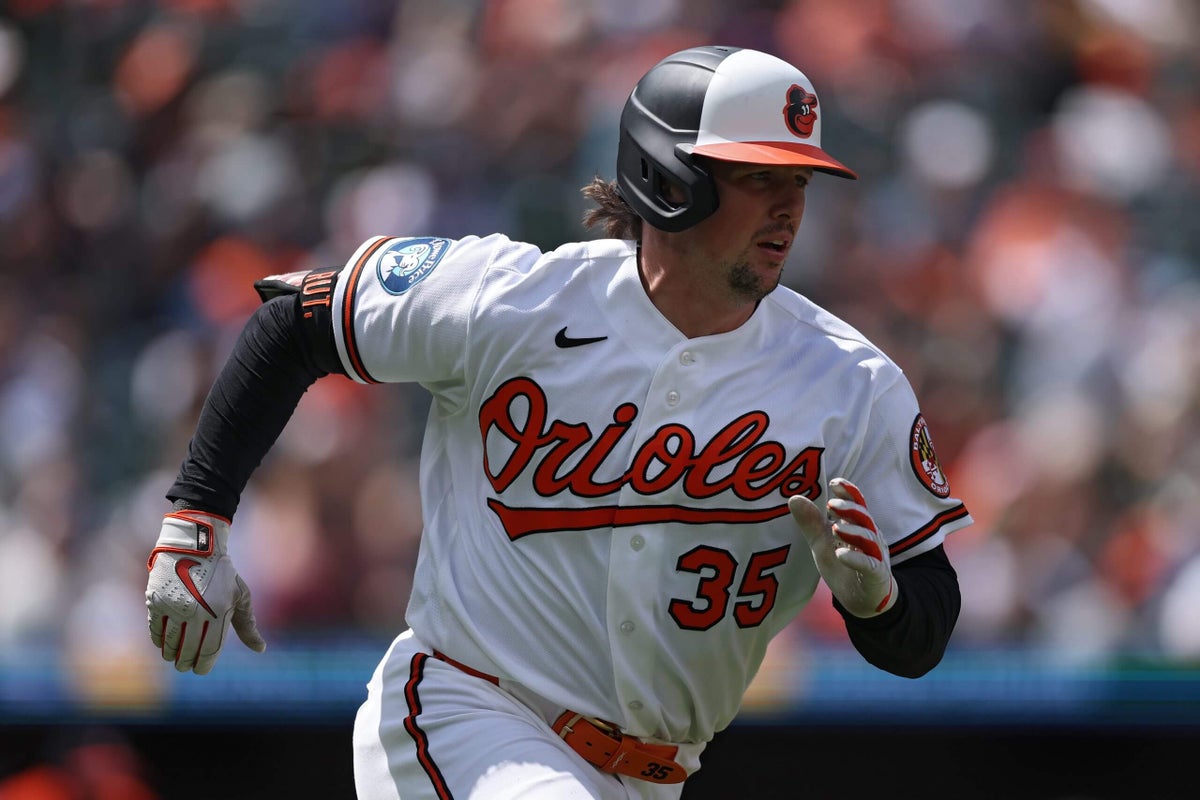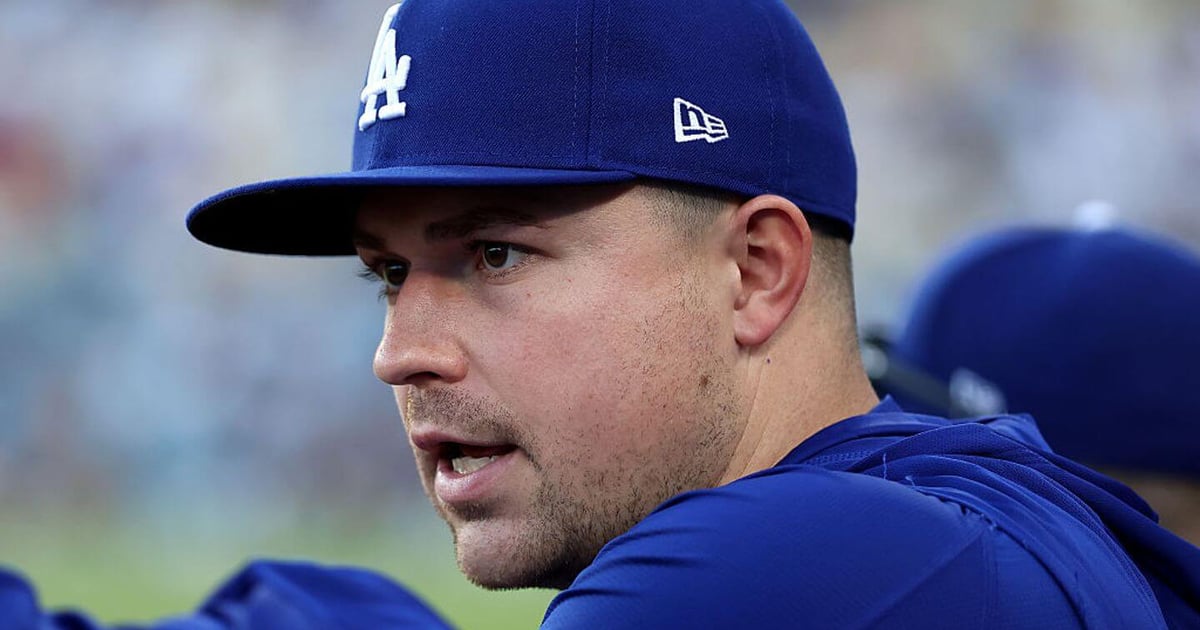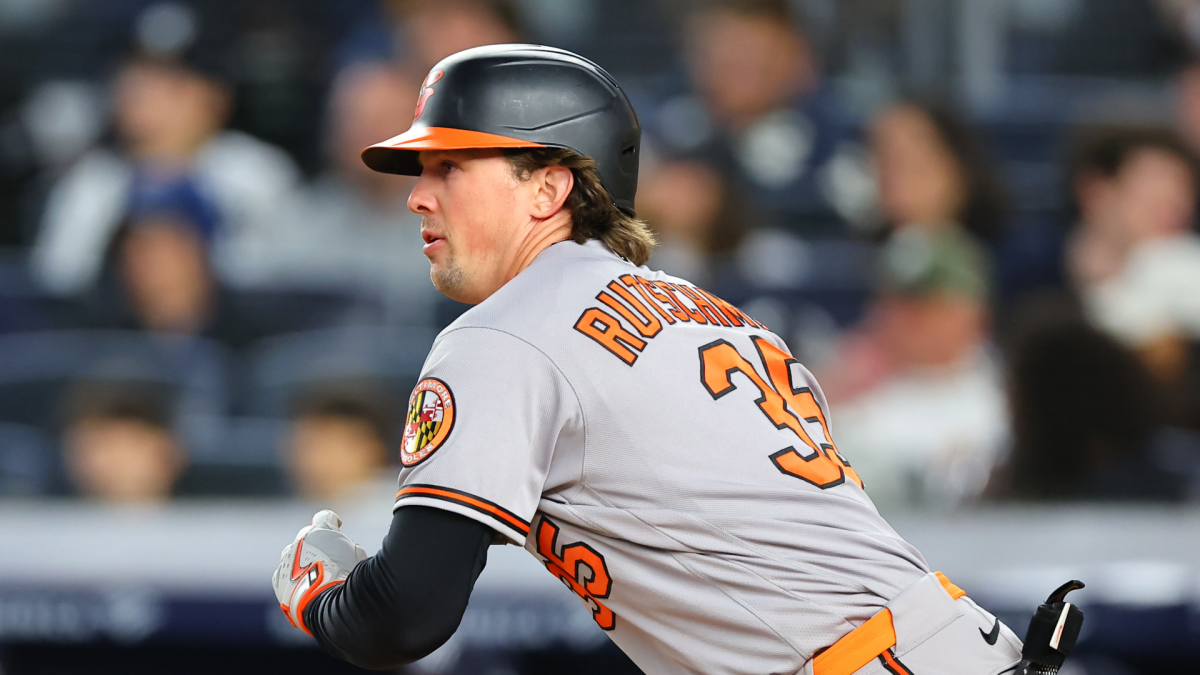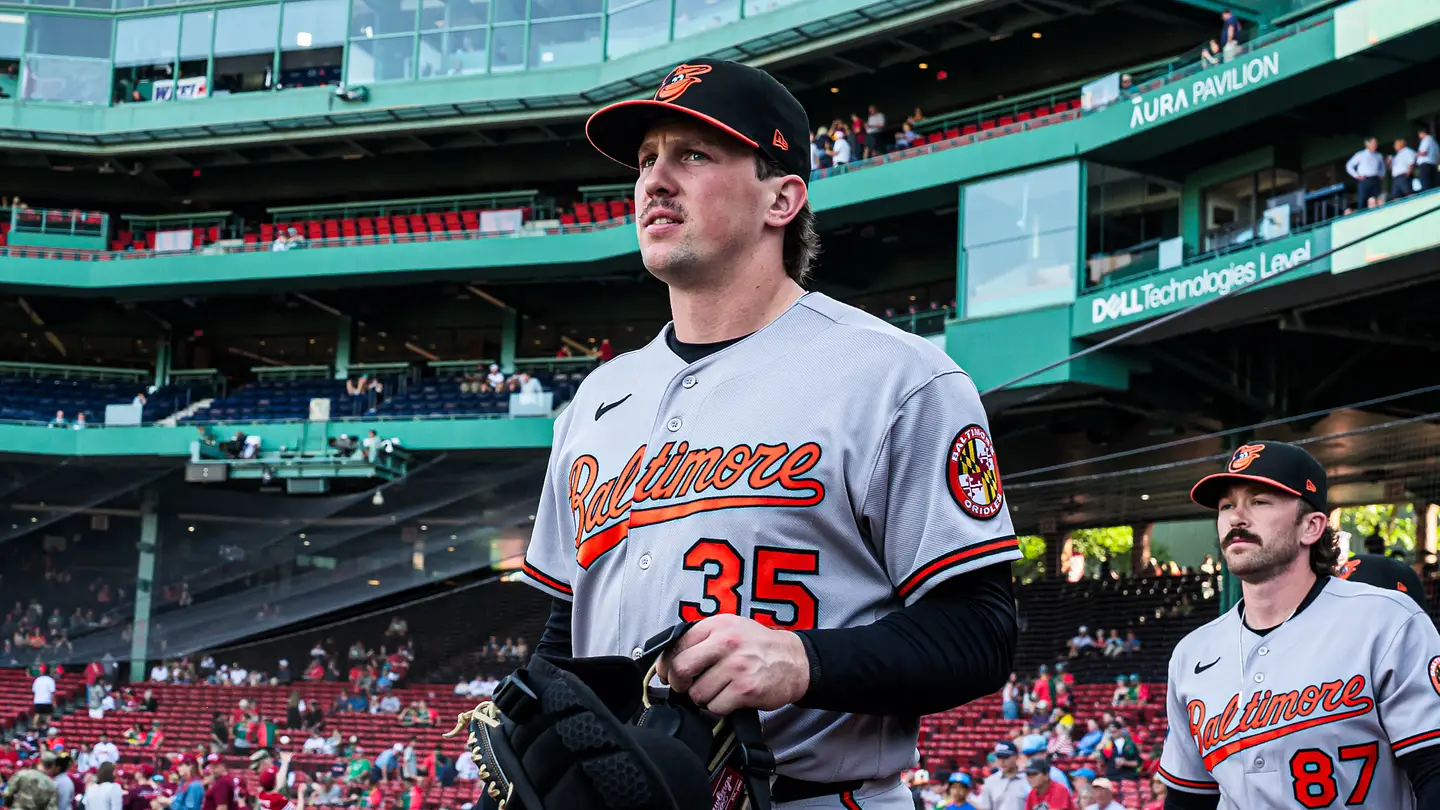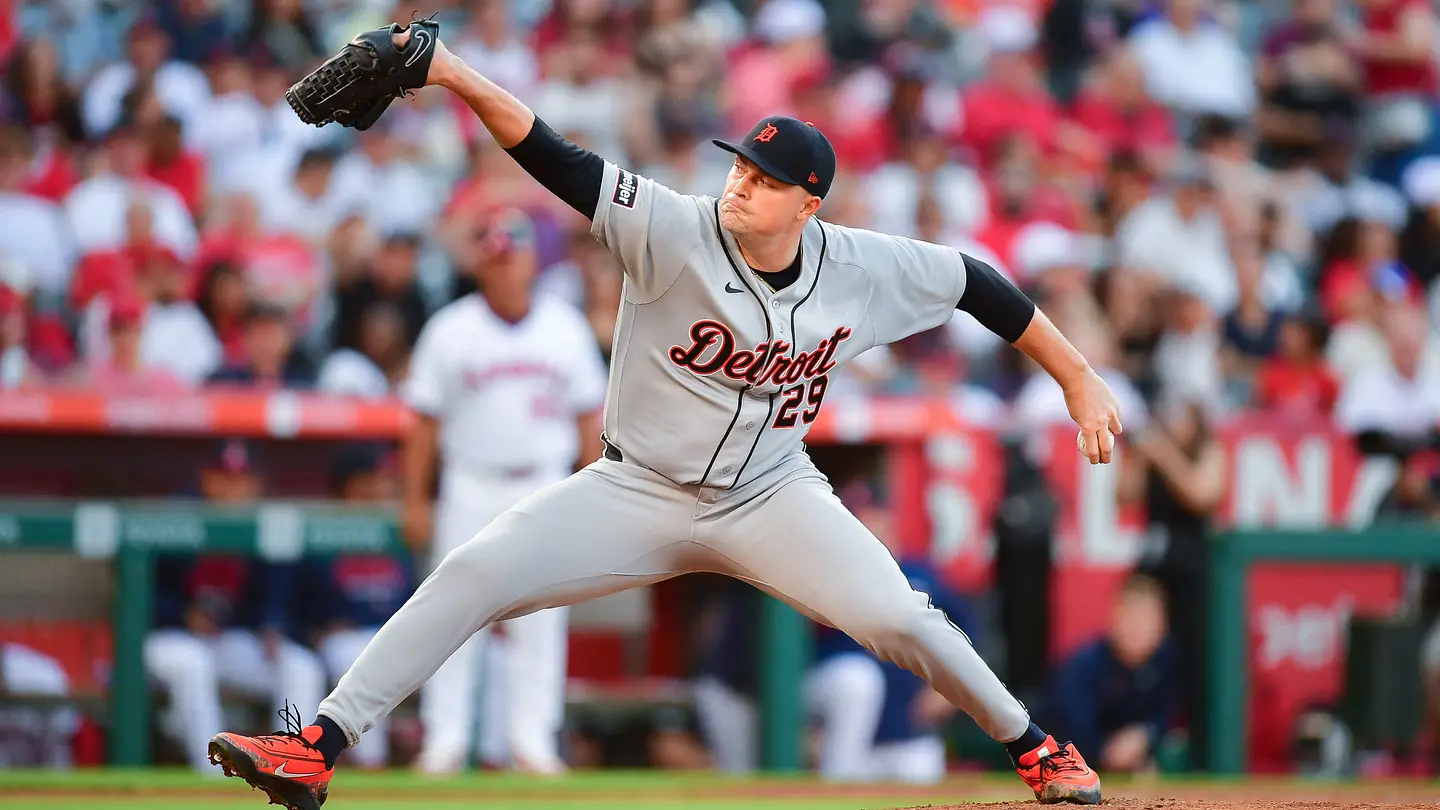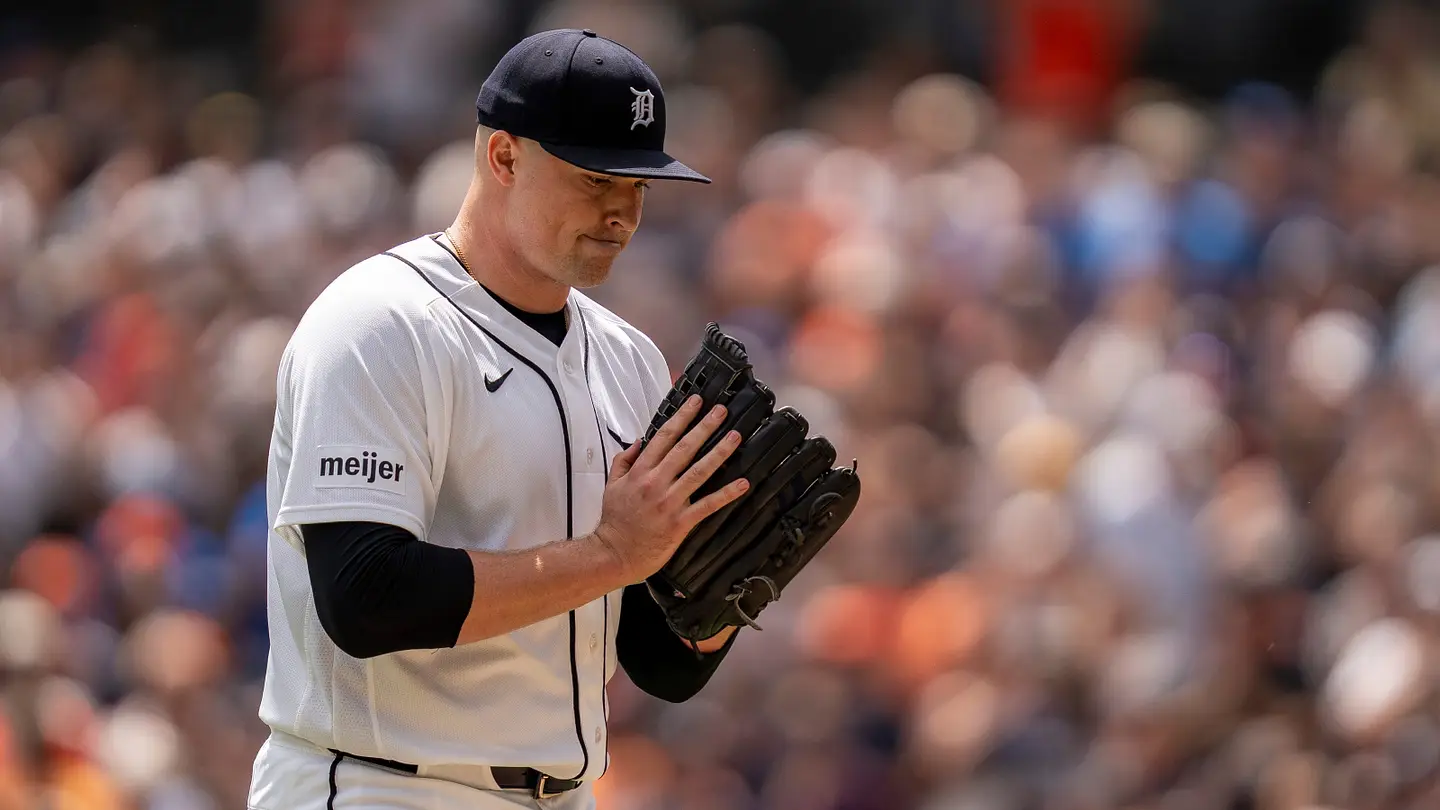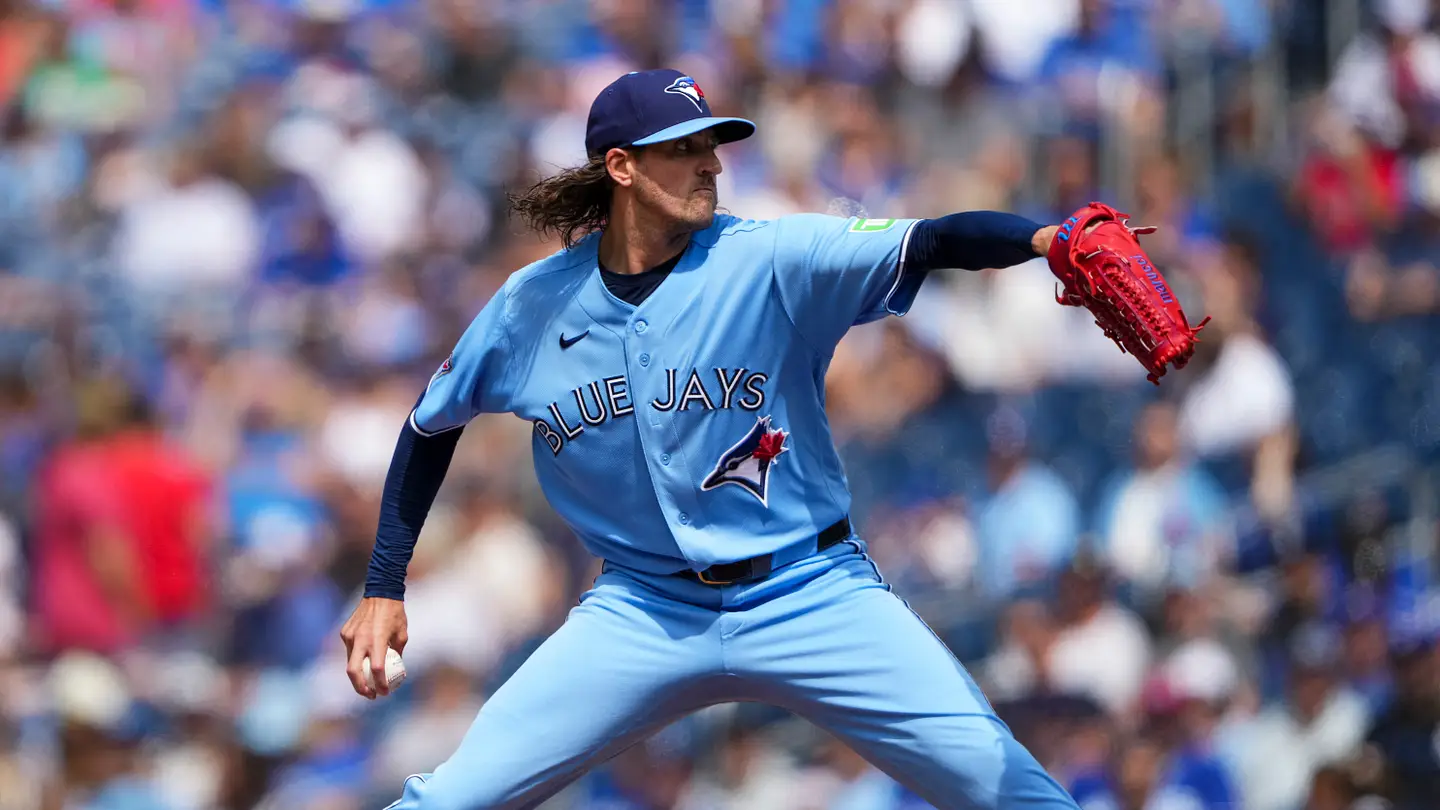
The 2026 trade deadline is in the rearview mirror, and what a spectacle it was. All was quiet on the western front until Saturday night, when the biggest domino, Tarik Skubal, was dealt to the Dodgers, setting off a firestorm of deals between Sunday and Monday. We saw traditional buyer-seller partnerships and we saw buyers selling and sellers buying. The result was a dizzying display of deal-making from MLB’s decision-makers. Through it all, we also saw the central purpose of the trade deadline play out: teams addressed their biggest needs. Here are the seven biggest upgrades of this year’s trade deadline. SP Luis Castillo to the White SoxLuis Castillo has been among the most reliable starting pitchers in the game in each of the past three seasons. | IMAGN IMAGES via Reuters ConnectStarting pitching was a big need on the south side of Chicago, as White Sox starters have accounted for the fewest innings pitched in the big leagues this year, putting an unnecessary amount of pressure on the club’s bullpen. So the team went out and acquired Luis Castillo in exchange for relief pitcher Seranthony Dominguez, outfielder Nolan Jones and No. 15 prospect Boston Smith. The fact that the White Sox, despite their sixth-lowest payroll, were willing to take on the remainder of Castillo’s roughly $30 million guaranteed salary tells you just how desperate they were to add a reliable innings-eater. And that’s exactly what Castillo has been recently, despite a down season in 2026. He has pitched to a 3.48 ERA while gobbling up 186 ⅓ innings per year over the last three seasons. SPs Kevin Gausman/Clay Holmes to the CubsClay Holmes was in the midst of a breakout campaign before he fractured his right fibula in May. | IMAGN IMAGES via Reuters ConnectStarting pitching was a big need on the north side of Chicago as well, but for different reasons. The Cubs’ starting rotation has been the picture of calamity this year. Cade Horton, who finished second in last year’s National League Rookie of the Year voting, underwent season-ending elbow surgery in early April, a harbinger of things to come. Since that point, three-fifths of the Cubs’ rotation also succumbed to injury, one starter—Jameson Taillon—was jettisoned from the club, and the patchwork rotation combined to pitch to a 4.12 ERA and the sixth-lowest strikeout rate in the majors. How did the Cubs front office respond? By landing not one, but two playoff-caliber starters in Gausman and Holmes. Stylistically, these guys fit Chicago’s rotation like a glove.Gausman has been hit hard recently, but still possesses one of baseball’s best splitters and a chase rate that has increased nearly three percentage points in a year. Meanwhile, Holmes and his plus-sinker (55.3% groundball rate) gives the Cubs rotation another avenue to get outs if the swing-and-miss isn’t there. Chicago suddenly has the makings of a capable playoff rotation to go with a mighty lineup. OF Heliot Ramos to the Yankees The Yankees desperately needed a righty bat and Heliot Ramos fits the bill. | IMAGN IMAGES via Reuters ConnectThe Yankees’ lineup without reigning back-to-back American League MVP Aaron Judge has been like a peanut butter sandwich without the peanut butter. Since June 1, New York has scored the fifth-fewest runs in the game and ranks dead-last in wRC+. Judge’s absence has been particularly felt from the right-handed side. Here's a closer look at how Yankees righty bats have fared without the reigning back-to-back American League MVP in the lineup. With Judge OBPSlugging PercentagewRC+.343.466127Without Judge OBPSlugging Percentage wRC+.279.37382In a move that feels like insurance in the break-glass-in-case-of-emergency scenario where Judge doesn’t return this year, the Yankees shipped out two top-15 prospects to the Giants for Heliot Ramos, a right-handed hitting corner outfielder with three years of club control. Ramos has mashed lefty pitchers this year to the tune of a .292/.343/.492 slash line. Plus, the 26-year-old tends to hit a ton of opposite-field fly balls, as 21.5% of the batted balls in the air for his career have been hit the other way. That’s a perfect fit for the Yankee Stadium short porch, and the numbers back it up, as Statcast suggests that Ramos would have four more home runs had he played in the Bronx this season. The likes of Spencer Jones and Jasson Dominguez haven’t been cutting it this year, so Ramos gives the Yankees a proven corner outfielder for 2026 and beyond. RP Luke Weaver to PiratesLuke Weaver instantly becomes the Pirates' best reliever. | IMAGN IMAGES via Reuters ConnectThe high leverage innings have been a disaster for the Pirates this season, costing Pittsburgh multiple games in the hotly contested NL Wild Card race and forcing manager Don Kelly to play musical chairs with his relievers. Almost overnight, Pirates general manager Ben Cherington completely overhauled his relief corps, importing Camilo Doval, Kirby Yates, Lake Bachar and Luke Weaver. There’s no bigger—and more important—upgrade than Weaver, who has bounced back in a big way for the Mets this season. The righty has allowed one earned run since April 30 and owns the 13th-largest difference between his strikeout and walk rates during that span. Weaver has closing experience both in the regular season and postseason, which is very important for a Buccos team that recently made part-time closer Dennis Santana walk the plank and currently employs the sometimes-erratic Gregory Soto as its closer. At worst, Weaver can work in a lefty-righty ninth inning tandem with Soto. At best, he’s Pittsburgh’s new ninth-inning stopper. C Liam Hicks to Rays Liam Hicks fits the Rays like a glove. | IMAGN IMAGES via Reuters ConnectAfter going against traditional team philosophy to offload prospects for a rental pitcher in Freddy Peralta, the Rays returned to their roots with the Liam Hicks acquisition. Hicks is the kind of low-cost, club-controlled asset Tampa Bay typically covets. But he’s also a perfect fit for the lineup. With Junior Caminero and Yandy Diaz, the Rays have plenty of thump from the right-handed side. However, besides slugging first baseman Jonathan Aranda, there’s considerably less boom from the left side, as Rays lefty batters have posted the sixth-lowest OPS in the majors. On top of that, Rays catchers Nick Fortes and Hunter Feduccia, the latter of whom was dealt to the Dodgers, have both been below replacement-level with the bat. Hicks fits the club company line in that he doesn’t chase pitches out of the zone and rarely strikes out. But most of all, his .282/.363/.432 slash line and 14 home runs will be a godsend for a Rays lineup in desperate need of hitting production from their backstops. SPs Casey Mize/Robbie Ray to PadresThe Padres acquired Casey Mize at the buzzer of the trade deadline. | USA TODAY Network via Reuters ConnectTo say the Padres needed competent starting pitching would be an understatement. Starters not named Michael King have pitched to a 5.29 ERA and 19% strikeout rate this season, an abysmal showing for a team with revitalized postseason aspirations after winning eight of their last nine games entering the deadline. Say what you want about Padres general manager A.J. Preller, but he never fails to amaze. Working with one of baseball’s weaker farm systems, Preller went out and nabbed two frontline starting pitchers in Casey Mize and Robbie Ray, aggressively filling San Diego’s needs by parting ways with three top-10 organizational prospects to do so. The jury is out on if this is a smart strategy long term, but there’s absolutely no doubt that Preller improved this rotation by leaps and bounds. Mize has posted career-bests in ERA, strikeout and whiff rates, while Ray ranks among the top-25 pitchers in ERA and innings pitched in 2026. Plus, with last year’s ace Nick Pivetta and fellow starter Joe Musgrove nearing rehab assignments, there are even more reasons to feel better about this rotation moving forward. C Adley Rutschman to Red Sox The Red Sox surrendered three top-five prospects to land Adley Rutschman. | IMAGN IMAGES via Reuters ConnectMonday’s biggest blockbuster was also one of its most sizable upgrades, as the Red Sox fully addressed their need for a catcher with perhaps the best available backstop in Adley Rutschman. Boston’s need for a capable hitter behind the plate was nearly as dire as their AL East rivals in New York, for the Red Sox duo of Connor Wong and Carlos Narvaez ranked among the bottom-five at the position in strikeout rate, slugging percentage and wRC+ this year.Red Sox president of baseball operations Craig Breslow certainly had to pay up to get Rutschman, sending out three-top five prospects, Narvaez and a player to be named later for the Orioles backstop. From a pure catching standpoint, Breslow essentially replaced Narvaez with Rutschman. Here’s a look at just how large an upgrade that will be for the offense-starved Red Sox.Carlos Narvaez Slugging PercentagewRC+Strikeout Rate.2754733.5%Adley Rutschman Slugging Percentage wRC+Strikeout Rate .43311514.1%But wait, there’s more. Rutschman is comparable to Narvaez as a pitch framer and blocker, and also rates in the 100th percentile in runners caught stealing above average, compared to Narvaez, who places in the 53rd percentile. Breslow paid a steep price, but Rutschman will be a gargantuan upgrade for Boston. More MLB from Sports IllustratedAdd us as a preferred source on GoogleFollow
The Seven Biggest Upgrades of the 2026 MLB Trade Deadline
From sorely-needed starting pitchers to coveted catchers, here are the seven biggest upgrades of the 2026 trade deadline.
1,539 words~7 min read