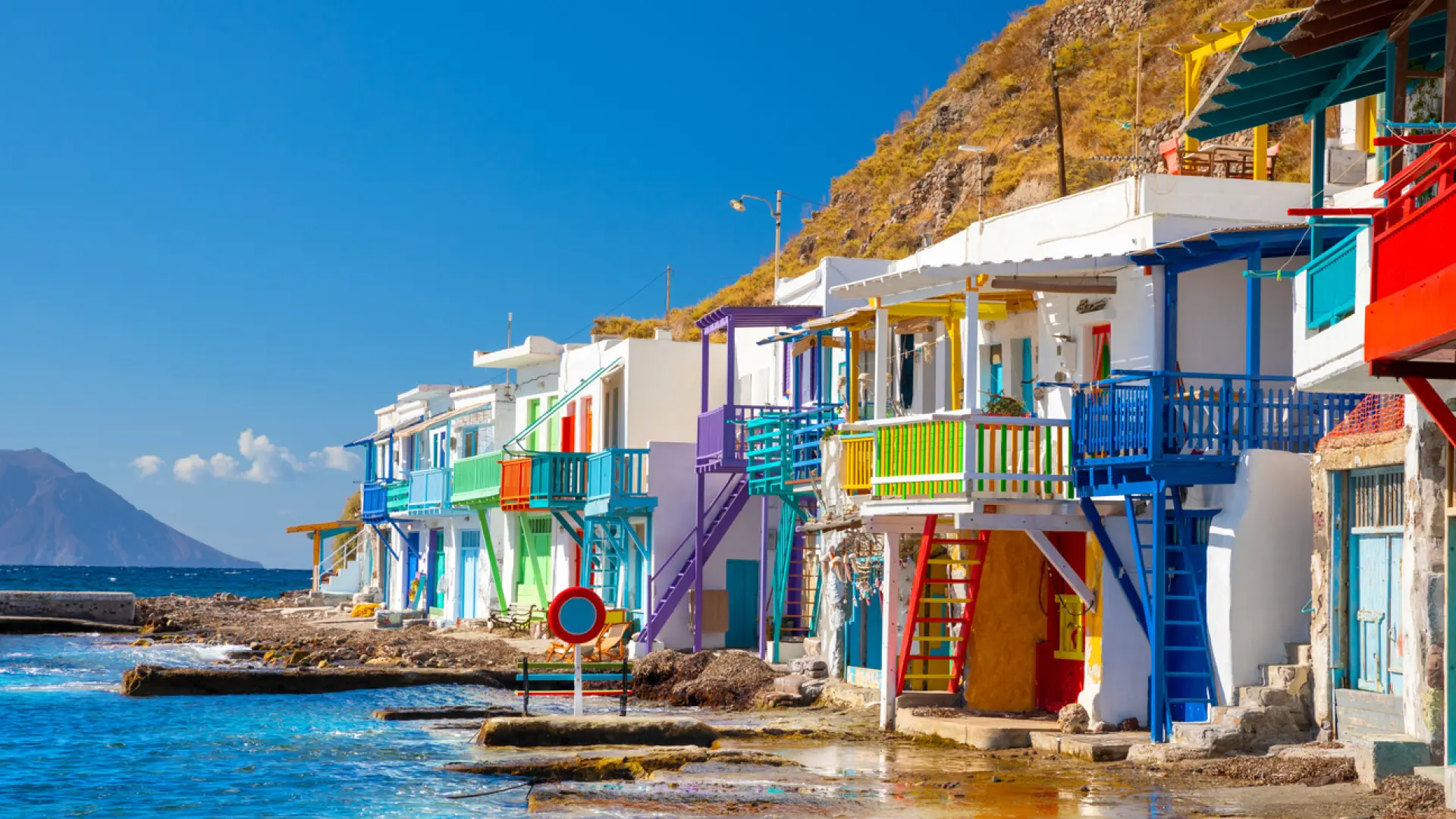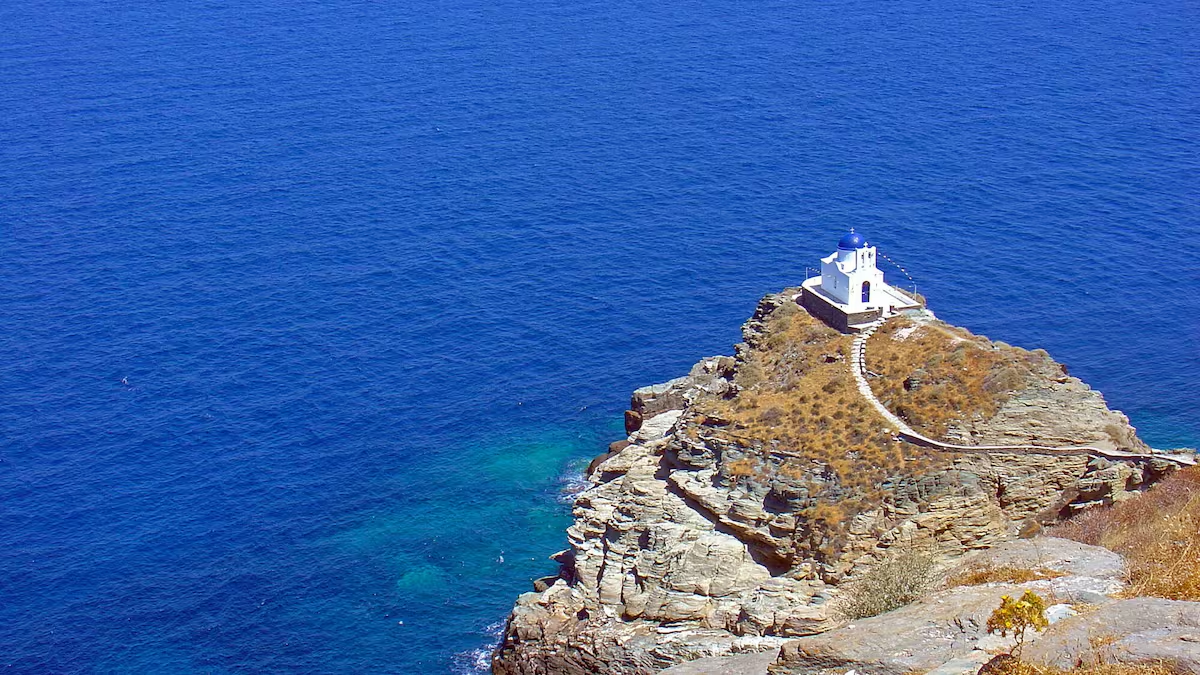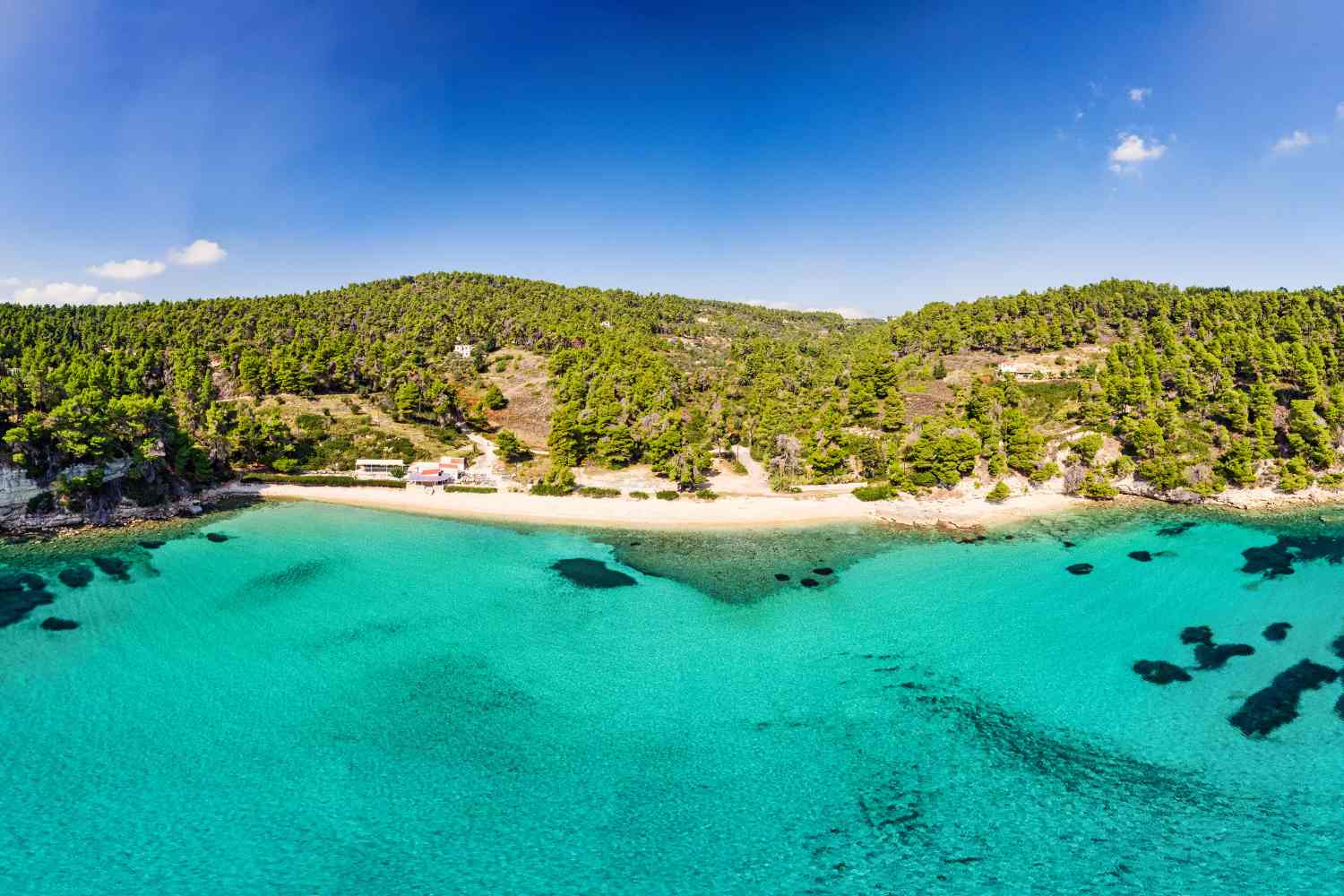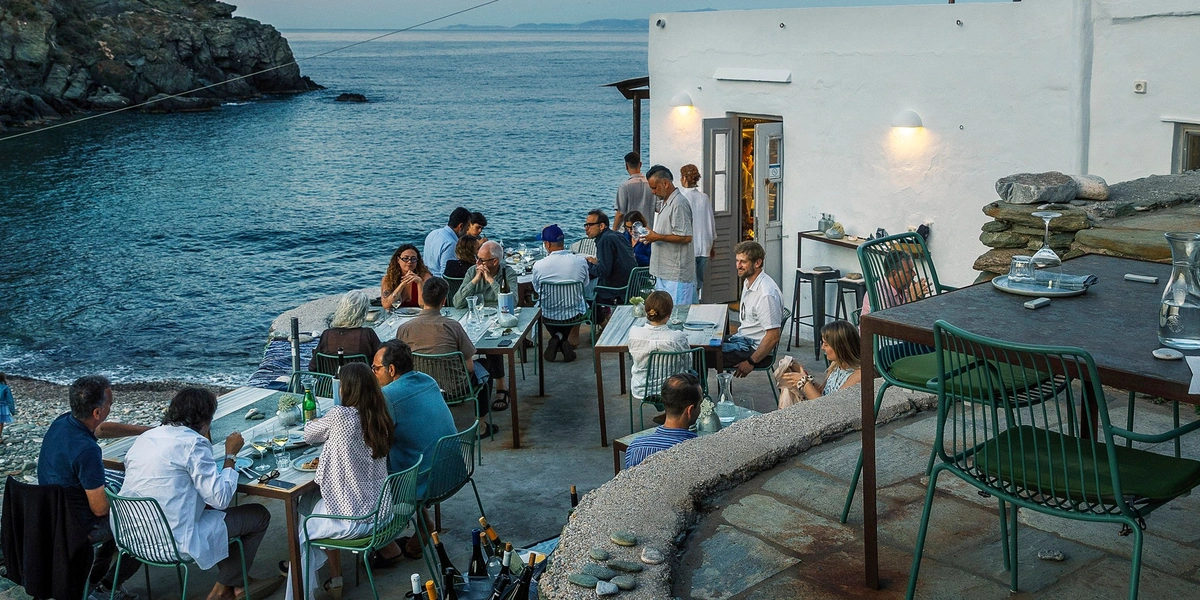
With its picturesque villages, celebrated cuisine and hiking trails that thread together terraced hillsides along the coast, Sifnos, Greece, has over the decades amassed a devoted legion of return visitors. But in recent years, as travelers seek alternatives to crowded hot spots like Mykonos and Santorini – which, unlike Sifnos, have airports – fresh energy has washed over this Cycladic island. Driving much of the new interest is a flourishing food scene: Shaped by Nicholas Tselementes, a native son whose cookbooks helped define modern Greek cuisine in the early 20th century, it’s now getting a boost from chefs who are using far-flung techniques to serve up playful variations on classic fare at seaside restaurants and village kitchens alike. Even as Sifnos evolves and its profile rises, its most cherished traditions remain central to its appeal.
2 p.m. | Watch potters work
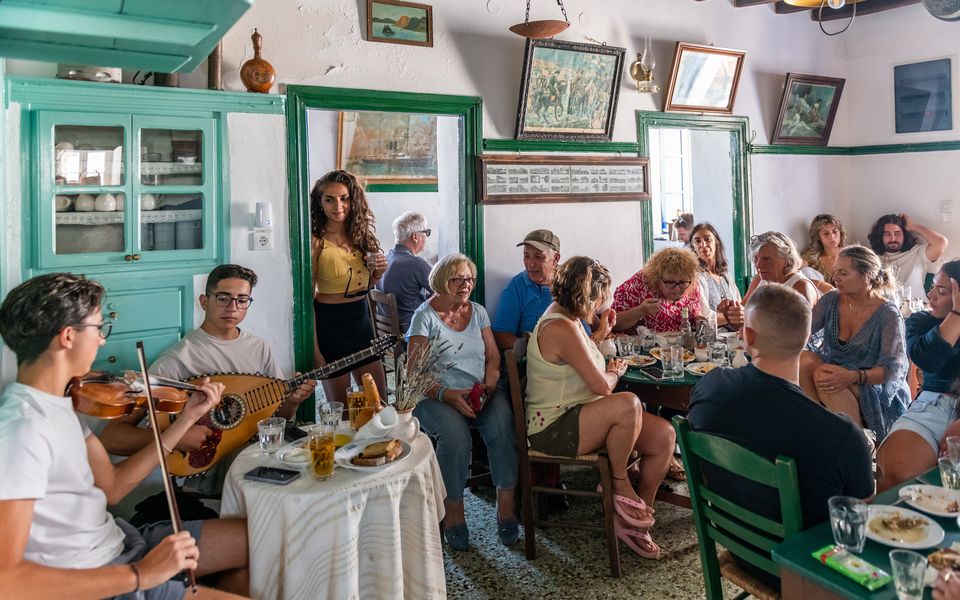
On Sifnos, a pottery hub since antiquity, only a score of artisans remain to keep the craft alive. Among them is fourth-generation ceramist Nikos Lembesis. At Lembesis Pottery, his family’s workshop in Artemonas, watch as he shapes clay pots for the kiln while relatives adorn plates and cups with his grandmother’s flower and fish motifs. Then head to Theodorou, where sweets are cooked in copper pots over a wood fire. Pick up some amygdalota, traditional sugar-dusted almond cookies, for later; they’ll make a perfect dessert after a late lunch at Margarita, a relaxed taverna on the main square serving local favorites like mastelo – slow-cooked goat with dill, named for the traditional clay pot in which it’s cooked – and almyres, slender salty greens (about 28 euros, or $32, per person, without wine).