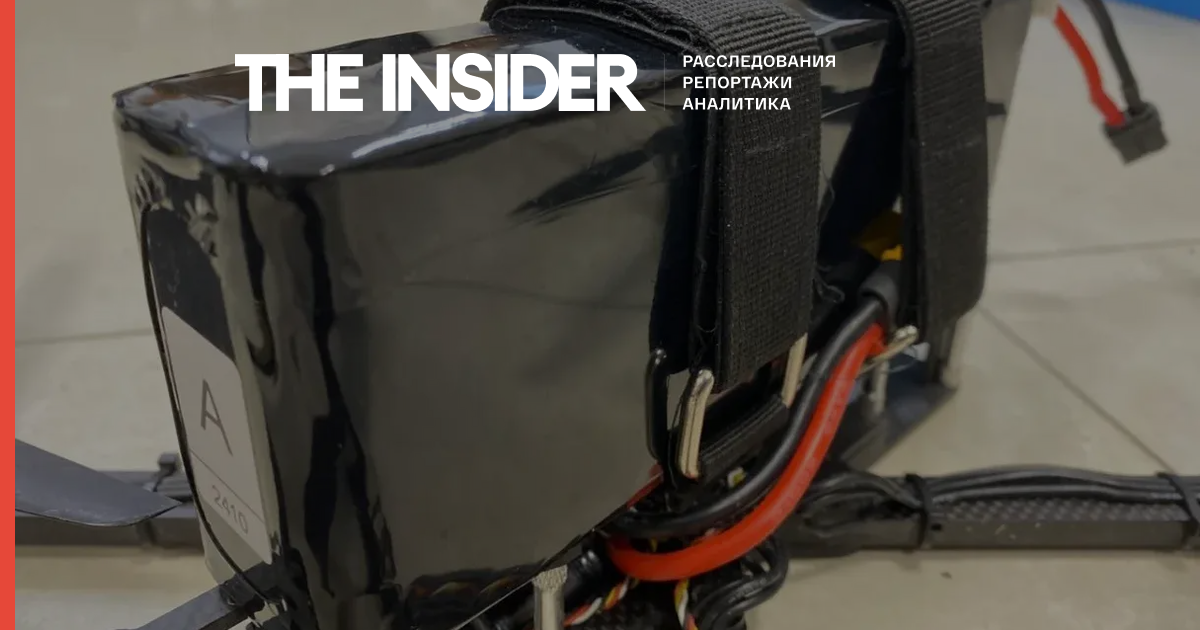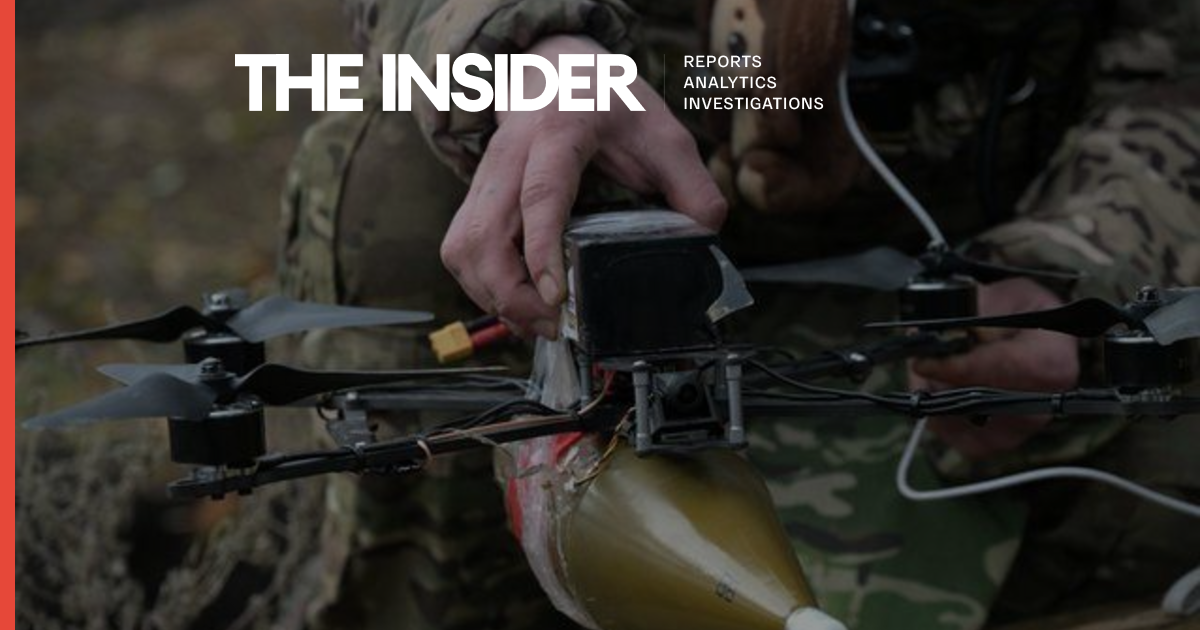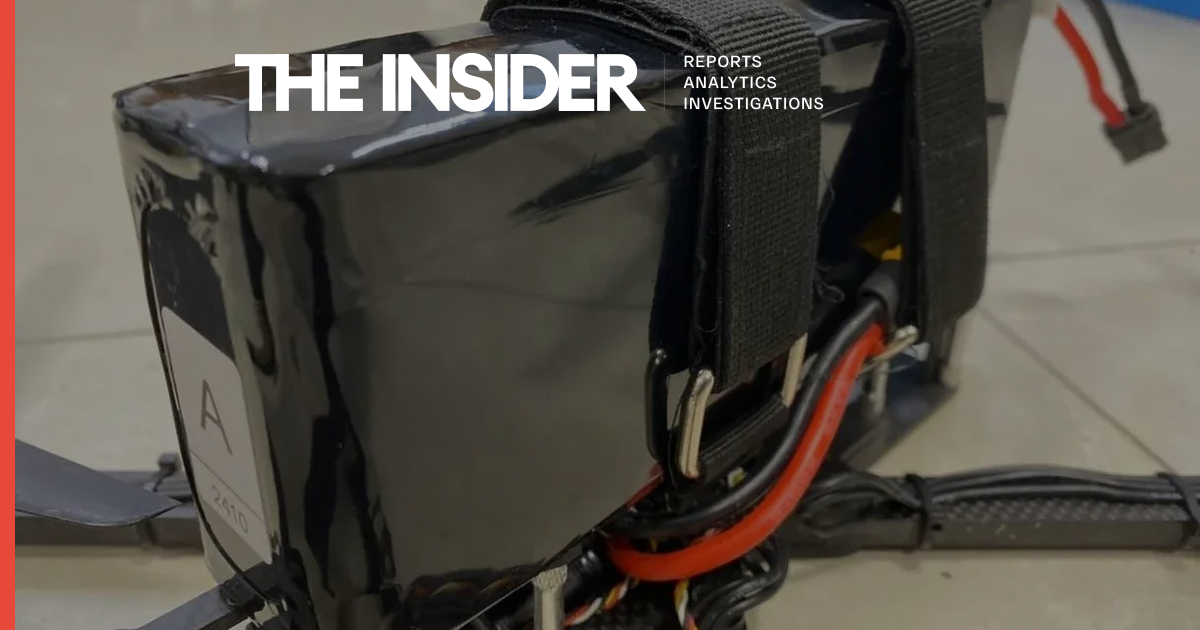
As The Insider has discovered, Russia is rapidly developing the domestic production of lithium-ion batteries for FPV drones. This is evidenced by a sharp rise in imports of materials needed to assemble this component, with several areas showing manifold growth. The development of the industry in Russia will significantly undermine the West’s ability to influence the supply of drones to Moscow’s military.Contents1.Captured deposit in Ukraine2.Growth in electrolyte supplies3.Cathode materialAt a minor industry trade show in Yekaterinburg in the summer of 2025, Anastasia Mikhailova, director of Rosatom’s subsidiary Renera, announced Russia’s revolutionary ambitions in the field of drone component manufacturing. Her statement went almost unnoticed — even among federal media, only TASS quoted Mikhailova. But her words amounted to nothing less than a declaration that Russia had set a course toward full production autonomy in manufacturing the most lethal weapon of modern warfare.Captured deposit in UkraineRussia’s plans to fully localize the production of lithium-ion batteries by 2030 were announced just a couple of weeks after Russian forces captured the Ukrainian village of Shevchenko, which happens to hold the only major lithium deposit under Russia’s physical control.Lithium extraction in UkraineUkraine long considered this lithium deposit to offer real potential for development, with Kyiv’s State Service of Geology and Mineral Resources estimating the lithium oxide content of local rock at 1.24%. For comparison, major deposits in Australia, where lithium is also primarily extracted from minerals, have a lithium oxide content of approximately 1–3%.Russia was so eager to seize the deposit that the first reports of its capture appeared as early as January 2025. In reality, however, Russian forces did not bring it under control until half a year later.Russia was so eager to seize the deposit that it announced its capture six months before actually establishing control
Drone power: Russia is building a lithium-ion battery industry for UAVs using Chinese and Korean materials
As The Insider has discovered, Russia is rapidly developing the domestic production of lithium-ion batteries for FPV drones. This is evidenced by a sharp rise…
1,271 words~6 min read