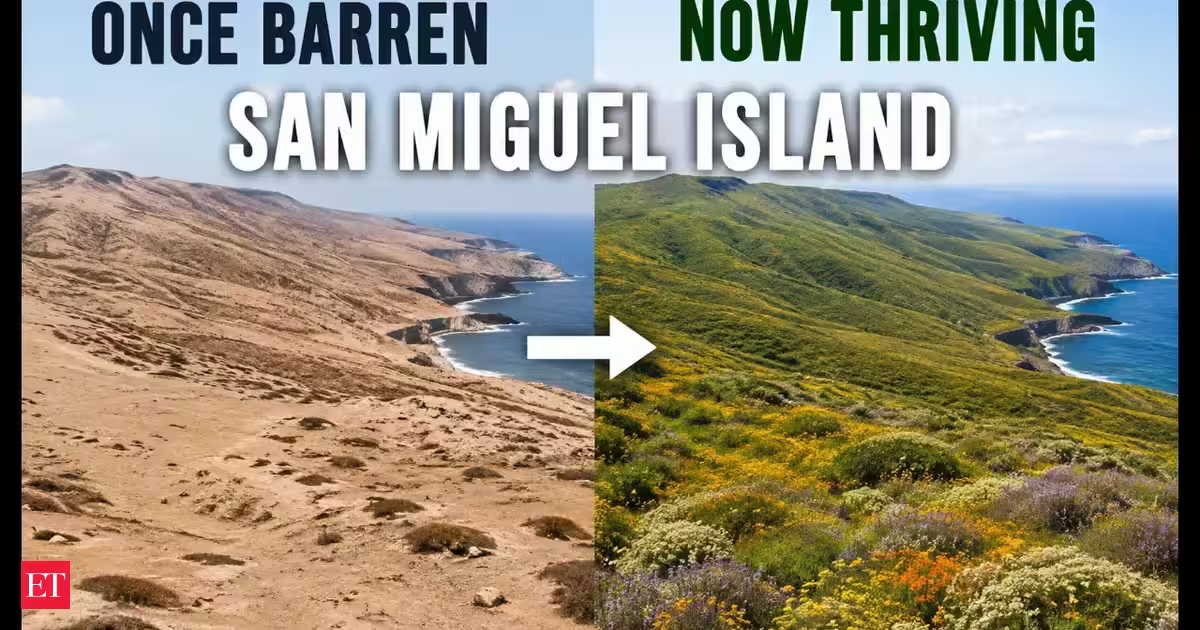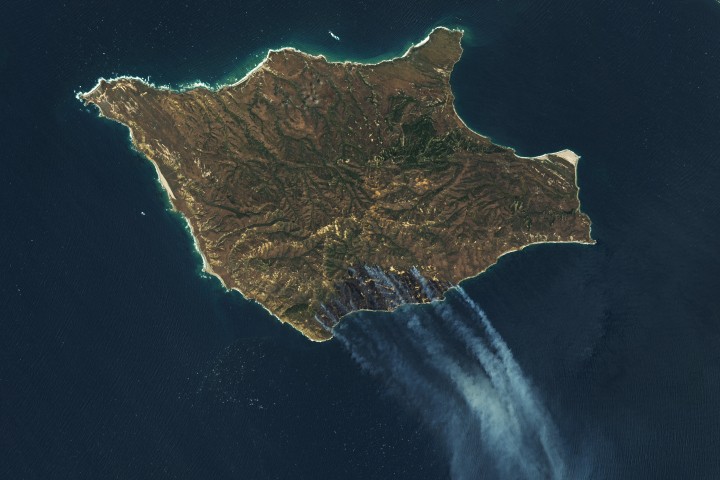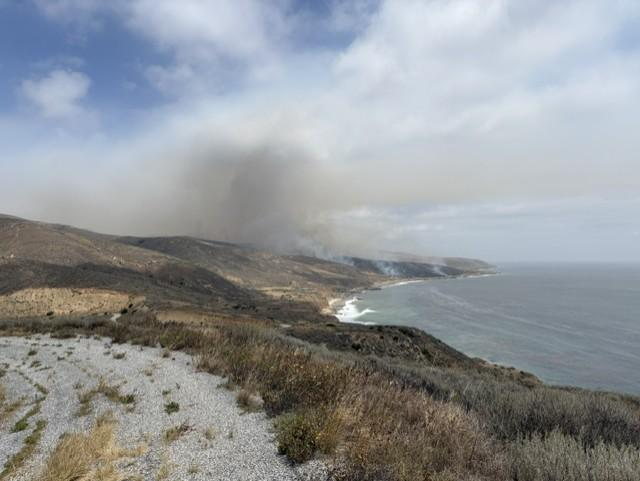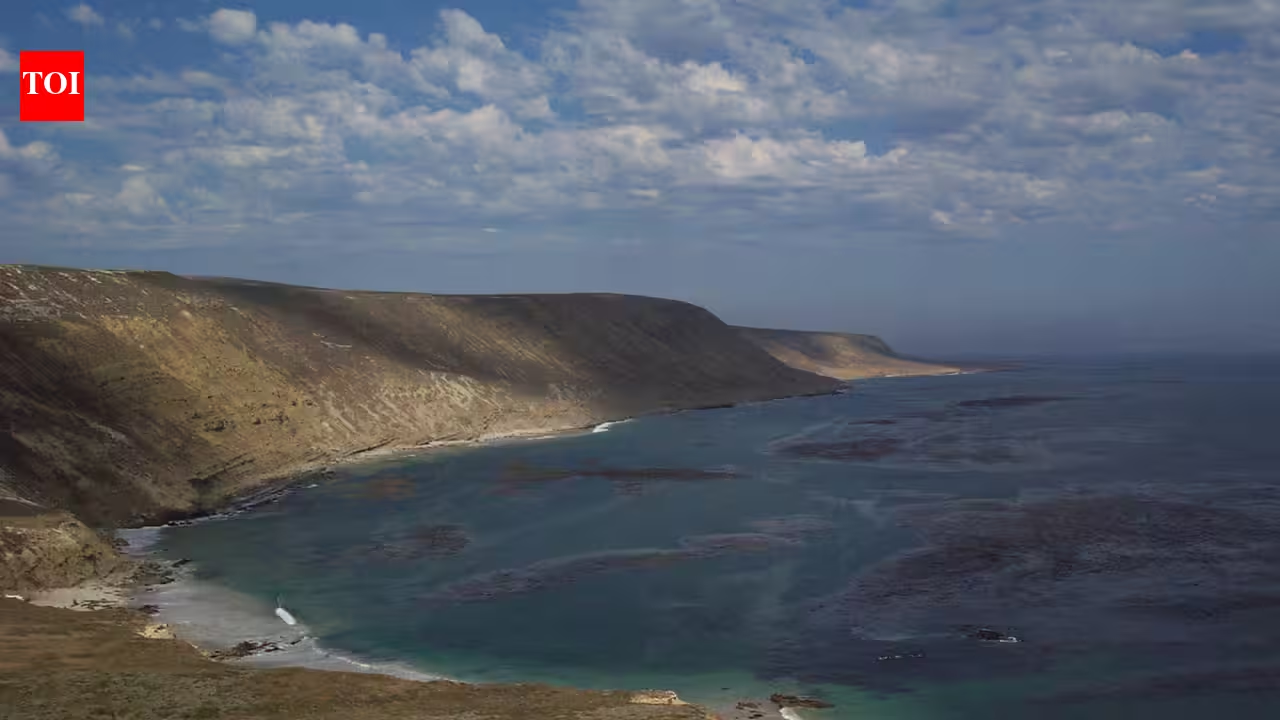
San Miguel Island shows significant ecological recovery after introduced herbivores were removed. Native vegetation has gradually returned, stabilizing fragile soils and restoring habitats. This recovery supports a wide range of native wildlife, including seals and seabirds. Image Credits: Wikimedia CommonsSan Miguel Island is the westernmost island in California's Channel Islands National Park. Strong winds, frequent fog and rugged cliffs make this one of the park’s most remote landscapes. When introduced grazing animals dominated the island, many visitors described it as barren and sparsely vegetated.Today, visitors see a very different landscape. Native grasses cover many hillsides that were once heavily affected by grazing, seasonal wildflowers appear during favourable years, and the island supports a wide range of wildlife. The National Park Service says these changes followed decades of conservation work, including the removal of introduced grazing animals.After the introduced herbivores were removed, native vegetation gradually returned across much of the island as natural ecological processes resumed. Over time, more plant cover helped stabilise the soil and restore habitat for native wildlife.How removing introduced herbivores changed the islandBefore animals were introduced during the ranching era, San Miguel Island's native plant communities had developed under very different environmental conditions. Native plants adapted to the island's windy climate, salty air, limited freshwater and thin soils, creating an ecosystem suited to its challenging coastal environment.European settlement changed that balance when sheep, cattle, horses, donkeys and other grazing animals were brought to the island. Over many decades, these animals fed on native vegetation, reducing plant cover and disturbing fragile soils through constant trampling.As vegetation declined, exposed ground became more vulnerable to erosion from the island's strong winds. Parts of the landscape changed so dramatically that some observers described San Miguel as a "barren lump of sand", reflecting the widespread loss of vegetation during the period of intensive grazing.According to the National Park Service, land managers gradually removed the introduced grazing animals, and by 1977 the last introduced herbivores had been removed from the island. This marked a major milestone in the island’s restoration.Without continuous grazing, native grasses, shrubs and seasonal wildflowers slowly spread across areas that had been exposed for years. As vegetation expanded, plant roots helped reduce erosion and stabilise the landscape. San Miguel still experiences strong winds and a dry coastal climate, but visitors today can see far more native vegetation than during the years of intensive grazing.The island's isolation aided conservation efforts and the study of ecosystem restoration. Nearly five decades later, the landscape demonstrates successful habitat regeneration. Image Credits: Wikimedia CommonsRecovery of native habitats supported the island's wildlifeThe return of native vegetation also improved many of the island’s natural habitats. As plant communities recovered, they provided food and shelter for species that depend on coastal habitats.San Miguel Island is known for its breeding colonies of seals and sea lions. The surrounding waters are also used by whales, dolphins and other marine mammals. The National Park Service identifies the island as an important part of the wider marine ecosystem surrounding the Channel Islands. The island also supports significant seabird nesting areas along its cliffs and offshore rocks, while inland habitats support other native bird species.San Miguel also has a long cultural history, according to the National Park Service. Archaeological evidence indicates that Indigenous peoples lived on the island for thousands of years before European contact, leaving behind cultural sites that continue to be protected. The National Park Service says visitor access to San Miguel Island is carefully managed because of its remote location, sensitive habitats and changing weather conditions.San Miguel's isolation has helped protect its natural environment and provided conservation managers with an opportunity to study the recovery of native ecosystems after long-term grazing pressure was removed.Nearly five decades after the last introduced herbivores were removed, San Miguel Island shows how native habitats can recover over time. Although the island remains shaped by strong winds and a demanding coastal climate, much of the landscape now supports native vegetation that had declined during the years of intensive grazing, reflecting the gradual recovery described by the National Park Service.
In 1977, California removed the last introduced grazing herbivores from San Miguel Island; a landscape once described as a “barren lump of sand” is now covered with recovering native vegetation
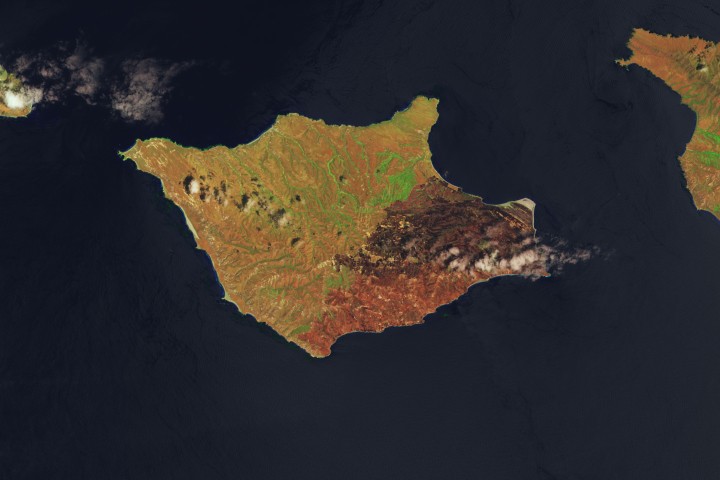
San Miguel Island is the westernmost island in California's Channel Islands National Park. Strong winds, frequent fog and rugged cliffs make this one of the park’s most remote landscapes.
674 words~3 min read