“Although I have not studied Türkiye in depth, I hold the Turkish Revolution in high regard. I believe it will help shape a promising future not only for Türkiye, but for the broader Eastern world. As someone from the East, I am encouraged to see Türkiye making such progress.”
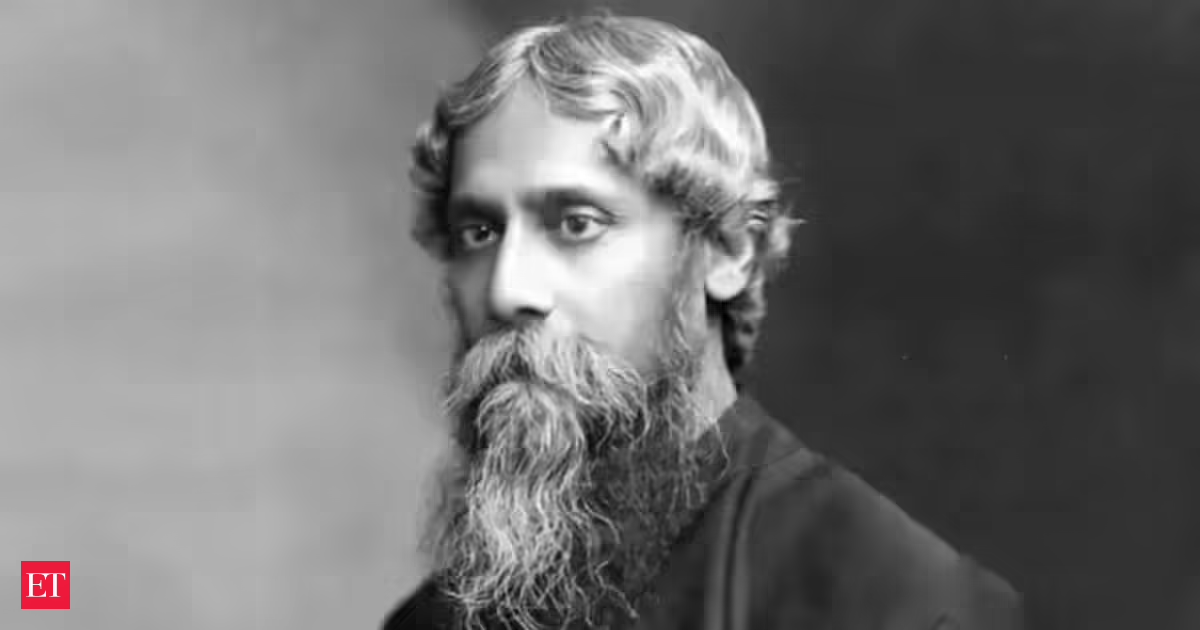
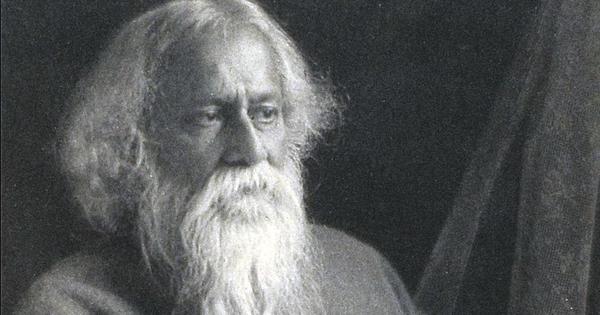
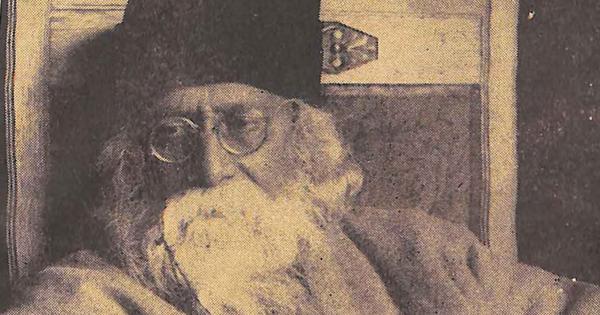
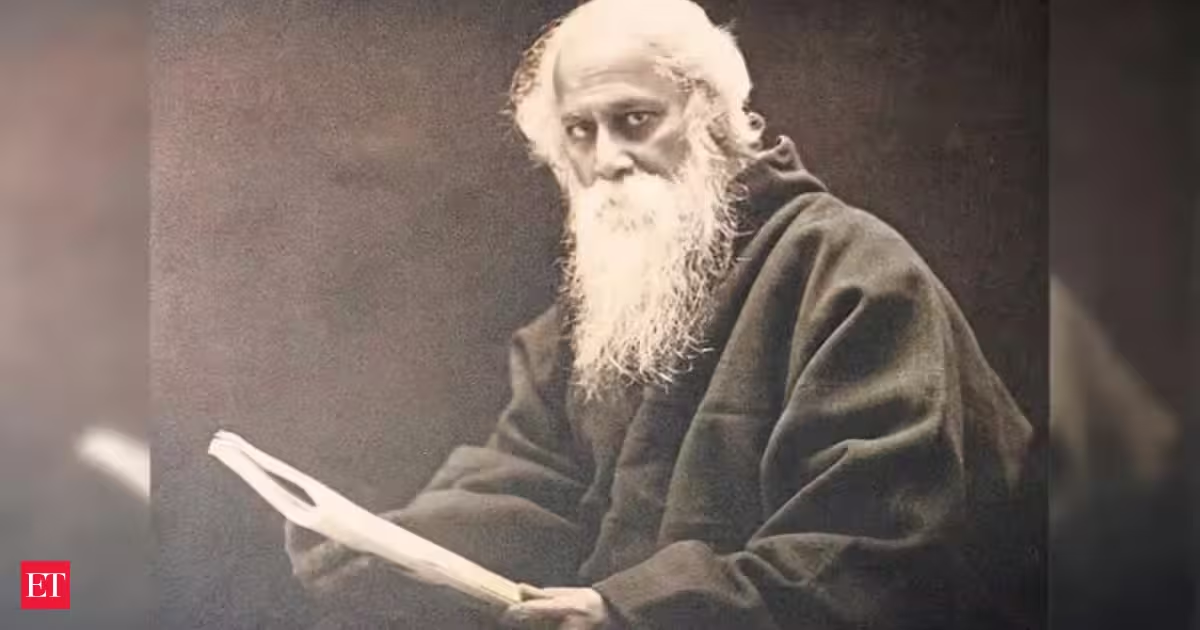
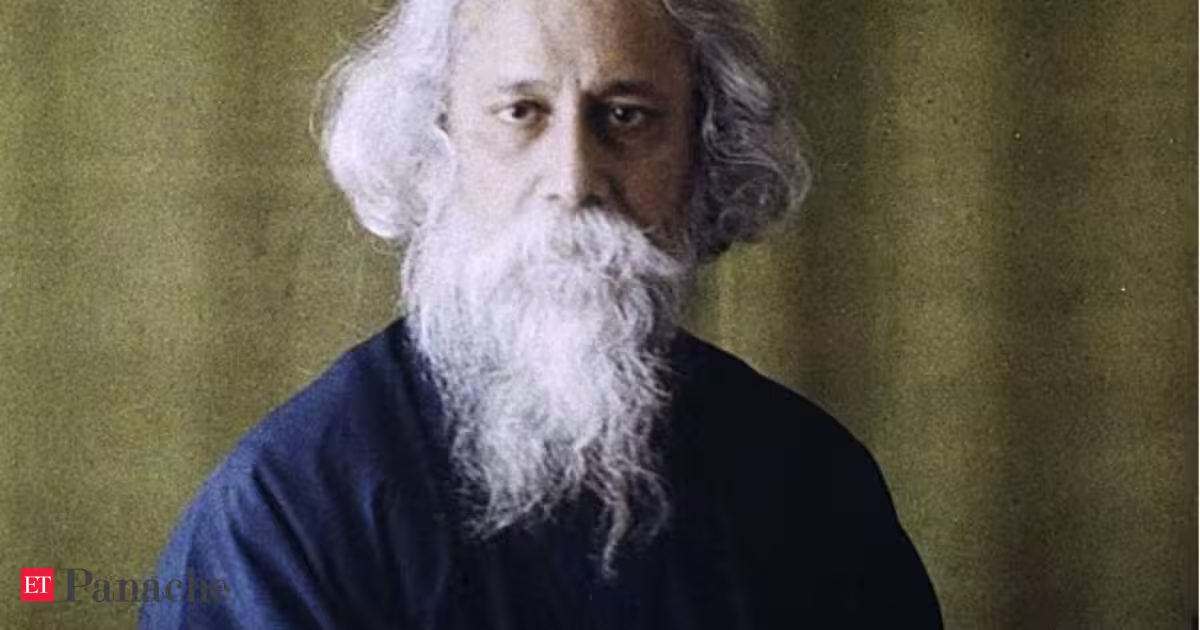
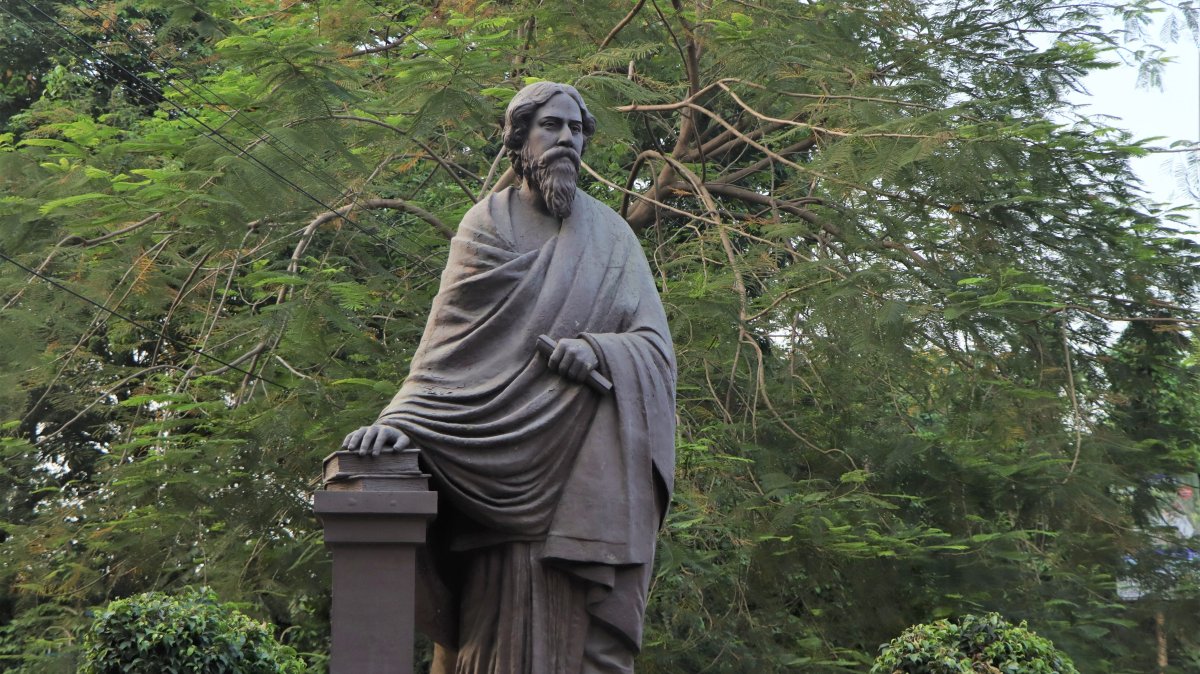
These are not the views of an ordinary observer, but those of Rabindranath Tagore (May 7, 1861-Aug. 7, 1941), the renowned Nobel Prize-winning poet, thinker and writer from the Indian subcontinent. Tagore shared these reflections during a conversation in Istanbul on Nov. 22, 1926, while responding to a question from a reporter of the well-known Urdu newspaper Rozana Hamdard. The reporter had asked for his views on the Turkish Revolution. Notably, Rozana Hamdard was edited by Maulana Muhammad Ali Jauhar, a prominent figure who became the first journalist in British India to be imprisoned by the British authorities for expressing support for Türkiye.
After touring Italy, Germany, Hungary, Czechoslovakia, Bulgaria and Romania, Tagore finally arrived in Istanbul on Nov. 21, 1926, aboard the Romanian ship Imparatul Traian. He was accompanied by his son, daughter-in-law, secretary and wife.
According to a report published in the Victoria Daily Times (Victoria, British Columbia) on Nov. 23, 1926, Tagore had earlier met King Ferdinand of Romania in Bucharest, where the king invited him to lunch before his departure for Istanbul. The meeting received notable attention in Romania, as it helped reassure the public amid uncertainty about the king’s health. At the time, conflicting reports about the monarch’s condition were circulating, and the meeting had a calming effect on the public. King Ferdinand passed away on July 20, 1927, approximately eight months after this meeting.