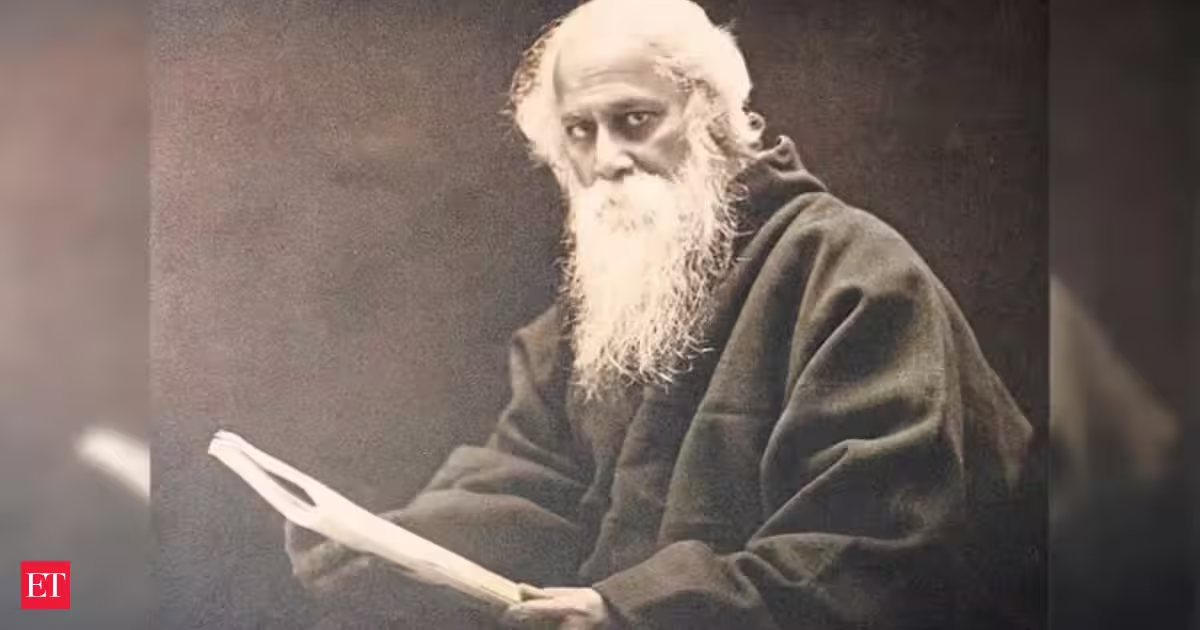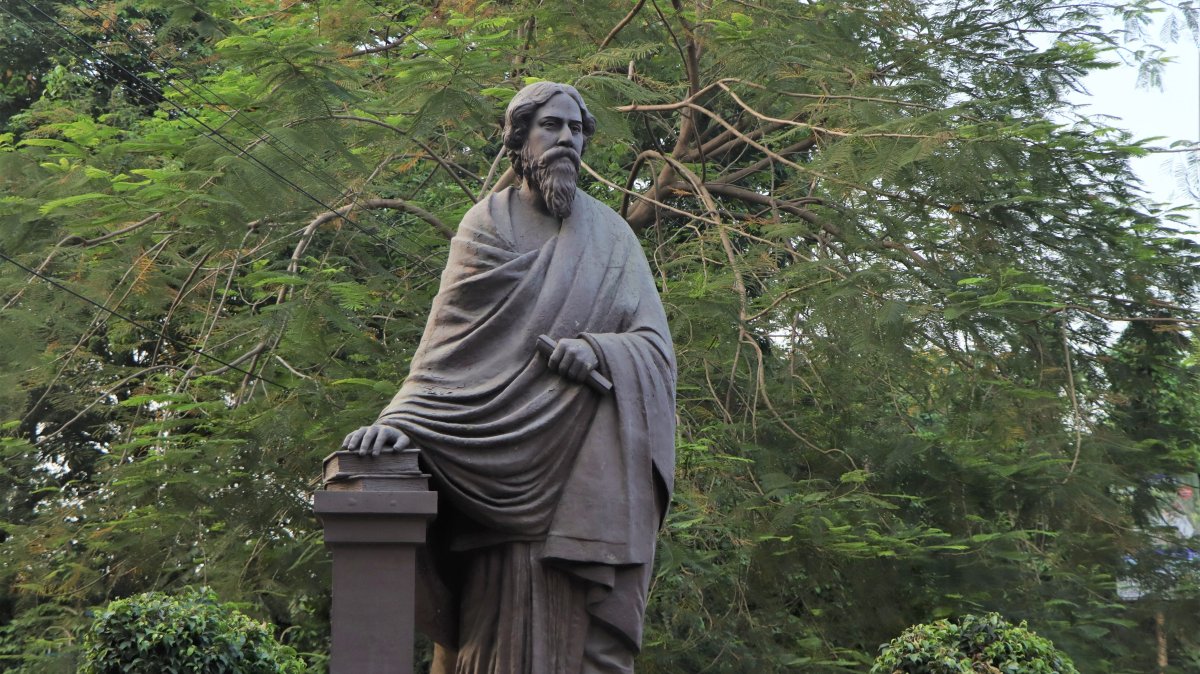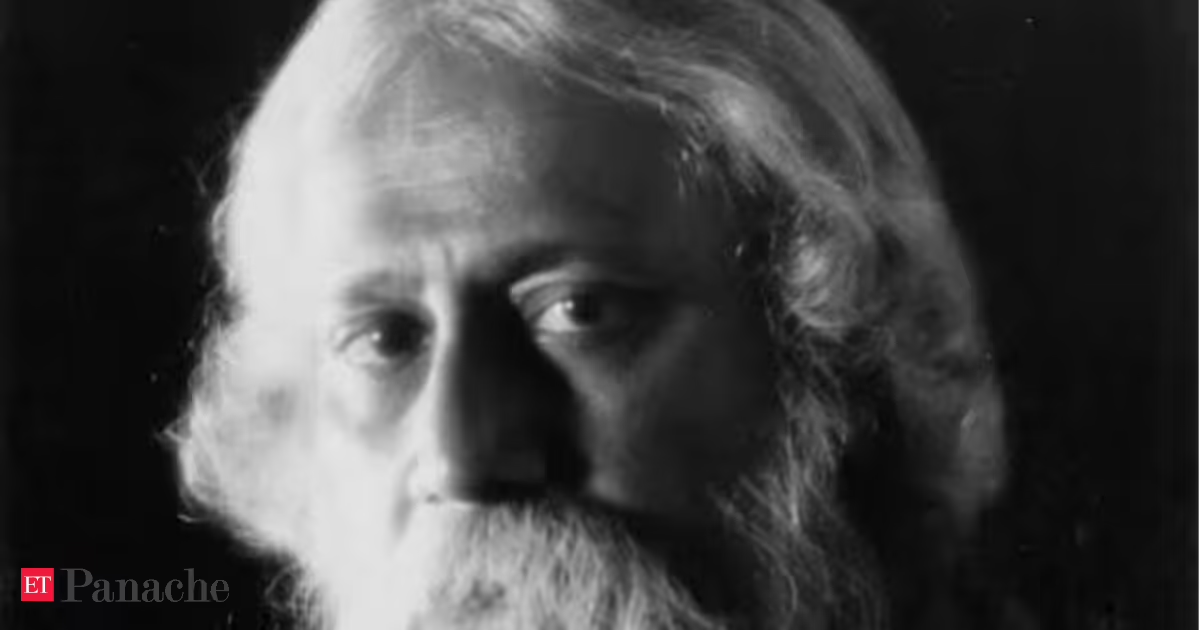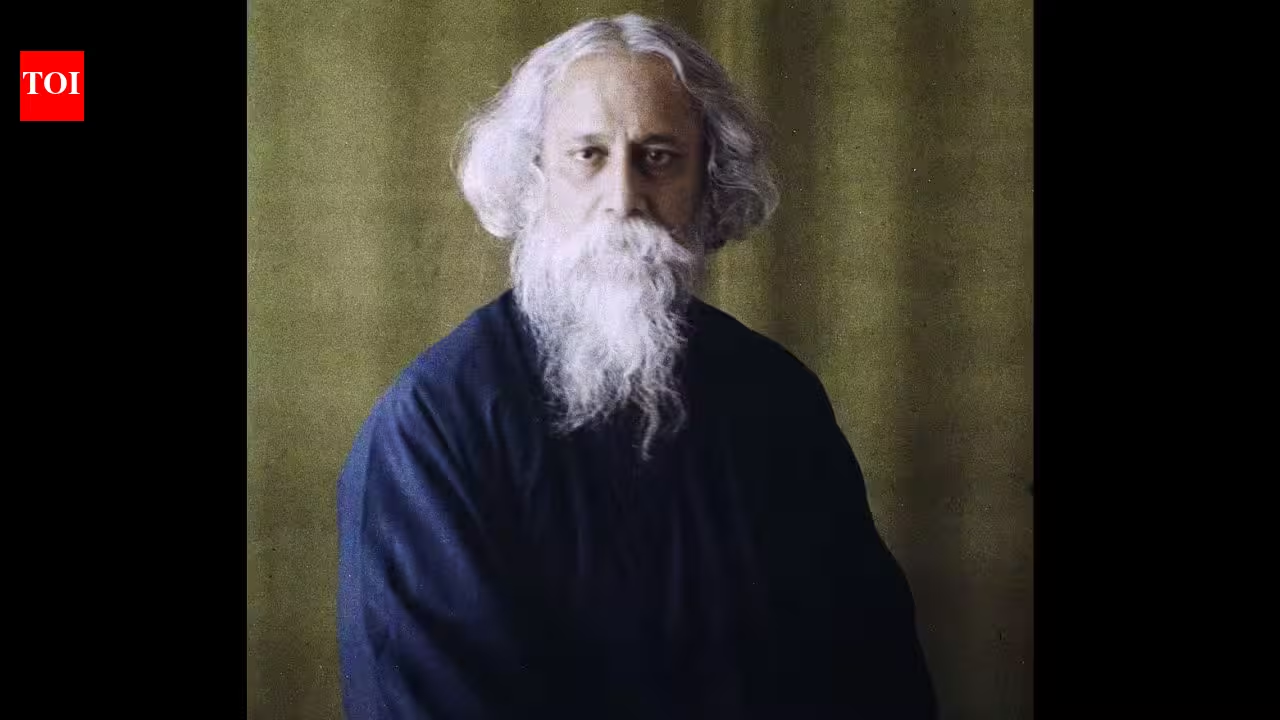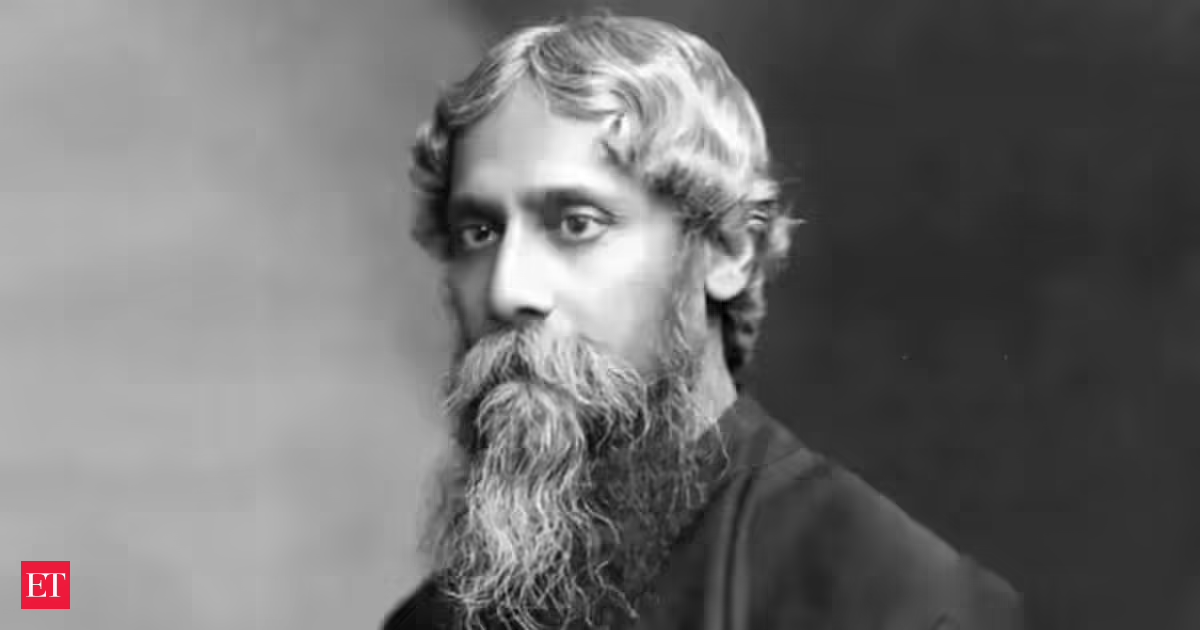
Love for one's country is often celebrated as a virtue. Patriotism can inspire sacrifice, unity, and collective purpose. But what happens when national interests clash with compassion, justice, or human dignity? Should loyalty to a nation ever outweigh concern for humanity as a whole?Few thinkers explored these questions as deeply as Rabindranath Tagore. The poet, philosopher, and Nobel Prize winner believed that while patriotism has value, it should never become so powerful that it overshadows our shared humanity.“Patriotism cannot be our final spiritual shelter; my refuge is humanity. I will not buy glass for the price of diamonds, and I will never allow patriotism to triumph over humanity as long as I live.”Who was Rabindranath TagoreRabindranath Tagore, an Indian poet, philosopher, and leading figure of the Bengal Renaissance, was born on May 7, 1861, in Kolkata, then part of British India. A member of the influential Tagore family, he grew up in an environment rich in literature, music, art, and intellectual debate.Tagore began writing poetry at a young age and went on to become one of the most celebrated literary figures in history. He authored thousands of poems, songs, essays, short stories, novels, and plays, profoundly shaping modern Bengali literature and culture.In 1913, Tagore became the first non-European to win the Nobel Prize in Literature for his poetry collection Gitanjali. His work introduced global audiences to Indian literature and spirituality.Tagore also composed more than 2,000 songs, many of which remain cultural treasures. Remarkably, his compositions became the national anthems of two nations: India's Jana Gana Mana and Bangladesh's Amar Sonar Bangla.Beyond literature, Tagore was an educator and social reformer. In 1921, he founded Visva-Bharati University at Santiniketan, envisioning it as a place where Eastern and Western traditions could meet through learning and cultural exchange.What this quote meansAt its most direct level, Tagore is arguing that patriotism, while important, should not become a person's highest moral value.The metaphor about not buying glass for the price of diamonds suggests that humanity is far more valuable than narrow forms of national loyalty. In Tagore's view, patriotism is meaningful, but it should never replace compassion, justice, and respect for human life.The quote does not reject love of country. Instead, it warns against allowing national identity to become so dominant that people lose sight of their shared humanity.The deeper meaning behind Rabindranath Tagore’s quoteLiving during a period marked by colonialism, nationalism, and global conflict, Tagore witnessed how political identities could unite people but also divide them. He worried that excessive nationalism could encourage prejudice, hostility, and the belief that one group's interests matter more than another's.His statement suggests that ethical responsibility extends beyond national boundaries. Human suffering, injustice, and dignity do not become less important simply because they occur in another country.The phrase "my refuge is humanity" is especially significant. Tagore believed that compassion, empathy, and understanding offer a stronger foundation for society than political or national divisions. More thought provoking quotes by Rabindranath Tagore“We read the world wrong and say that it deceives us.”“By plucking her petals you do not gather the beauty of the flower.”“A mind all logic is like a knife all blade. It makes the hand bleed that uses it.”“The butterfly counts not months but moments, and has time enough.”“I slept and dreamt that life was joy. I awoke and saw that life was service. I acted and behold, service was joy.”
Quote of the day by Rabindranath Tagore: ‘I will not buy glass for the price of diamonds, and I will never allow patriotism…’ – First non-European Nobel laureate on justice, humanity and empathy
Nobel laureate Rabindranath Tagore championed humanity over blind patriotism, warning against national interests eclipsing compassion and justice. His profound quote, "Patriotism cannot be our final spiritual shelter; my refuge is humanity," underscores a universal ethical responsibility. Tagore, a pivotal figure in the Bengal Renaissance, founded Visva-Bharati University, fostering East-West cultural exchange.
561 words~3 min read