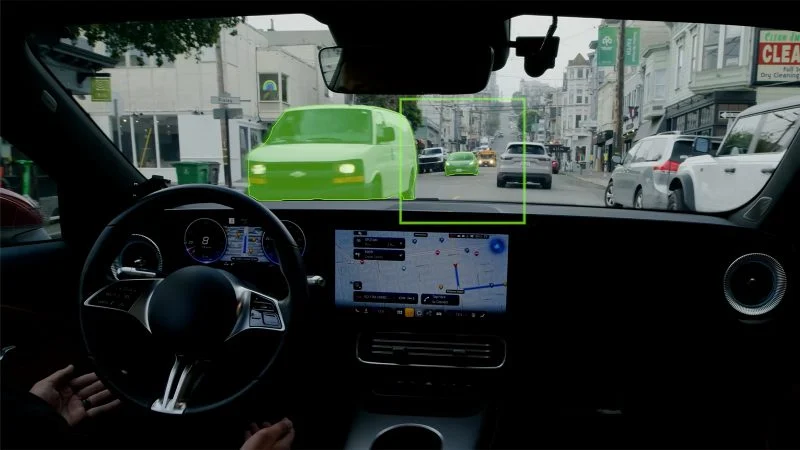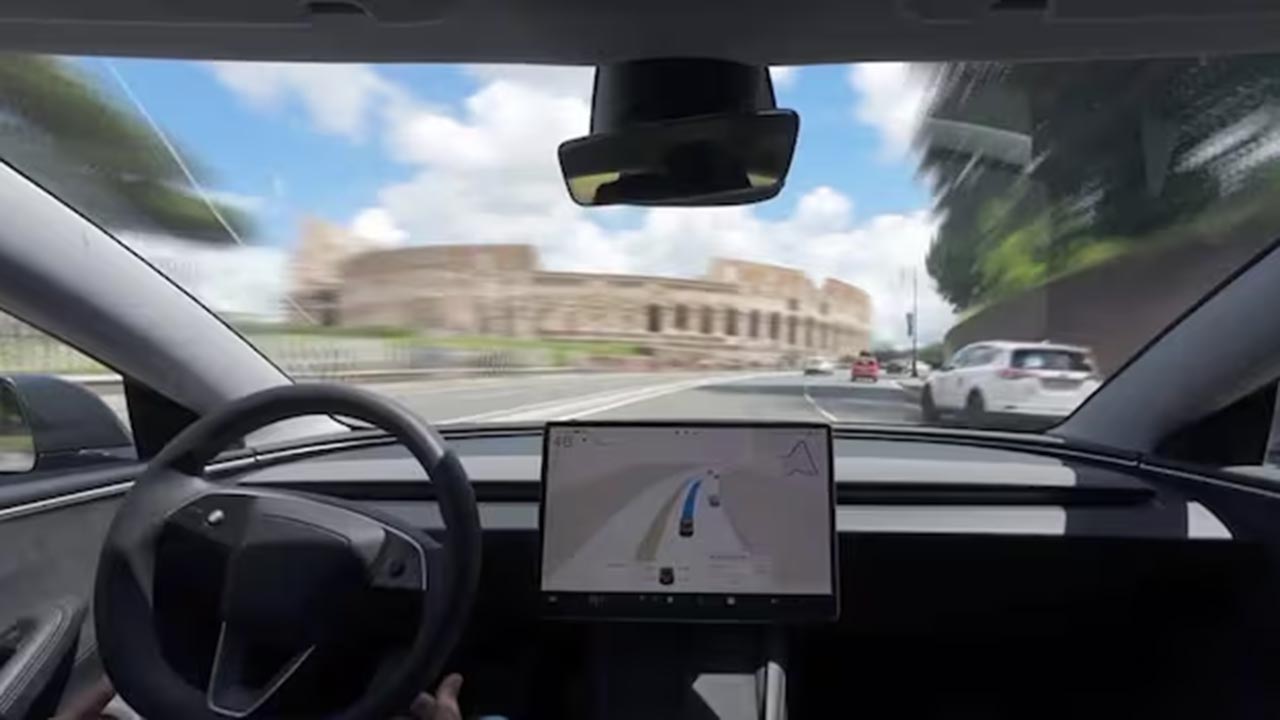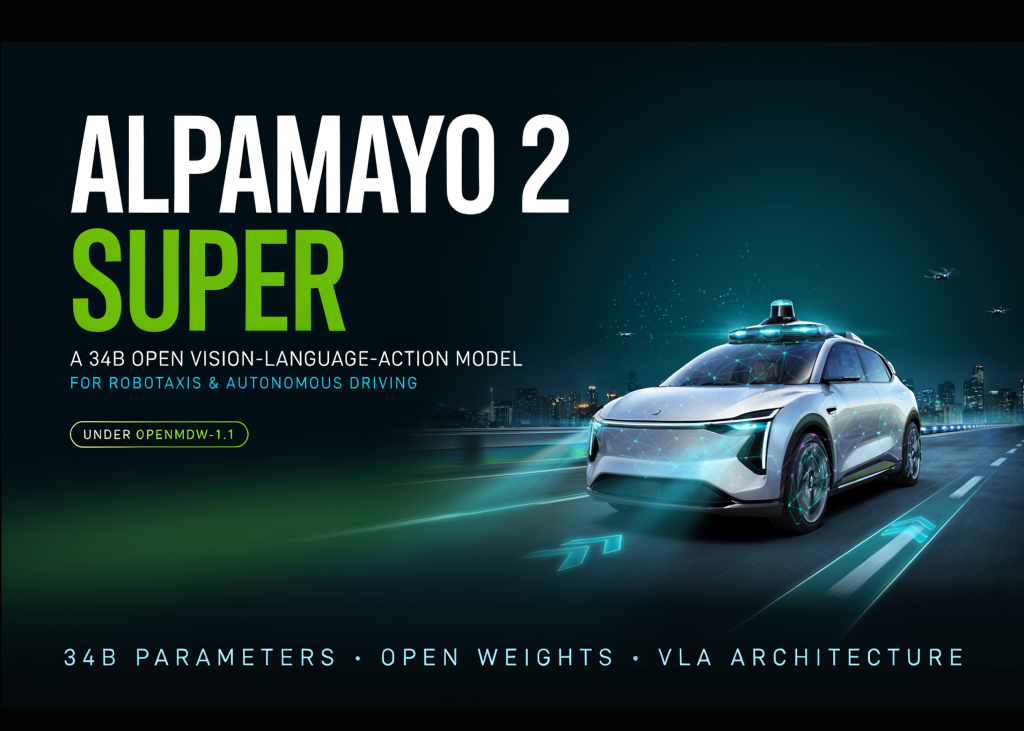
NVIDIA has released Alpamayo 2 Super, a 34B-parameter vision-language-action (VLA) model for autonomous driving, under an open commercial license. The stated design target is the long-tail events: rare, multi-agent situations that conventional detection-and-prediction stacks handle poorly. The model pairs a 32B VLM backbone, built on NVIDIA Cosmos 3 Super Reasoner and post-trained with reinforcement learning, with a 2.3B diffusion-based action decoder. From one pass over full-surround camera video it emits a planned trajectory, a causal explanation of that trajectory, and a meta-action.
Is it deployable
Yes, and for commercial use from day one. The weights are released under OpenMDW-1.1, the Linux Foundation’s permissive license for open model distributions; source code is Apache 2.0. The license covers fine-tuning, derivative models and commercial redistribution. NVIDIA is applying OpenMDW across the entire Alpamayo family, so earlier releases introduced for R&D are now deployable commercially without additional permission.
Inputs, outputs and training data
Inputs are multi-camera RGB video, text, and egomotion history with timestamps. The validated public notebook profiles use six cameras and four historical frames per camera. Egomotion is 3D translation plus a 3×3 rotation matrix, multi-timestep.