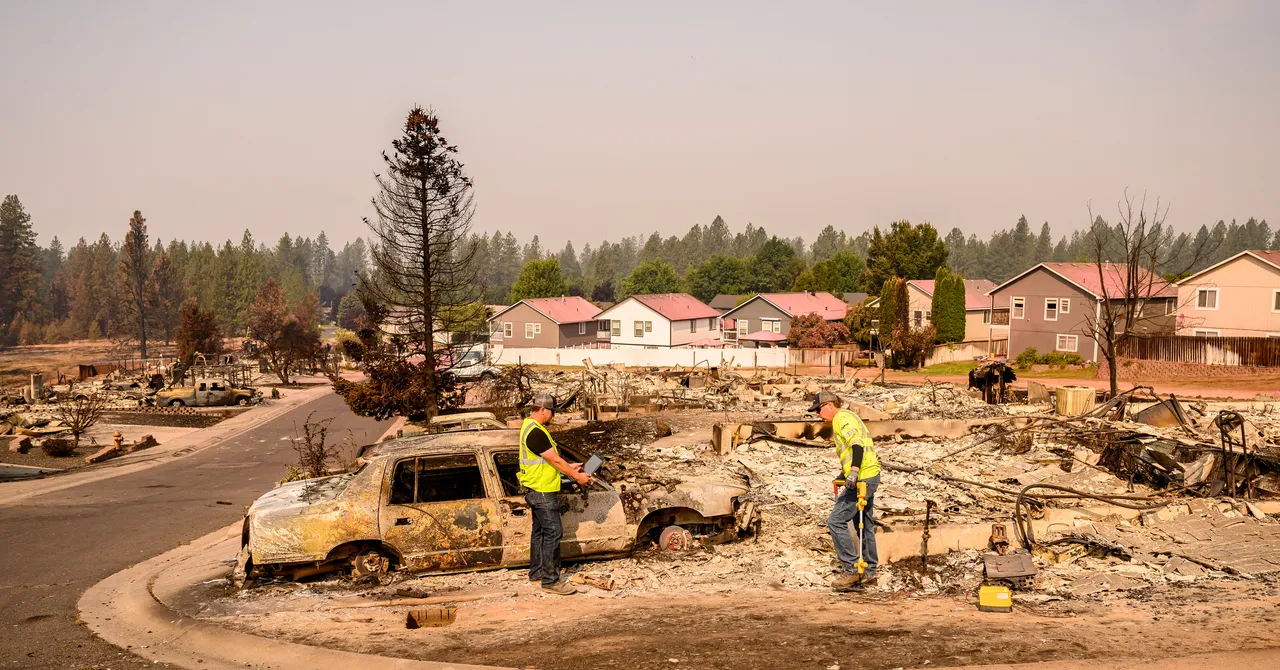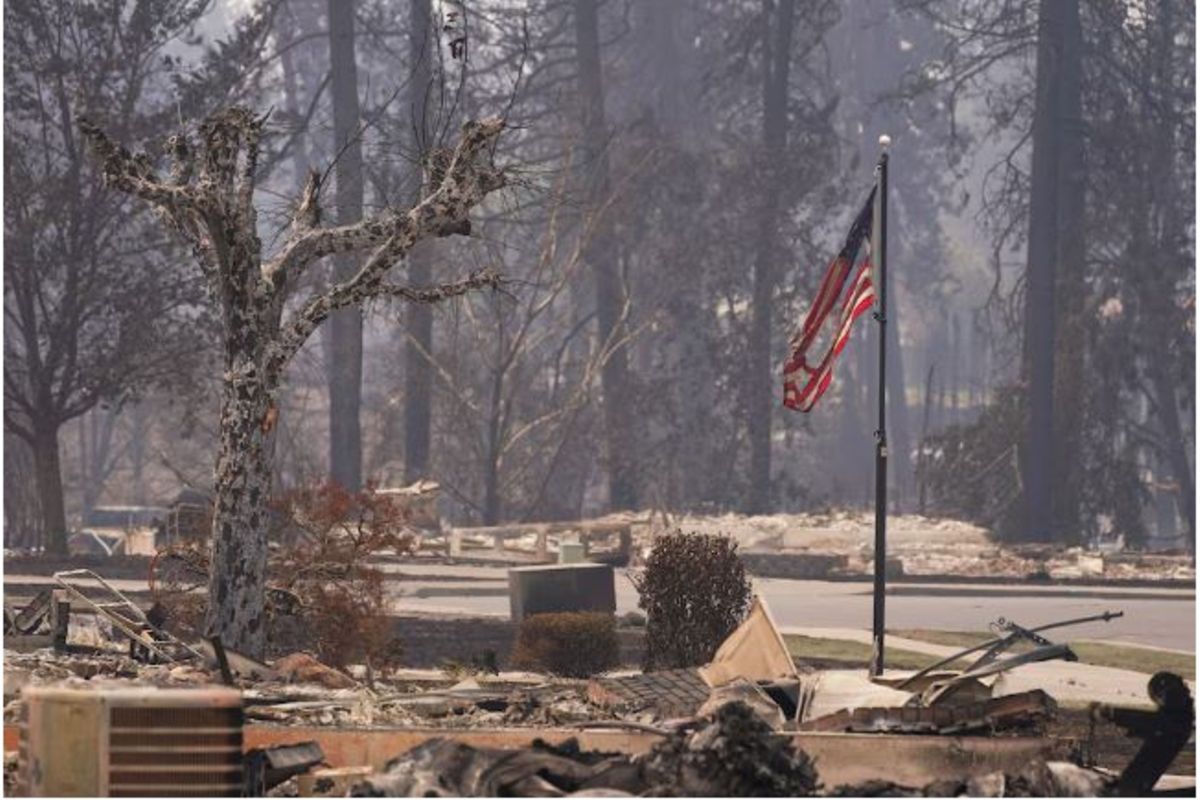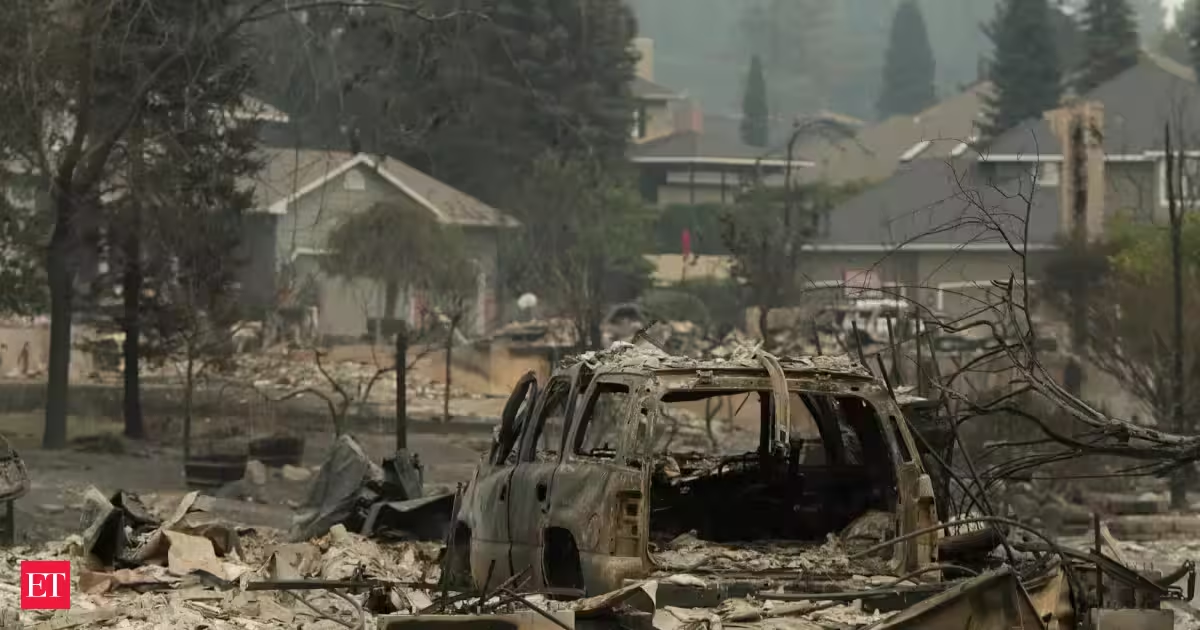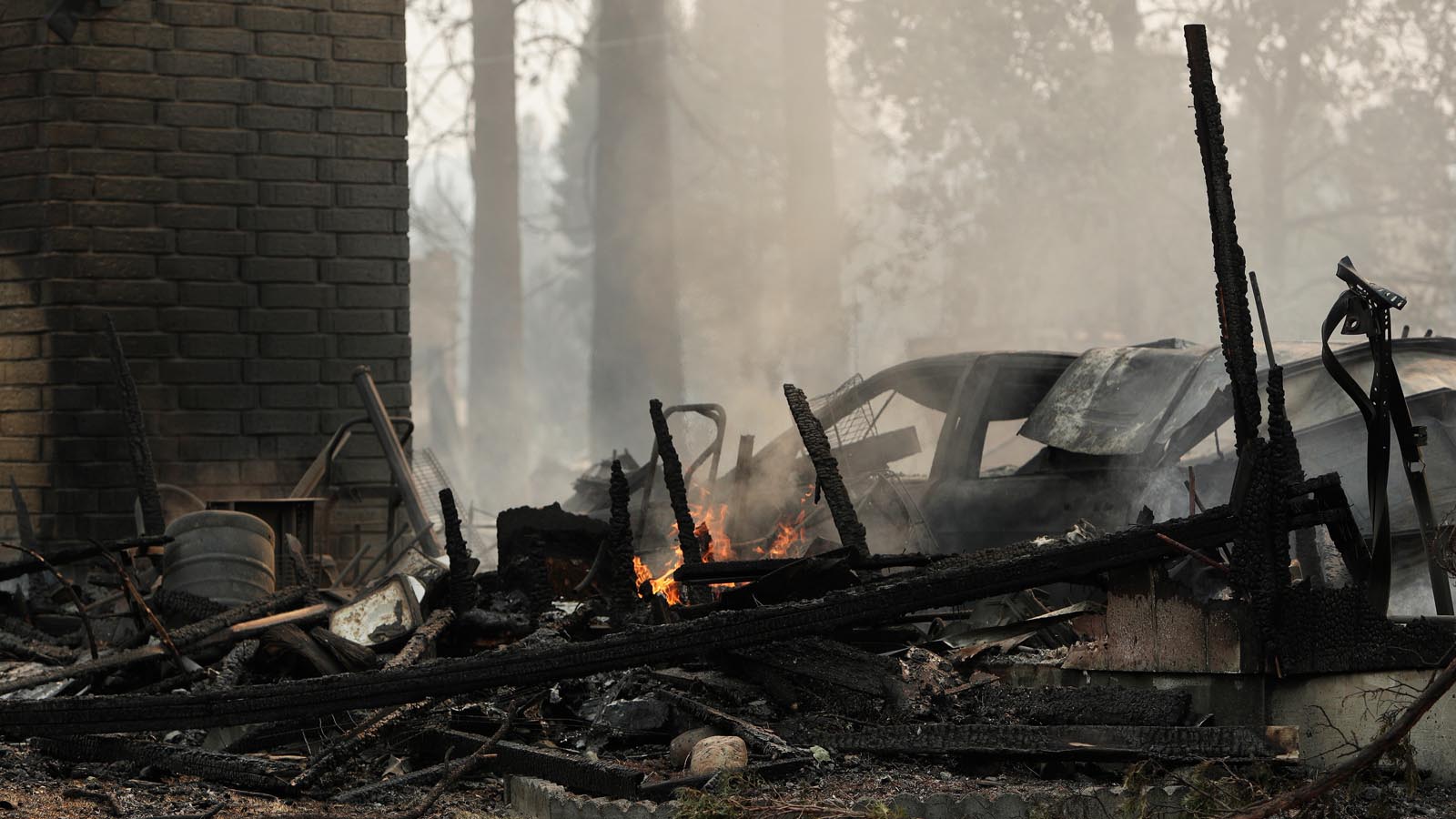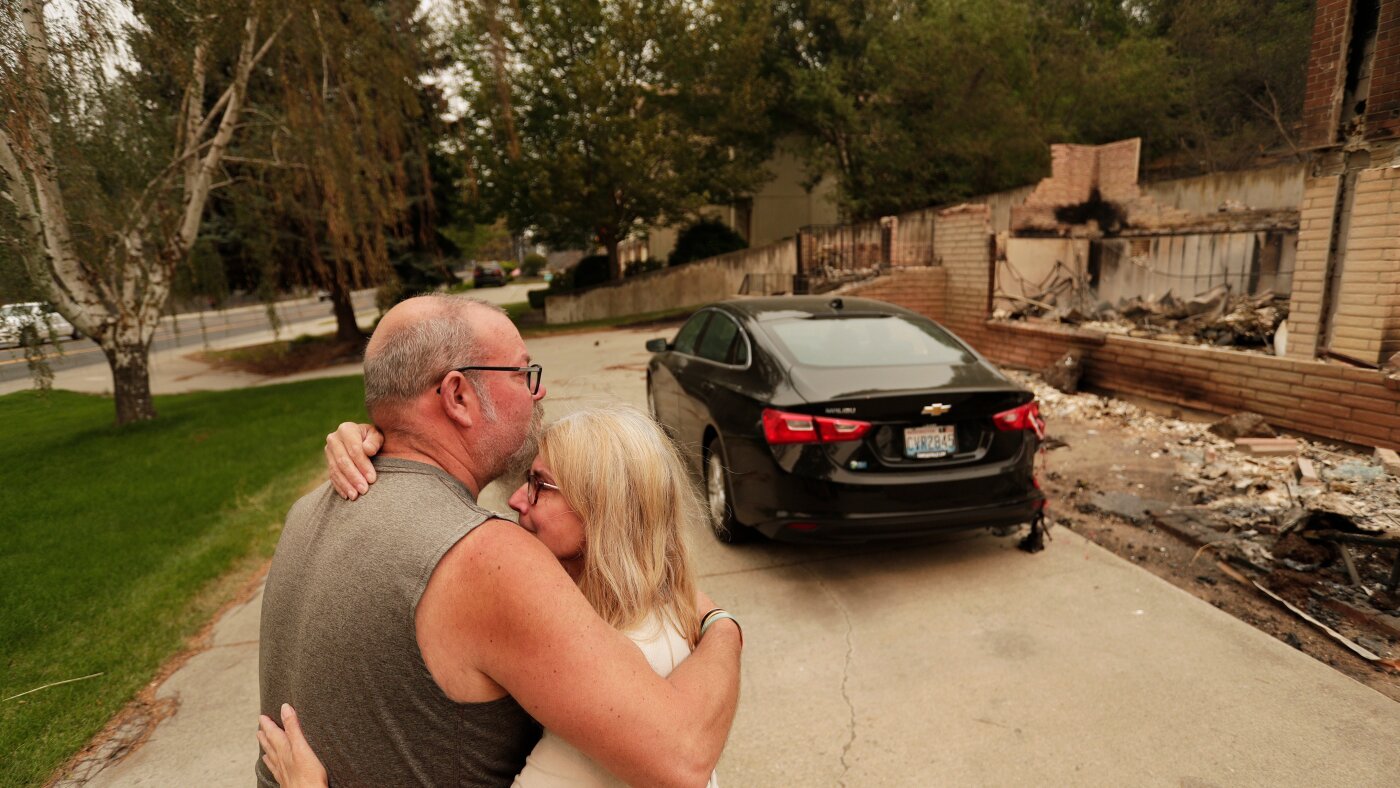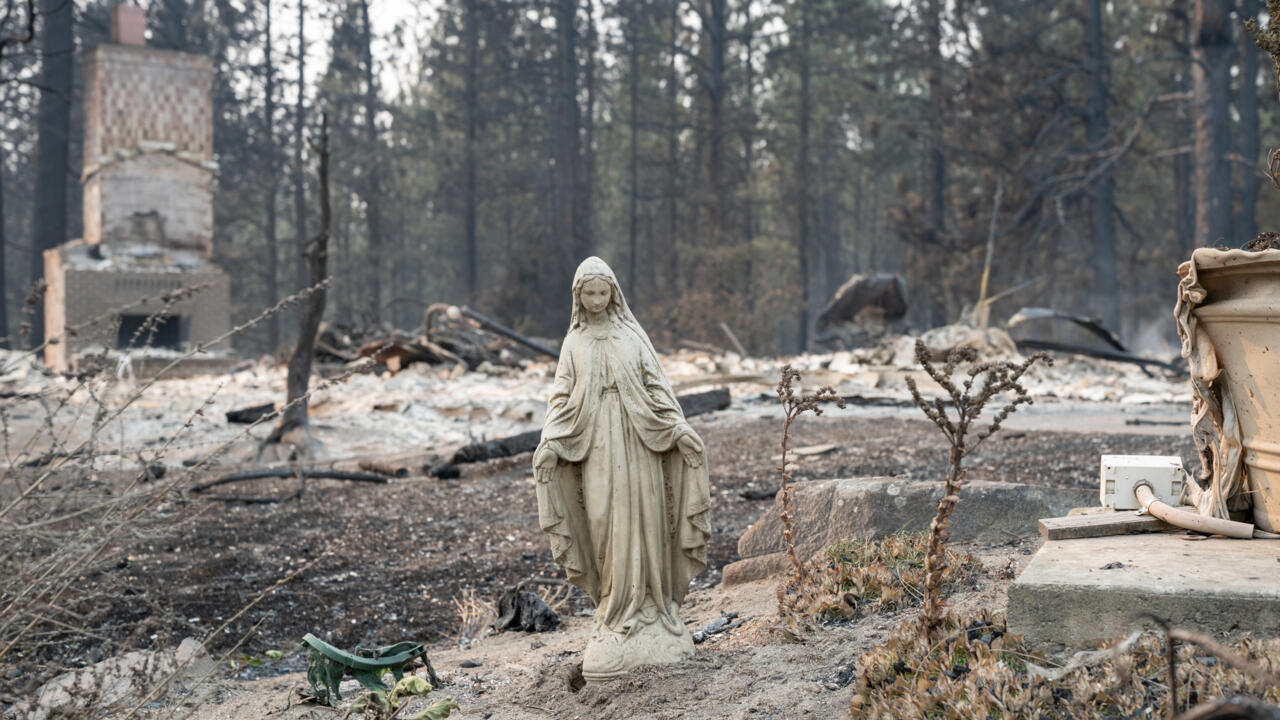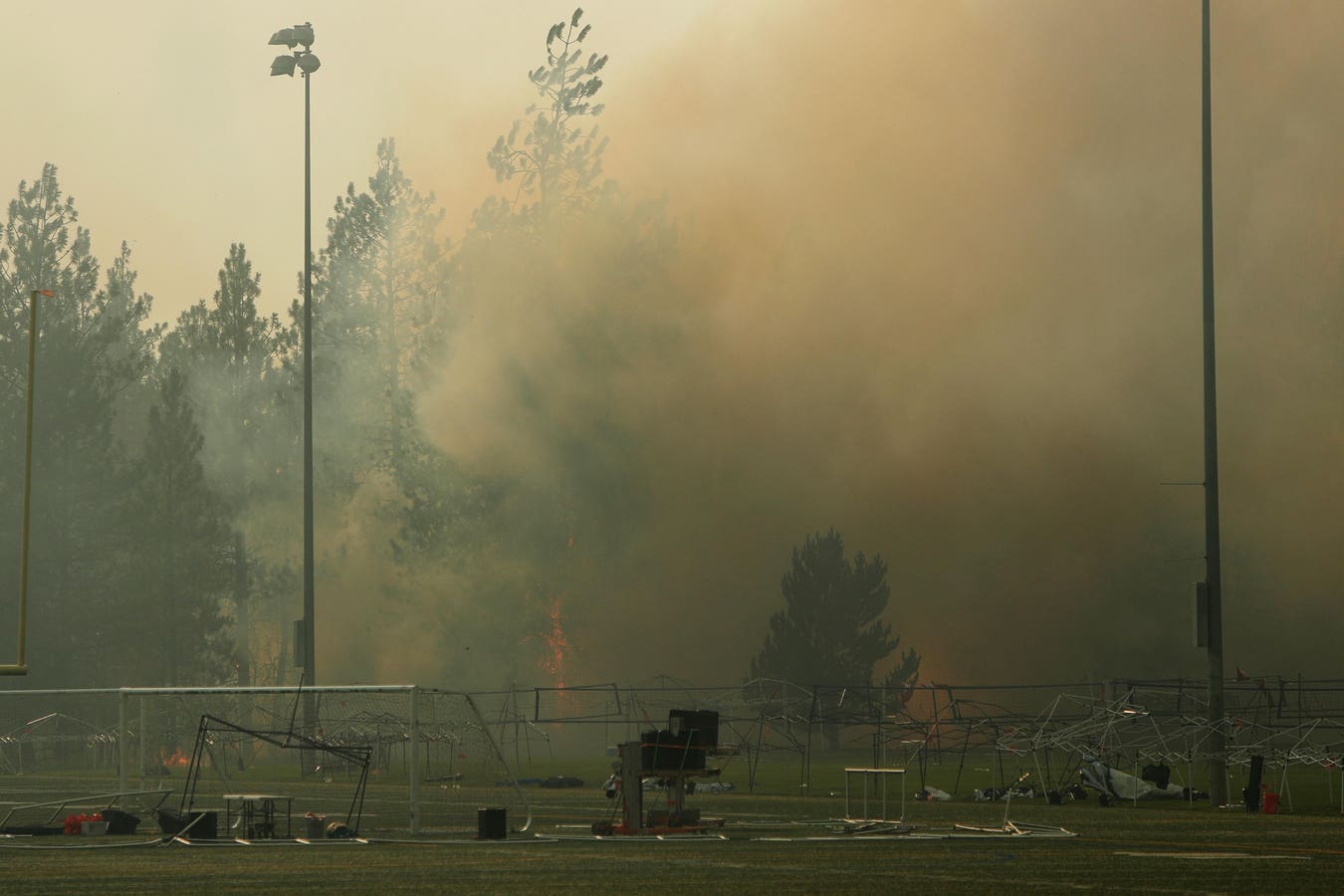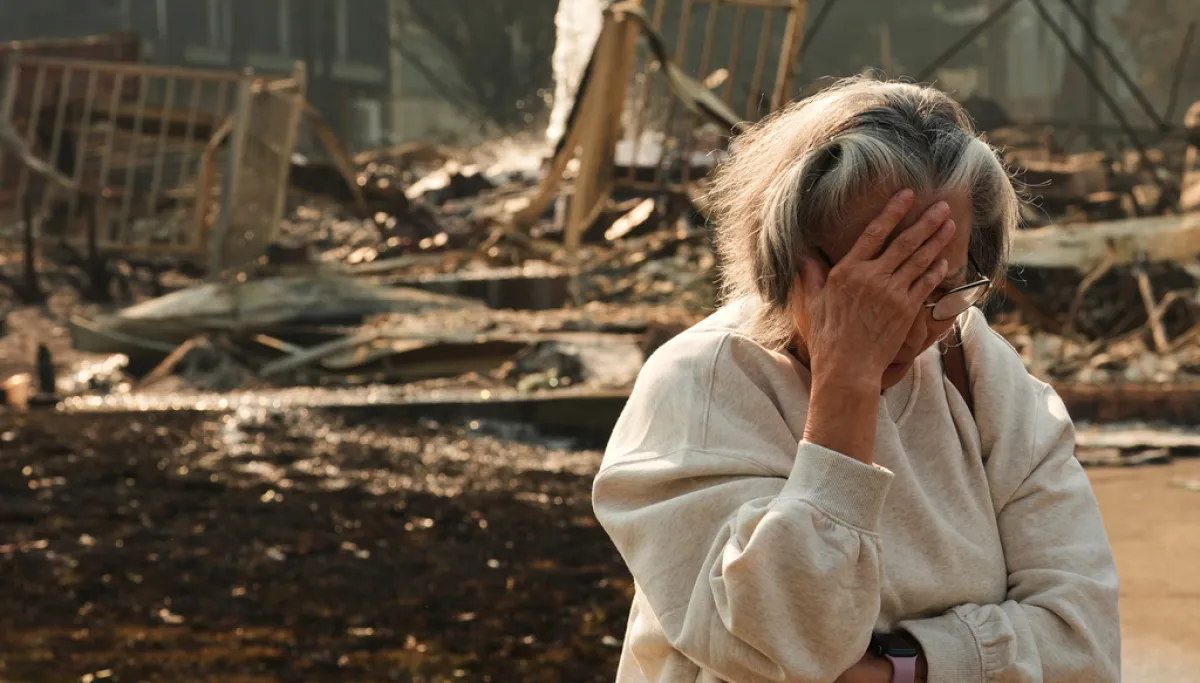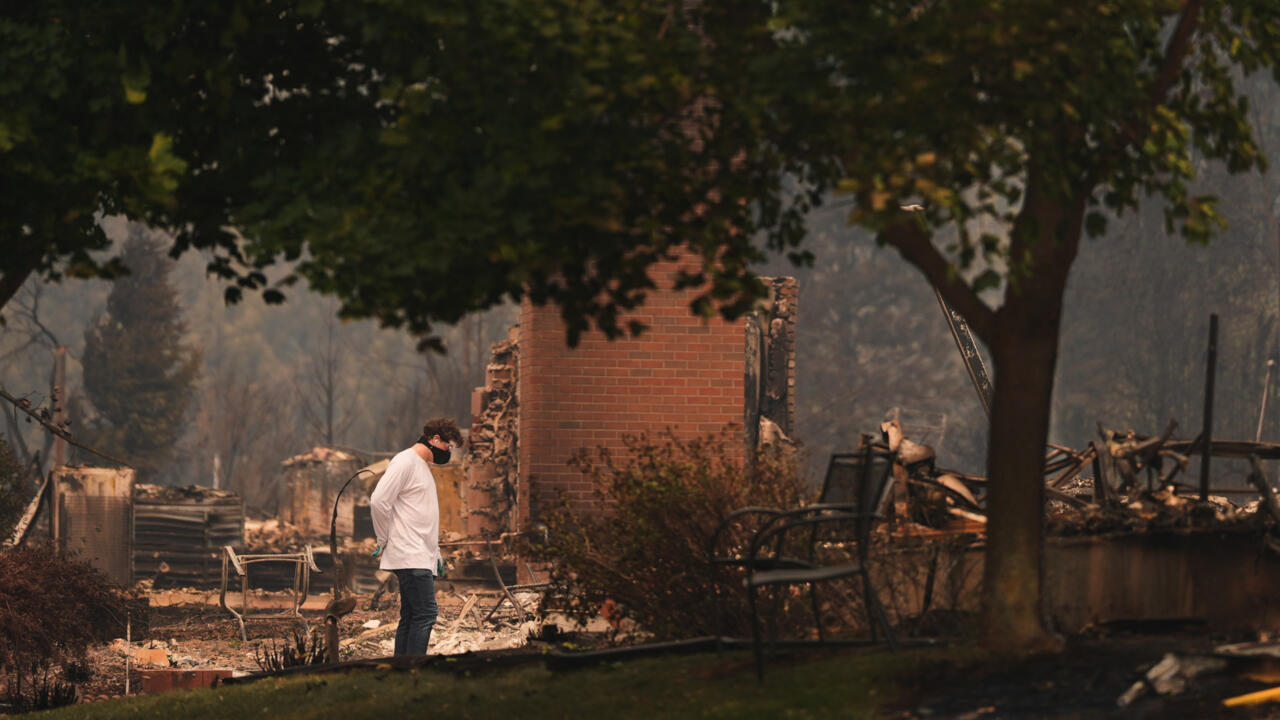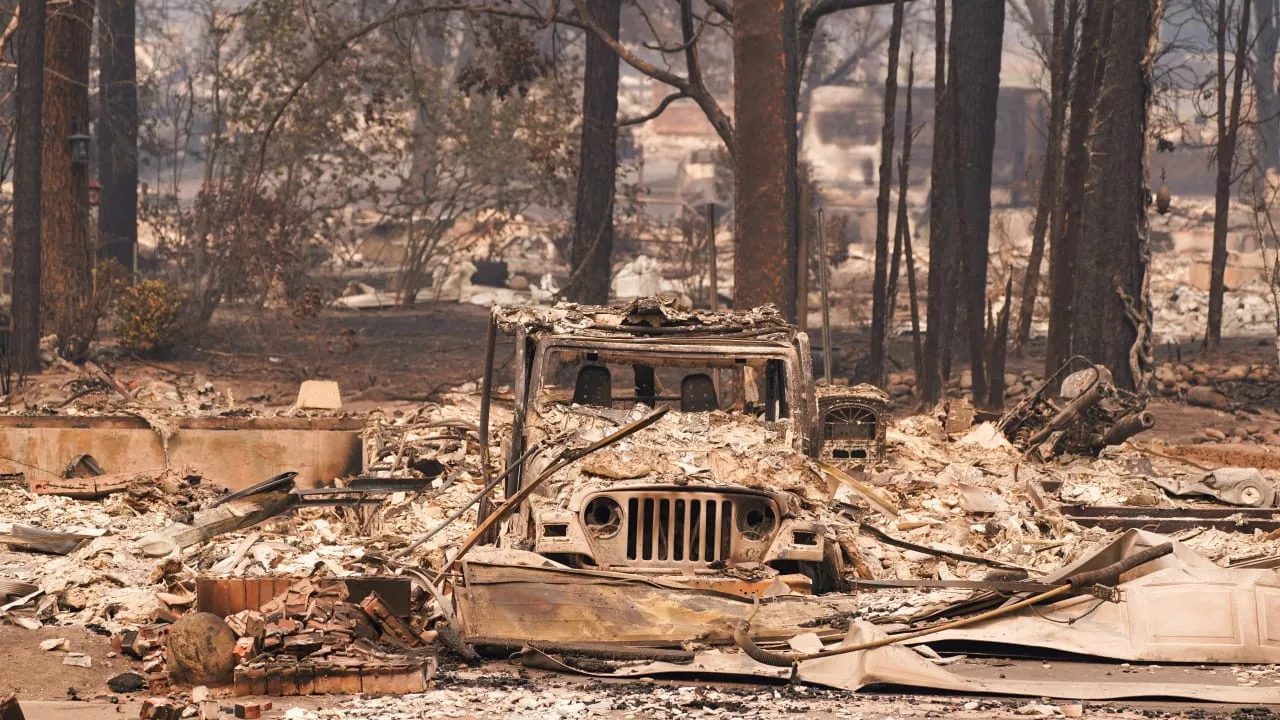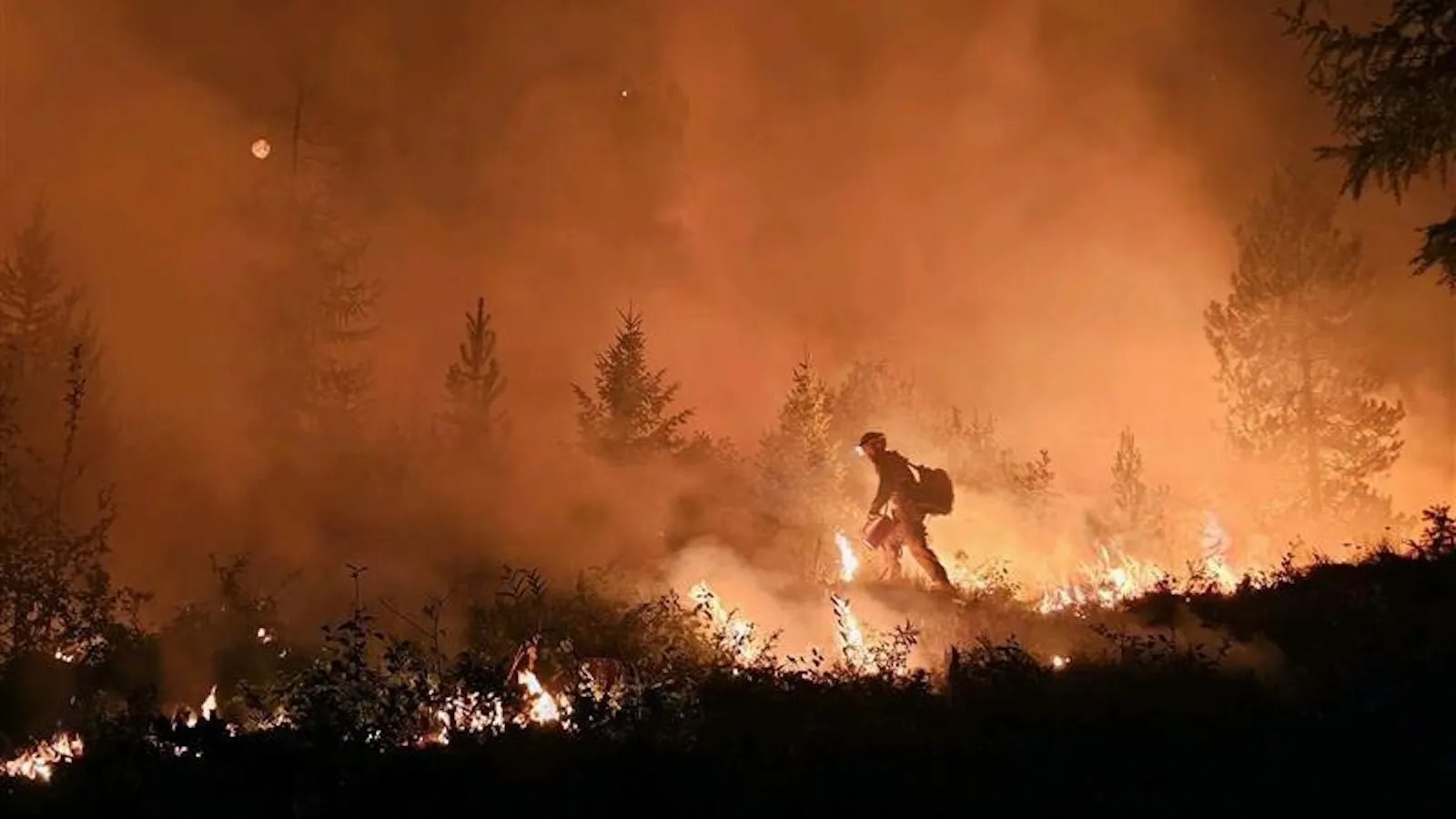
Betsy Robertson was standing in the center of the Spokane Convention Center on Monday afternoon, but she wasn’t there for a gala or a conference. Instead, the event space in the middle of Washington state’s second-largest city had been transformed into a Red Cross emergency shelter as a trio of wildfires, just a few miles away, burned down entire neighborhoods.
Nurses and volunteers were moving between the rows of cots around Robertson, making sure that the hundreds of evacuees – from the mothers with their babies to the elderly with their caretakers – had blankets and enough to eat. Just outside, the air was noxious with smoke “thick enough to burn your eyes,” she said.
Robertson, a communications director for the Red Cross, is from Washington, and has been with the organization for 10 years. She has seen communities devastated by wildfires before. But never like this.
“The scale of homes destroyed and lives changed forever – this is a new level,” she said. “We are bracing ourselves for seasons like this getting worse and worse, and starting earlier and going later.”
A historically dry winter, extreme drought and heat waves set the stage for the hundreds of wildfires that have burned across the Pacific Northwest this summer. Dozens of large ones have broken out in the last week alone. Though it’s still early in the fire season, Oregon recently broke its annual record for acreage burned with nearly 2 million acres scorched.