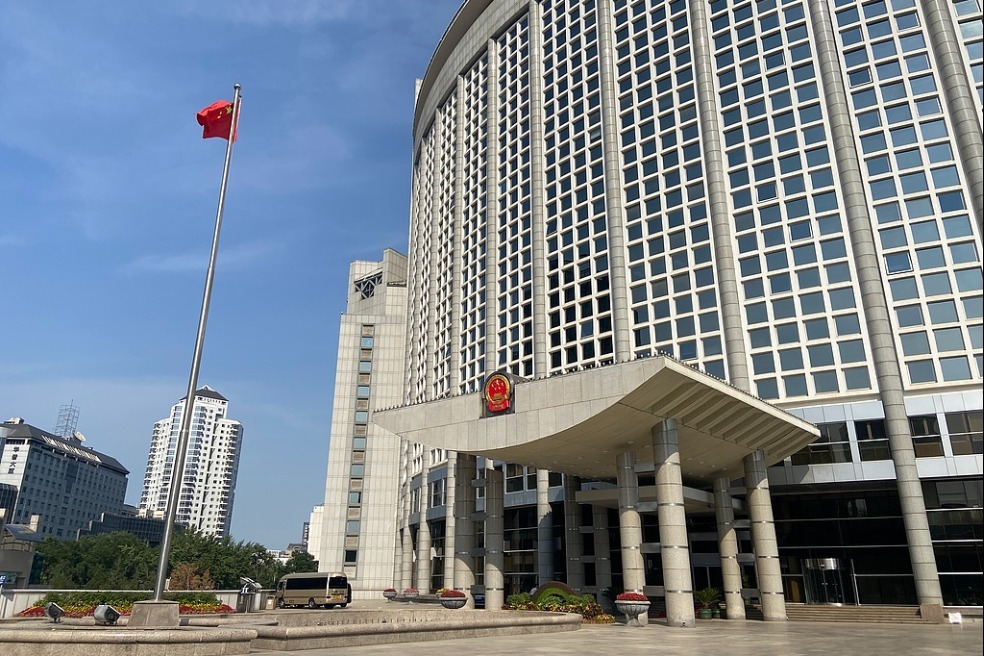
Kazuo Chujo, the deputy head of mission at the Japanese Embassy in Seoul, arrives at the Ministry of Foreign Affairs on Aug. 4, 2026, after being summoned in protest of a Japanese defense white book laying claim to Dokdo. (Yonhap)
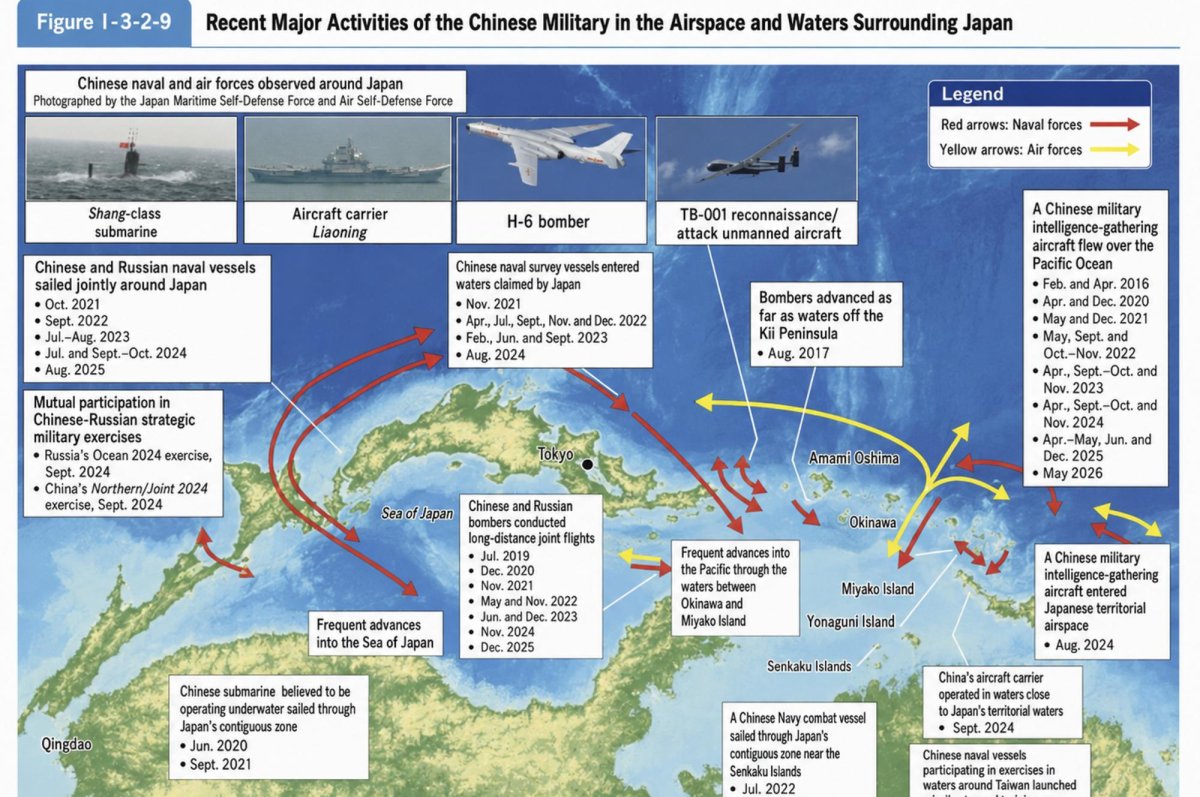
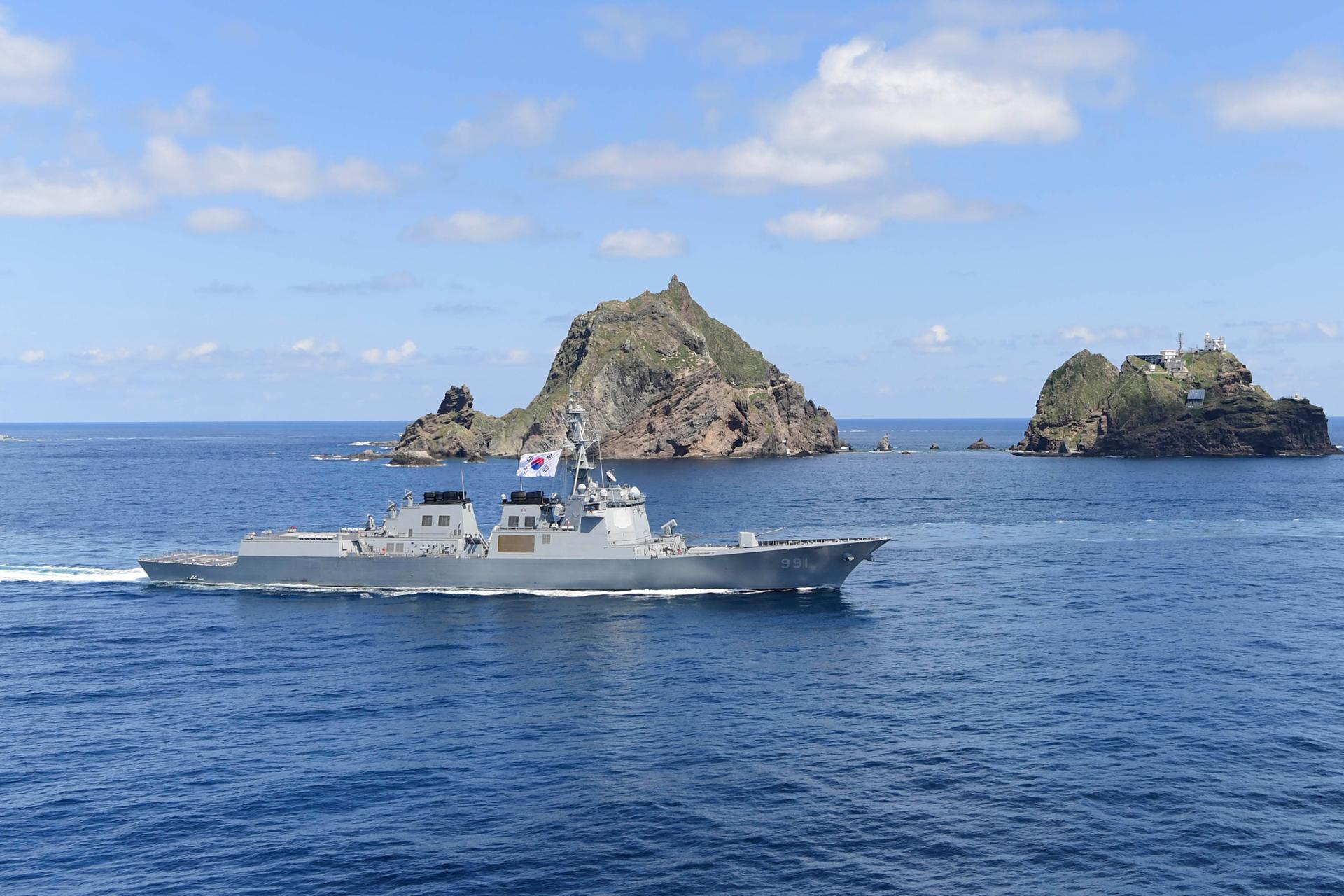
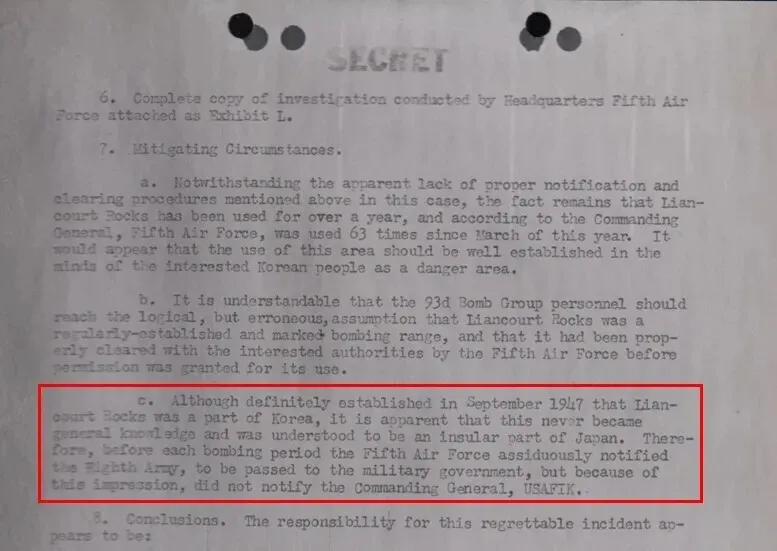
The South Korean government protested and urged the withdrawal of Japan’s claim that Dokdo is Japanese territory, which it reiterated in an annual defense white paper on Tuesday.“The government of the Republic of Korea strongly protests against the Japanese government's repeated inclusion of unjust sovereignty claims over Dokdo, which is clearly an integral part of the ROK territory historically, geographically and under international law, in the ‘Defense of Japan 202’ released on Aug. 4, 2026. The ROK government urges the Japanese government to immediately withdraw such claims,” Ministry of Foreign Affairs spokesperson Park Doo-soon said in a regular briefing that day.“The ROK government makes it clear once again that the Japanese government’s unjust claims over Dokdo do not have any impact on the ROK’s sovereignty over it, and that the ROK government will continue to respond firmly to any of Japan’s provocations over Dokdo,” Park said. On Tuesday, the ministry summoned Kazuo Chujo, the deputy head of mission at the Japanese Embassy in Seoul, to communicate a message of protest. Chujo appeared stone-faced when he arrived at the ministry in Seoul’s Jongno District at around 2:55 pm and proceeded immediately to meet with officials in the Asia-Pacific bureau.The 2026 defense white paper was released on Tuesday after a Cabinet meeting the same day. In it, the Japanese government claimed, “Territorial issues concerning Japan’s inherent territories — the Northern Territories and Takeshima — remain unresolved,” referring to four of the Kuril Islands and Dokdo, respectively. In Japan, the term “inherent territory” signifies territory that has never belonged to another country.Similarly to last year, a map titled “Regional Security Environment Surrounding Japan” in the defense white paper labels Dokdo’s position with the descriptor “territorial dispute surrounding Takeshima Island.” Another map titled “Monitoring and Surveillance of the Waters and Airspace Surrounding Japan” drew a blue solid circle around Dokdo to identify the area as Japan’s territorial waters. A third map titled “Air Defense Identification Zone (ADIZ) of Japan and Those of Neighboring Countries/Region” labels Dokdo — which is located in the South Korean ADIZ — as “Takeshima Islands.”With the latest defense white paper, Japan has continued making baseless claims of dominion over Dokdo for 22 straight years, since 2005.At the same time, the Japanese government also described South Korea similarly to last year as a “partner and important neighbor with whom we must jointly respond to various tasks in the international community.” It further expressed alarm over Japan’s expansion of its maritime military influence and stated plans to work in concert with allies and friendly nations to respond to moves by North Korea, China and Russia to strengthen their military cooperation.By Park Min-hee, senior staff writerPlease direct questions or comments to [english@hani.co.kr]