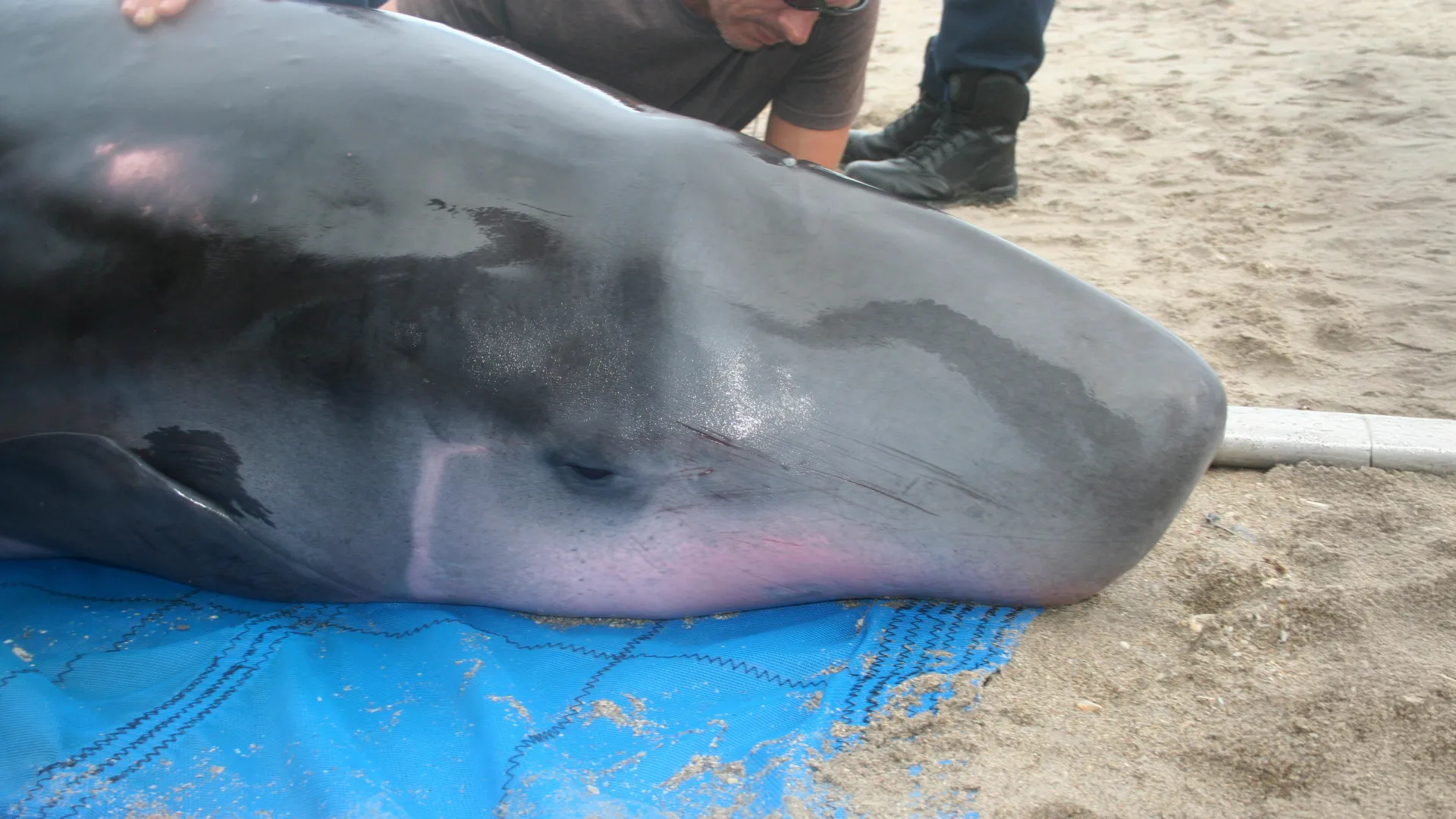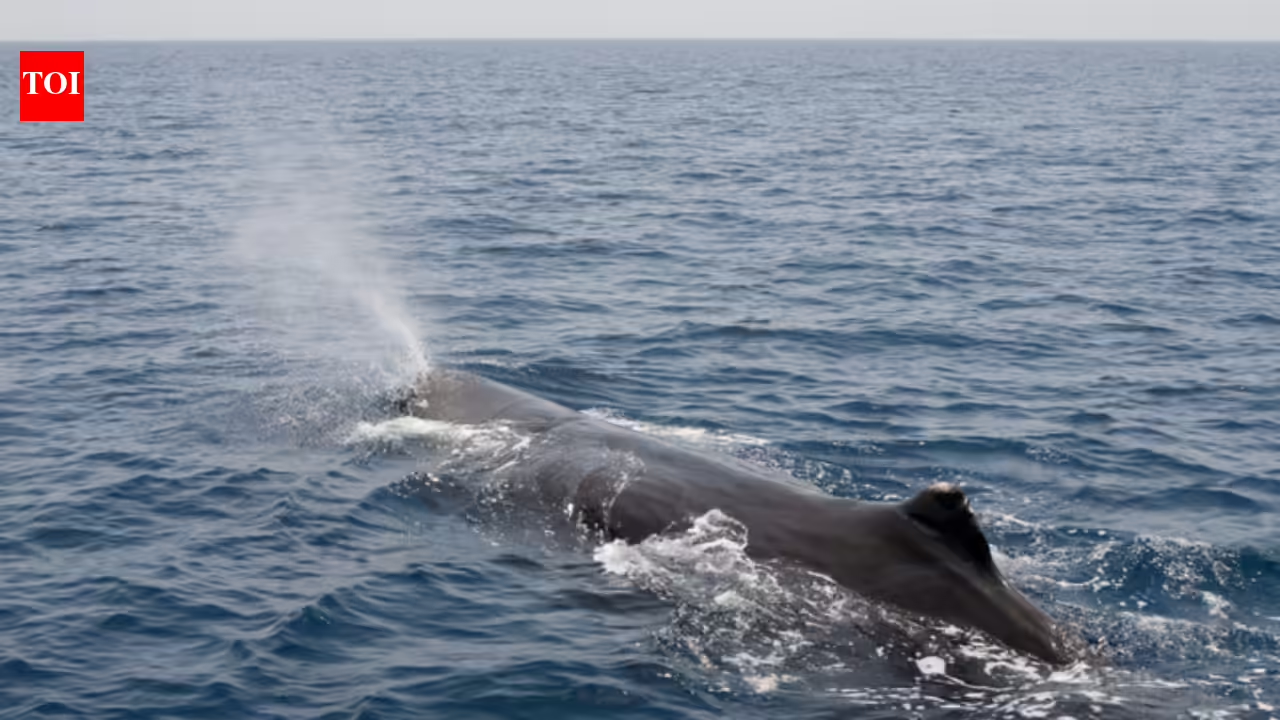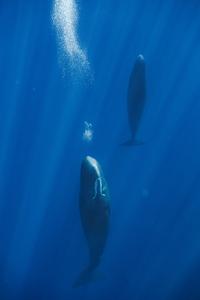
Pygmy Sperm Whale's Deep Dive (AI-generated image)Pygmy sperm whales are among the least studied large mammals in the ocean, spending nearly their entire lives far offshore, diving deep to hunt squid and fish, and rarely surfacing long enough to be observed alive. Most of what scientists know about the species comes instead from whales that wash ashore, and Florida's coastline sees more pygmy sperm whale strandings than almost anywhere else in the world. Now, researchers who spent more than two decades collecting and preserving tissue from these stranded animals have identified three entirely new genotypes of Helicobacter bacteria living in the whales' stomachs, findings that raise fresh questions about a chronic, largely invisible health problem affecting one of the ocean's most elusive species.How decades of stranding data led to the discoveryAccording to Florida Atlantic University, researchers at the university's Harbor Branch Oceanographic Institute responded to 59 pygmy sperm whale strandings along Florida's coast between 1999 and 2020, completing post mortem examinations on roughly 80 per cent of those animals. Rather than working from freshly stranded specimens, the team behind this new study went back through that archive of carefully preserved stomach tissue, applying modern histopathology, molecular testing and DNA sequencing techniques that were not available, or not yet standard practice, when much of the original tissue was first collected.That combination of patient, long-term archiving and newer laboratory methods proved essential. Without more than two decades of preserved tissue held by FAU Harbour Branch, these bacterial genotypes would likely still be entirely unknown to science.What researchers actually found in the whales' stomachsIn four of the whales examined, researchers identified spiral-shaped bacteria, described technically as spirilliform, embedded directly within stomach tissue. According to thestudy published in the Journal of Wildlife Diseases, DNA sequencing confirmed the bacteria belonged to the genus Helicobacter, a group long associated with gastrointestinal disease in humans and other animals, and identified three genetically distinct genotypes never previously documented anywhere, subsequently named Kogia Helicobacter 1, 2 and 3.Not all three genotypes carried the same level of novelty. According to Annie Page, an associate research professor and clinical veterinarian at FAU Harbour Branch and the study's senior author, Kogia Helicobacter 1 and 2 are genetically similar to Helicobacter species already documented in other cetaceans, including dolphins and porpoises, as well as in humans. Kogia Helicobacter 3, by contrast, belongs to a considerably more divergent lineage with no close known relatives in the existing scientific record, a finding Page said underscores just how much undiscovered microbial life may still exist in the ocean. In one whale, both Kogia Helicobacter 1 and 3 were detected together within the same forestomach tissue.Why researchers are concerned about what the bacteria might be doingNone of the four Helicobacter-positive whales had healthy stomach tissue. According to FAU Harbour Branch, all four animals showed significant gastrointestinal damage, including gastritis, gastric ulcers, tissue scarring and parasitic worm infestations, and one whale also showed colitis, inflammation that had extended beyond the stomach into the intestines.Helicobacter was not formally identified as the direct cause of death in any of the four cases. Even so, researchers say the consistent pattern of inflammation, ulceration and scarring across every infected animal raises real questions about the bacteria's role in longer-term, chronic illness, a pattern that closely mirrors symptoms seen in Helicobacter-infected humans, including reduced energy, appetite loss and ulceration.Why this discovery could matter well beyond four whalesWendy Marks, the study's corresponding author and a research coordinator at FAU Harbour Branch's marine wildlife veterinary medicine and research lab, said that if chronic Helicobacter infections are genuinely affecting the health of these animals, the consequences could extend well beyond the individual whales examined in this particular study, potentially carrying implications for entire populations, especially for a species that is already considered vulnerable.Because pygmy sperm whales are so difficult to observe directly at sea, researchers currently have no way of knowing how widespread these newly identified bacteria actually are across the wider population. The four infected whales documented in this study could represent a small, isolated cluster, or they could point toward a considerably larger, largely undetected problem, a distinction that will require substantially more data to resolve.Why this finding is only the beginning of the storyHelicobacter bacteria were first reported in marine mammals in 2000, and related strains have since been documented in cetacean species around the world. The identification of Kogia Helicobacter 1, 2 and 3 adds a new chapter to that growing body of research, while also highlighting a broader pattern in ocean science, that some of the most significant discoveries about poorly studied species come not from dramatic new expeditions but from the patient, unglamorous work of maintaining detailed archives over many years.Researchers say future work will need to determine whether these Helicobacter infections meaningfully contribute to strandings or long-term population decline among pygmy sperm whales, questions that, much like this initial discovery, will likely be answered gradually, through continued careful examination of stranded animals rather than through direct observation of a species that spends almost its entire life well out of sight.
Scientists discover three new stomach bacteria after 21 years of research that may be linked to chronic stomach disease in pygmy sperm whales
Pygmy sperm whales are among the least studied large mammals in the ocean, spending nearly their entire lives far offshore, diving deep to hunt squid and fish, and rarely surfacing long enough to be observed alive. Most of what scientists know about the species comes instead from whales that wash ashore, and Florida's coastline sees more pygmy sperm whale strandings than almost anywhere else in the world.
841 words~4 min read