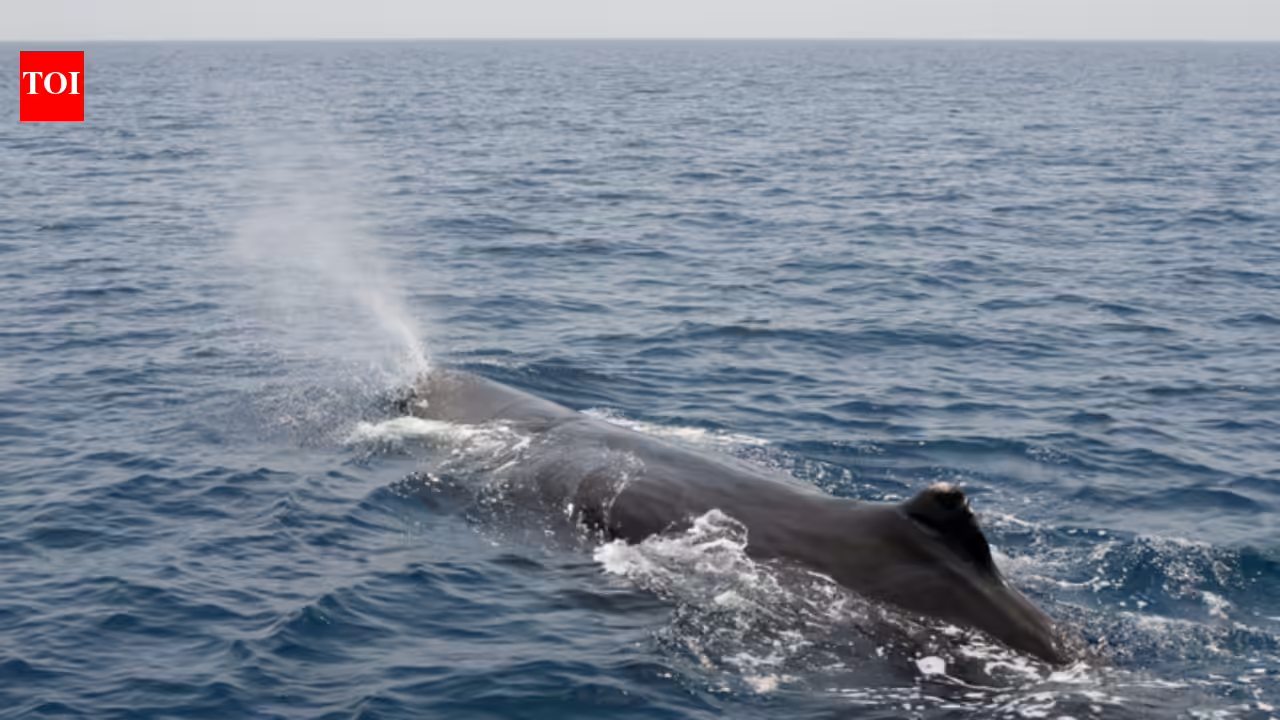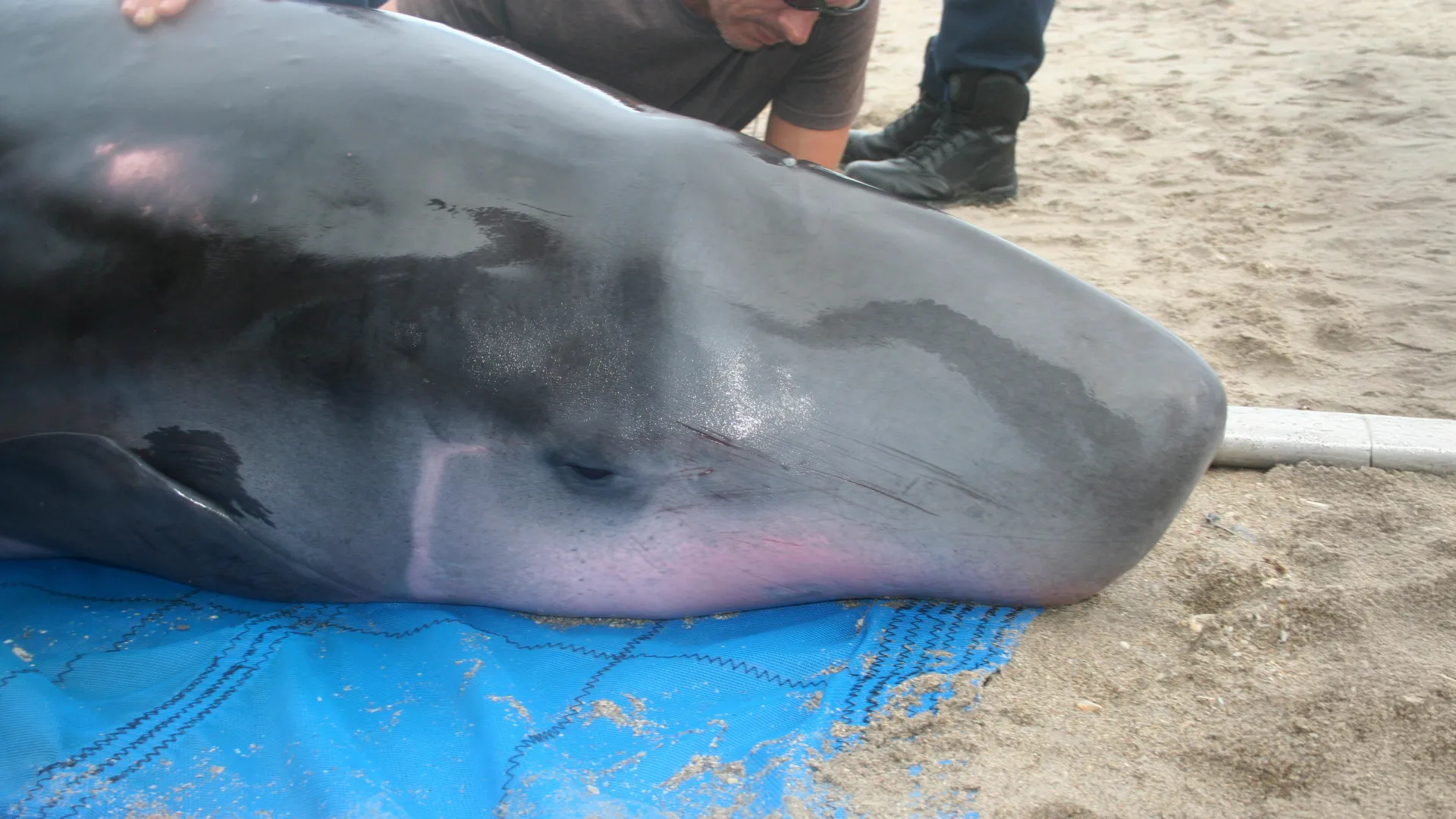
Pygmy sperm whales (Kogia breviceps) are some of the least understood mammals in the ocean. They spend most of their lives far from shore, usually traveling in small groups and diving deep to hunt squid and fish. Because they are quiet, secretive, and rarely seen at the surface, scientists have had few opportunities to observe them in the wild.
Much of what researchers know about pygmy sperm whales has come from animals that wash ashore. Strandings are especially common along the southeastern United States, where this species appears more frequently than almost any other large marine mammal.
Whale Strandings Reveal Hidden Health Problems
Examinations of stranded whales have uncovered several recurring medical problems, including stomach ulcers. These ulcers are sometimes associated with Helicobacter, a group of bacteria that can live in the stomach and intestines of many animals, including humans and whales.
After reviewing more than 20 years of stranding records and preserved tissue samples, researchers at Florida Atlantic University's Harbor Branch Oceanographic Institute and collaborating institutions identified three Helicobacter genotypes that had never been documented before.