I’ve never quite understood why the phrase “revisionist history” became purely pejorative. Of course, it has its Orwellian dark side, but all knowledge has to be revised periodically, as we acquire new information and, ideally, discard old prejudices and narrow frames of reference. A failure to do so seems fundamentally regressive, not only in political terms, but also in terms of how we value accurate, interesting, and engaged scholarship. Such research has brought us fascinating stories about previously marginalized people who made significant contributions to scientific discovery, such as NASA’s “human computers,” portrayed in the book Hidden Figures, then dramatized in the film of the same name.
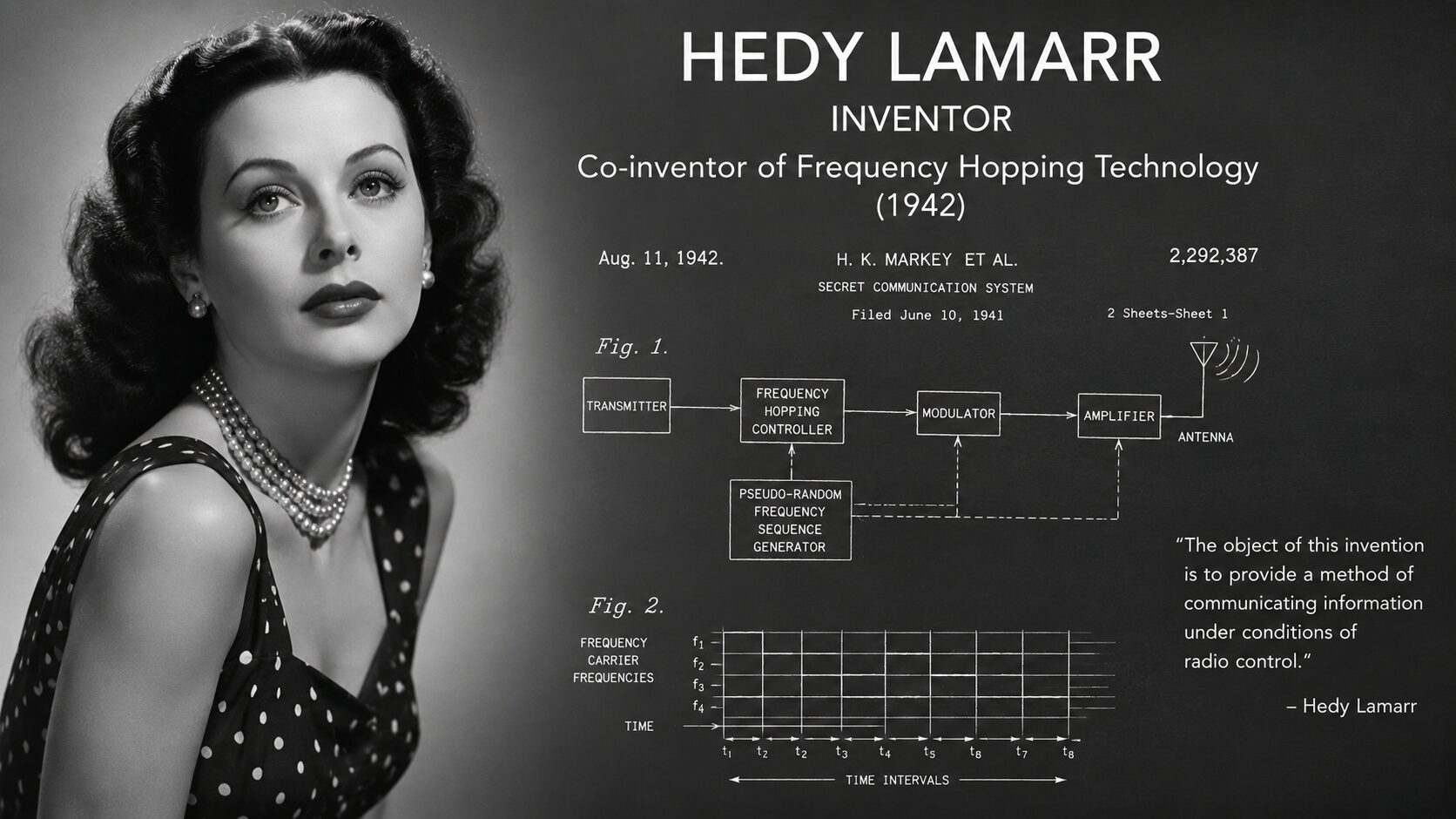
Likewise, the many women who worked at Bletchley Park during World War II—helping to decipher encryptions like the Nazi Enigma Code (out of nearly 10,000 codebreakers, about 75% were women)—have been getting their historical due, thanks to “revisionist” researchers. And, as we noted in a prior post, we might not know much, if anything, about film star Hedy Lamarr’s significant contributions to wireless, GPS, and Bluetooth technology were it not for the work of historians like Richard Rhodes. These few examples, among many, show us a fuller, more accurate, and more interesting view of the history of science and technology, and they inspire women and girls who want to enter the field, yet have grown up with few role models to encourage them.