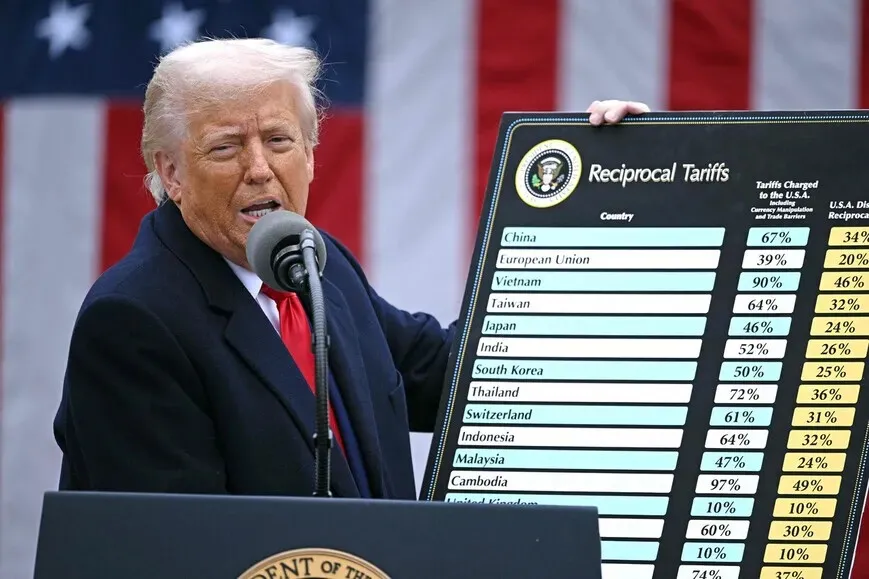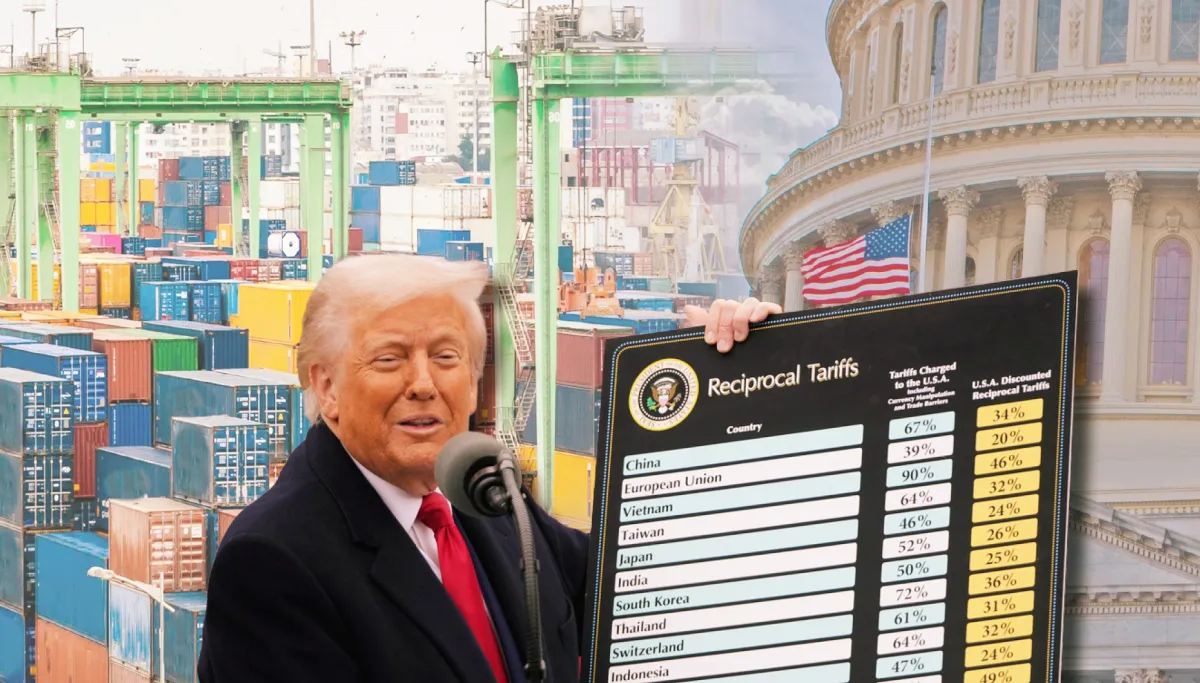
In both of his administrations, President Donald Trump has wielded tariffs as a means of discouraging trade relationships with China, as well as incentivizing American reshoring, but this strategy may be backfiring. As Trump’s import tax plan continues to fluctuate, some U.S. companies who initially moved away from China are now reinvesting in suppliers there.
Alliance Consumer Group, a Texas-based flashlight company, encouraged its Chinese manufacturer to build a factory for its products in Thailand when U.S. tariffs on China ballooned last year, making it financially challenging to import manufactured goods from there. But now that the levies on Chinese goods have fallen to similar levels as other areas of southeast Asia such as Vietnam and Thailand, Alliance Consumer Group is reconsidering where it manufactures its flashlights.
“Have we pulled back to China? Yes, we have,” Phil Laster, chief operations officer of Alliance Consumer Group, told the New York Times.
According to Mary Lovely, an economist at the Peterson Institute for International Economics (PIIE), there’s other anecdotes like this one. There’s not yet quantitative data on how many U.S. companies are returning to Chinese suppliers as a result of tariffs, but a trend in this direction “does make sense, given that the tariff differential between China and other countries has come down because of the invalidation of the Liberation Day tariffs,” she told Fortune.