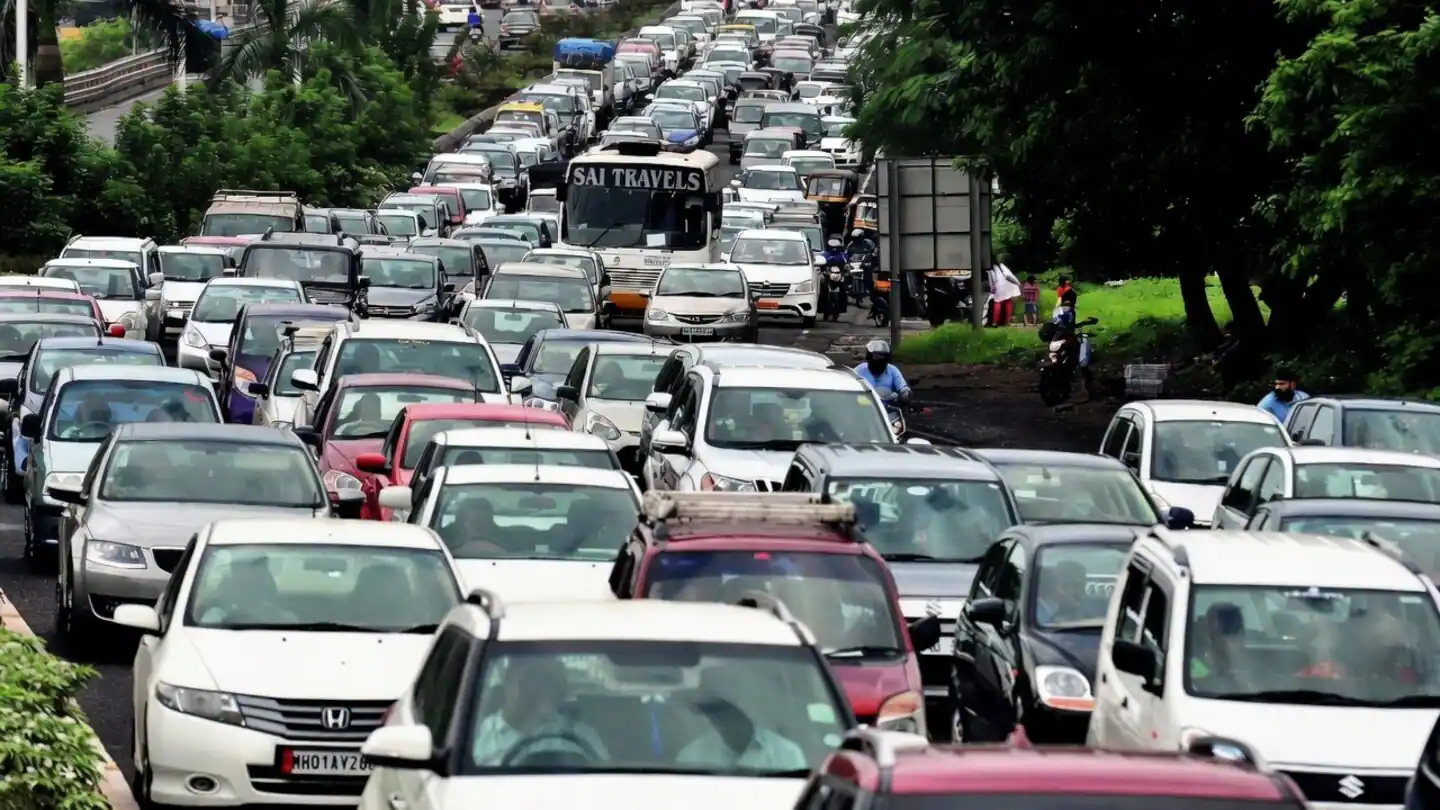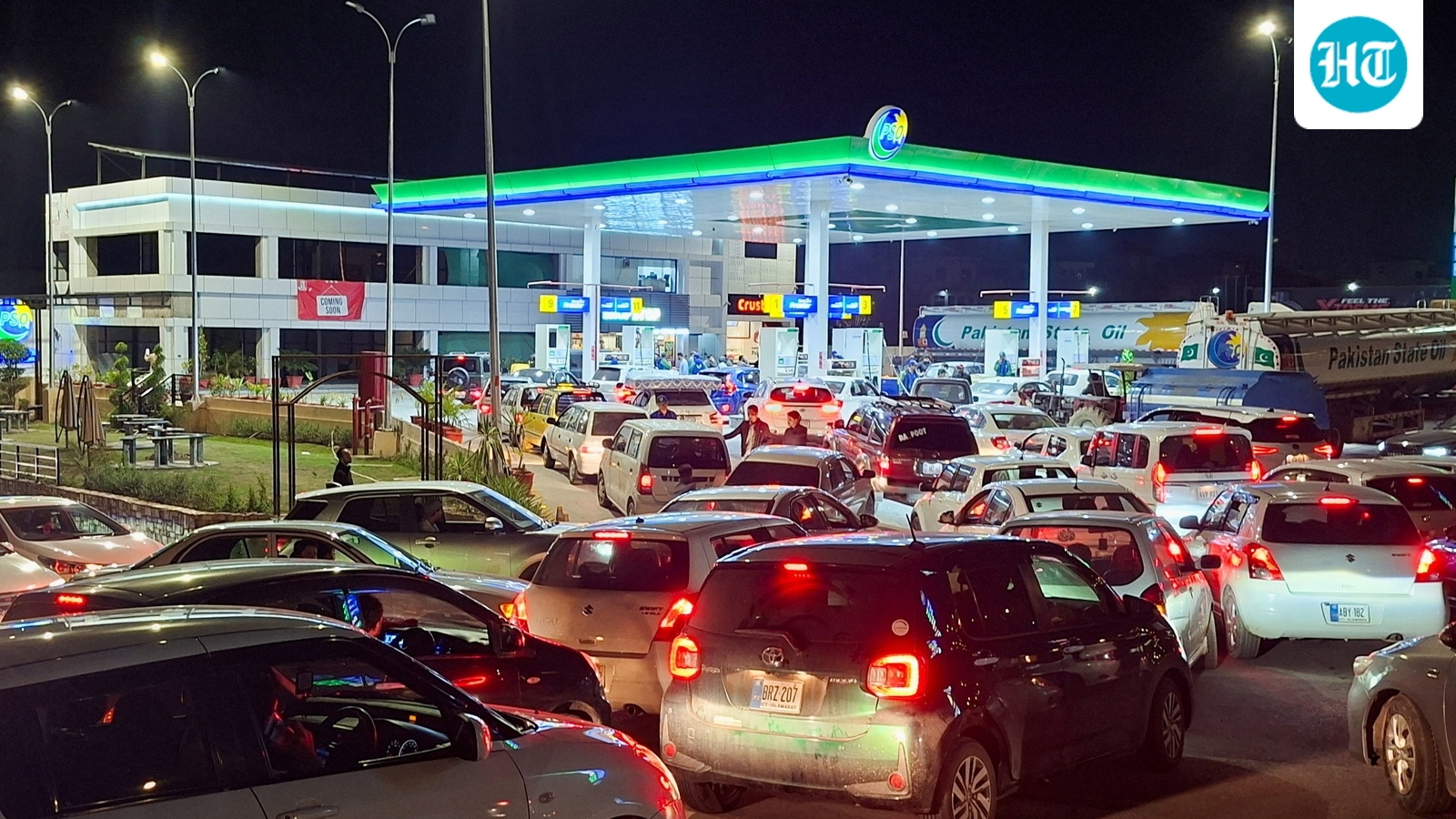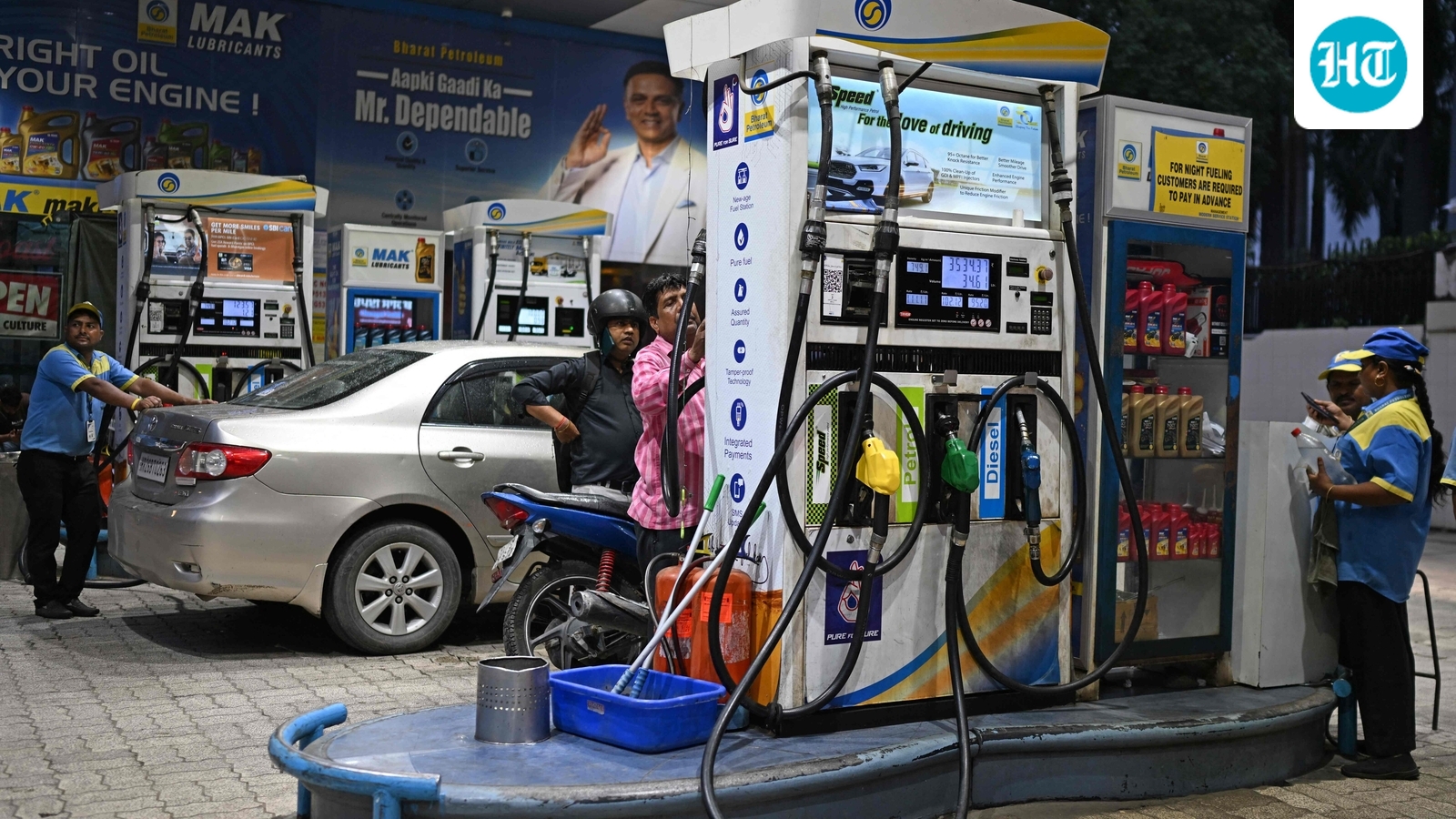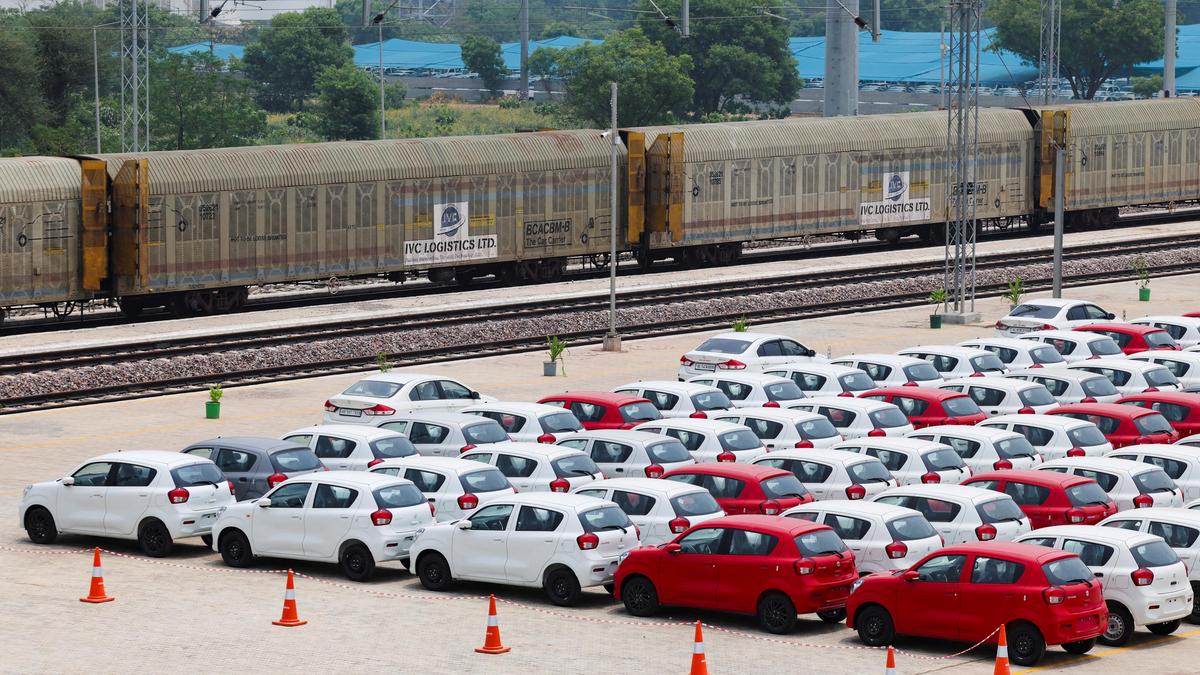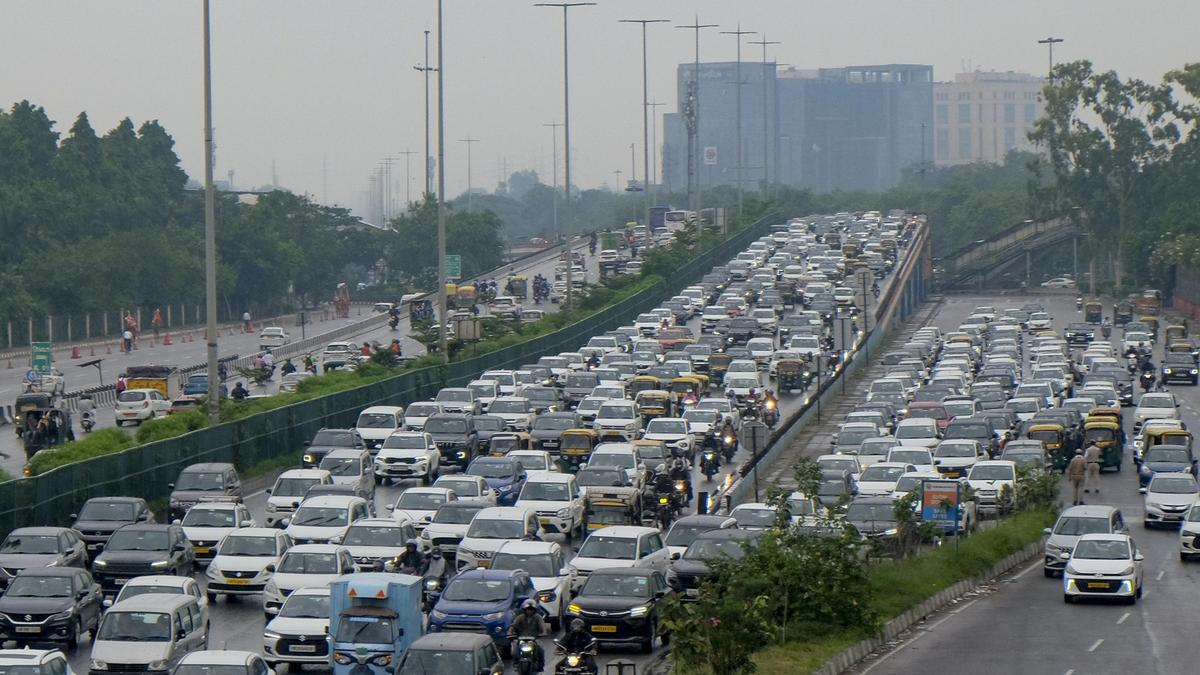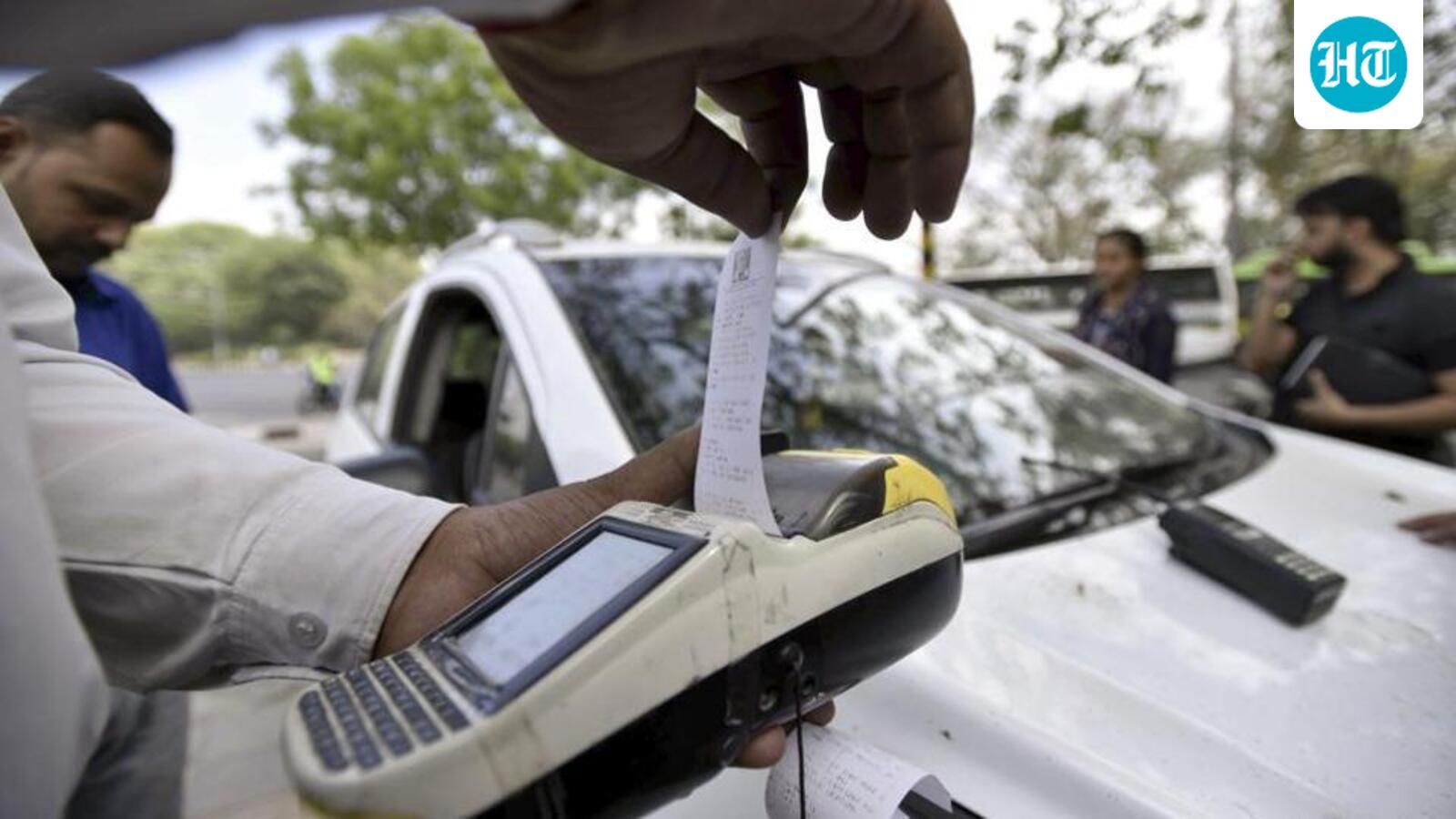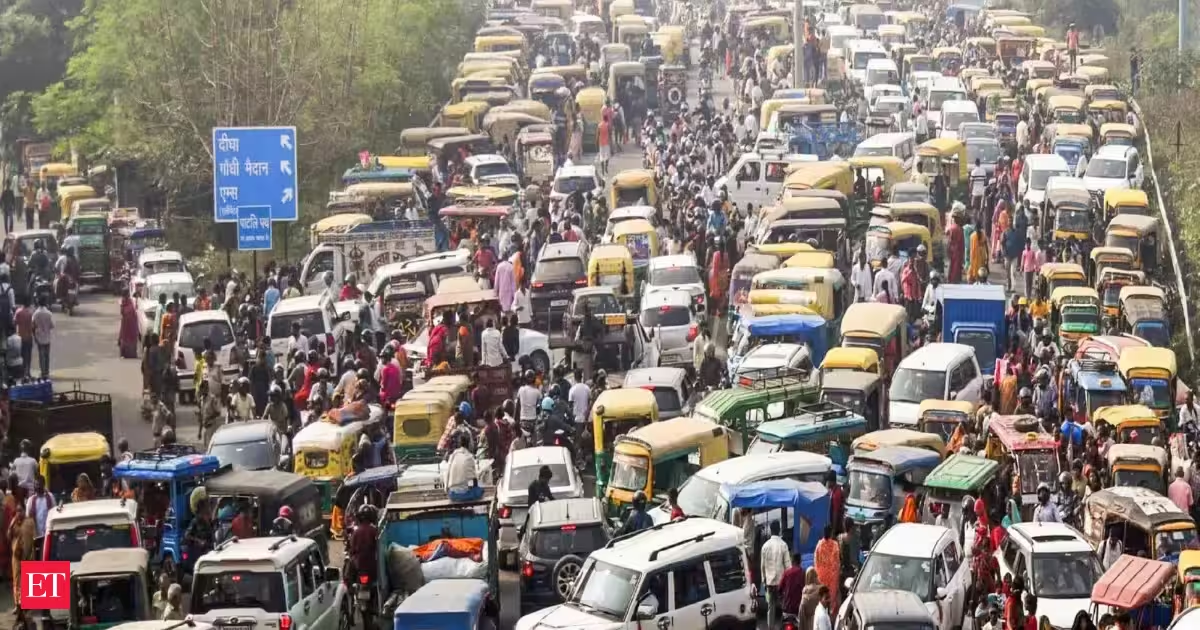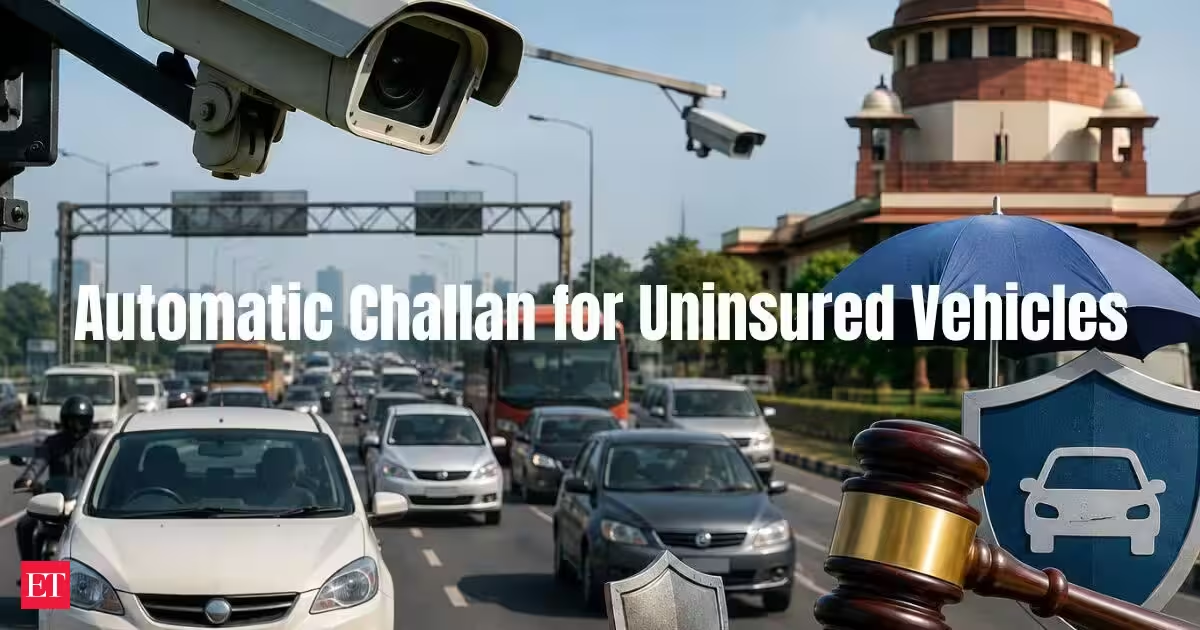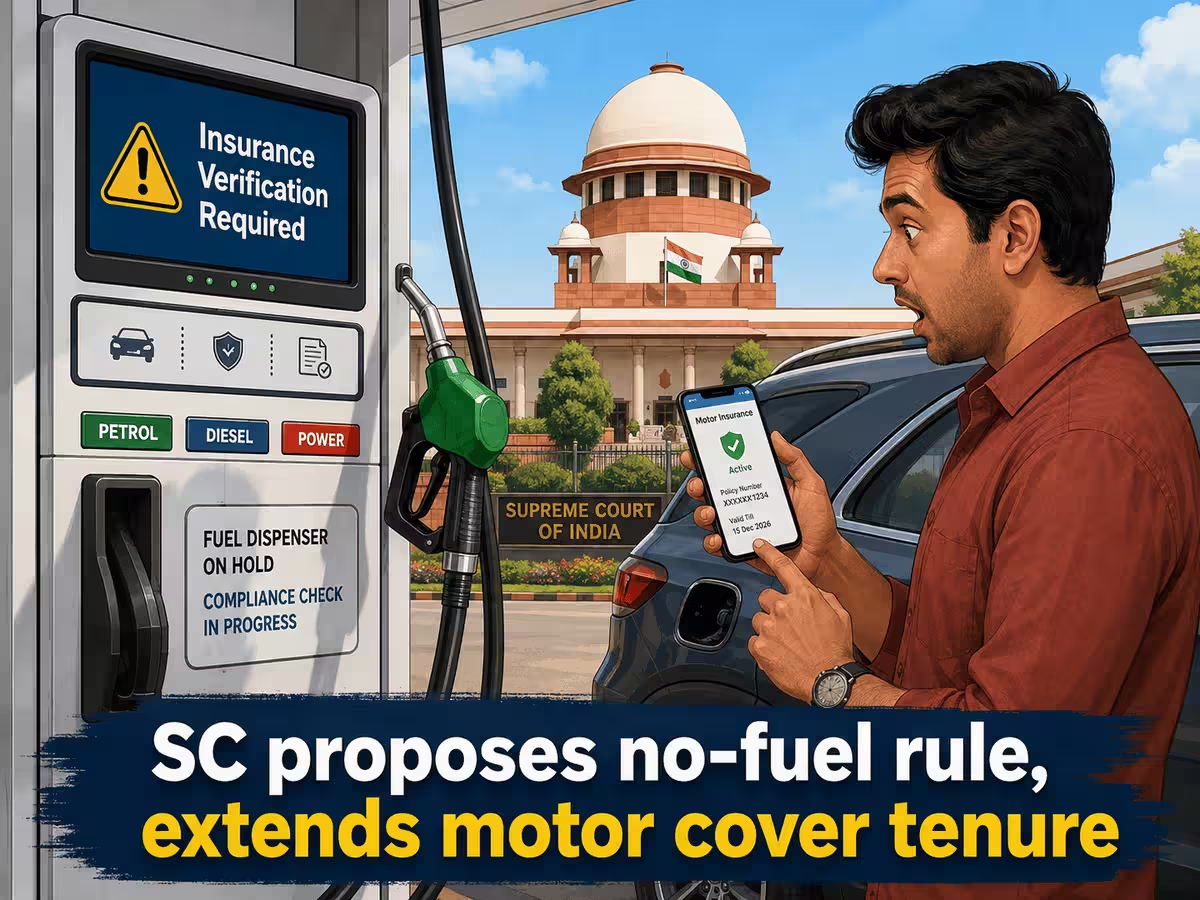
Nearly 56% of vehicles plying on Indian roads do not have valid motor insurance, despite it being mandatory by law. The Supreme Court has termed this a serious enforcement gap. It has now proposed a series of measures, from automatic e-challans to a possible 'no insurance, no fuel' system, to improve compliance.The directions came while the Supreme Court was hearing an appeal filed by National Insurance Company Ltd. in a motor accident compensation case. Although the insurer's appeal was dismissed, the court expanded the scope of the proceedings to address the broader issue of uninsured vehicles and enforcement gaps.Supreme Court extends mandatory third-party insurance periodThe Supreme Court on Tuesday (August 4, 2026) extended the mandatory third-party insurance period for new vehicles by one year.Before you continue readingHow financially free are you?Most people overestimate their financial freedom. Discover your Financial Freedom score through a quick surveyAccordingly:New private cars must now be sold with 4 years of third-party insurance, up from 3 years earlierNew two-wheelers must now be sold with 6 years of mandatory third-party insurance, up from 5 years earlierThe court observed:"We notice that despite eight years having passed from the said direction, a large number of vehicles remain uninsured. While the IRDA and GIC have recommended that this period not be enhanced, we are of the view that it is in the interest of road safety that the period be enhanced by one year."The court directed IRDAI to issue the necessary directions immediately.'No insurance, no fuel' proposal under considerationThe Supreme Court also proposed a technology-driven pilot project that could eventually link fuel dispensing at petrol pumps with a vehicle's insurance status.However, the court has not ordered its immediate implementation.Instead, it directed IRDAI, in consultation with the Ministry of Road Transport & Highways, to examine the feasibility of such a system and develop a pilot project.If implemented in the future, vehicles without valid insurance may be denied fuel until their insurance is renewed.According to the court, such technology could significantly improve insurance compliance while also helping authorities identify uninsured vehicles more efficiently.Pilot project to let citizens verify vehicle insuranceThe court directed a pilot project that would allow citizens themselves to verify whether a vehicle has valid insurance.The stated objectives are:check whether a vehicle has insurance before travelling in it or transporting goods, enable prompt reporting of uninsured vehicles.Automatic e-challans for uninsured vehiclesThe Supreme Court directed authorities to integrate Automatic Number Plate Recognition (ANPR) cameras installed on highways and city roads with the Insurance Information Bureau (IIB) database and the VAHAN portal.Once implemented, the system will automatically identify uninsured vehicles and generate e-challans electronically.The court also directed that traffic police be equipped with handheld devices or mobile applications connected to these databases, enabling officers to verify a vehicle's insurance status instantly during inspections and issue penalties wherever required.The current fine is Rs. 2,000 for the first violation and Rs. 4,000 for repeat violations. As these penalties have not had the desired effect, they may be increased. New four-layer motor insurance structureThe court accepted IRDAI's proposal for a simplified four-layer insurance structure to make policy choices easier for consumersInsurance coverMandatory/OptionalWhat it coversThird-party insuranceMandatoryLegal liability towards third partiesLegal liability coverOptionalOccupants and pillion riders (other than owner, driver and family of the insured)Personal accident coverOptionalDeath or permanent disability of owner-driver and occupantsOwn damage coverOptionalDamage to the insured vehicleThe court also directed IRDAI to standardise policy wordings so that optional covers are presented uniformly across insurers.Why did the Supreme Court issue these directions?The court noted that despite statutory requirements under Section 146 of the Motor Vehicles Act, a significant number of vehicles continue to operate without valid insurance.Apart from uninsured vehicles, the Court also observed that many vehicles do not possess valid registration, highlighting a wide gap between the legal mandate and its enforcement.To improve compliance and make motor insurance easier for consumers to understand, the Court issued several directions to the Ministry of Road Transport & Highways (MoRTH) and the Insurance Regulatory and Development Authority of India (IRDAI).Customer option form to become mandatoryTo help buyers understand exactly what they are purchasing, the Court directed that every motor insurance customer, whether buying online or offline, must receive a standardised Customer Option Form.The form will clearly specify:What is covered under mandatory insurance.Which covers are optional.The premium payable for each optional cover.Customers can then choose additional covers through a simple checkbox-based system, making the purchase process more transparent.
No insurance, no fuel? Supreme Court proposes pilot project, extends tenure of third party insurance cover for new vehicles - The Economic Times
The Supreme Court has proposed new measures to address widespread non-compliance with mandatory motor insurance laws. Automatic e-challans and a potential 'no insurance, no fuel' system are being considered. The court also extended mandatory third-party insurance periods for new vehicles. Citizens will soon be able to verify vehicle insurance status through a pilot project.
730 words~3 min read