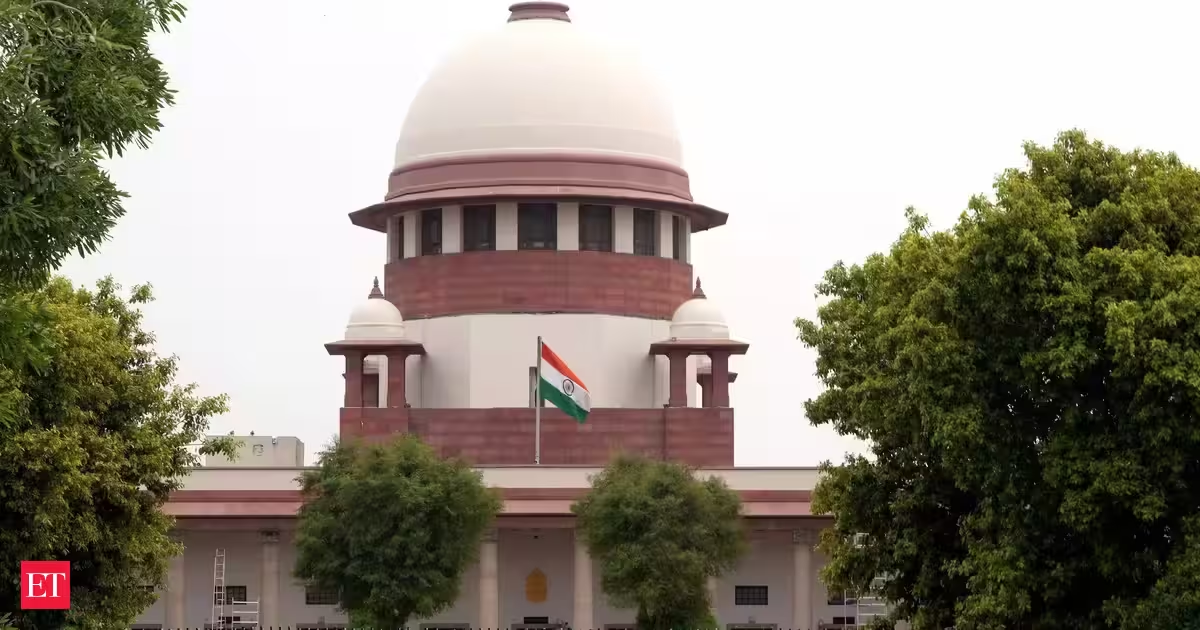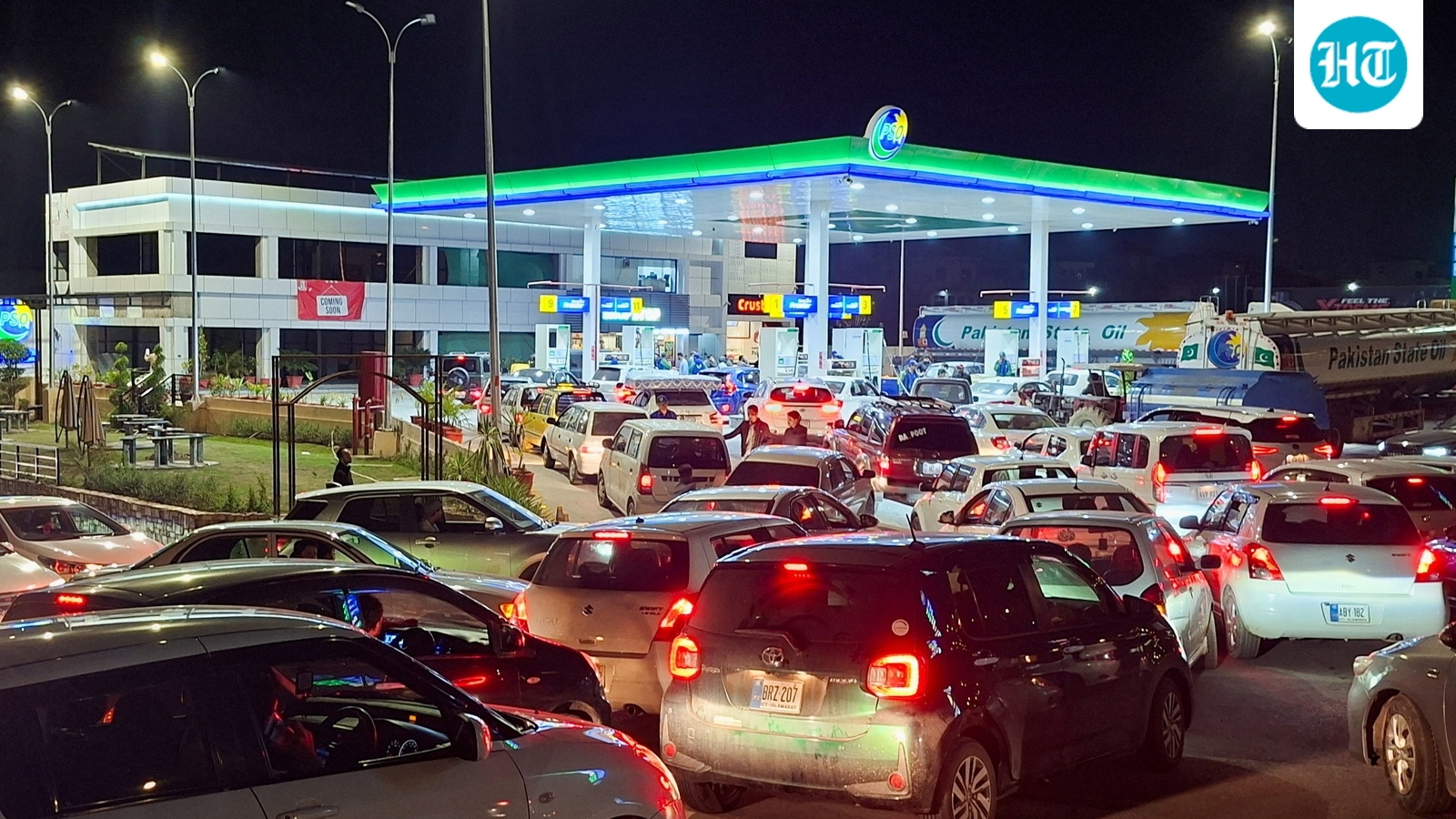
The top court, however, dismissed the appeal and directed the insurer to pay the compensation awarded to the victim’s family, observing that courts dealing with motor accident claims should not adopt a “hyper-technical approach”
| Photo Credit:
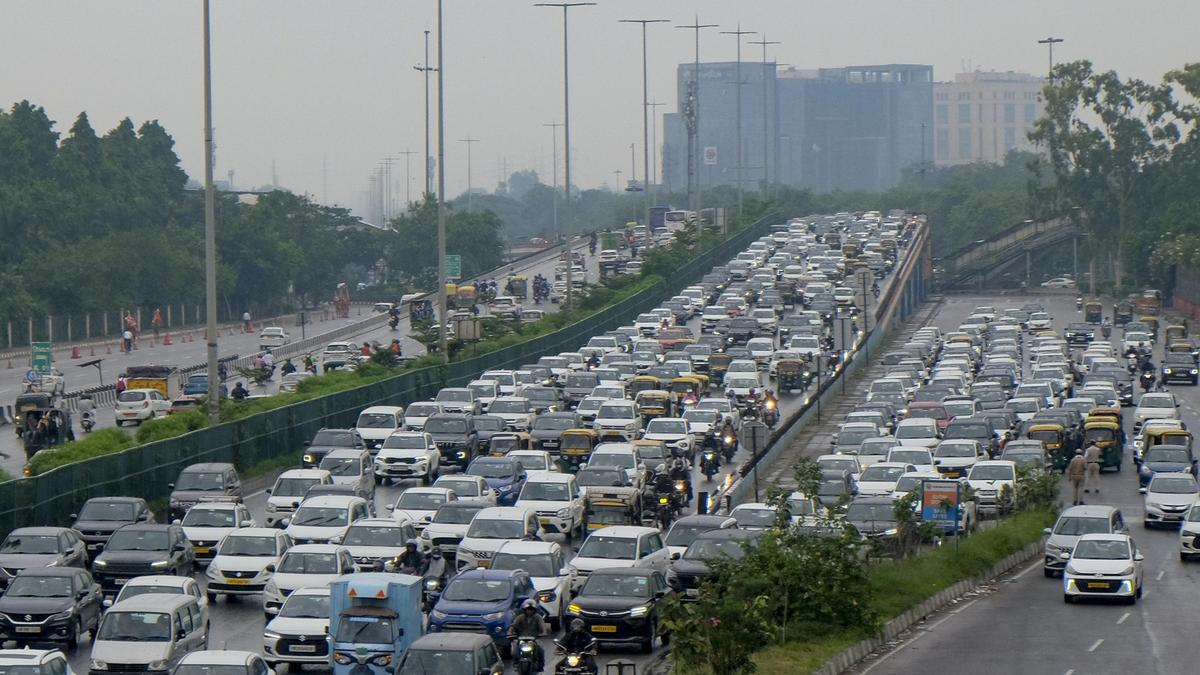
The Supreme Court on Tuesday (August 4, 2026) extended the mandatory third-party motor insurance period for new vehicles, requiring four years of coverage for new cars and six years for new two-wheelers. The court observed that despite the statutory mandate, a “shocking” number of vehicles continued to ply on Indian roads without third-party insurance, forcing accident victims and their families to “run from pillar to post” to secure compensation.“While the Insurance Regulatory and Development Authority of India (IRDAI) and the General Insurance Council (GIC) have recommended that this period not be enhanced, we are of the view that it is in the interest of road safety that the period be enhanced by one year. Therefore, it is directed that henceforth, third-party insurance for four years for new cars and six years for new two-wheelers be required to be purchased. IRDA to immediately issue necessary directions,” a Bench of Justices Sanjay Karol and Prashant Kumar Mishra said.The direction extends the existing mandatory insurance period by one year for both categories of vehicles. In its 2018 judgment in S. Rajaseekaran v. Union of India, the apex court had required purchasers of new vehicles to obtain three-year third-party insurance for cars and five-year cover for two-wheelers at the time of purchase or registration.The Bench also directed that Automatic Number Plate Recognition (ANPR) cameras deployed on highways and roads to detect traffic violations be integrated with insurance data maintained by the Insurance Information Bureau of India (IIB) and vehicle registration data available on the VAHAN portal. It further directed that State police personnel be equipped with mobile applications linked to the IIB and VAHAN databases, enabling them to verify the insurance status of vehicles in real time and issue challans for violations.The directions were issued while the apex court was hearing an appeal by an insurance company against a 2024 Telangana High Court ruling directing it to pay ₹10.005 lakh in compensation to the family of a road accident victim, who was the sole breadwinner of the household. The insurer had disputed its liability to pay the compensation, contending that no additional premium had been paid to cover the personal risk of the vehicle owner.The top court, however, dismissed the appeal and directed the insurer to pay the compensation awarded to the victim’s family, observing that courts dealing with motor accident claims should not adopt a “hyper-technical approach”. It also flagged the high number of uninsured vehicles on Indian roads, observing that the lack of third-party coverage often leaves accident victims and their families embroiled in prolonged litigation over liability and the quantum of compensation.“The result of vehicles remaining uninsured is that the victims of the accident and their families have no recourse to adequate compensation, within a reasonable time period. They often have to enter into prolonged litigation concerning the quantum as well as liability for compensation. The consequence is even more severe for families where the victim is deceased or has suffered permanent disability, as the financial impact on the family is significantly heightened,” Justice Karol, who authored the judgment, observed.The Bench also directed that vehicle buyers be offered a four-tier insurance policy at the time of purchase, allowing them to choose additional protection beyond the mandatory third-party cover. The policy would comprise four components — compulsory third-party insurance; optional coverage for passengers or pillion riders; personal accident cover for death or permanent disability of the owner, driver and other occupants; and cover against loss or damage to the insured vehicle itself.While the premium for mandatory third-party insurance would be determined in consultation between the IRDAI and the Centre, insurance companies would be free to set premiums for the optional covers. The court also directed the IRDAI, in consultation with the GIC and insurers, to formulate uniform terms for these optional policies.Denial of fuelTo improve compliance with mandatory third-party insurance requirements, the court directed the IRDAI, in consultation with the Ministry of Road Transport and Highways, to explore a pilot project linking the purchase of fuel to a vehicle’s insurance status. Under the proposed system, vehicles without valid insurance could be denied fuel at petrol pumps until the required coverage is obtained.“The benefit therein is two-fold. Firstly, it will assist in the identification of uninsured or unregistered vehicles. Secondly, it will prompt the owners of these vehicles to ensure that they have valid insurance status. This may be done through the use of ANPR cameras,” the Bench said.The court also took note of the mounting pendency of motor accident compensation claims before Motor Accident Claims Tribunals (MACTs) and issued directions aimed at expediting older cases. For claims arising from accidents that occurred before March 31, 2022, it directed the State police authorities to promptly file Detailed Accident Reports (DARs) before the respective tribunals, along with relevant records such as the FIR, medical and post-mortem reports, insurance documents and vehicle permits.The Bench further directed the State police to facilitate the timely service of notices and ensure the production of relevant witnesses before MACTs to expedite the disposal of these pending claims.The court listed the matter for further hearing on August 18 to review compliance with its directions.Published on August 4, 2026