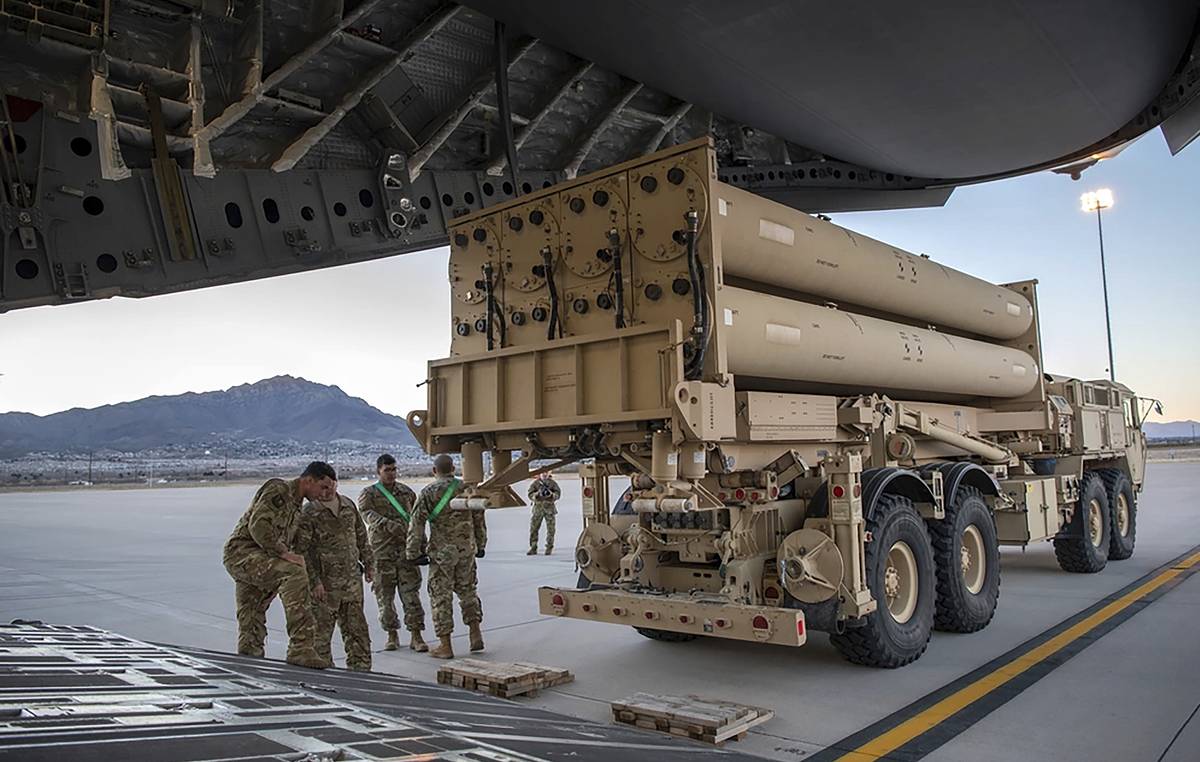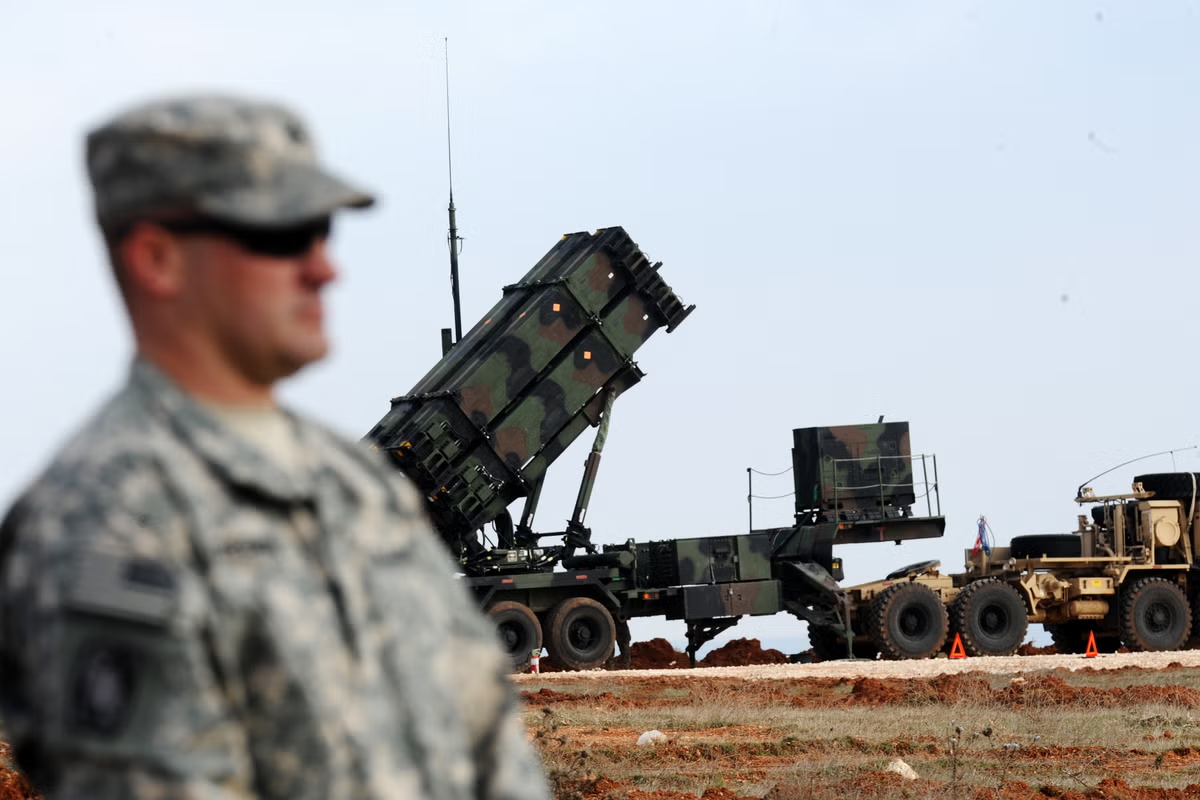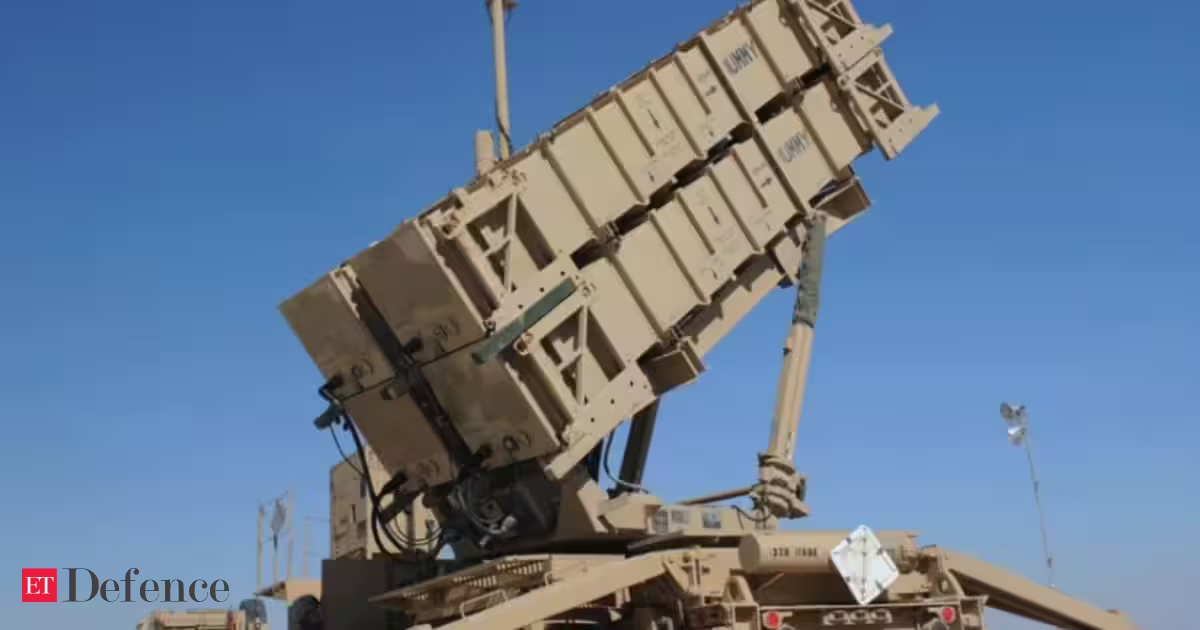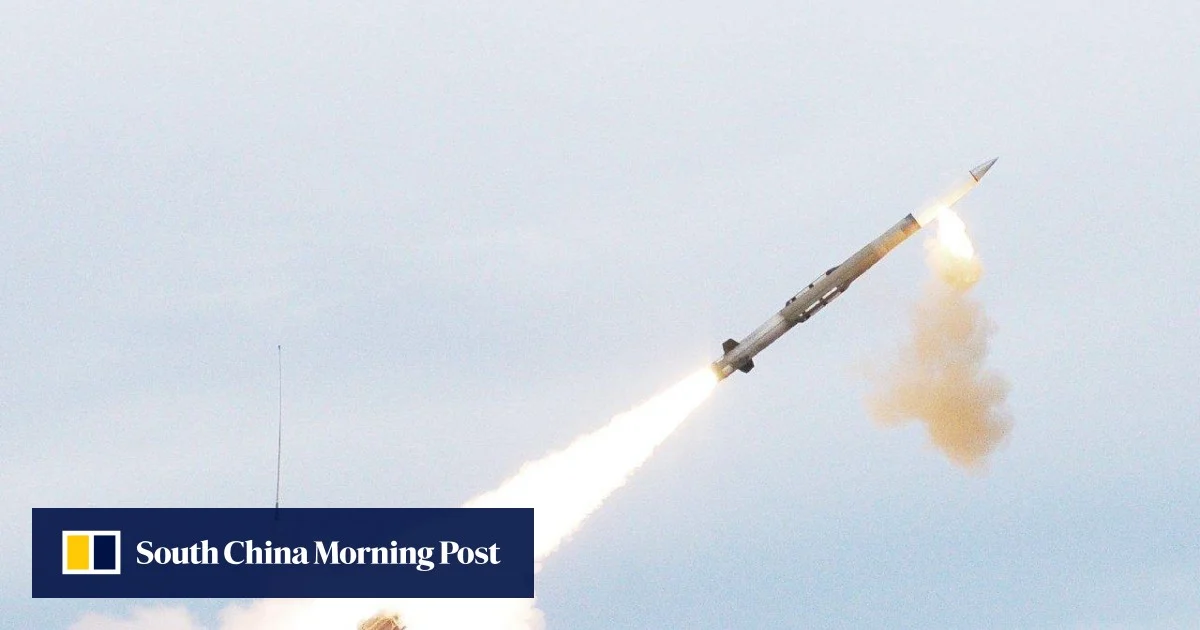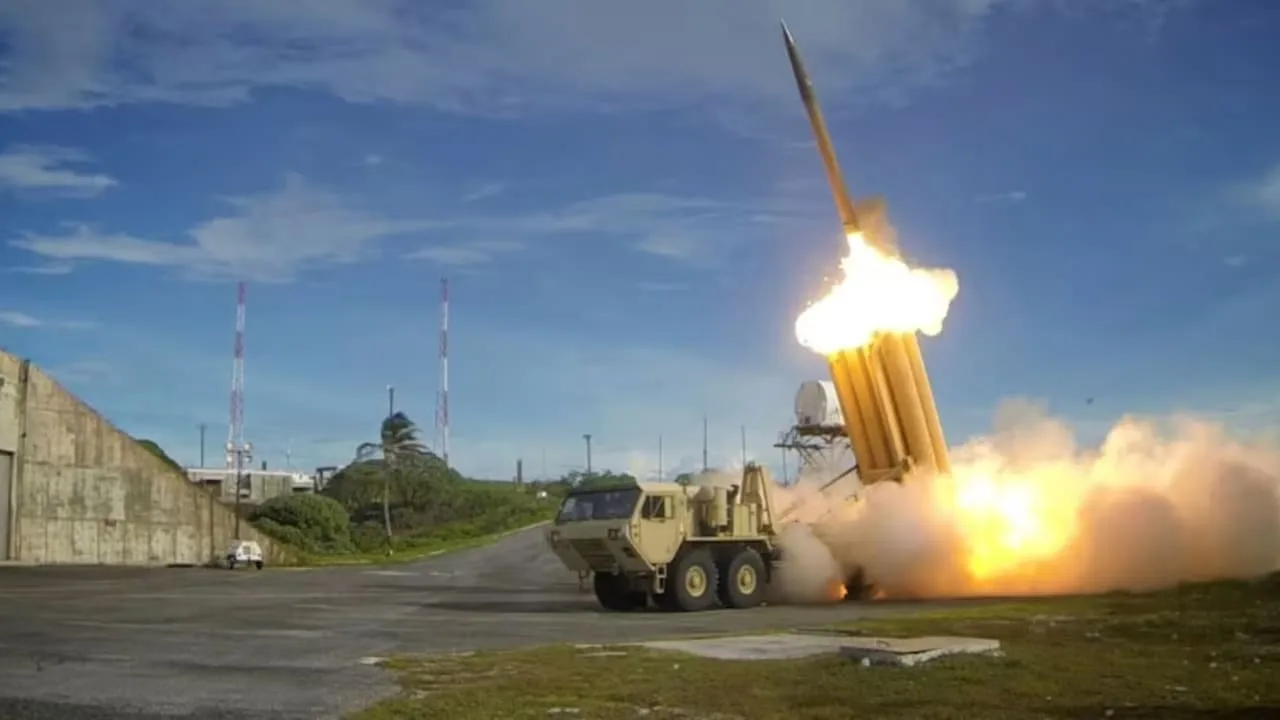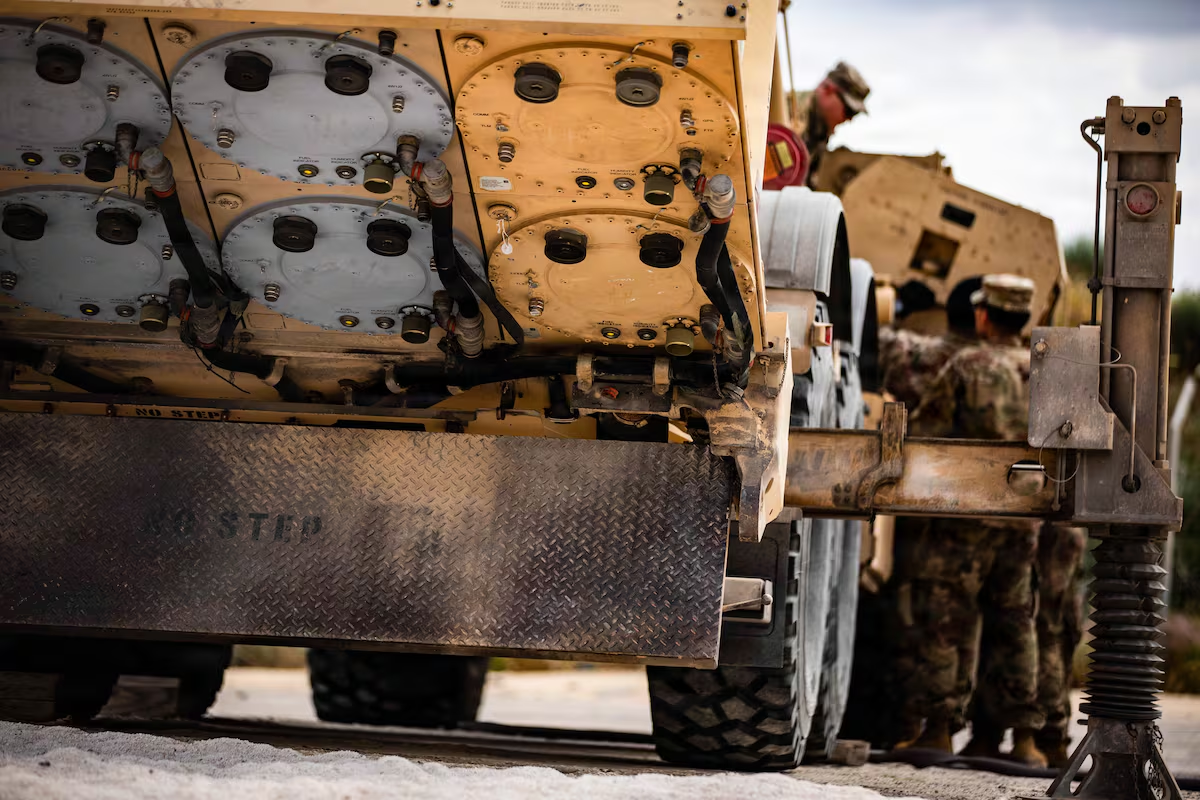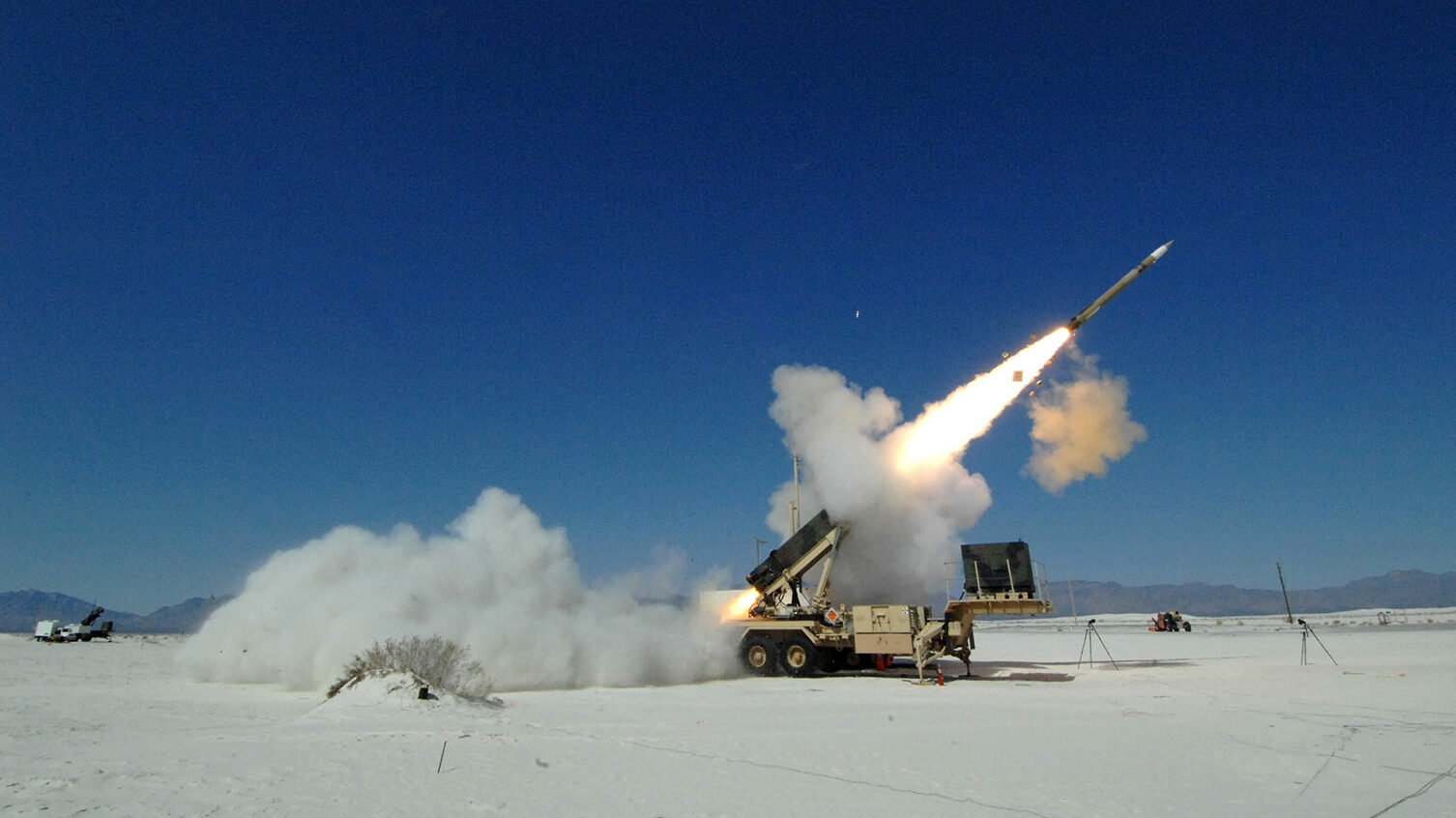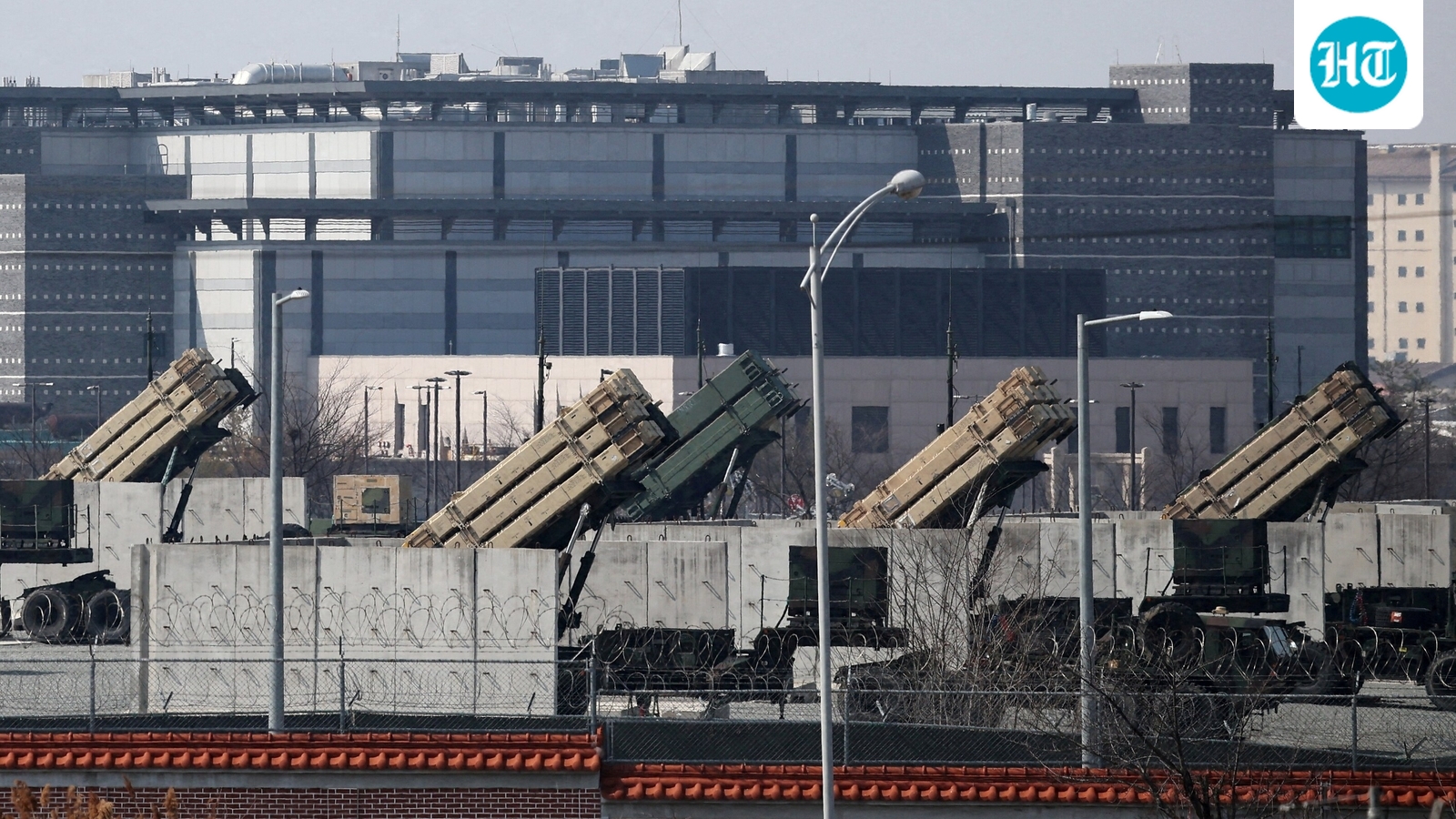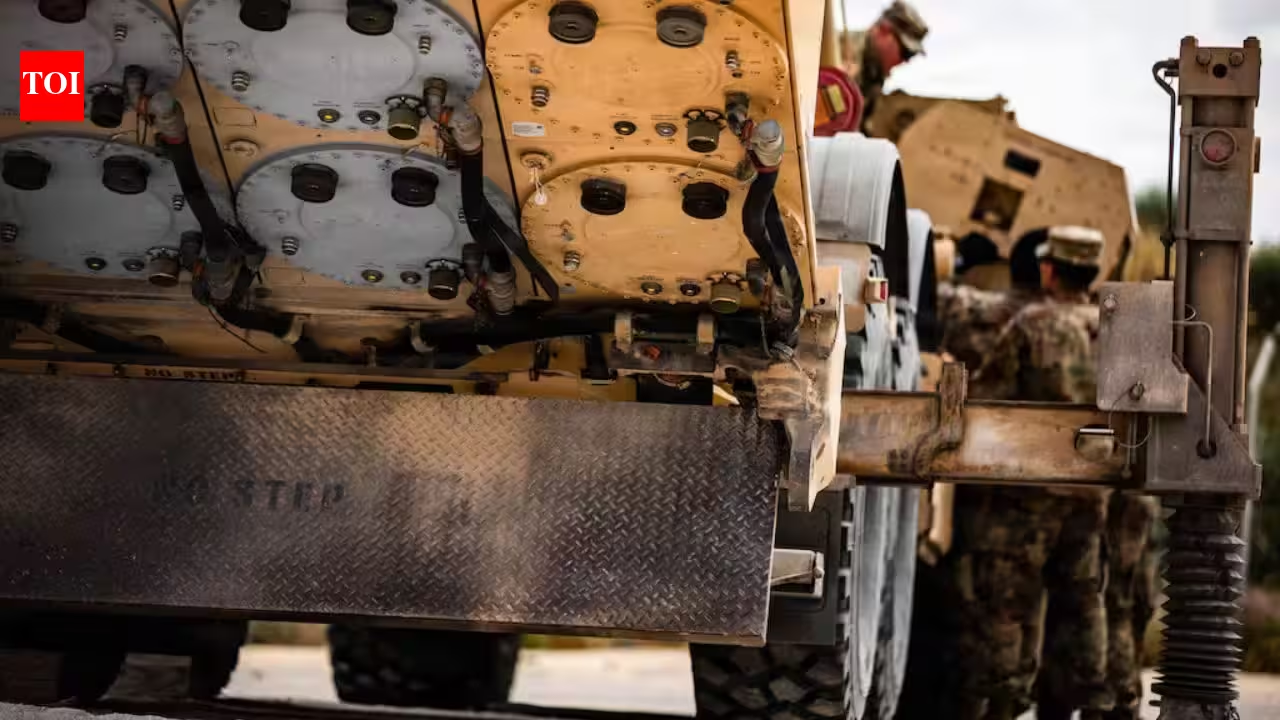
Photo credit: US ArmyThe US department of defense has signed framework agreements worth more than $3 billion with Lockheed Martin and Northrop Grumman to significantly expand production of Patriot PAC-3 and Terminal High Altitude Area Defense (THAAD) missile interceptors, as Washington seeks to strengthen its missile defence industrial base amid growing global security challenges.Under the agreements, production capacity for Patriot interceptors will triple while THAAD interceptor production will quadruple over the coming years. Defense officials said the agreements are intended to support the department’s long-term procurement objective of nearly 14,000 Patriot and THAAD interceptors by providing sustained demand signals to critical suppliers throughout the defense industrial base.US department of defence (DOD) said it will work directly with key missile component suppliers, rather than relying solely on prime contractors, to accelerate interceptor production."Building the arsenal of freedom requires robust, dynamic supply chains at every level of the industrial base," Michael P Duffey, under secretary of defense for acquisition and sustainment, said in a statement. "Framework agreements with munition components suppliers like Northrop Grumman are vital to accelerating the tripling of PAC-3 and quadrupling of THAAD interceptor production."The move comes as the Pentagon works to replenish interceptor stockpiles depleted by recent conflicts, including the war in Ukraine and the Iran conflict, where Patriot and THAAD systems were extensively used to defend against ballistic missile and drone attacks.A recent assessment by the Washington-based Center for Strategic and International Studies (CSIS) estimated that the US military has fewer than 1,000 Patriot interceptors and fewer than 250 THAAD interceptors in its inventory.Why both systems are important for the USPatriot and THAAD form the backbone of the United States layered air and missile defence architecture, with each system designed to intercept threats at different stages of flight.While THAAD provides the first line of defence by engaging ballistic missiles at high altitudes and over longer ranges, Patriot serves as the lower-tier shield, intercepting missiles that penetrate the upper layer as well as cruise missiles, aircraft and other aerial threats.Together, the two systems protect US military bases, deployed forces and critical infrastructure at home and abroad. They are also central to Washington's security commitments to allies in Europe, the Indo-Pacific and the Middle East, where they have been deployed to counter growing ballistic missile threats.heir complementary capabilities improve the overall probability of intercepting incoming missiles, making them among the most important components of the US missile defence network.
Northrop Grumman: US to boost Patriot and THAAD interceptor production as missile stockpiles come under pressure - The Times of India
International News: The US department of defense has signed framework agreements worth more than $3 billion with Lockheed Martin and Northrop Grumman to significantly exp.
TL;DRAI
DoD allocated $3B+ to triple Patriot and quadruple THAAD interceptor production with Northrop Grumman and Lockheed, restocking arsenals depleted in Ukraine and Iran. Supply chain scaling secures NATO defense posture against rising ballistic missile threats.
400 words~2 min read