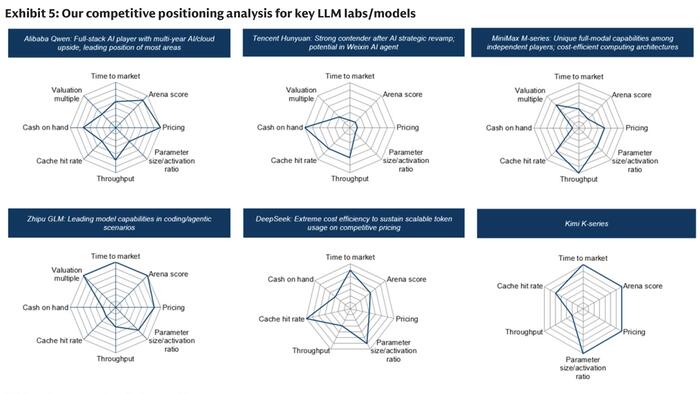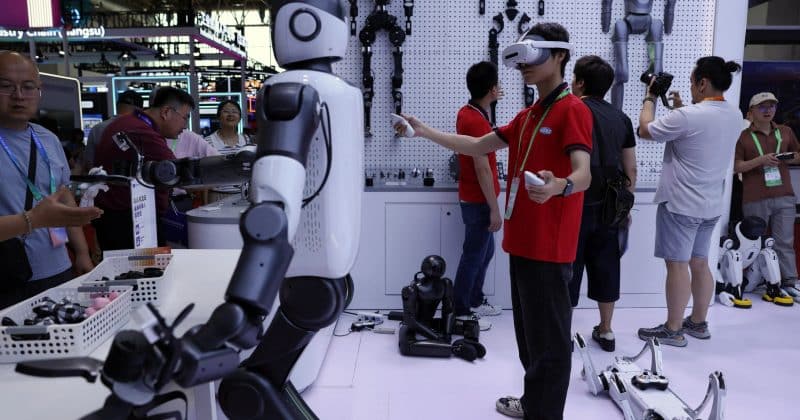
Another week, another new innovation from China’s AI labs. DeepSeek just released a new version of its V4 Flash model, which outperforms most top Western models, is priced far more cheaply than even its competitors, and is small enough to run on cheaper hardware.
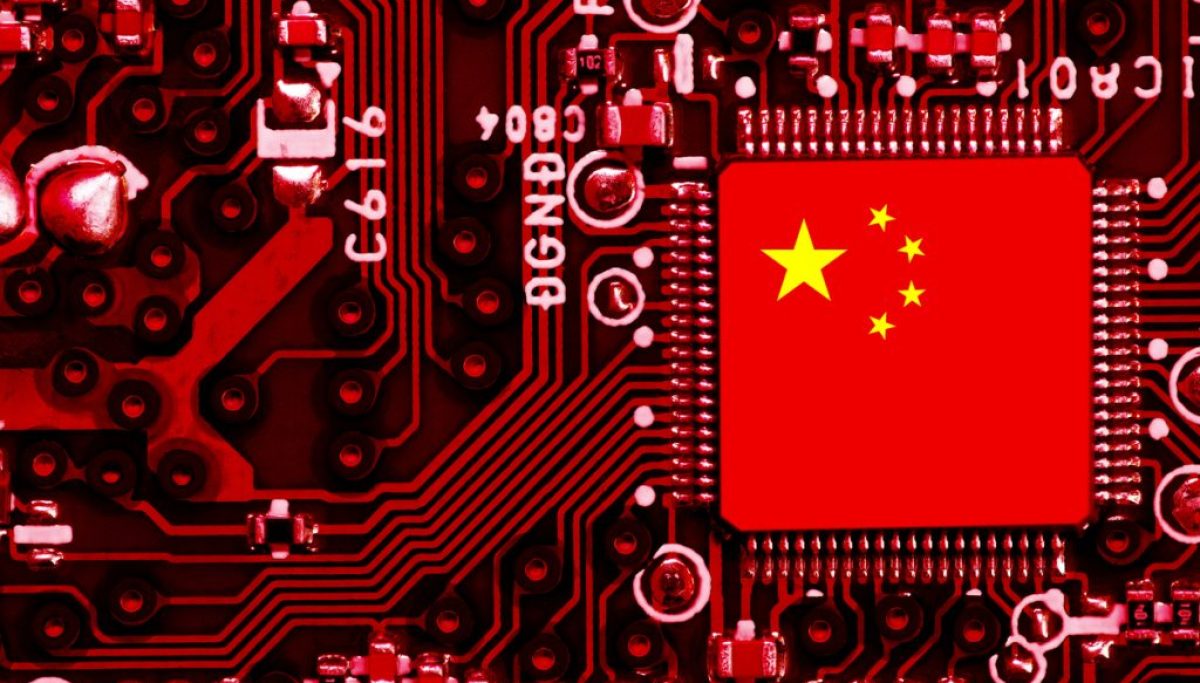
Whether it’s GLM-5.2, Kimi K3, or DeepSeek V4, China’s open-source AI models are reshaping how we think about AI. In order to maintain its strategic technological advantage, the U.S. imposed strict export controls on China to limit global access to advanced compute and throttle foreign artificial intelligence development. Yet these policies instead acted as a massive stimulus for innovation. Denied unlimited access to top-tier hardware, global labs were pushed to optimize their algorithms and adopt open-source architectures.
Regulatory pressure effectively birthed a new generation of highly efficient, low-cost models that are now achieving capability parity with premium, closed systems.
This paradox shifts how we view the global technology landscape. The mainstream narrative loves to pit U.S. AI against Chinese AI. But the true race is really between open and closed.
Instead of looking at who is building the AI, we should examine who the AI is being built for, and how it’s being used—and, more importantly, whether world-leading powers can find common ground in embracing open-source technology.