The technological and pricing shock brought by Kimi k3 to the large-language model ecosystem continues to reverberate through capital markets, with some US media outlets even describing it as a "DeepSeek Moment 2.0". It is widely believed within the industry that the six-to-12-month innovation gap between China and the United States in large models has been largely closed. Although product iteration may lead to periodic fluctuations in specific technical indicators, China's artificial intelligence innovation has remained among the global leading group, with its overall capabilities comparable to those of any leading AI power.
However, China's AI progress should not be assessed only by isolated benchmark scores. Its distinctive path lies in broader technological coverage, richer application scenarios and stronger empowerment of the macroeconomy. By extending AI across industries and into the real economy, China is reinforcing economic resilience and improving development quality across multiple dimensions.
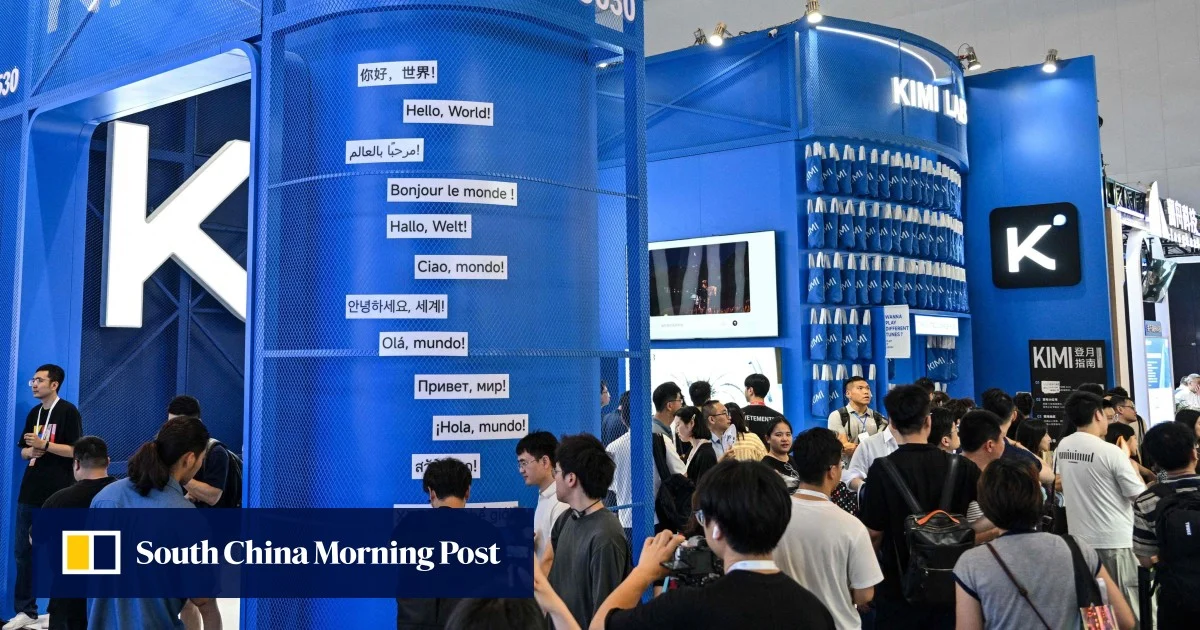
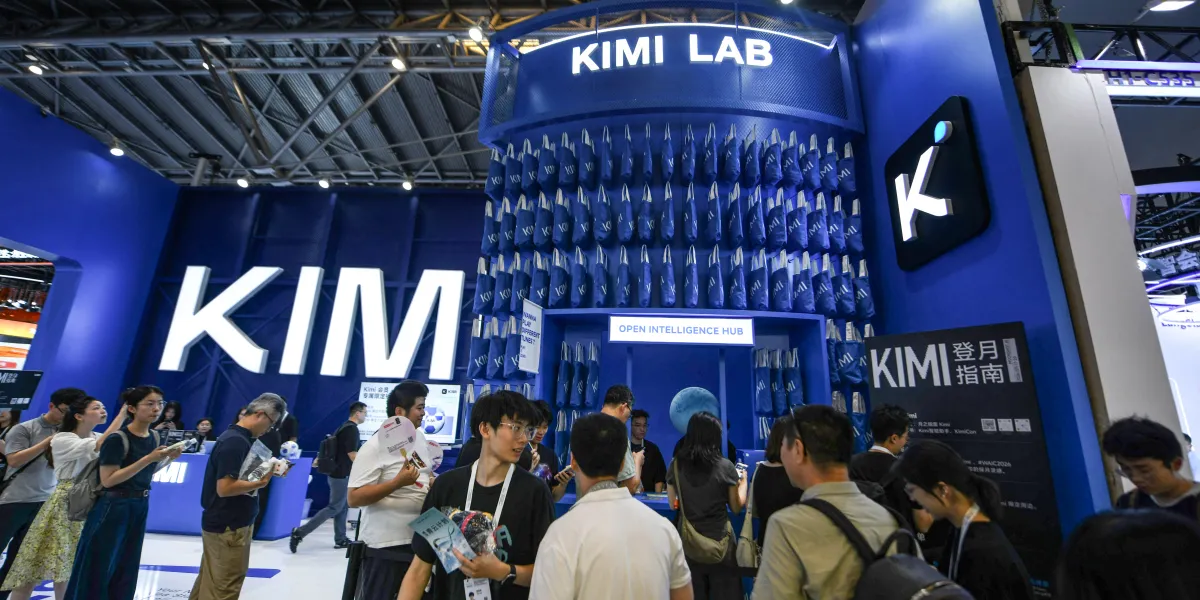
The recent 2026 World Artificial Intelligence Conference, held in Shanghai, offers a vivid demonstration of China's broad-based AI innovation. With three major venues — Expo, Zhangjiang and West Bund — the exhibition covered more than 100,000 square meters and brought together over 1,100 domestic and foreign enterprises. More than 3,000 cutting-edge achievements were on display, with over 300 hard-tech products making their global debuts or industry premieres. These exhibits covered the full industrial chain, from chips and foundation models to intelligent robots and terminal devices, presenting a comprehensive picture of AI and the emerging intelligent society.