Jumping genes are genetic parasites found in bacteria, plants, animals, and humans. They can be released inside cells as small RNA molecules from ribonucleic acid (RNA), then use specialized mechanisms to insert themselves into new locations within the genetic material. These movements can give cells new traits, making jumping genes an important force in evolutionary change.
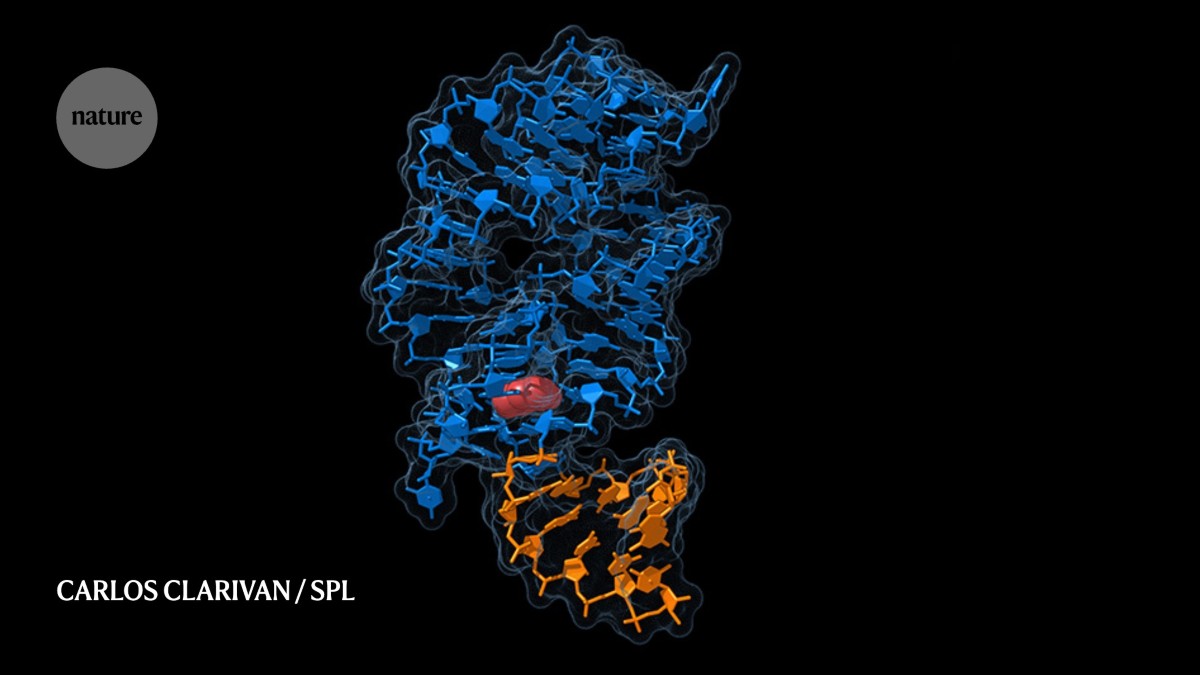
Some jumping genes can also remove themselves from RNA with the help of an RNA enzyme. These elements, known as ribozymes or self-splicing introns, represent a distinctive group of mobile genes.
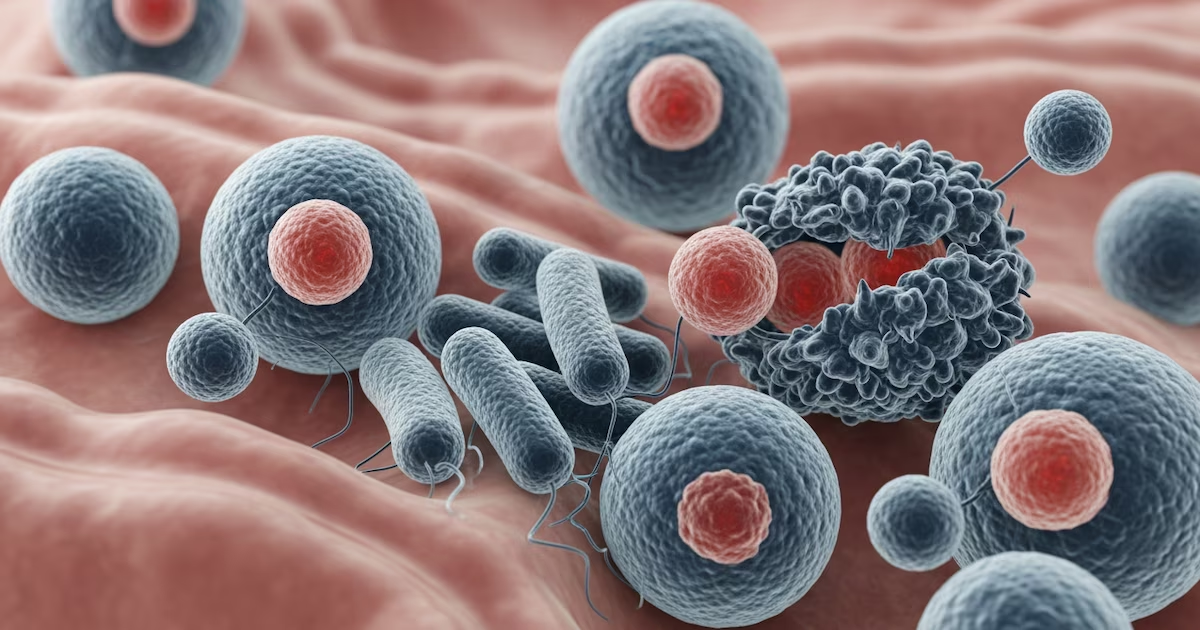
Moving within a single cell is one thing. Crossing into another cell or even another species is far more difficult. Genetic family tree studies show that such transfers have occurred, but scientists have generally assumed that jumping genes traveled as passengers inside plasmids or viruses.
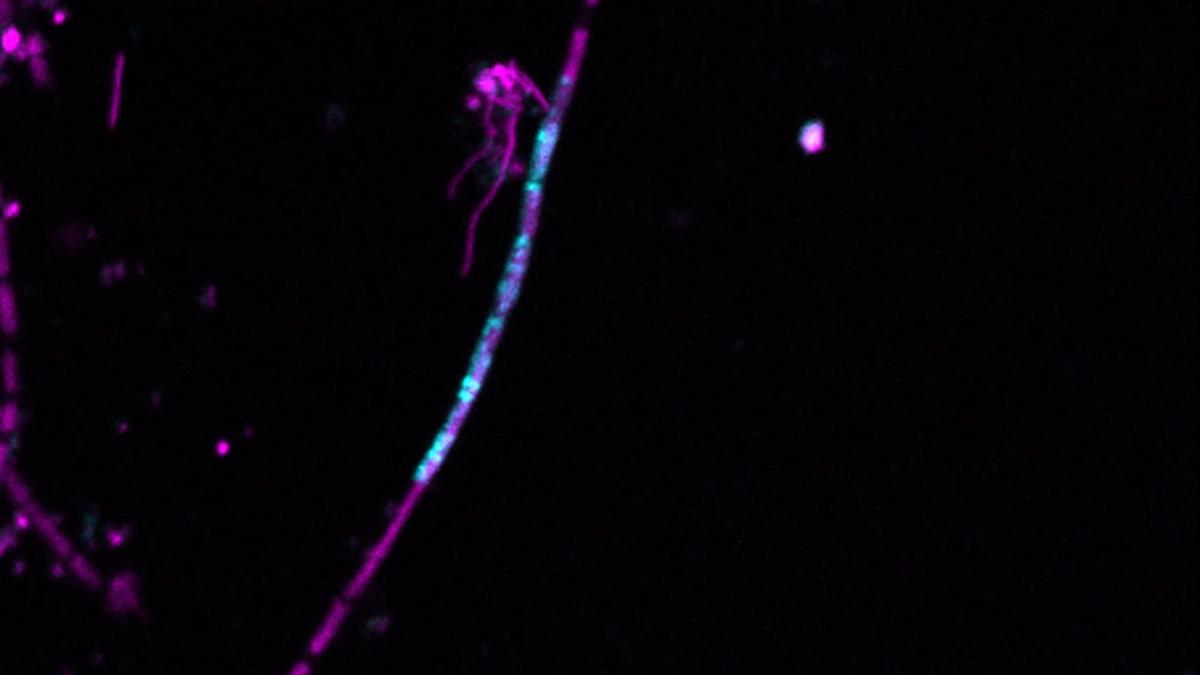
Jens Harder and his colleagues have now observed something unexpected that points to another possible route.
A Methane-Producing Microbial Community