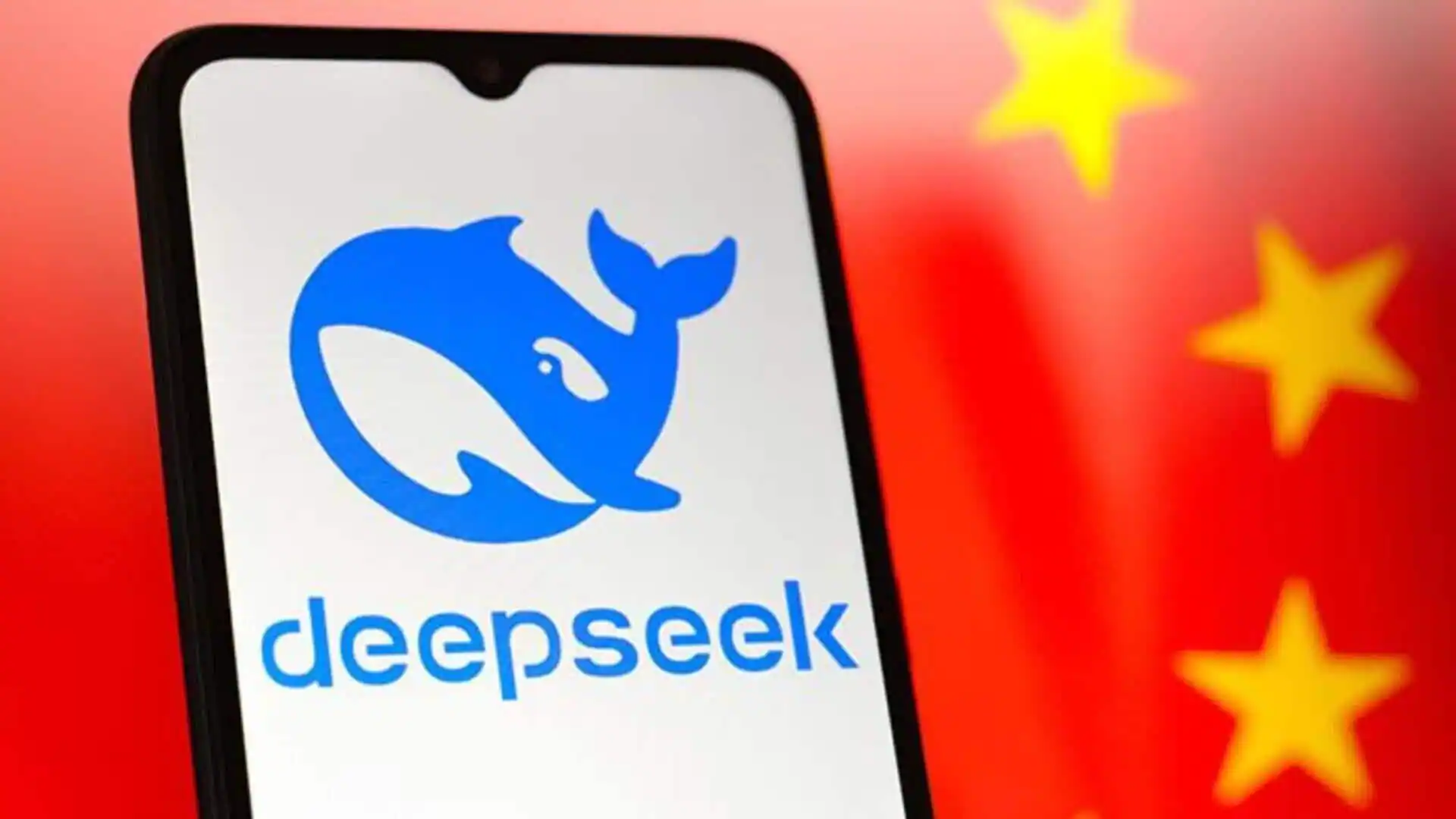
When DeepSeek’s R1 model arrived in January 2025, it was greeted as China’s leap to the artificial intelligence (AI) frontier. While R1 outperformed its Western competitors in maths and coding, it also refused or deflected roughly 85 per cent of prompts concerning politically sensitive topics in China. This distinction lies at the heart of China’s bid to shape the global technological order.
Through the 2023 Global AI Governance Initiative and 2025 Action Plan for Global AI Governance, Beijing has cast itself as a rule-maker of the digital age, championing cyber sovereignty and pitching cheap, open-source Chinese models to the Global South as ‘AI democratisation’.
Underlying, and often frustrating, these efforts is the fact that the Chinese government’s overriding priority is domestic social stability. In maintaining social stability, the government’s instinct is to treat the free flow of information as a political liability. The 2023 Interim Measures for the Management of Generative AI Services illustrated this priority by requiring any public-facing model to uphold ‘core socialist values’ and pass a state security review.
This prioritisation of social stability is not a problem for all cutting-edge technologies, since not all technologies have a social component. A battery or an electric vehicle is a comparatively ‘asocial’ technology and so carries fewer social risks. China happens to excel in such technology — it builds most of the world’s electric vehicles, batteries and solar panels and leads the world in investment in robotics.