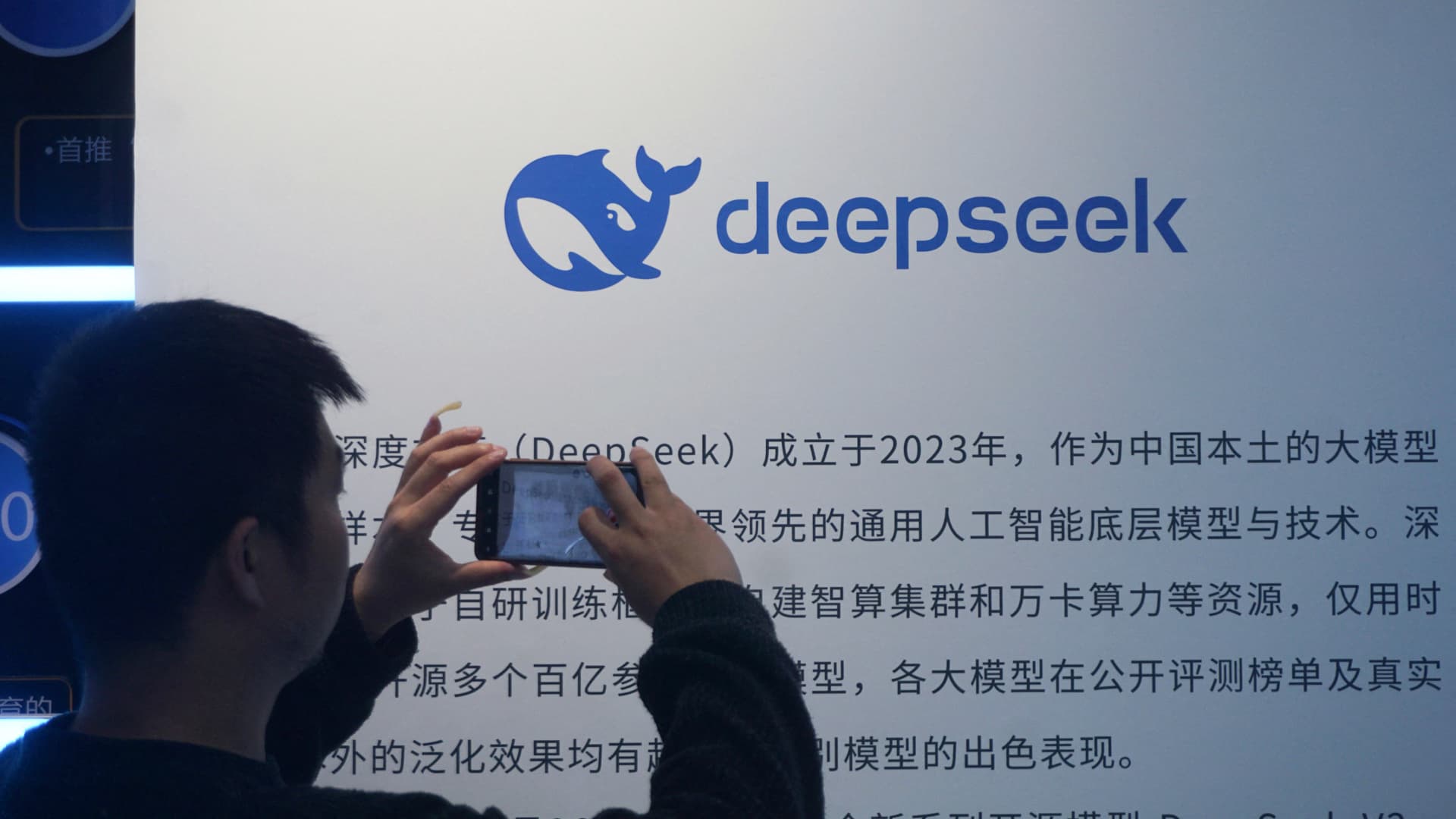
In early 2025, a quiet evolution emerged out of Hangzhou—a city of thirteen million famed for its historic West Lake, misty mountains, and poets who depicted it as “Heaven on Earth.” Yet it was here that a Chinese company—under-resourced by Silicon Valley standards—released a reasoning-focused large language model in January 2025, a few steps behind that era’s ChatGPT 4-class models. DeepSeek had been trained, its parent company claimed, for only $6 million—pocket change compared to OpenAI or Google expenditures.
For a global industry convinced that US large language models (LLMs) were unassailable—built by companies with oceans of compute, elite talent, large capital infusions, and company valuations the size of small-nation GDP—DeepSeek upended assumptions. The Chinese model emerged at a time that China’s AI sector seemed beleaguered by chip bans and a slowing economy and against a backdrop in which private sector investment into the US sector was twelve times China’s and twenty-four times the UK’s. Analysts found that DeepSeek’s parent, High-Flyer, hadn’t spent its way into contention; instead, it had been crafty: focusing on targeted domains, lean training, and aggressive energy efficiency. While critics whispered about secret Nvidia chips, covert ChatGPT usage, or hidden costs, the signal was clear: US companies wouldn’t hold a monopoly on advanced LLMs.