Academia
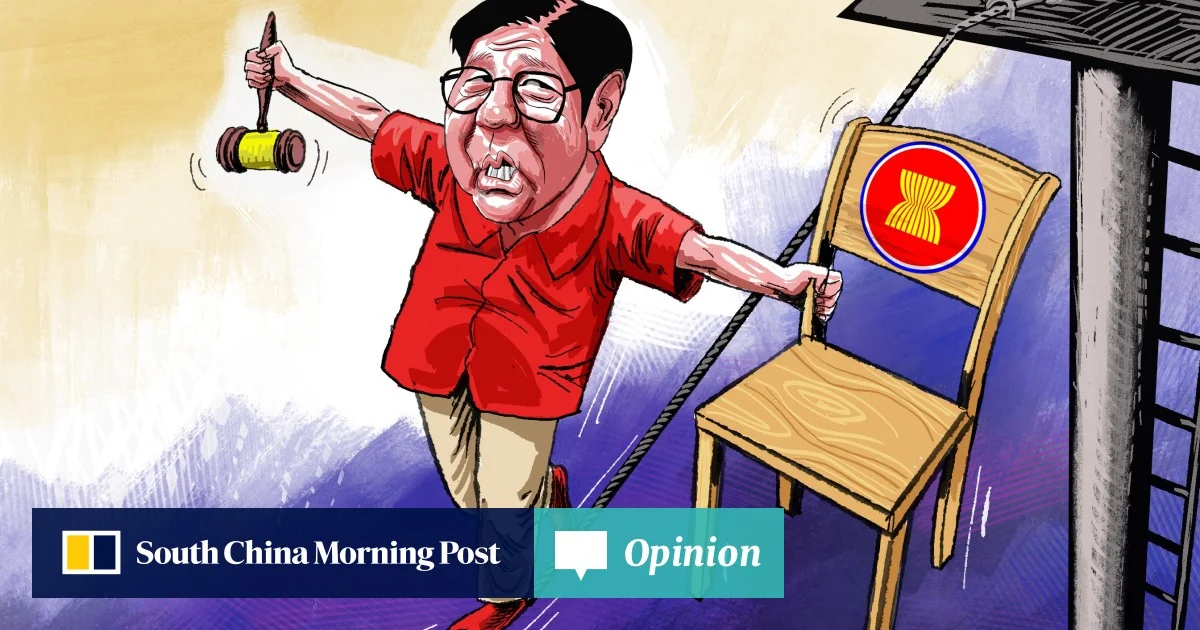
At a time when ASEAN centrality is frequently questioned, the recent meetings demonstrated that ASEAN remains the principal convening platform of the Indo-Pacific.
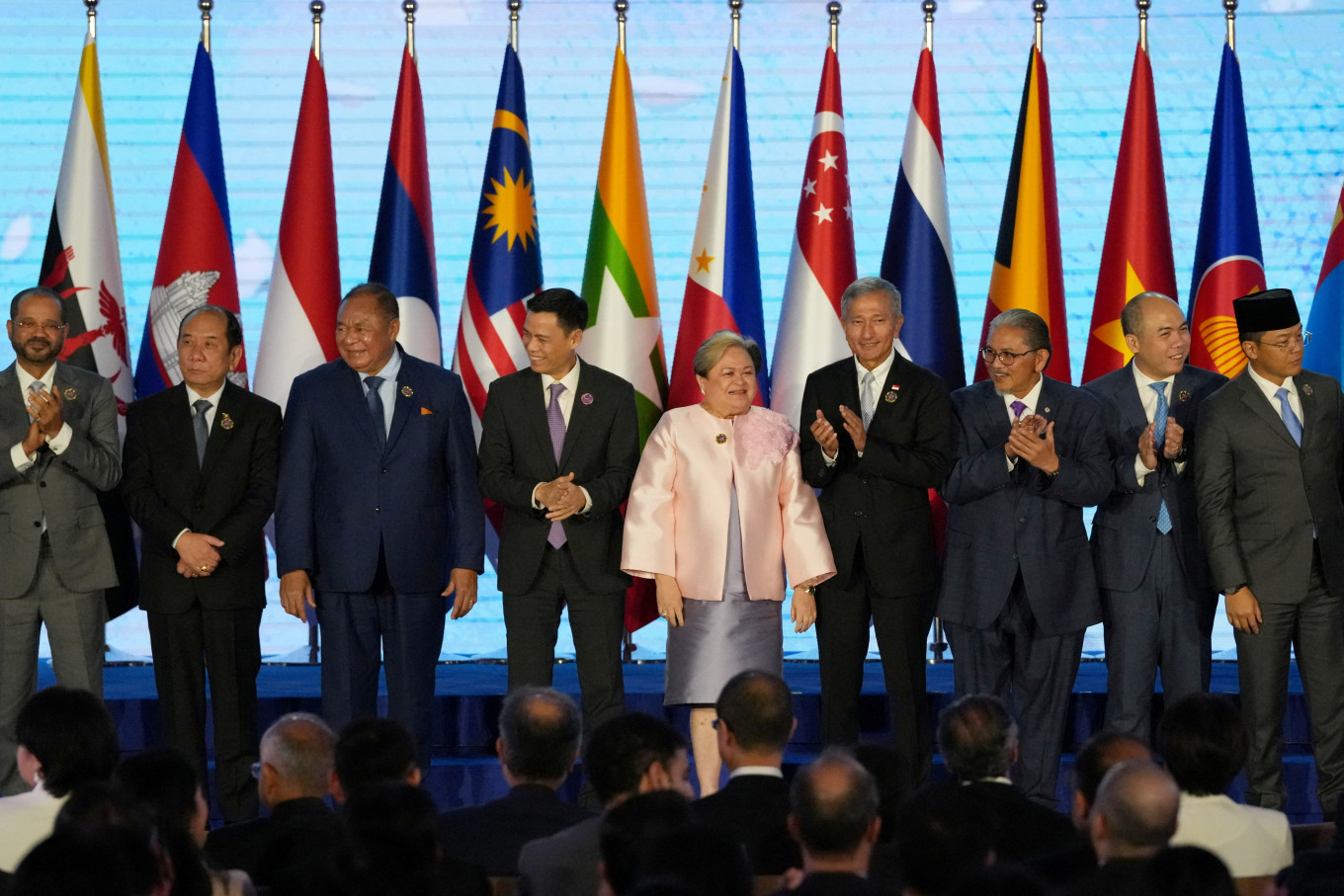
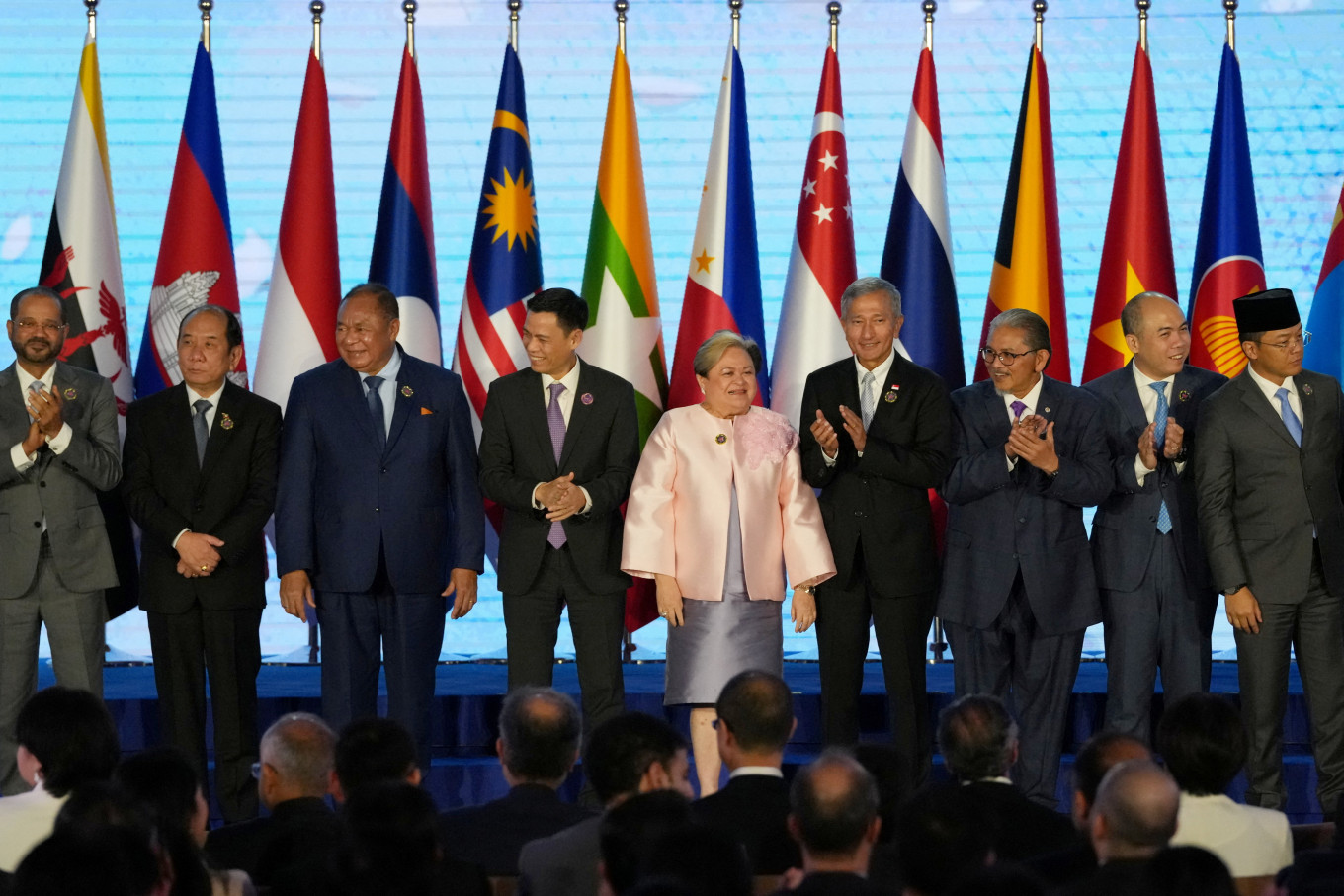
Philippines Foreign Secretary Theresa Lazaro and other leaders attend a group photo session during the High-Level Conference of the High Contracting Parties to the Treaty of Amity and Cooperation (TAC) on the sidelines of the ASEAN Foreign Ministers' Meeting in Pasay, Manila on July 24, 2026. (Pool via REUTERS/Aaron Favila)
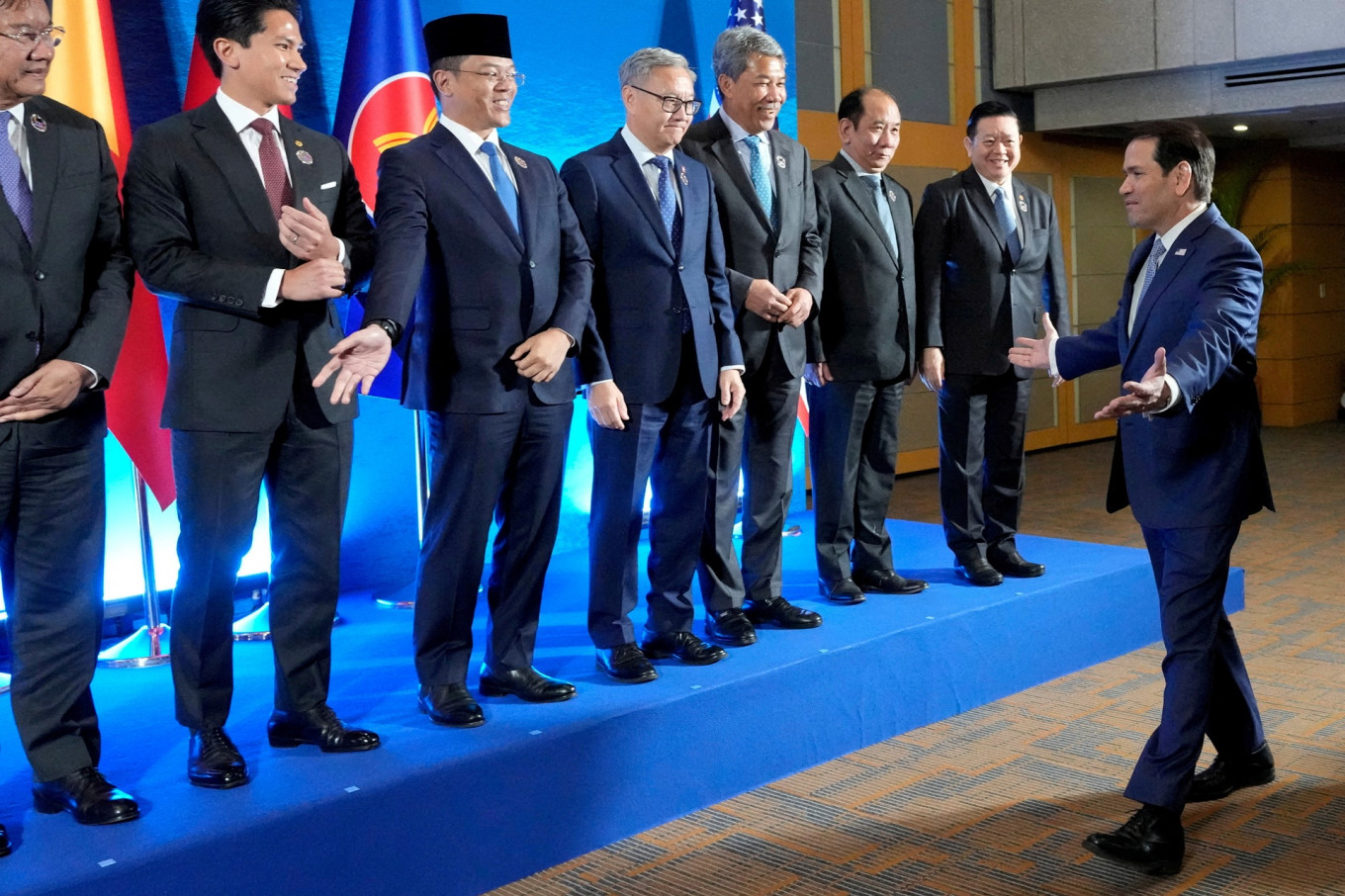
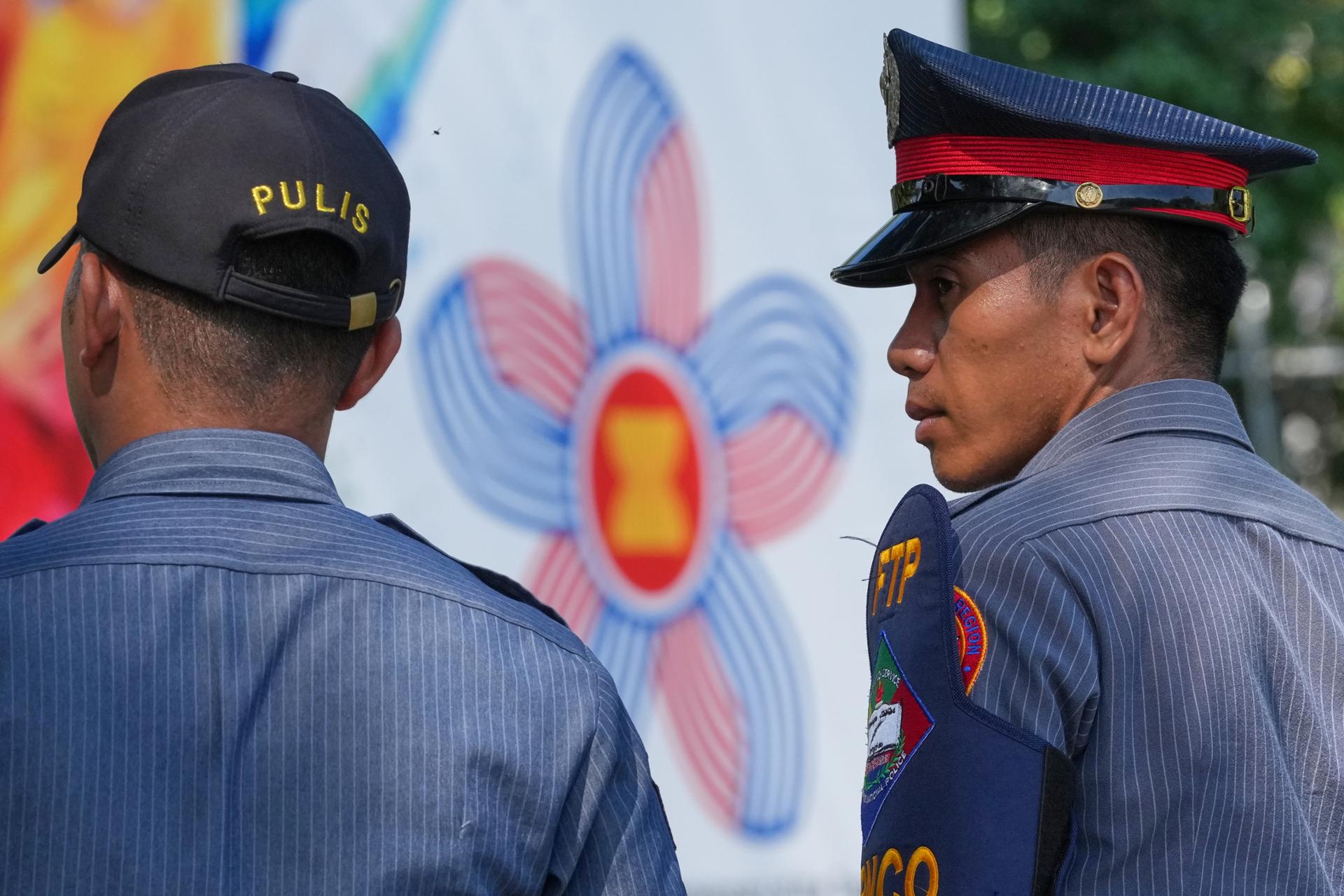
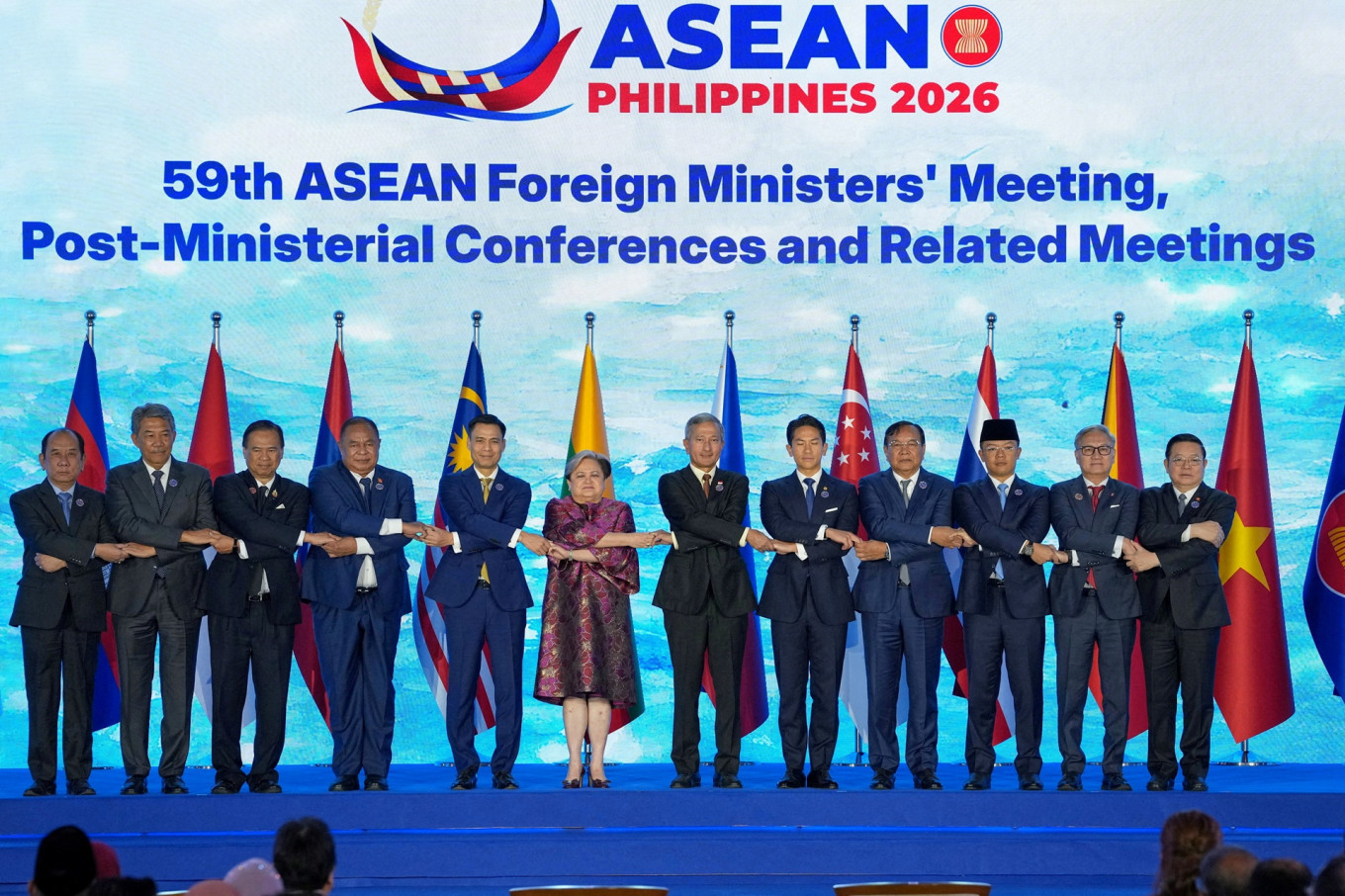
The Philippines, as chair of ASEAN, hosted the ASEAN Foreign Ministers' and related meetings in Manila from July 20 to 24. At a time when ASEAN centrality is frequently questioned, the meetings demonstrated that ASEAN remains the principal convening platform of the Indo-Pacific. Regional and global powers gathered not only for ASEAN-led meetings but also for an intensive program of bilateral and plurilateral diplomacy on the sidelines.The week brought together the ASEAN Ministerial Meeting (AMM), ASEAN Plus Three (APT), the ASEAN Regional Forum (ARF), the East Asia Summit (EAS) Foreign Ministers' Meeting and the Post-Ministerial Conferences (PMCs) with Dialogue Partners. Equally significant were the commemorative events marking the 50th anniversary of the Treaty of Amity and Cooperation (TAC), which reaffirmed ASEAN's enduring role as the region's diplomatic convenor.