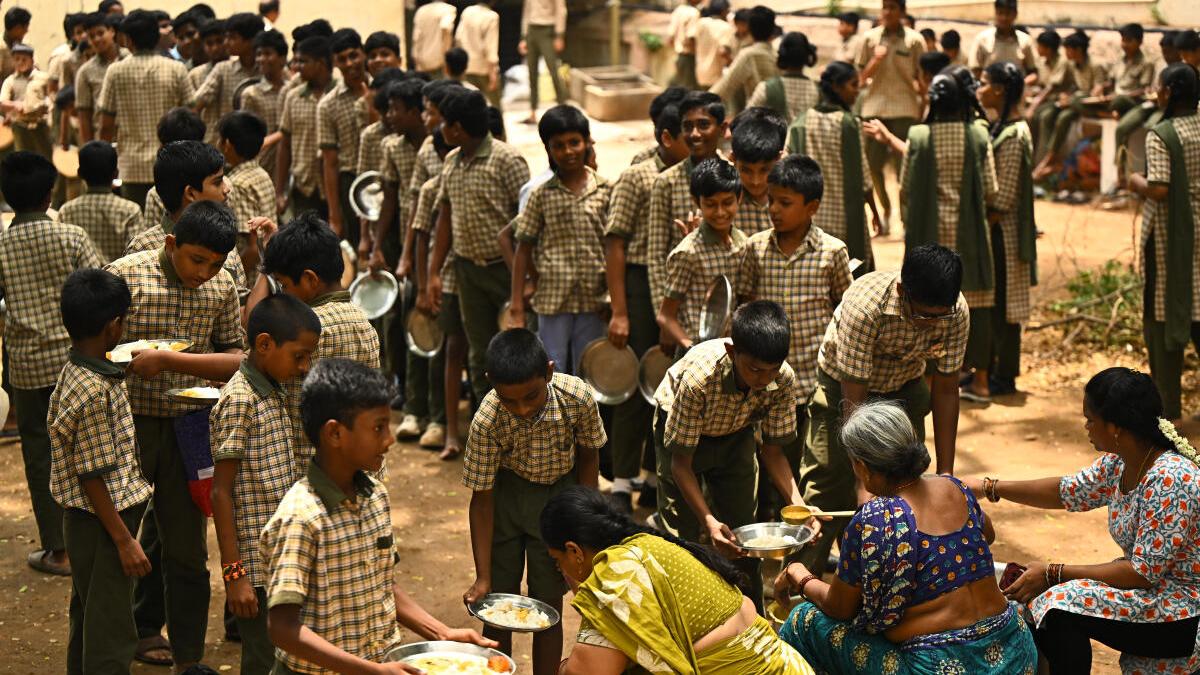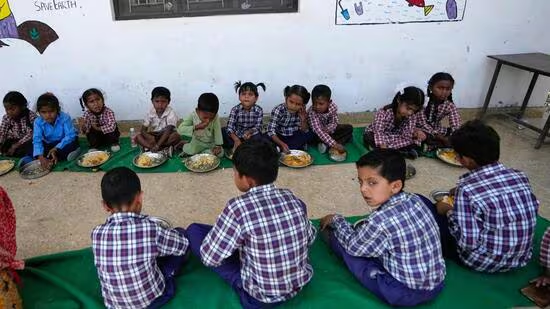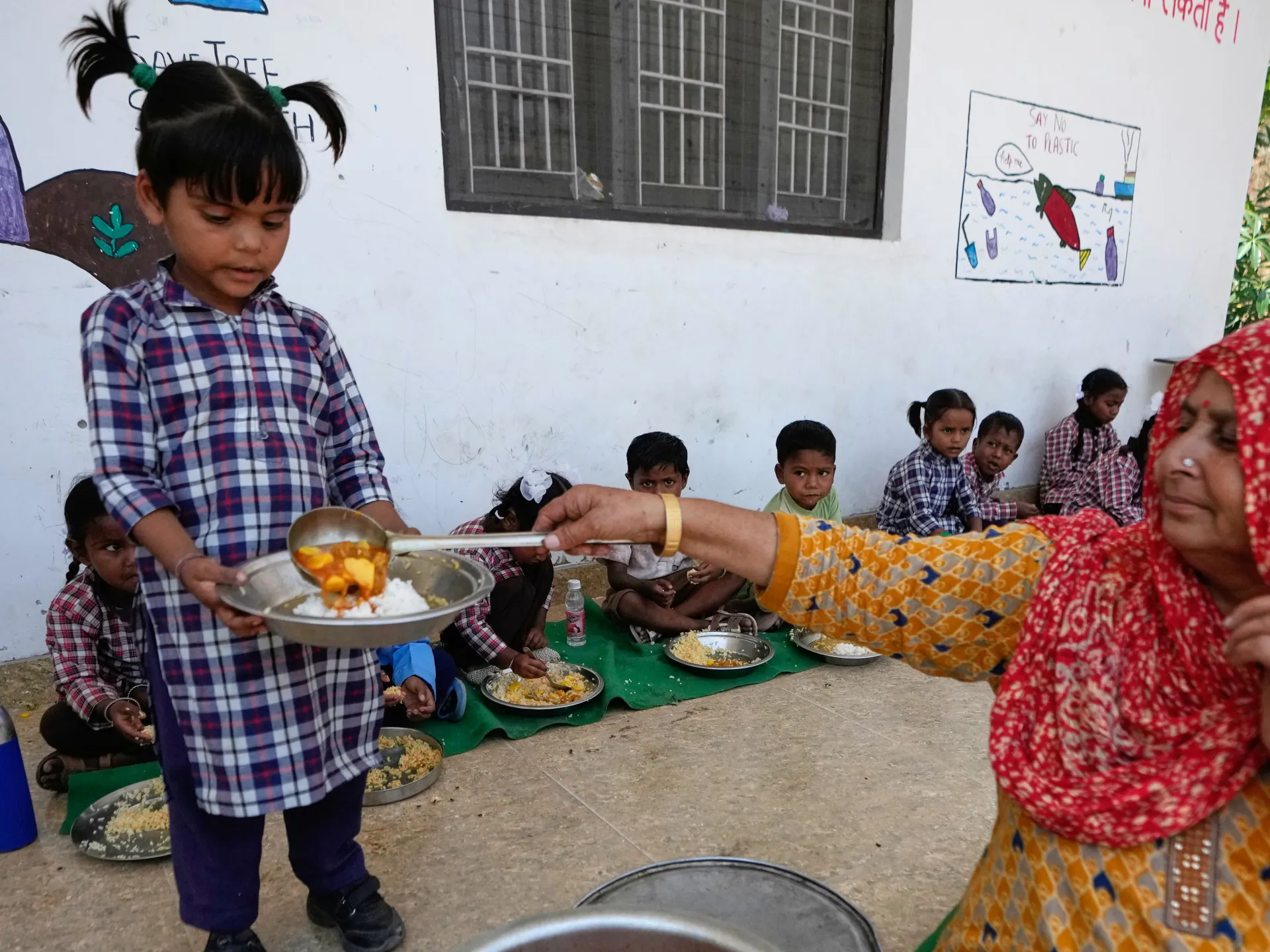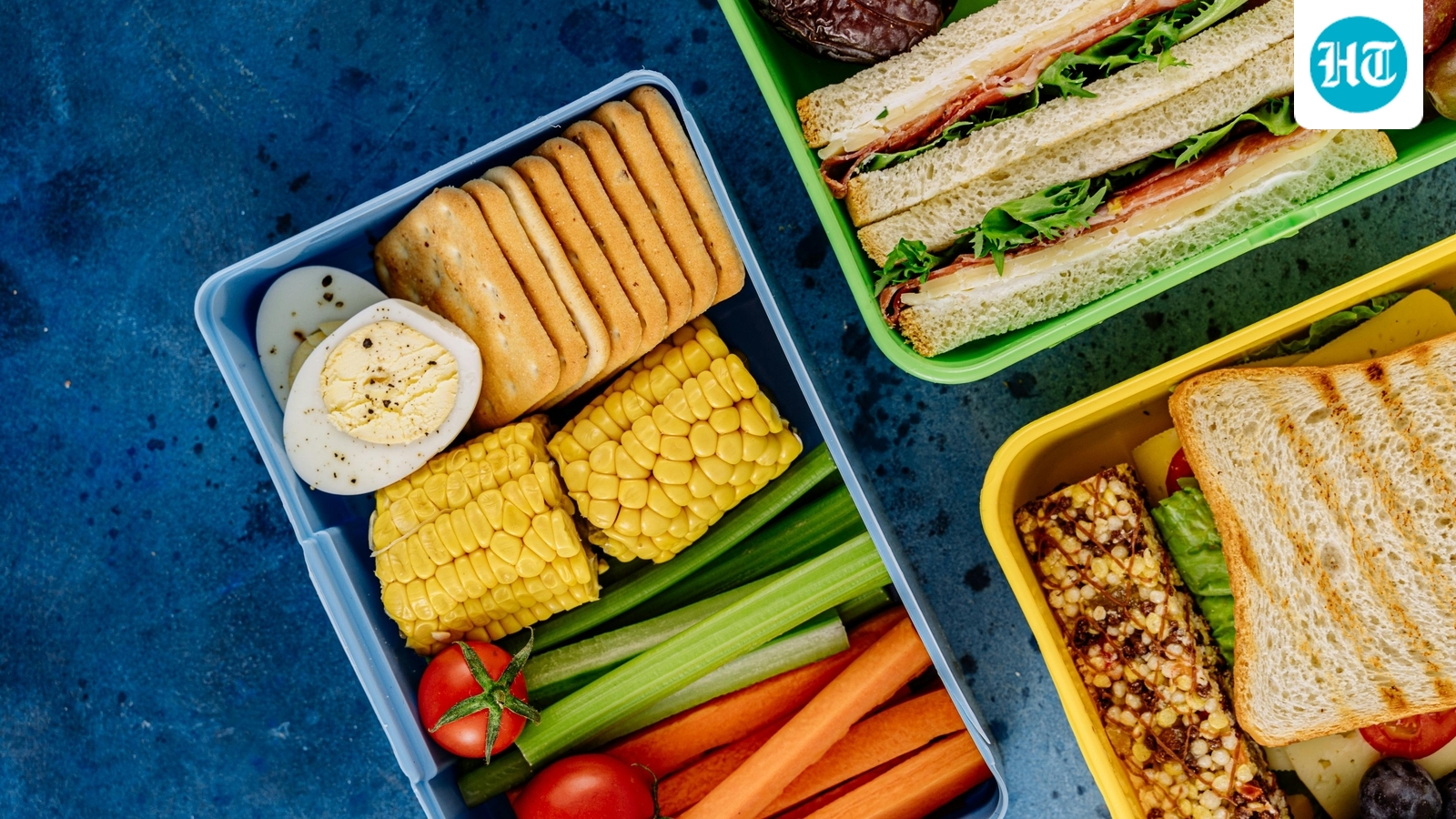
Over the last week, government school students in Uttar Pradesh, Rajasthan and Bihar came out in protest, asking for better facilities. In addition to poor infrastructure and shortage of teachers, mid-day meals (MDM) are an important aspect of government school education in India. Following Supreme Court orders in 2001, hot cooked meals for children up to Class 8 across government and aided schools were expanded to the entire country. The MDM is a legal entitlement under the National Food Security Act (NFSA). Evidence shows that it protects against hunger, boosts enrolment and attendance, provides relief to mothers and improves nutritional outcomes. Over 110 million children across 1.2 million schools are covered under the scheme, providing employment to 2.5 million cooks and helpers, mostly women.Representational image. (Pexels)MDM however, does not get enough public attention, and concerns related to implementation and quality remain. It is in the news only when there is a controversy over serving eggs or when cases of food poisoning occur. MDM can be expanded creatively to address the continuing burden of malnutrition, poor dietary diversity and high anaemia among children. A proposal costing ₹4,000 crores to introduce breakfast in MDM by the education ministry, as recommended by parliamentary panels and the new National Education Policy (NEP) was rejected by the finance ministry a few years back. The state governments of Assam, Gujarat, Karnataka, Tamil Nadu and Telangana have started providing breakfast on their own.With increasing enrolment in secondary and senior secondary classes, Andhra Pradesh, Karnataka, Tamil Nadu, Telangana, Lakshadweep and Puducherry have also extended beyond class 8. Expanding such initiatives nationally can have lasting benefits at a low cost. Here is a brief overview of what can be done to make MDM more effective.Dipa Sinha and Bhargav BS are affiliated with the Centre for the Study of the Indian Economy, Azim Premji University. Views expressed are those of the authors and do not necessarily reflect the views of the University or its affiliates.
Refocusing mid-day meals: What children really need | Number Theory
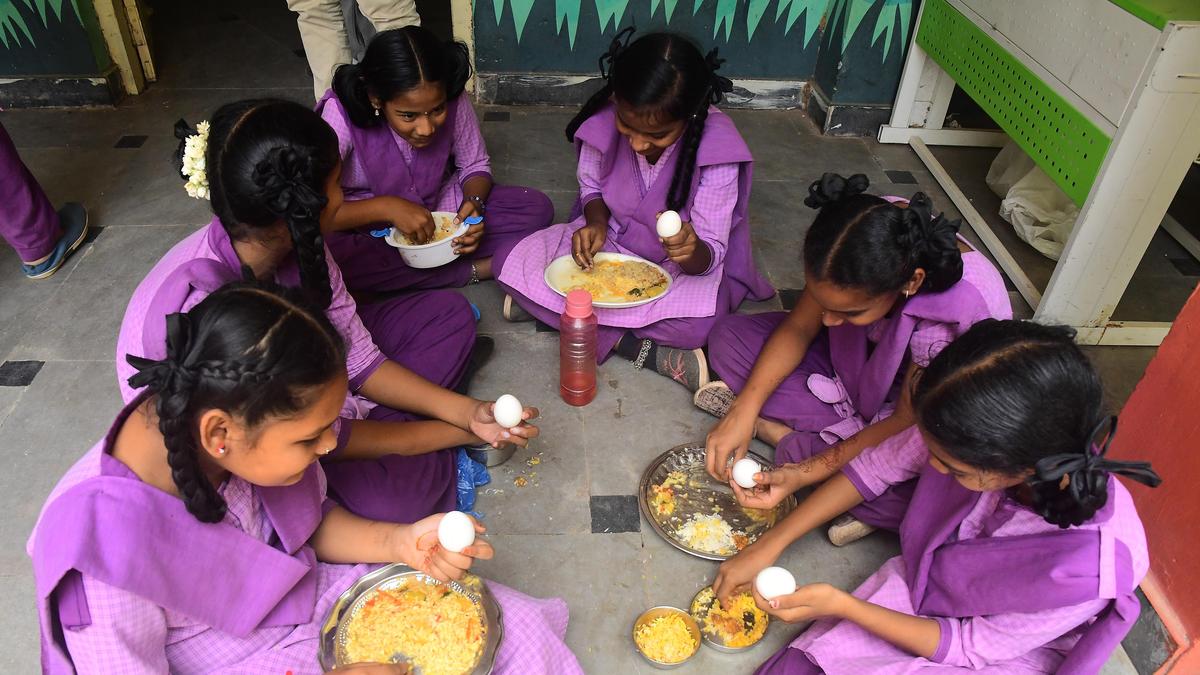
Introducing eggs in the meal is an effective way of improving nutritional quality and appeal of the scheme.
325 words~1 min read