Tourists pose for a selfie on Westminster Bridge on July 29 in London, England, as a fourth consecutive summer heatwave was gripping southern England. BEN MONTGOMERY/GETTY IMAGES
Across the globe, the looming "super El Nino" is sparking warnings from economists, planners and experts about its potentially devastating impact on economies and societies.
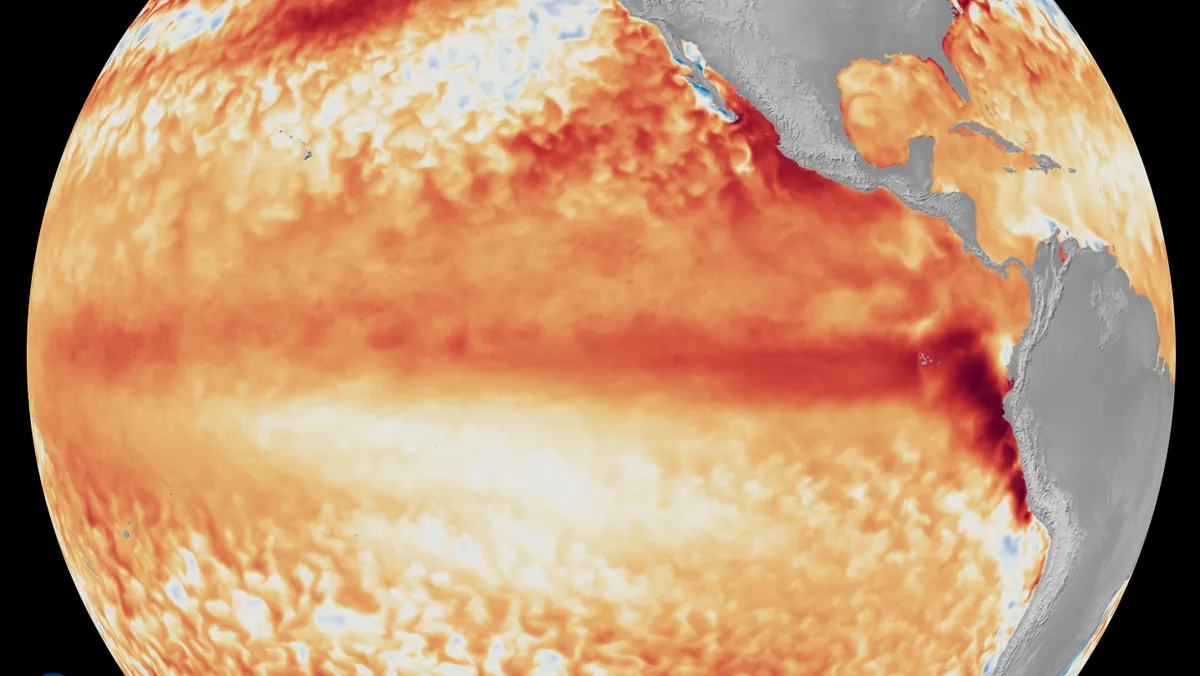
A key area of the Pacific Ocean used to measure the strength of El Nino last week reached its warmest and most intense level ever recorded for the 15th week since it formed, which is early in its lifetime, scientists at Columbia University reported.
The El Nino weather event won't peak for several months and is expected to last through to spring 2027. The United Nations' World Meteorological Organization cautioned on Friday that it will likely trigger extreme heat, drought and rainfall well into next year.
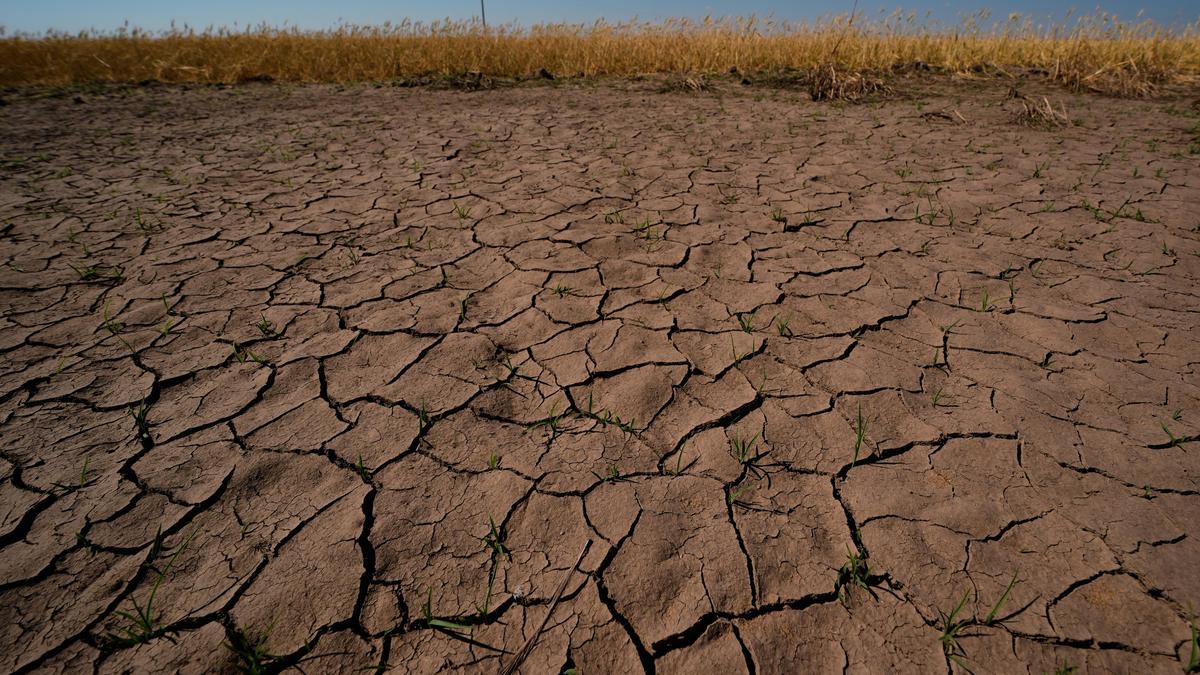
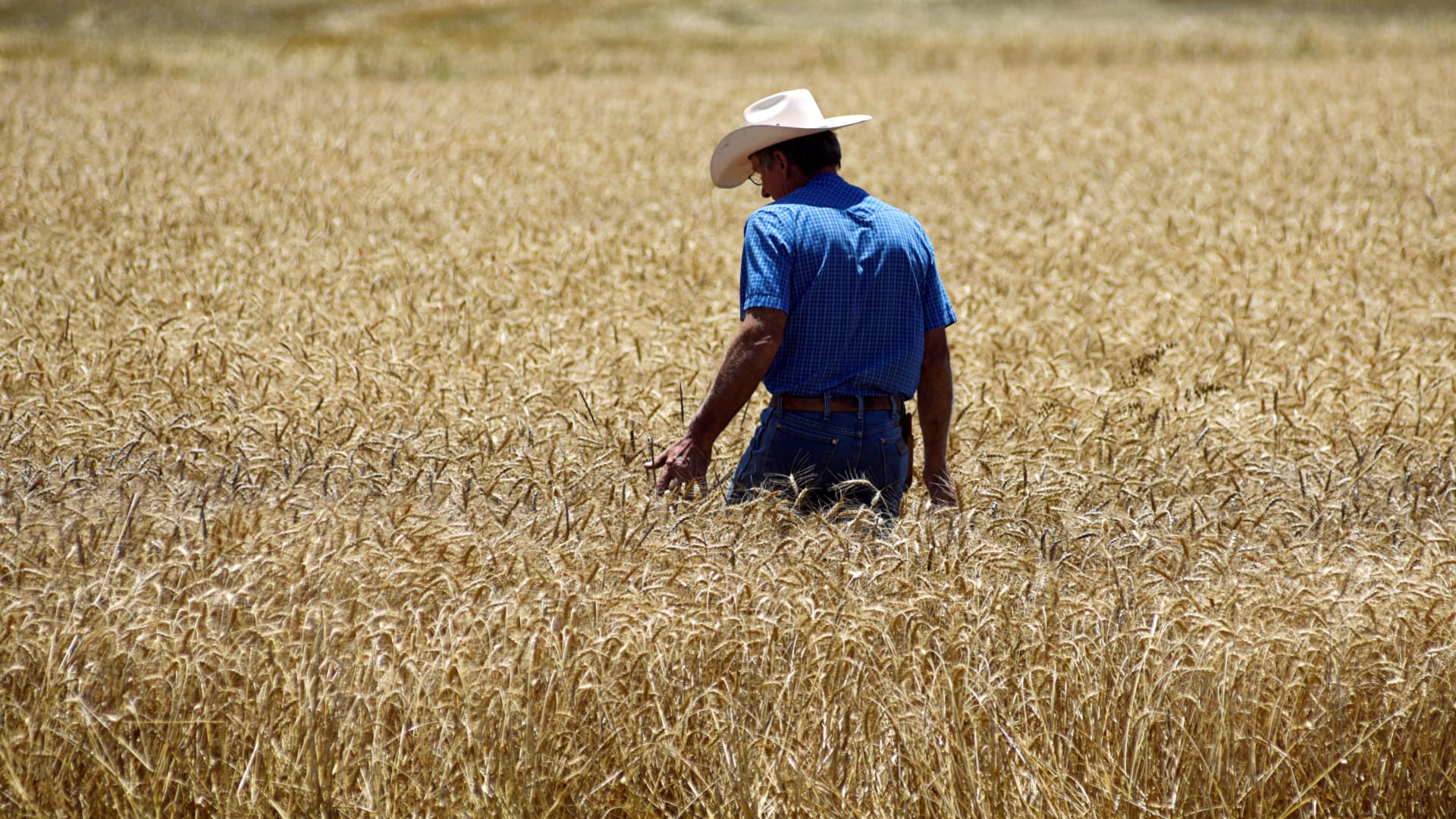
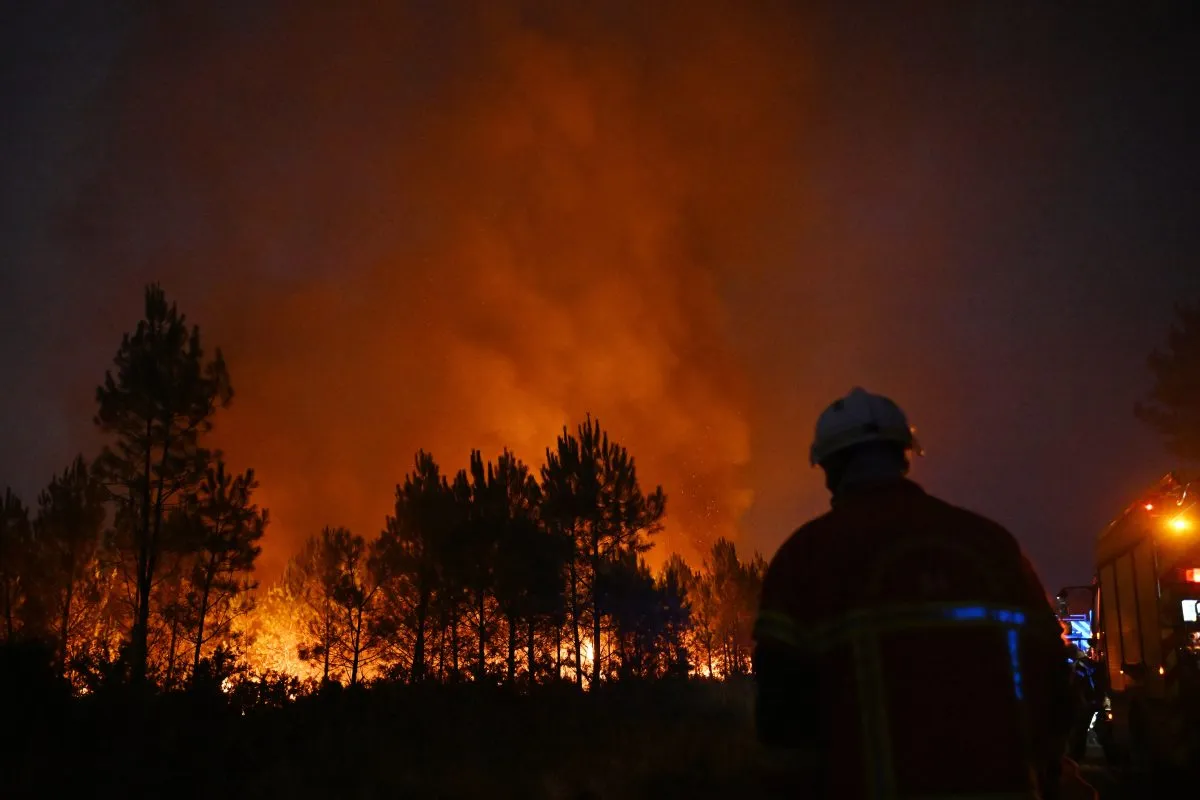
The WMO warned of the strong chance of drought and wildfires in Indonesia, India and other parts of Asia, south and east Australia, chunks of South America and southern regions in Africa. Other areas, including much of the United States and fire-struck Southern Europe, will receive above average rainfall, the agency said.