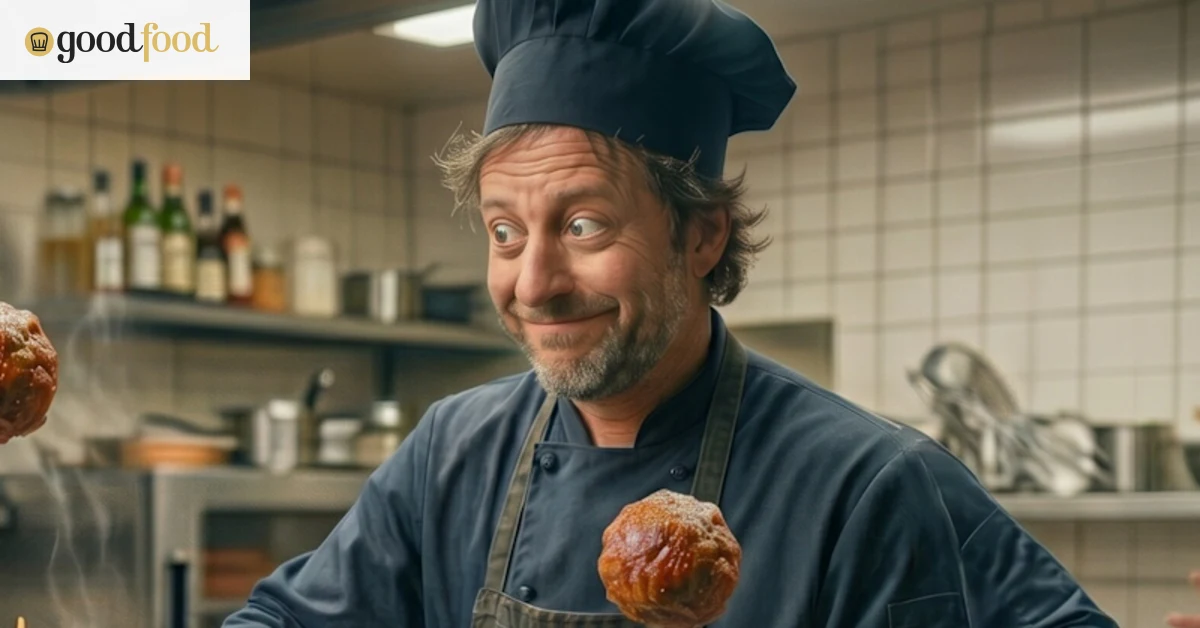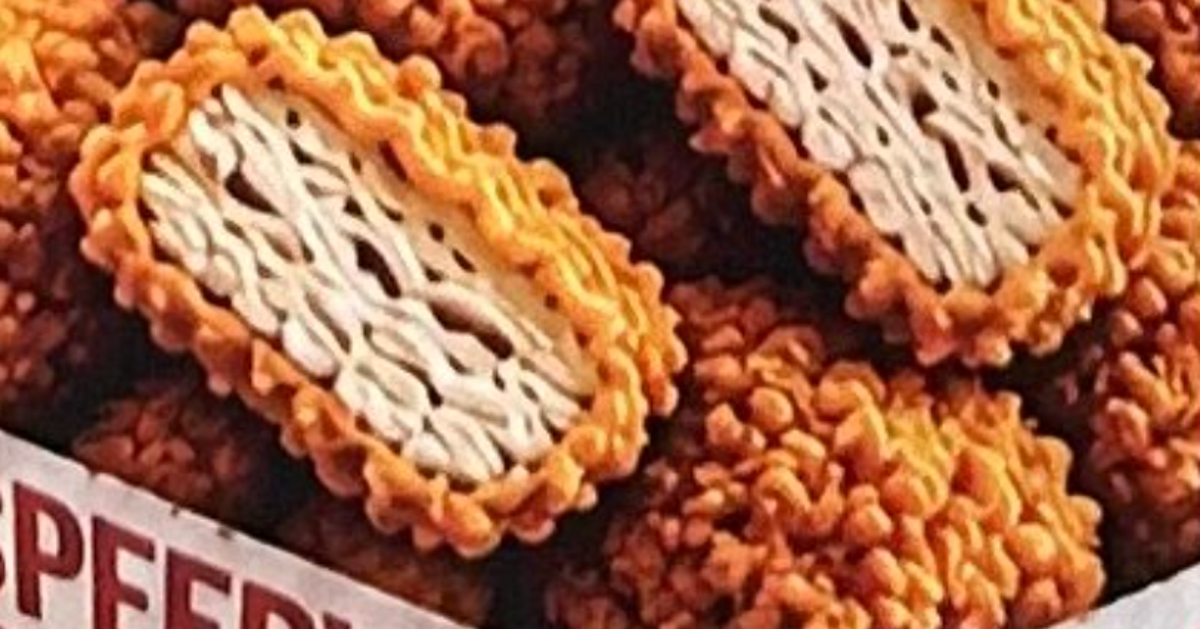
When it comes to food, AI arguably still has a way to go until it looks appetizing: Sauces ooze out of sandwiches in cartoonish blobs, and bread ends up looking loofah-like.That’s one reason why many customers are souring on the trend of restaurants using AI-generated images in menus and promotional materials: Last month, a San Francisco coffee shop and bakery faced backlash after customers noticed AI images of its drinks, pulled pork and slaw sandwiches, croissants and other items on a storefront menu board.“Yum, slop,” a post about the menu items on Reddit with more than 720 upvotes reads, with Redditors in the comments remarking that the “bread is unsettling. The slaw is scary.” Unfortunately, a local took their angst over AI use too far. As the SF Gate reported, on June 2, the owners arrived at their storefront to find that someone had graffitied what appears to read “seriously” in red paint on their awning. The distaste for AI-generated food images is spreading, though luckily in the more innocent online-rant form. “Can someone please tell restaurants that even the shittiest, blurriest picture of their food is 100000000000x more appetizing than AI slop. We can all tell it’s AI, it looks disgusting, and it communicates a deep insecurity,” video essayist Alexander Avila wrote last month.Journalist Katie Rife replied with photographic evidence: an AI-generated sign advertising chicken nuggets that looked less like fast food than chunks of goldendoodle meat. Unethical? False advertising? We asked food critics and photographers.Brad A. Johnson, a longtime restaurant critic turned hospitality photographer in California, understands why independently owned restaurants may resort to AI-generated images of the food: It’s costly to hire a commercial photographer, and small business owners are often strapped for time and money, But too often, he said, it backfires: Customers either receive something that looks nothing like the photo or they lose trust in the restaurant before they even order. He likened it to scrolling through Yelp and comparing a restaurant’s polished photo of a dish with pictures of the same meal uploaded by customers. More often than not, the difference is striking.“Creating and managing proper expectations is critical when you own a restaurant,” Johnson said. “Ugly food can be beautiful. If the chef is not an artist, that’s OK, but they should embrace that rather than create a visual bait and switch.”Lindsay Kreighbaum, a commercial photographer and director specializing in food, product and lifestyle content, went so far as to call it false advertising. “If you’re generating images of your food and not using your actual product, how are you establishing trust with your customer?” she said. “Your customer is not getting what is pictured if it’s just an image created by scraping the internet of other photos that fall into the category of your prompt.”Plus, Kreighbaum says, more often than not, AI food looks a bit soulless and unappetizing.“I am not saying it won’t get there someday, but the way AI-generated food looks is just ‘off,’” she said. “I feel that the textures are not realistic — things tend to look rubbery. Not to mention, a lot of the generated images tend to defy gravity with the way liquids and sauces are shown ― it’s not appetizing!”@murderxbryan.bsky.social/BlueskyThe distaste for AI-generated food images is spreading online. “Hey man, maybe just make the sandwiches and take a pic of them,” @murderxbryan.bsky.social wrote of a restaurant’s sign promoting breakfast sandwiches that appear to be AI-generated. Michael Russell, the chief restaurant critic at The Oregonian newspaper, hasn’t noticed a ton of AI in menus in Portland yet.“It’s more common to see hand-written menus illustrated by the chef’s artist friend than dish images generated by Claude,” he told HuffPost.One place he has seen it is in the city’s vibrant food cart scene.“You can’t really fault these small business owners, many of whom are recent immigrants, for leaning on a free, easy-to-use technology to brighten up their menus,” he said. “Even if the images of Colombian pizza or Kyrgyz dumplings they generate come straight from the uncanny valley.”Andrea D’Agosto, a commercial and editorial food photographer, noted that in the commercial food photography world, there are truths in advertising laws.“It’s the reason Subway can’t add more slices of meat to their sandwich photos than actually comes with an order without eventually getting sued for it,” she said. “The food stylist can adjust the meat to make it look like you’re getting more, but the law states that they have to use their actual meat and show the same number of ounces given in an order.”With local restaurants, “the FTC isn’t going to come knocking on the doors of local restaurants,” she said. “They might not get fined for using AI, but they will lose customers over time.”Jenn Tanaka, food and travel writer in Southern California, thinks the backlash against restaurants’ AI food imagery is part of a wider trend against artificial intelligence.“From out-of-touch commencement speakers being booed at college graduations to Equinox ads with an Asian female severed-headed bot, consumers are more vocal about their disdain for AI’s widespread adoption,” she said. For some diners, AI-generated food images undermine the craftsmanship and personal touch that good restaurants want to showcase.“It’s a lazy move for restaurants or the PR team who handles the marketing,” she said. “AI images are like junk food. It’s available, but is it good for us? Is it nourishing for the soul? Not really.”Food photography and food styling go through trends year after year; with AI-generated food popping up everywhere, D’Agosto thinks consumers will start to gravitate to what’s real, even if it’s a photo taken with the restaurant owner’s iPhone 15.“People want something that’s a little messy, not ‘perfect’ and for [restaurants] to show behind-the-scenes photos alongside a post for proof that you’re not partaking in all the slop,” she said.
You’ll Never Unnotice This About Restaurant Menus And Promotions Now
Restaurants are resorting to something that looks unappetizing to sell their food.
967 words~4 min read