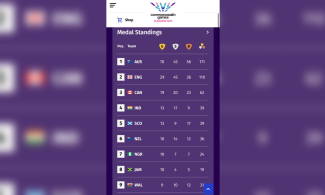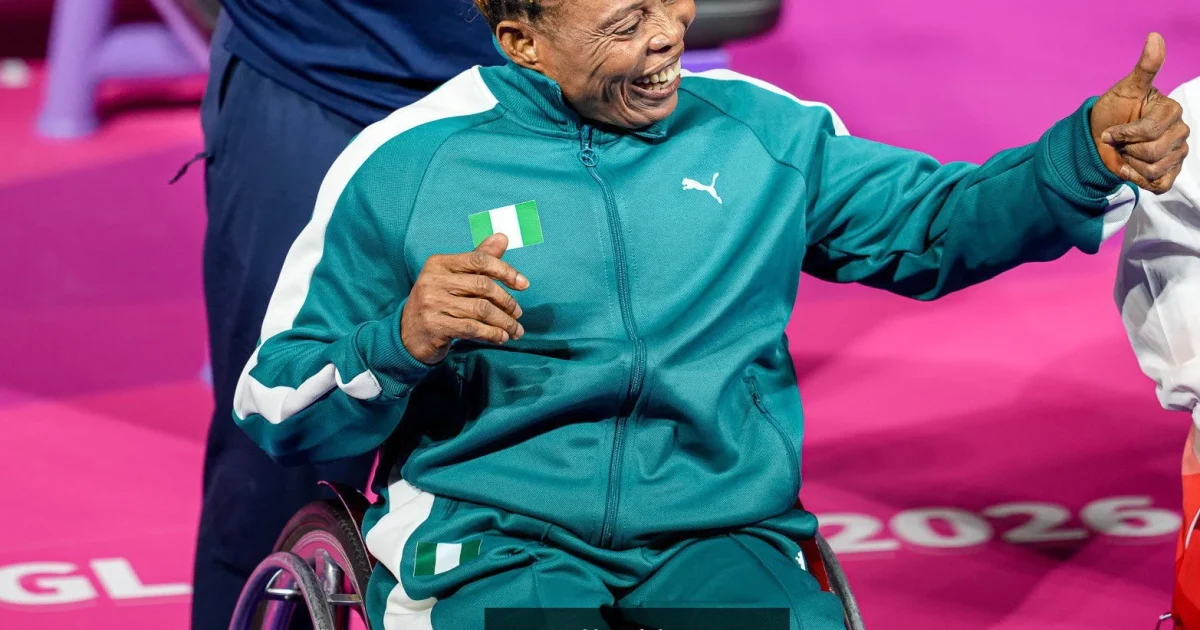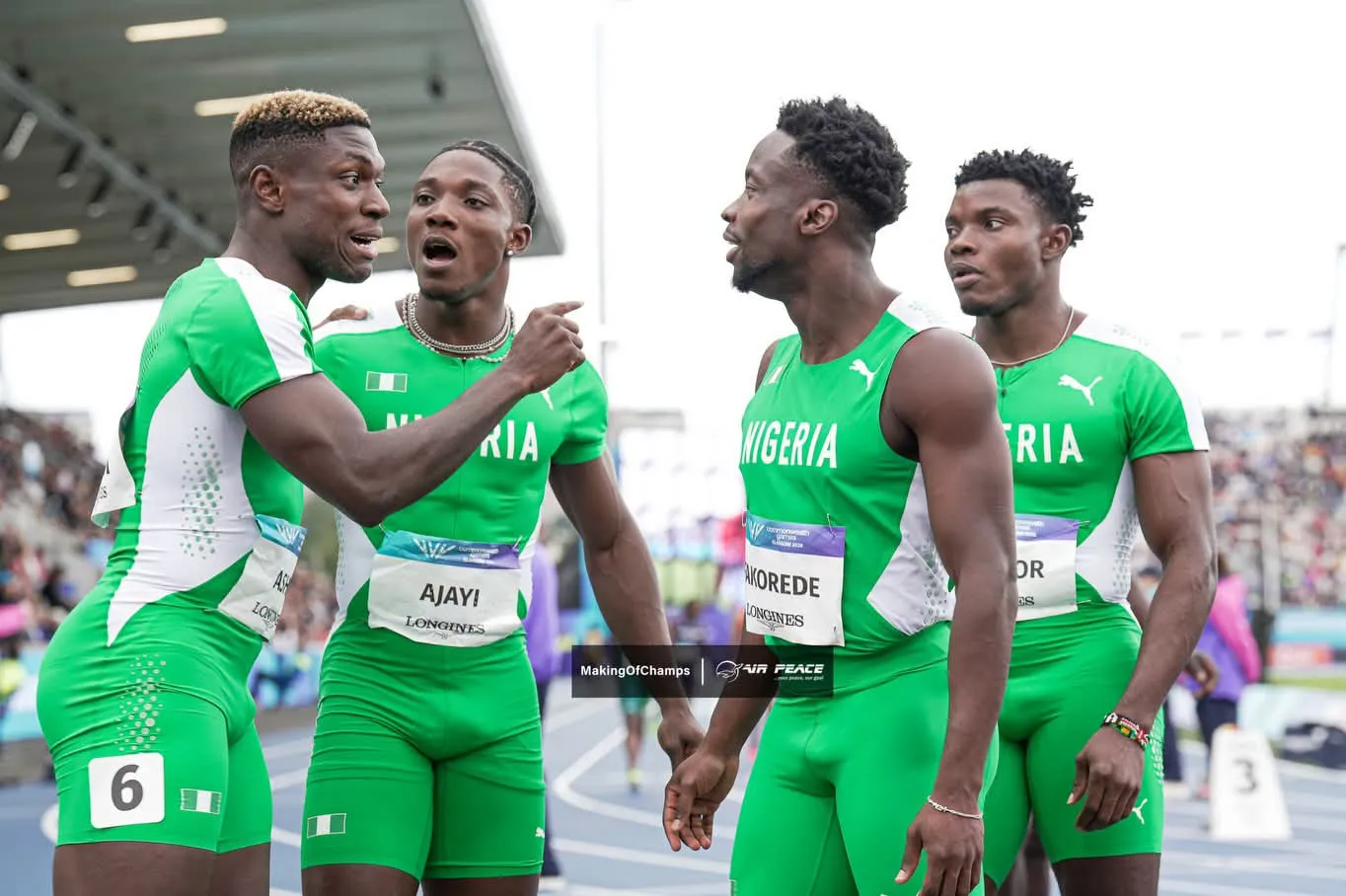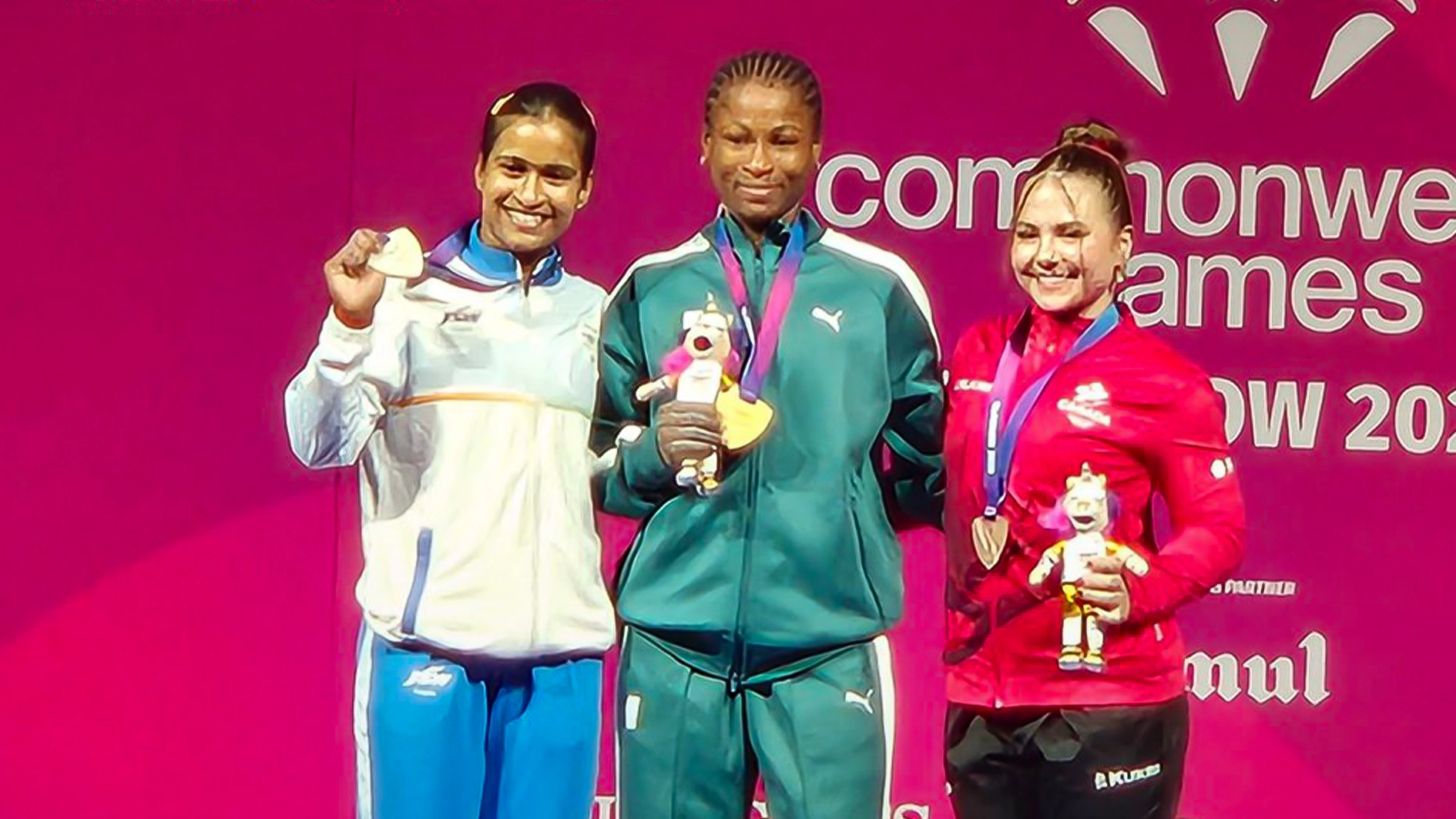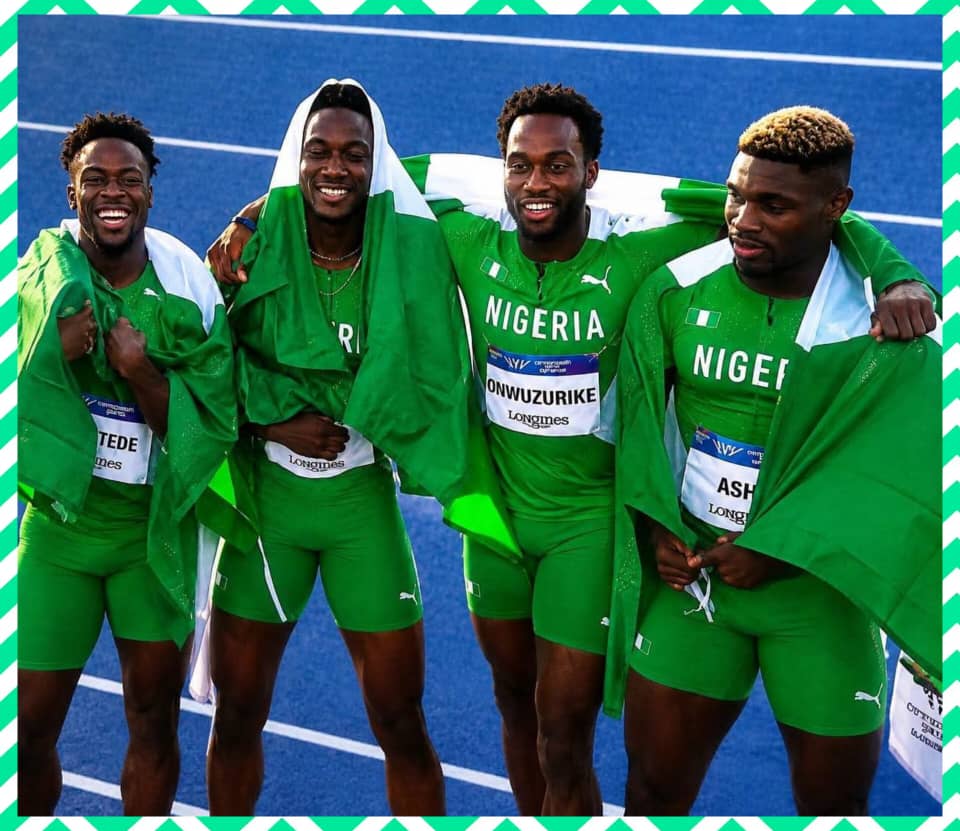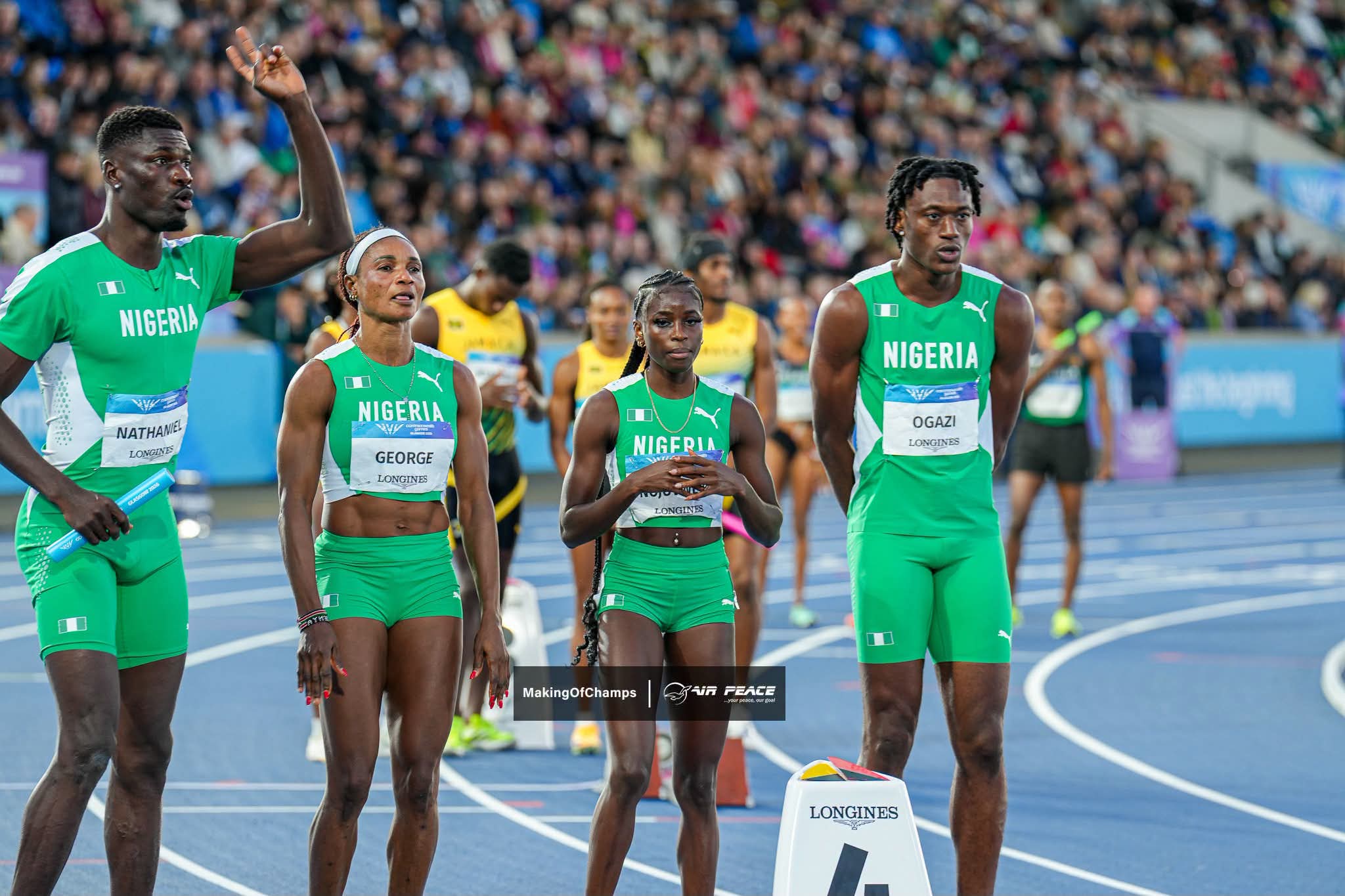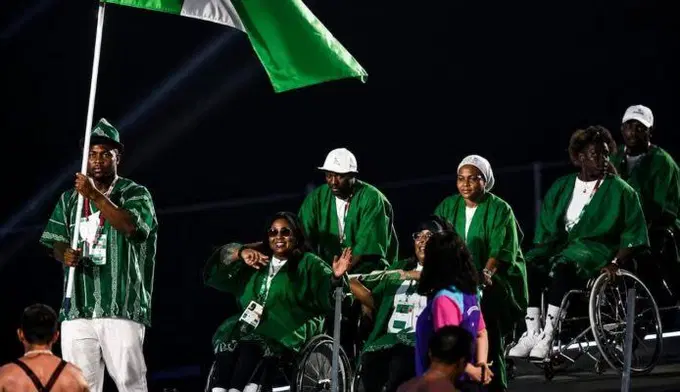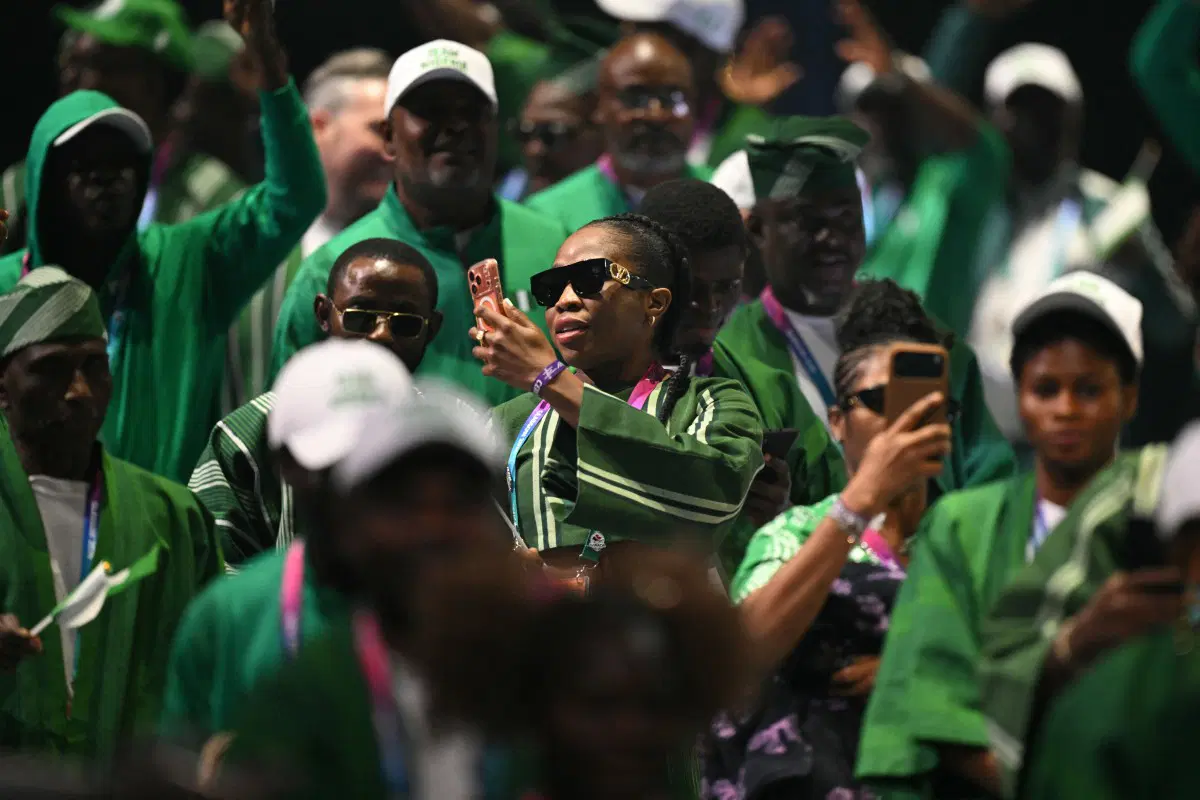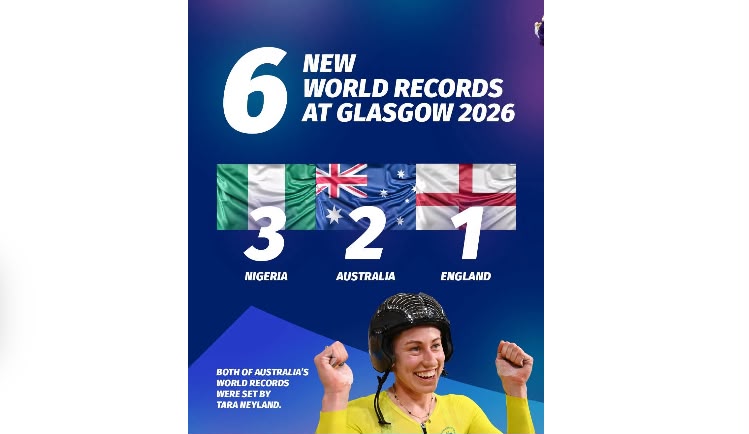
For so long, Nigeria has been in the world news with ‘not-so-pleasant’ stories. Fake agency, wasteful budget, corruption allegations, insurgency, banditry, kidnapping, Yahoo-yahoo or internet scams, irregular migration, drug trafficking, herder/farmers clashes, poverty and unemployment are some of the news broadcasts by international media organisations about my country. It is, however, heartwarming to learn that something good has come out of Nigeria’s Nazareth in sports, I mean athletics.
The Commonwealth Games is a global multi-sport event held every four years for members of the Commonwealth of Nations. First staged in 1930 as the British Empire Games in Hamilton, Canada, with 11 countries and six sports, the event has grown from 400 athletes into a massive international gathering representing dozens of nations and territories. It was proposed in 1891 by Astley Cooper to build unity in the British Empire. Canceled in 1942 and 1946 due to World War II. Renamed over time to match political shifts from empire to a voluntary association.
Nigeria first participated at the Commonwealth Games (then known as British Empire Games) in 1950 at Auckland, New Zealand. Winning a single silver medal. Joshua Majekodunmi won Nigeria’s first-ever medal at the Games in the men’s high jump. However, the country did not participate in four Commonwealth Games editions ─1962, 1978, 1986, and 1998. In 1962, Nigeria did not attend the Games in Perth, Australia. In 1978, Nigeria boycotted the Edmonton Games to protest New Zealand’s sporting ties with apartheid South Africa. In 1986, the country likewise shunned the Edinburgh Games because Britain refused to impose sanctions against apartheid South Africa. In 1998, we missed the Kuala Lumpur Games due to the country’s suspension from the Commonwealth.