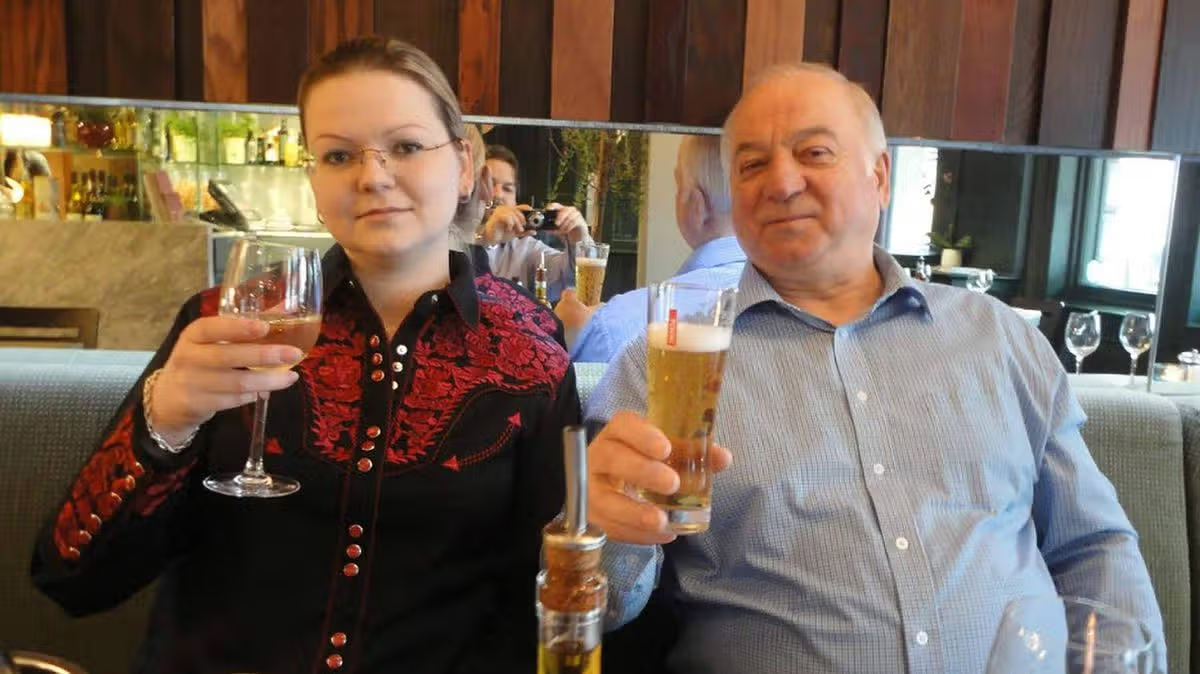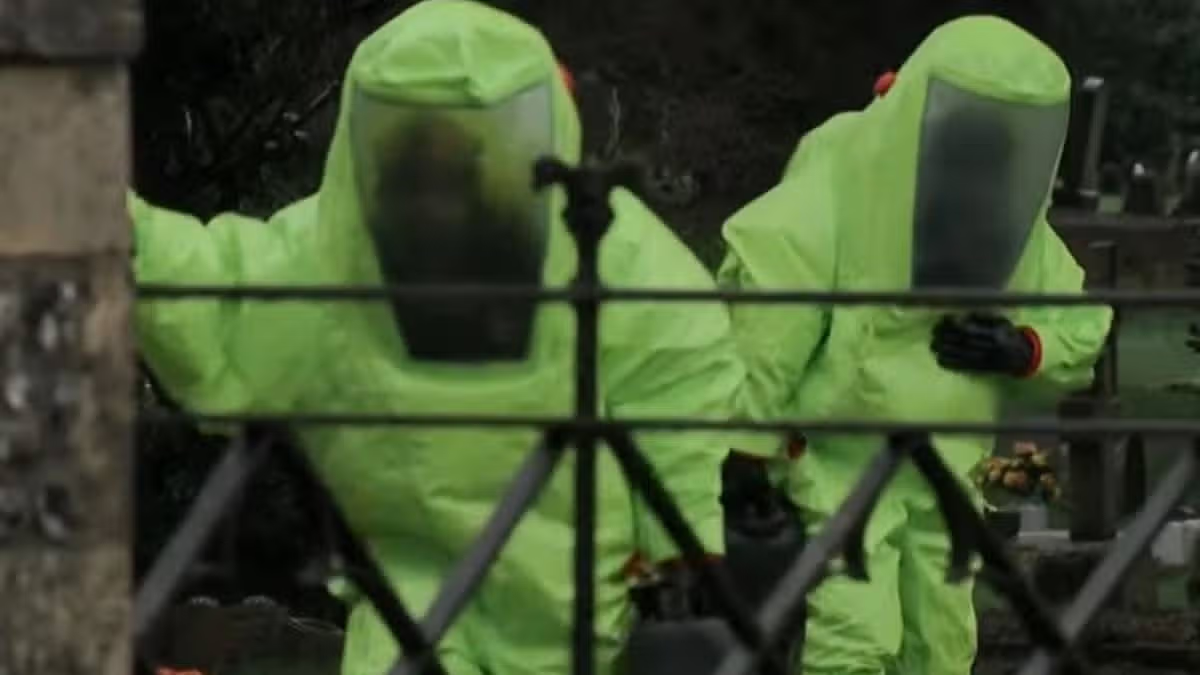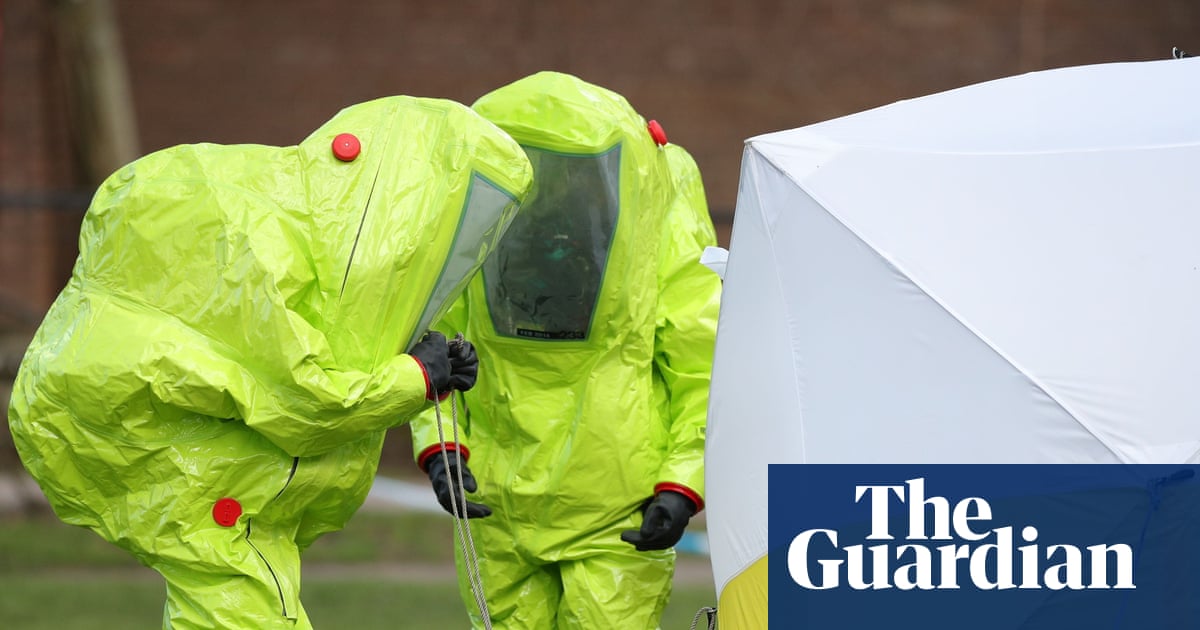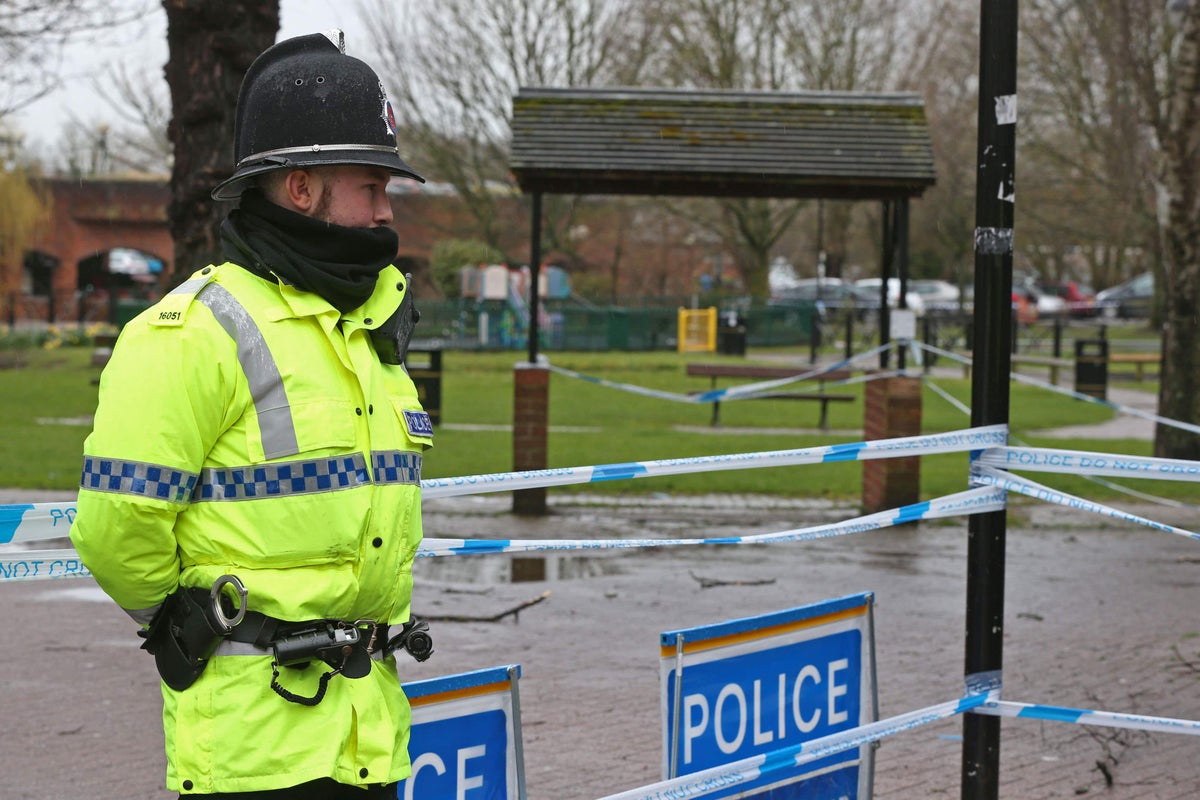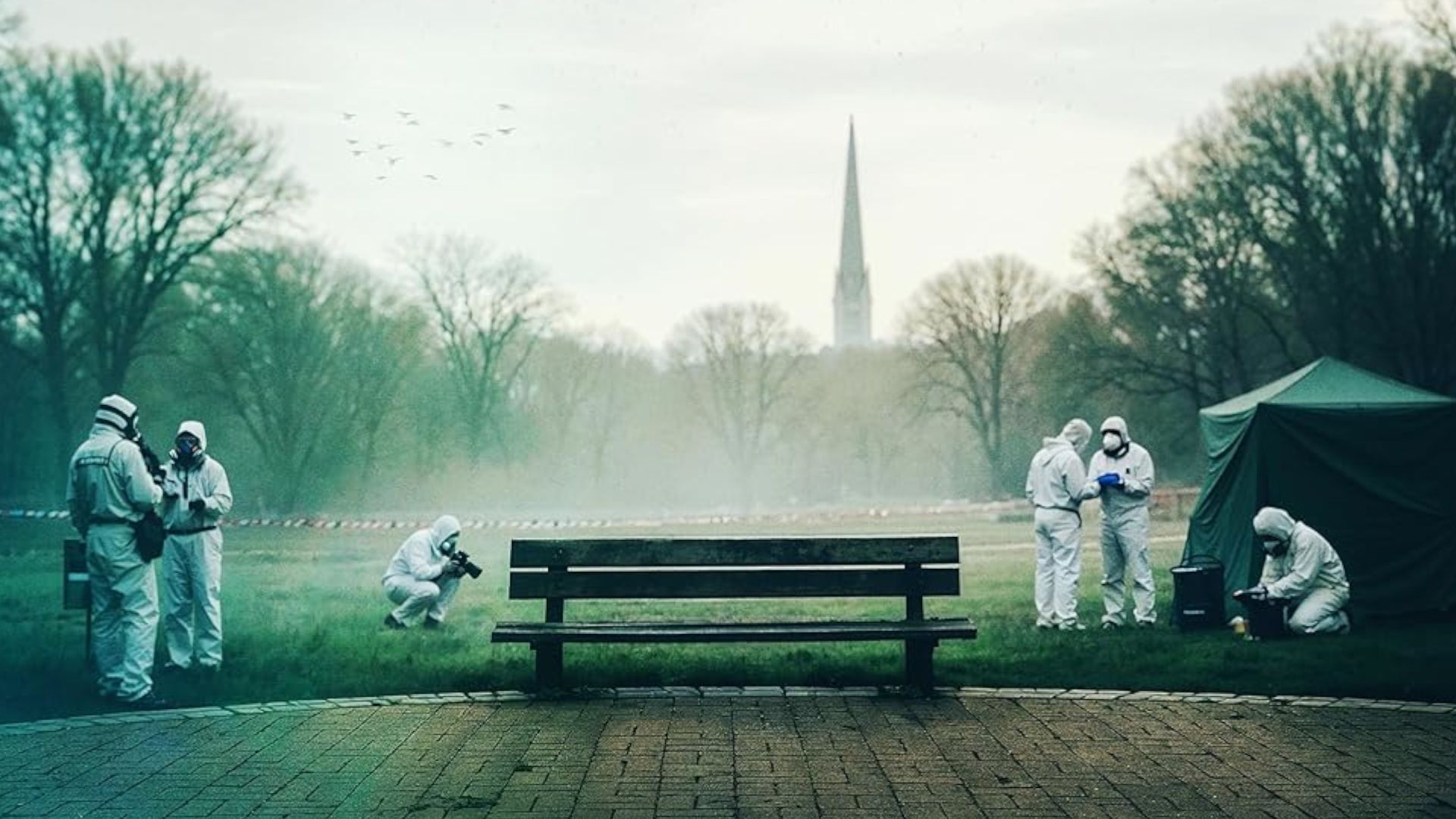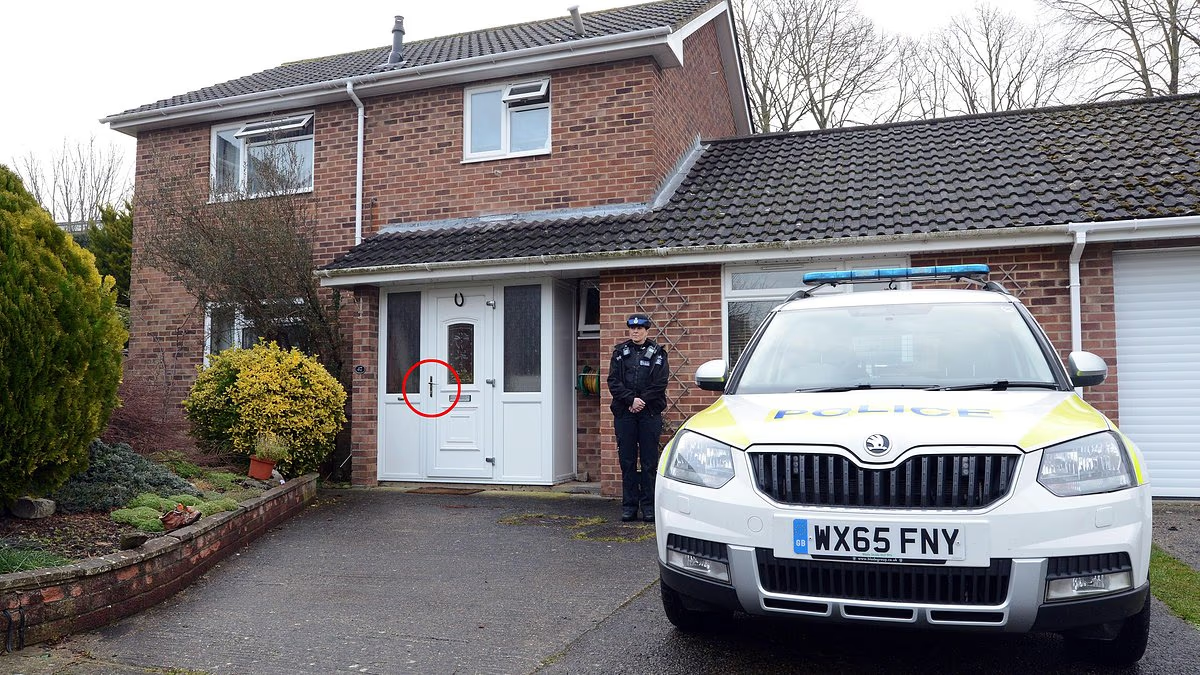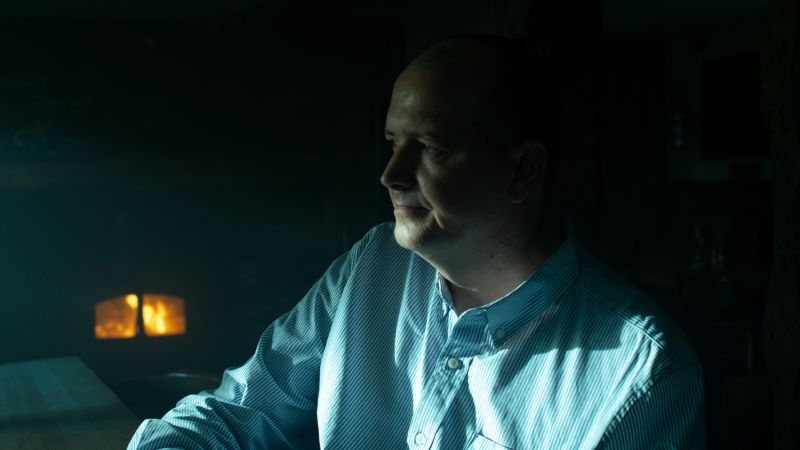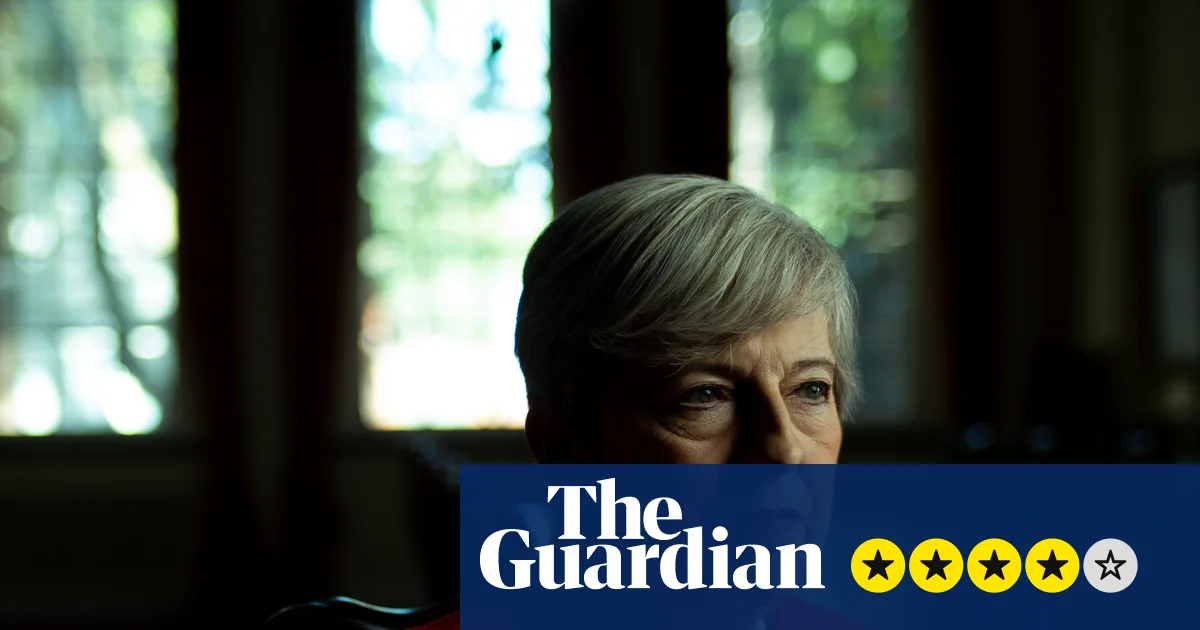
“It doesn’t sound like something that happens in your town.” The 2018 poisoning of former Russian military officer turned British double agent Sergei Skripal, along with his daughter Yulia, was extraordinary because of where it took place. Not that there are many locations where Russian agents using a chemical weapon against a former asset would be normal – but it would be relatively easy to comprehend in Paris, London or Berlin. In the quiet Wiltshire cathedral city of Salisbury, the contrast between everyday life and lethal international espionage was acute.That’s the most prominent of many angles taken by The Salisbury Poisonings: A Spy Next Door, a not quite comprehensive but still nicely busy feature length documentary that offers a compendium of ways in which the Salisbury attack was fascinating and deeply strange.We meet a cross-section of Salisburians, starting with artist Meg Edgar, quoted above, who acts as a barometer for citizens’ fear and bewilderment. Rev Kelvin Inglis is closer to the event, having tended to a distressed flock after the attack: “The ugliness of the world was suddenly on our doorstep,” he says, with the deft flourish of the sermon writer. More involved than him is shopkeeper Ebru Ozturk, who used to enjoy a chat with a cheerful regular who bought the same items every few days: Russian sausage and scratchcards.Skripal, who had been spiked with a monstrously powerful nerve agent from a group of chemicals known as novichok, is profiled with help from the journalist Mark Urban, who recalls researching a book on Russian intelligence and learning not just that Skripal lived in Salisbury, but that one could simply go and visit him. His house featured a twee china ornament of a thatched cottage on the mantel, and a half-made Airfix model of HMS Victory. Skripal had been sold a dream of old England by MI6: having served four years in a labour camp after Vladimir Putin’s regime identified him as a traitor, he moved to Salisbury and enjoyed a happy, trivial existence. In lieu of an interview with the now unavailable Skripal, we spend time with ex-KGB agent Viktor Makarov, who is now in hiding somewhere in England. He likes scampi and chips.The novichok was identified by scientists at Porton Down, ending a period of manic uncertainty for the government, represented here by the then home secretary Amber Rudd and then prime minister Theresa May. It must have been an unforgettable episode in their careers, but none of their recollections quite bring it to life.Rudd and May are preoccupied with blustering about how jolly awful the Russians’ behaviour was, particularly the brazen denials that the then national security adviser Mark Sedwill slightly grandly refers to as “disinformation”. May is keen to communicate how determined she was to “hold them to account”, which ultimately took the form of diplomatic expulsions. Whether the UK could have taken more robust action, for instance by flushing dodgy Russian money out of London, is barely discussed. Nor is there analysis of the effect on Vladimir Putin of Skripal, embarrassingly for the Russian premier, surviving the attack, or of how the incident affected Putin’s feeling that he could act with impunity, and whether this influenced his invasion of Ukraine. Instead, we get the usual performatively withering stuff about him being a corrupt autocrat who was bullied at school and whose vengefulness masks weakness.Back in Salisbury weeks after novichok was unleashed, the fallout continued to be a mixture of eccentric and tragic. In archive footage – generally presented here in that now familiar post-Adam Curtis style, with moments where the camera wobbles or refocuses left in for added spookiness – we see Rev Inglis conducting a “cleansing” ceremony to symbolically rid Salisbury of poison, this being an event where he throws two glass jugs of water on to the brick paving outside a crystals shop. But we also hear, in a present-day interview, the desperately awful story of Charlie Rowley, a man who was trying to make a new life for himself and his partner Dawn Sturgess, and was foraging in bins for any items that could be gifts for her. He was delighted to come across what seemed to be a tester bottle of perfume. Some time later he presented it to Dawn, she sprayed it on her wrist, and shortly afterwards she was dead. Skripal’s assailants had casually binned their disguised vial of novichok when they were done; Charlie lost the love of his life in the most phenomenally unlikely fashion.The last blast of dark absurdity came when the Russian agents who had conducted the attack responded to being unmasked by denying their involvement on the propaganda channel Russia Today, in an interview during which they and the host both seemed to be stifling a laugh. There was nothing funny about the Salisbury poisonings, but their elusive quirkiness makes them unique.
The Salisbury Poisonings: A Spy Next Door review – Theresa May is full of bluster in this fascinating deep dive
This lively look at the 2018 novichok attack is full of strange and intriguing detail – even if May and Amber Rudd’s contributions don’t get the scrutiny they deserve
824 words~4 min read