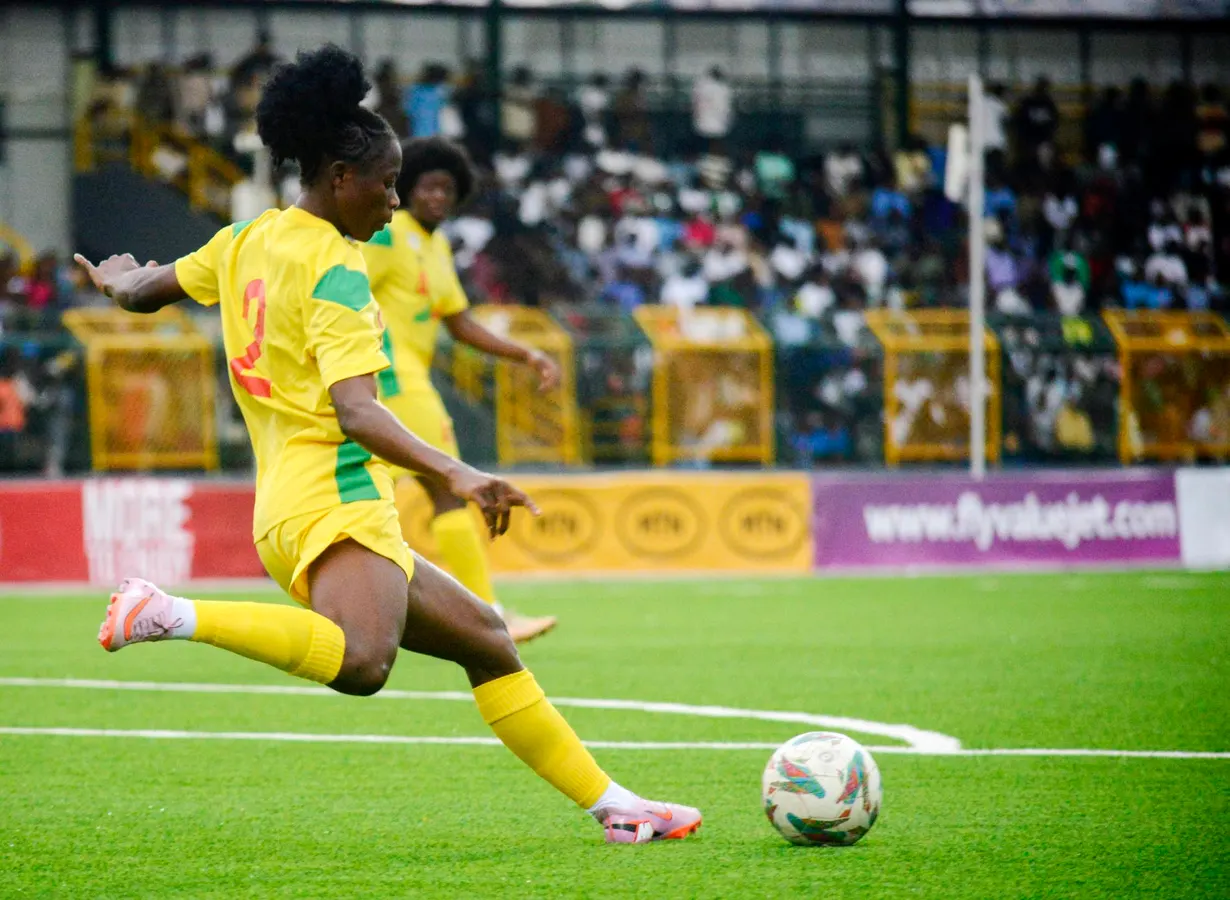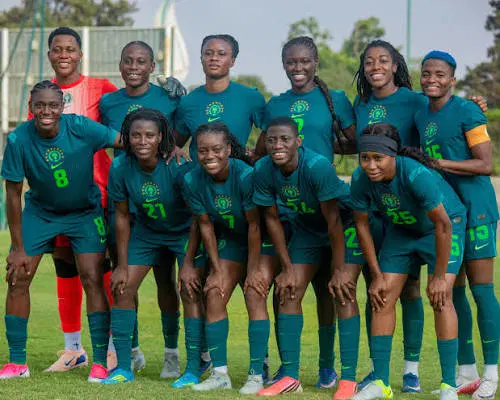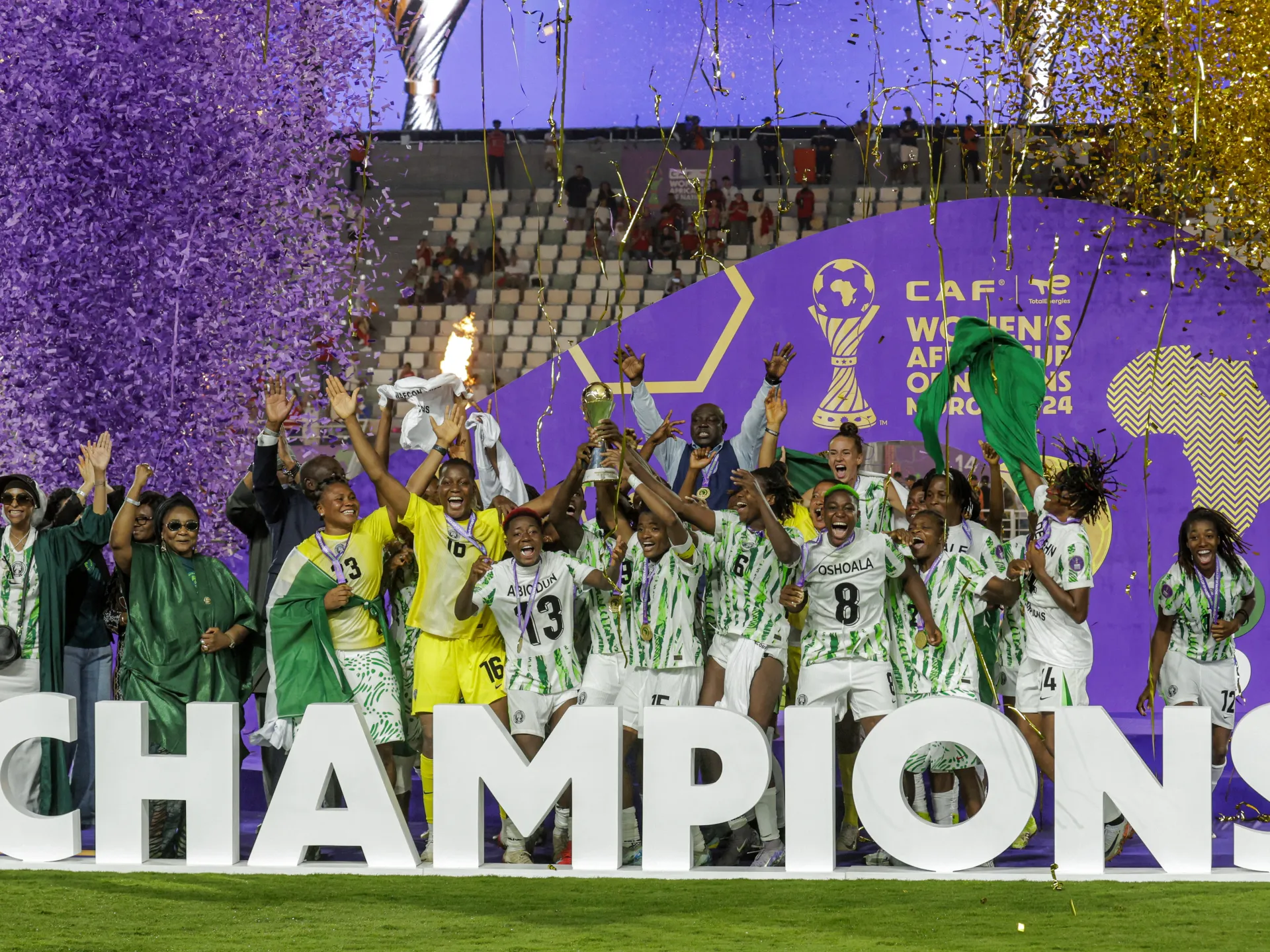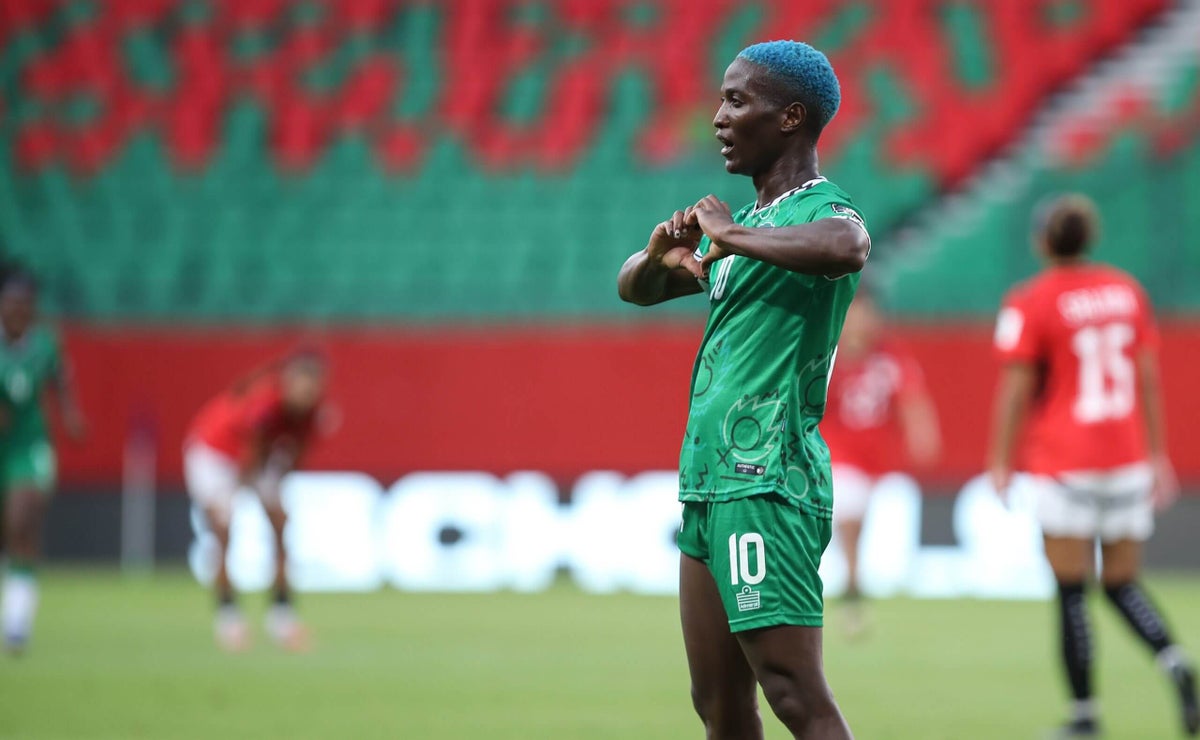
For those who care about women’s football — not just the World Cup, the U.S. women’s national team or the latest algorithmic trend surrounding the game — consider this a call to action.It is not enough to bemoan the difficulty of access to the Women’s Africa Cup of Nations, the continental tournament that began last week and doubles, crucially, as a 2027 World Cup qualifier. There is no denying the grave disparity between the resources and care dedicated to marketing, covering and celebrating women’s football in Africa and what’s afforded to its counterparts especially in North America and Europe. (For an entry-level understanding of how the Confederation of African Football views WAFCON, the last-minute postponement and spontaneous expansion of this tournament are a good place to start.)To be clear, the bemoaning must continue, but if it is not followed by or coupled with earnest engagement with the tournament itself, then we have not only failed WAFCON as spectators, but we risk falling into the same harmful tropes about Africa that predate this tournament.The tropes that conceive of Africa, a 54-nation continent, as a tragic problem to be solved.The ones that conceive of African people as topics of discussion (at best), but rarely as subjects with agency who are capable of participating in those conversations.Nigeria’s Asisat Oshoala celebrates a goal during the 2026 Women’s Africa Cup of Nations match against Zambia. (CAF)The disregard for women’s sports is not a new struggle for anyone who has followed or fought for women’s sports before. But after more than a week and 18 matches played in this edition of WAFCON, the lack of discussion about the tournament itself, much less the players showing out and making it memorable, is troubling.As valid and urgent as the concerns around accessibility and the quality of match commentary are, we are unlikely to see improvements to either now that the tournament is well underway. The Athletic has made multiple attempts to reach BeIN Sports, the Qatari media company that owns the rights to the men’s and women’s African cups in the U.S. None of those attempts have been answered. But when have we ever allowed institutional denigration to be the authority in the growth of women’s football? And why should this tournament be any different?In this week’s “Three Words,” a weekly column that takes key players, teams and moments in global women’s soccer and boils them down to three words, we get into why, when it comes to WAFCON, it is time to…Stand on businessThat means actually watching the matches, as obvious as that may seem, and investing in the stories that hover above the pitch and swirl amongst the players, the protagonists in this continental tale. Every team has one.Fancy a young midfield maestra? Check out 18-year-old Kautar Azraf of Morocco. The Barcelona product competed with the North African side’s under-17 squad less than a year ago, and already her custodial prowess with the senior team has allowed African Women’s Footballer of the Year Ghizlane Chebbak, 35, to manage her minutes while Morocco book their spot in the knockout stage. After more than a decade of heavy investment, they will continue the hunt for their first continental title after reaching the finals in the last two campaigns.For NWSL fans following the international exploits of Malawi and Kansas City Current forward Temwa Chawinga, her teammate, 19-year-old
WAFCON deserves better coverage. It’s also time to ‘stand on business’ and enjoy the soccer
The continental tournament has produced stunning moments, even if access to the games has been hard to come by.
1,002 words~5 min read