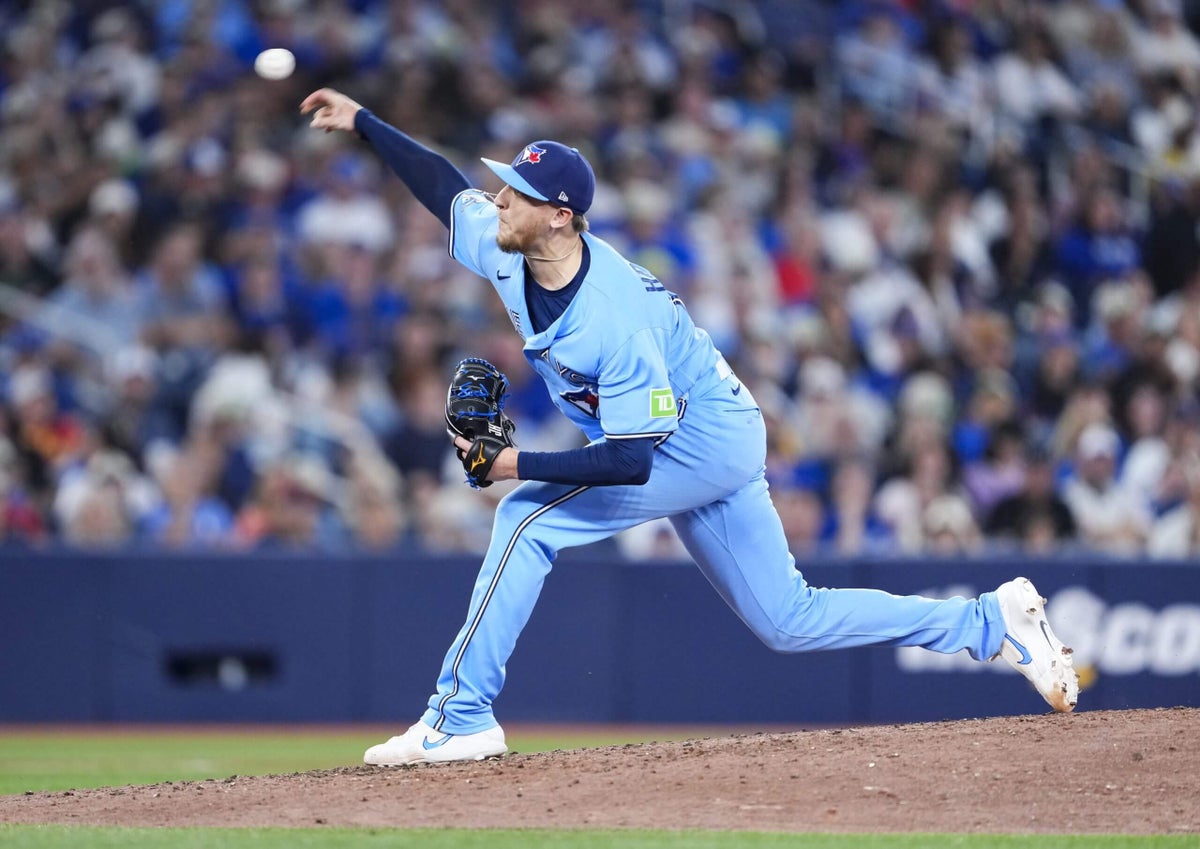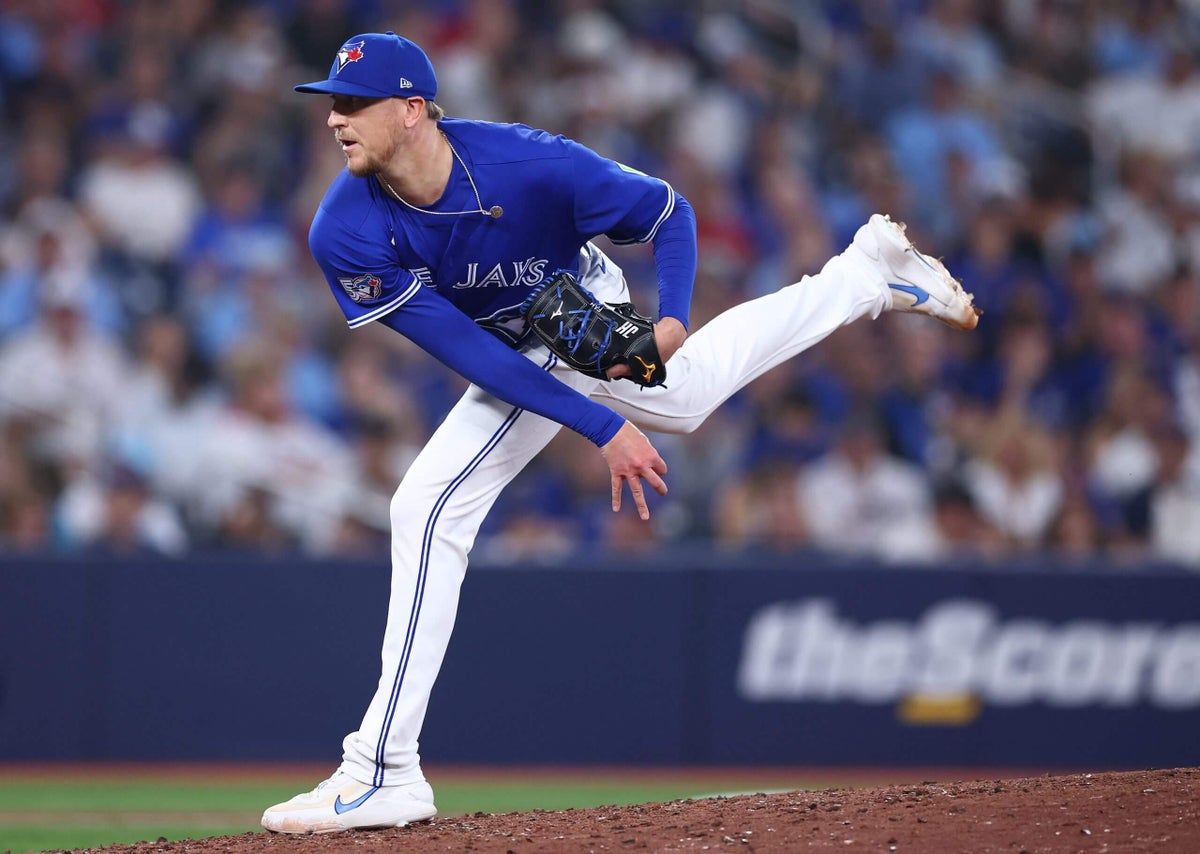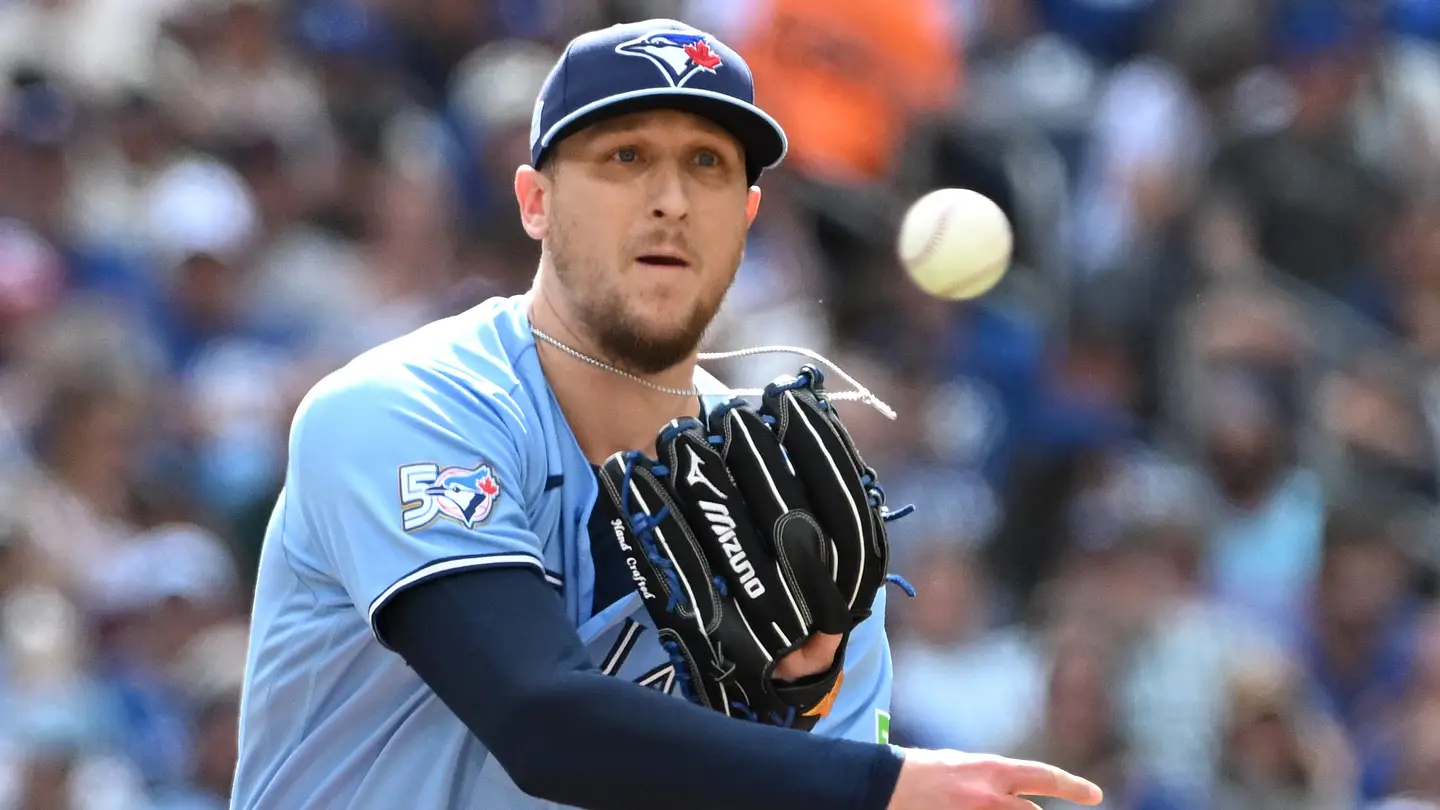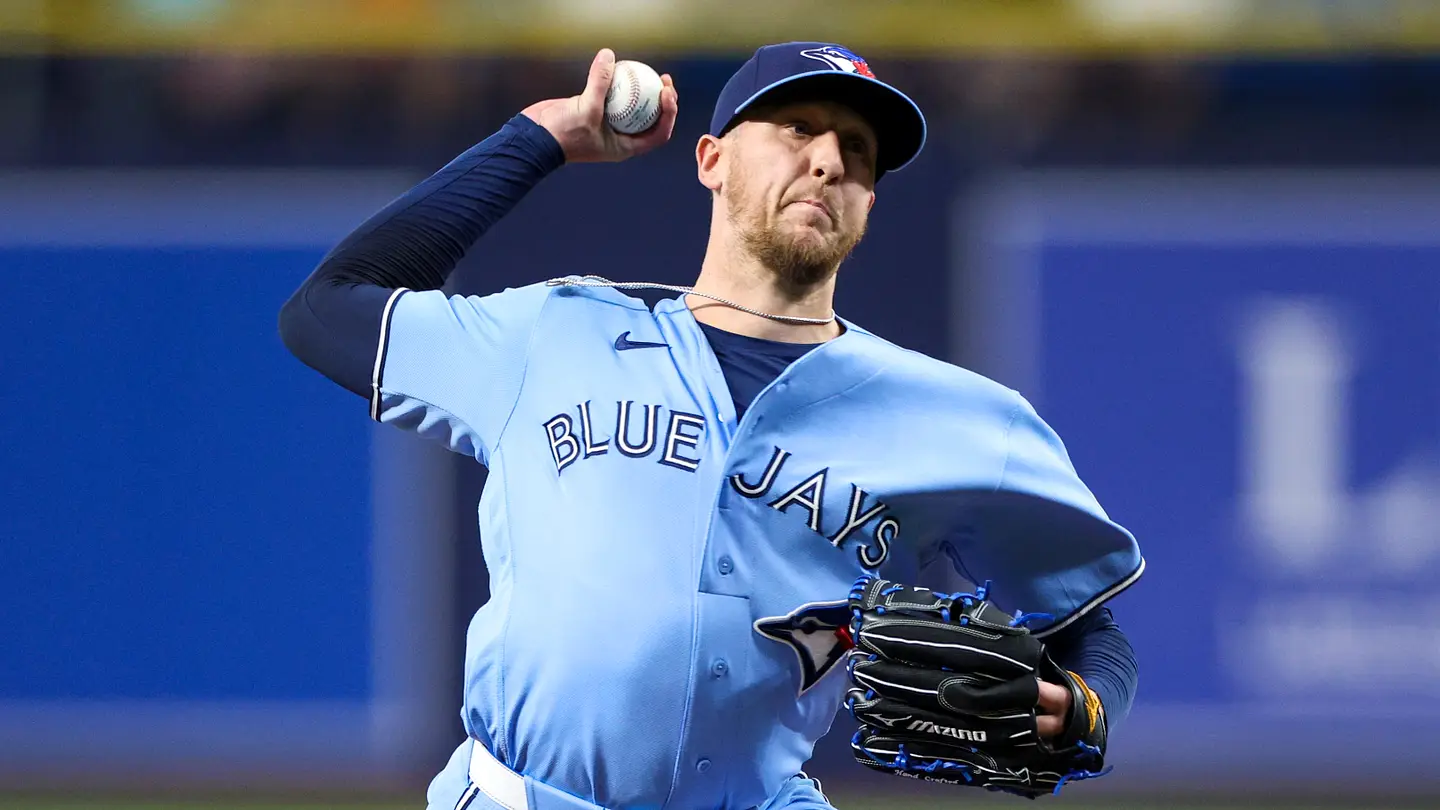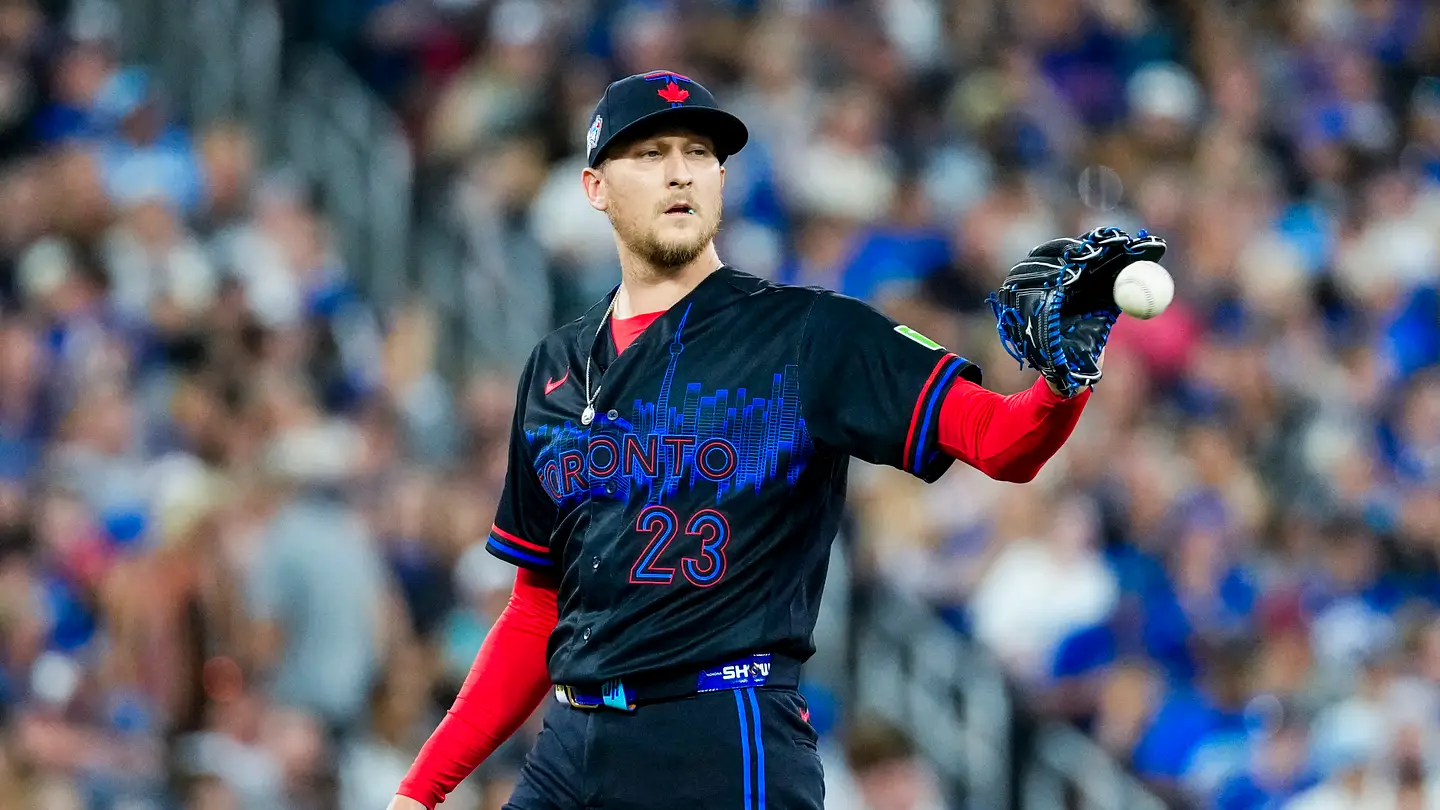
The Minnesota Twins strengthened their bullpen by acquiring Jeff Hoffman from the Toronto Blue Jays, reinforcing their belief that they found the late-inning arm needed for a postseason push.On the surface, the move is easy to justify. Hoffman still features a fastball that averages better than 97 mph, owns one of the highest strikeout rates among Major League relievers, and has recorded 38 saves for Toronto since the beginning of the 2025 season. But the biggest question surrounding this trade isn't whether Hoffman still has the talent to pitch the ninth inning.The question is whether Minnesota acquired the dominant closer it needed—or a high-risk reliever whose declining command could ultimately limit his impact.The Twins remain in the middle of the American League Central race, four games behind the Chicago White Sox, with little room for error over the final two months. A bullpen built for October can't rely solely on strikeouts. It must protect one-run leads without creating trouble on its own.Hoffman's arsenal remains elite. His slider continues to generate whiffs at a rate few relievers in baseball can match, but his ability to command the strike zone has taken a noticeable step backward.Split Percentages | Baseball SavantA comparison with his 2025 season reveals where that decline began.The drop in both Zone% and first-pitch strike rate explains the underlying issue. Hoffman is falling behind hitters more often, forcing himself to work from disadvantageous counts instead of dictating at-bats. That leaves him increasingly dependent on hitters chasing pitches outside the strike zone. When opponents stay disciplined and refuse to expand, the entire plate appearance changes. Walks increase, baserunners pile up, and every inning becomes more volatile.Who has benefited the most from Hoffman's loss of command?The answer appears in his platoon splits.Jeff Hoffman: Handedness splits (2026)SplitOPSHard-Hit%Barrel%vs. Left-Handed Hitters.61730.0%3.3%vs. Right-Handed Hitters.86641.5%11.3%The deterioration in Hoffman's location has been accompanied by dramatically worse results against right-handed hitters. Losing command doesn't just produce more walks. It also makes his secondary pitches less effective by forcing him to pitch from unfavorable counts, allowing hitters on his own side of the plate to produce considerably more hard contact.The hard-contact histogram illustrates the concern. A significant share of the hardest contact against Hoffman falls within the ideal launch-angle range for extra-base hits, roughly 10 to 35 degrees. Until he begins generating more ground balls or weaker contact, his effectiveness in the game's biggest moments will remain vulnerable.Hard contact histogram | Baseball SavantThat's where Minnesota's gamble begins.The Twins did not trade Dasan Hill, John Klein, and Damaury Peña to use Hoffman in low-leverage innings. They acquired him to face the middle of opposing lineups when the season is on the line. Minnesota is betting its pitching staff can restore Hoffman's fastball command early in counts, allowing him to get ahead more consistently and reduce the walks that have complicated his outings.If that adjustment never comes, the Twins will have brought one of the biggest sources of volatility in the playoff race into the ninth inning of their own ballpark.The game's best relievers aren't defined only by velocity or strikeout totals. They separate themselves by controlling the terms of every plate appearance. Once a pitcher loses command of the strike zone, the radar gun may still show elite stuff—but the scoreboard starts telling a very different story.Add us as a preferred source on GoogleFollow
The Question That Will Define Jeff Hoffman's Impact With the Twins
The Minnesota Twins strengthened their bullpen by acquiring Jeff Hoffman from the Toronto Blue Jays, reinforcing their belief that they found the late-inning ar
553 words~3 min read