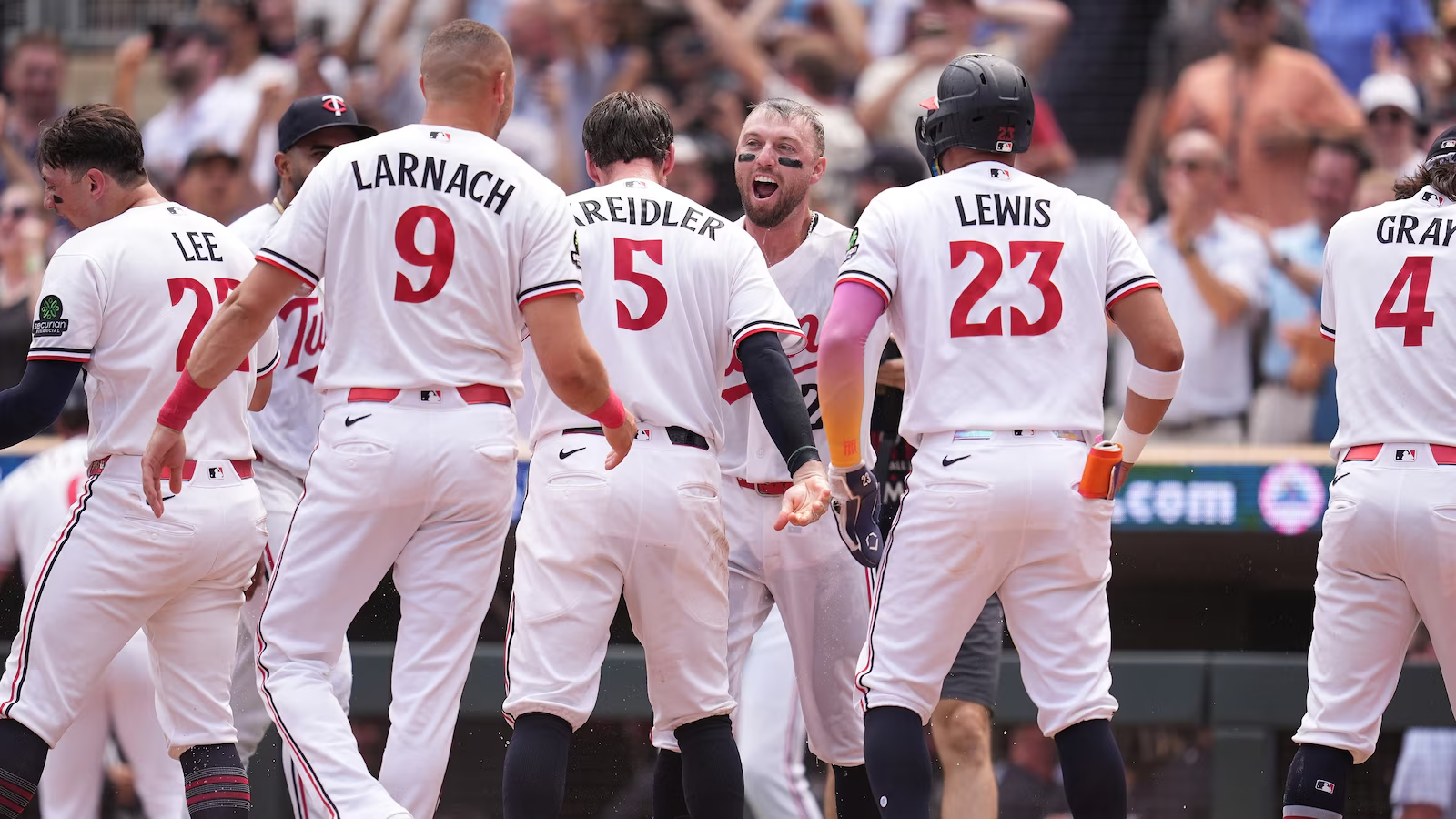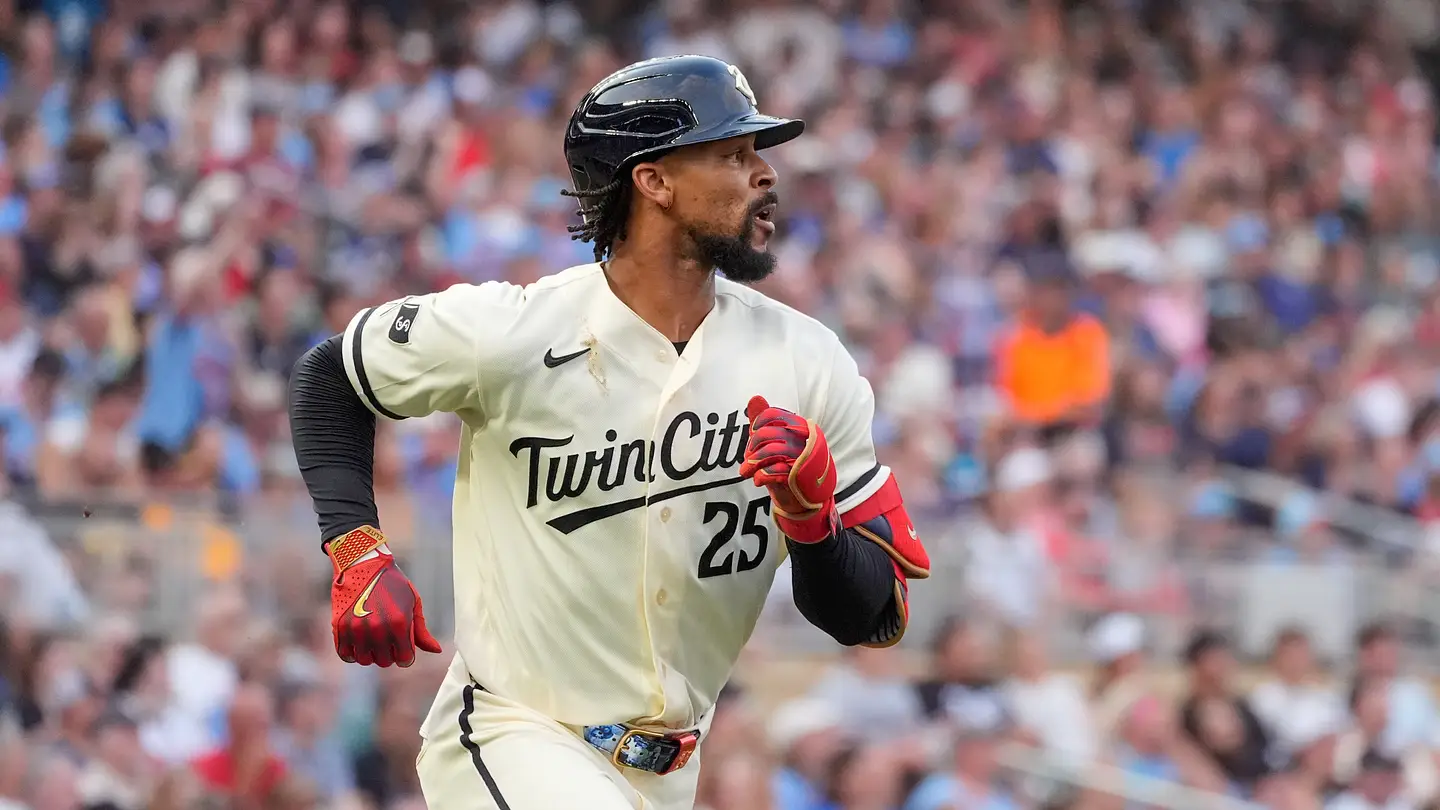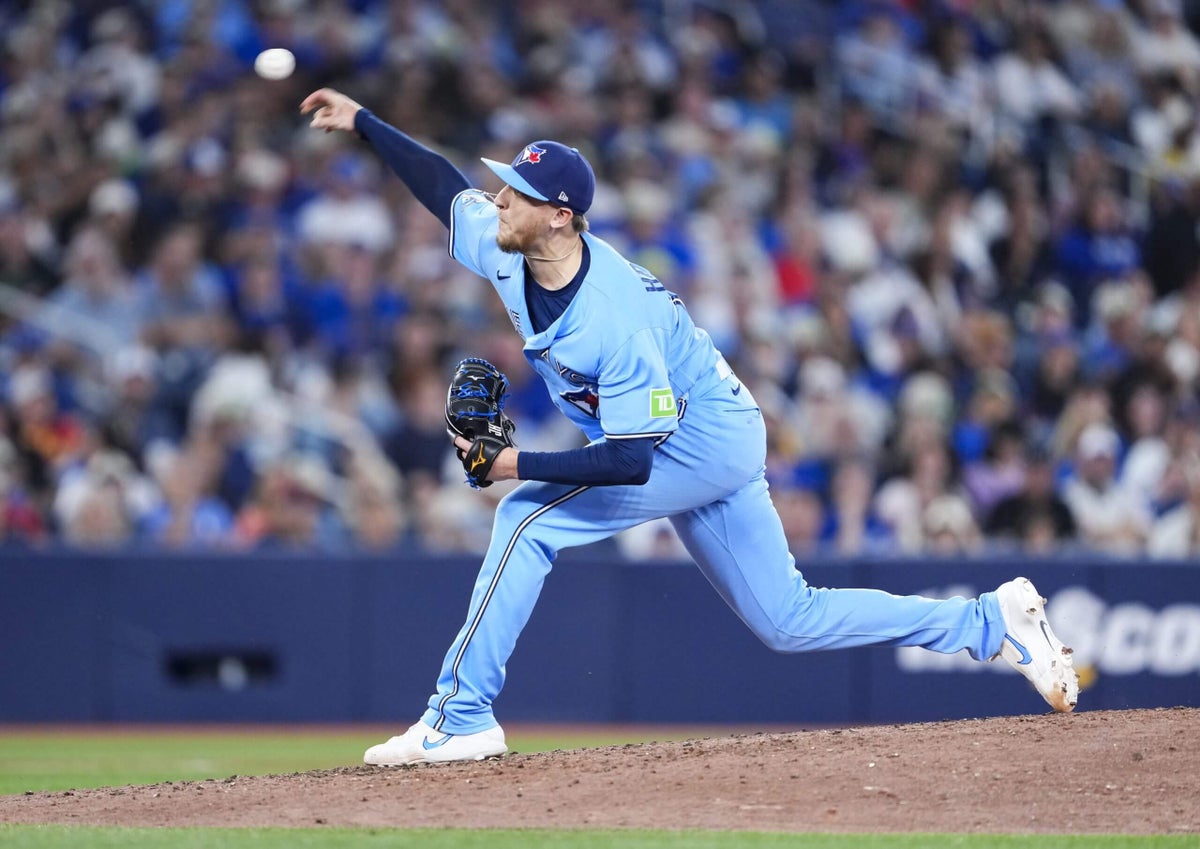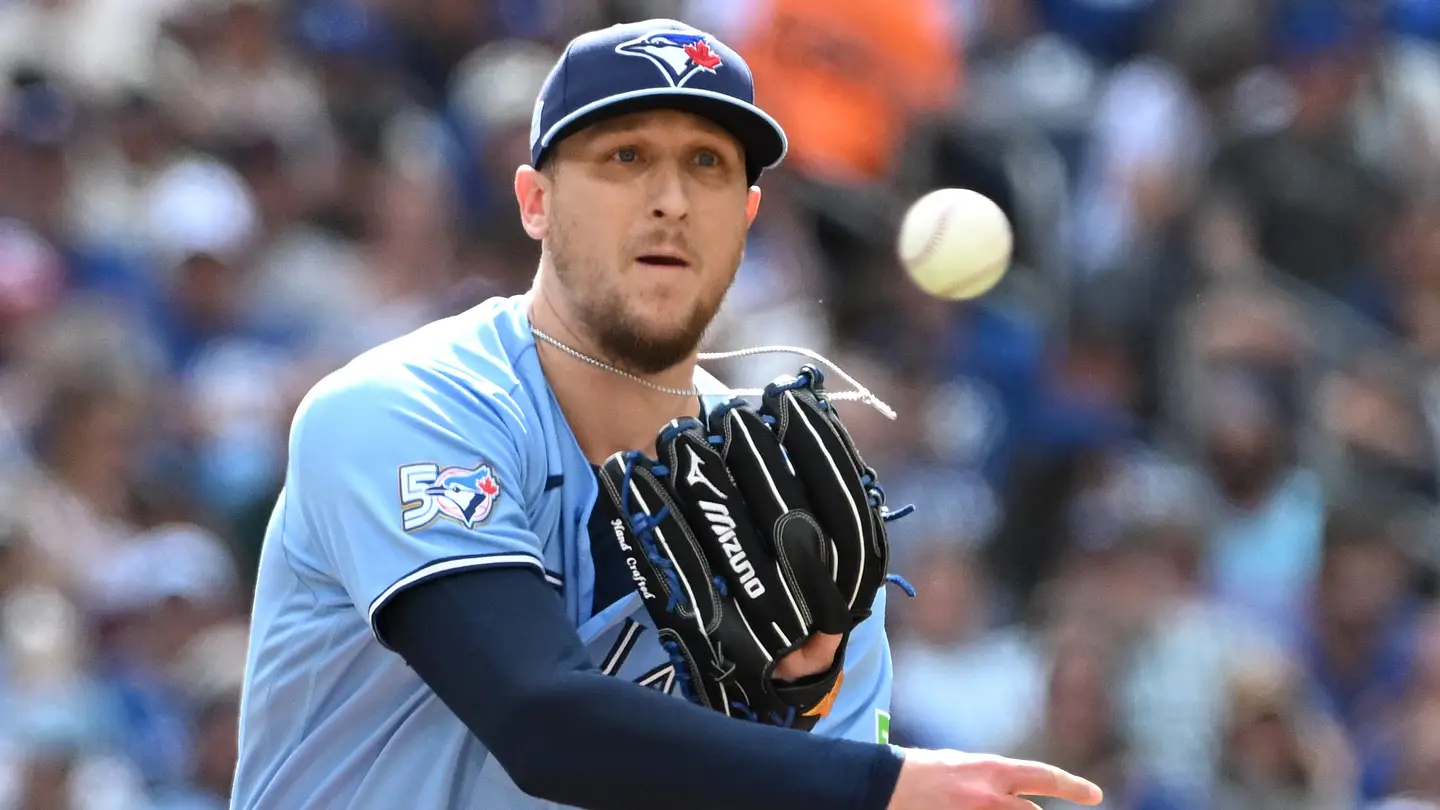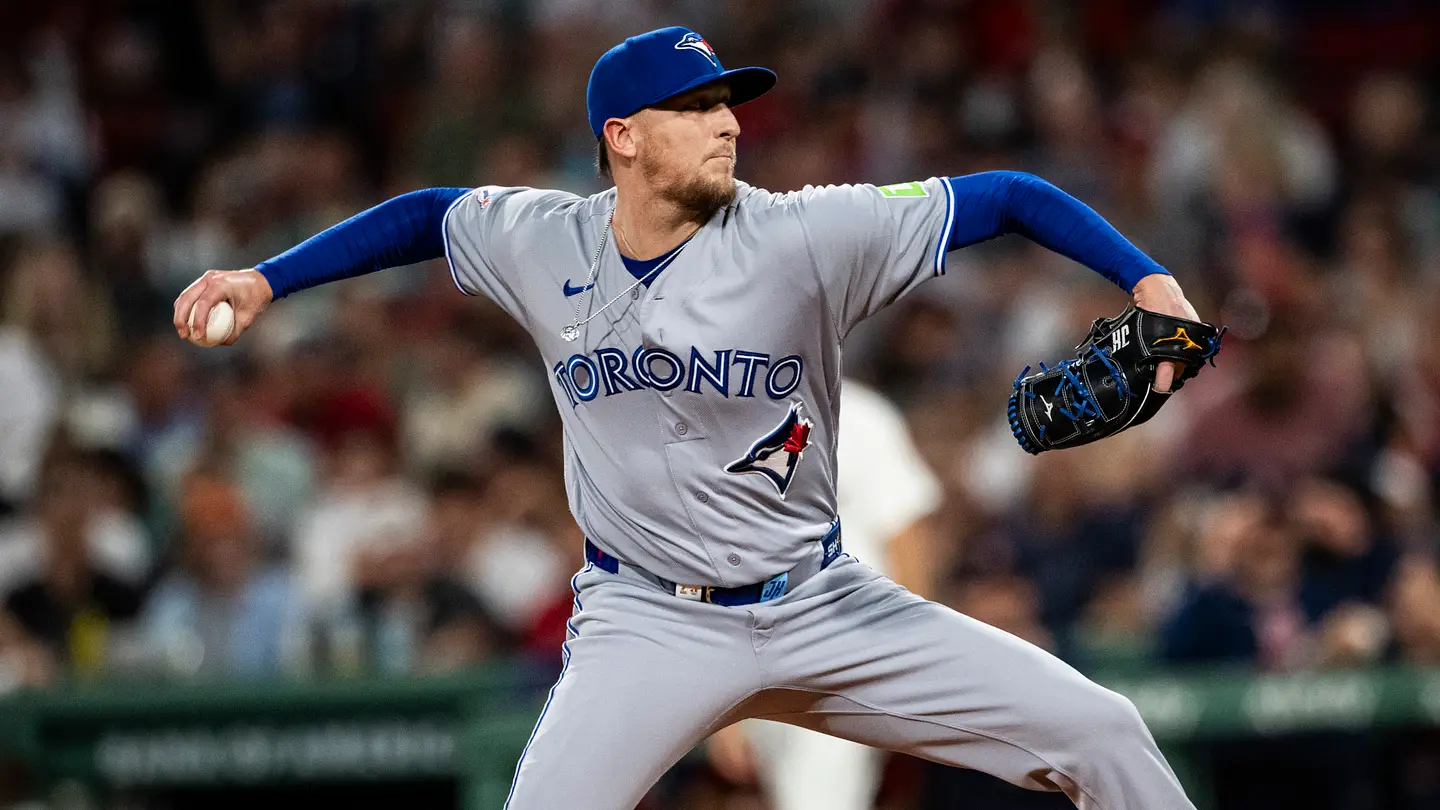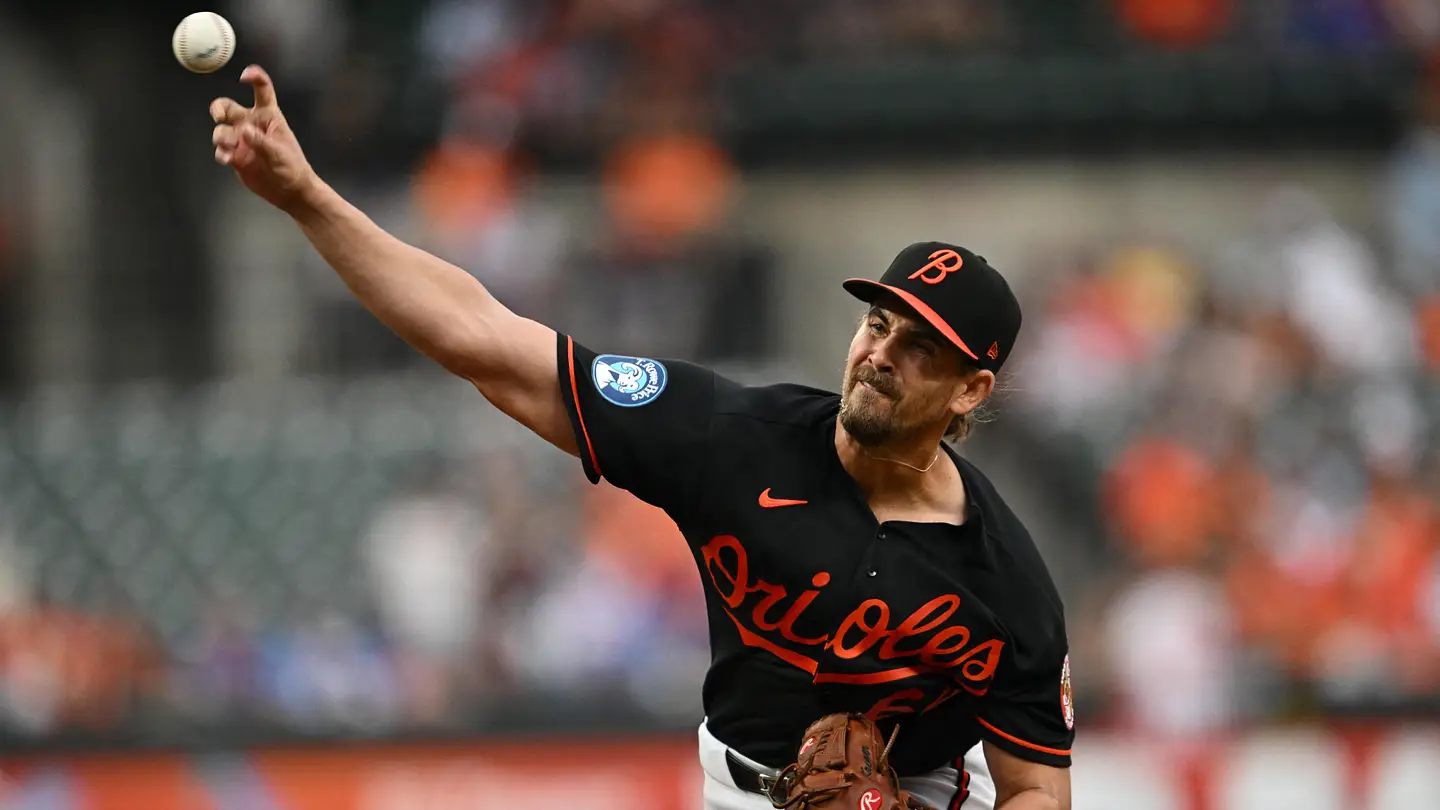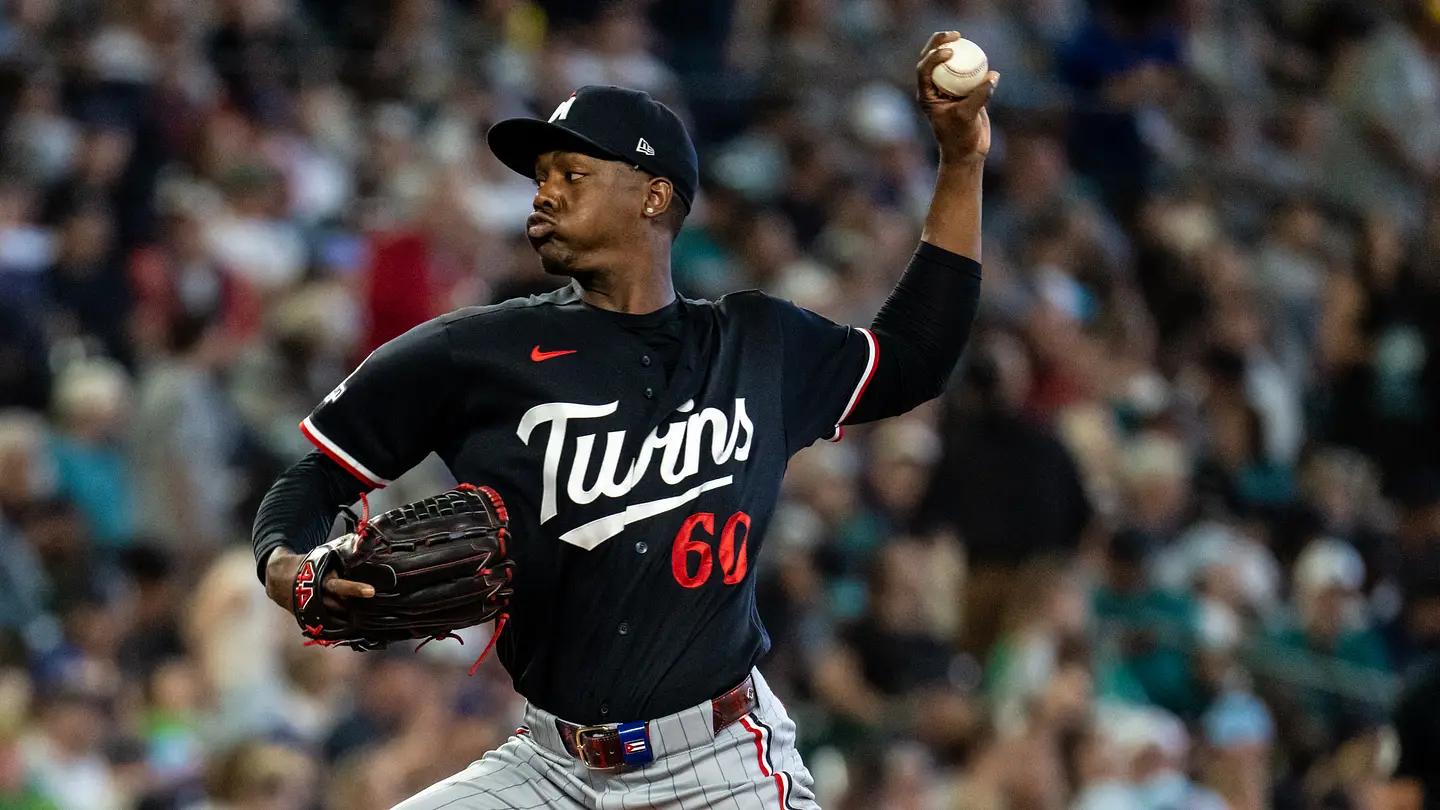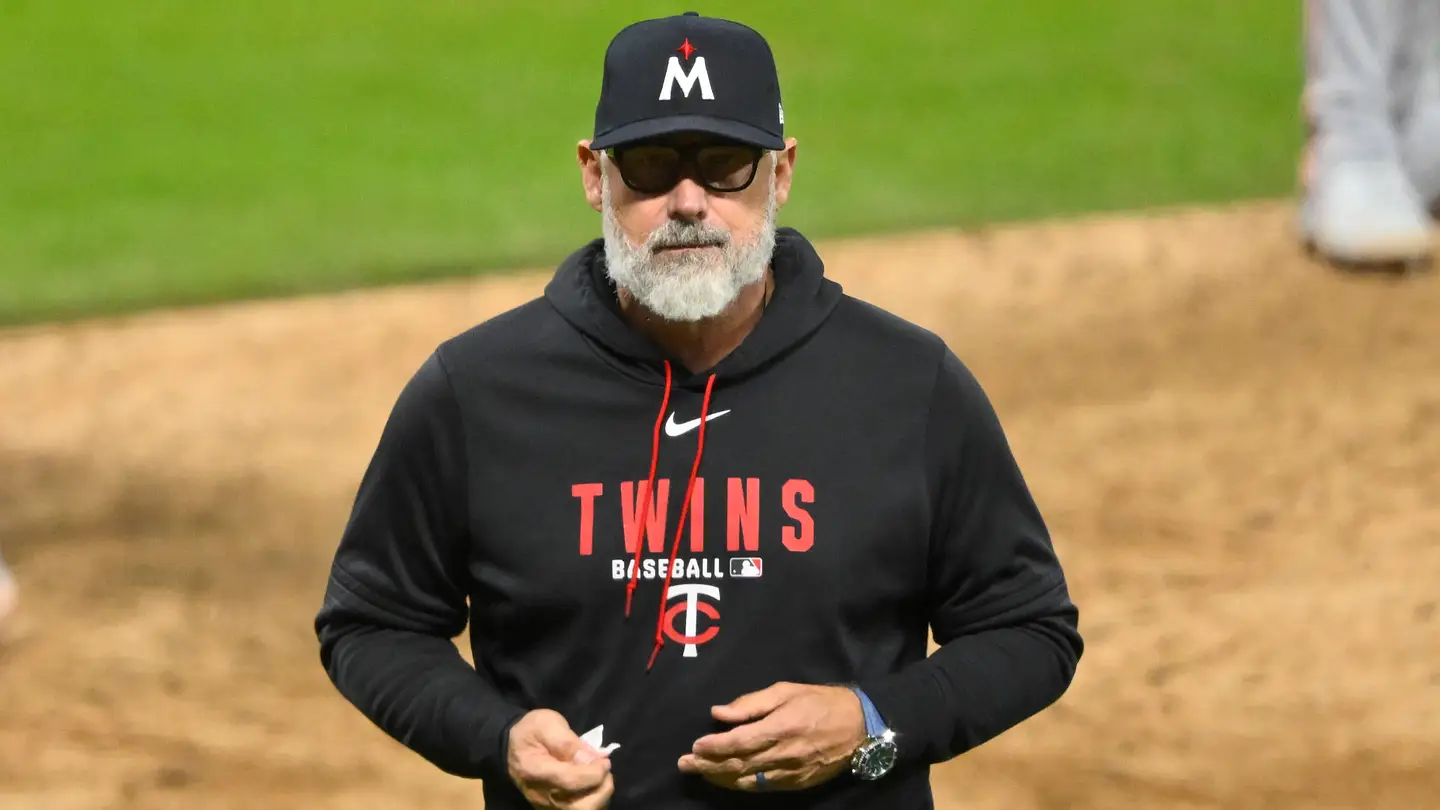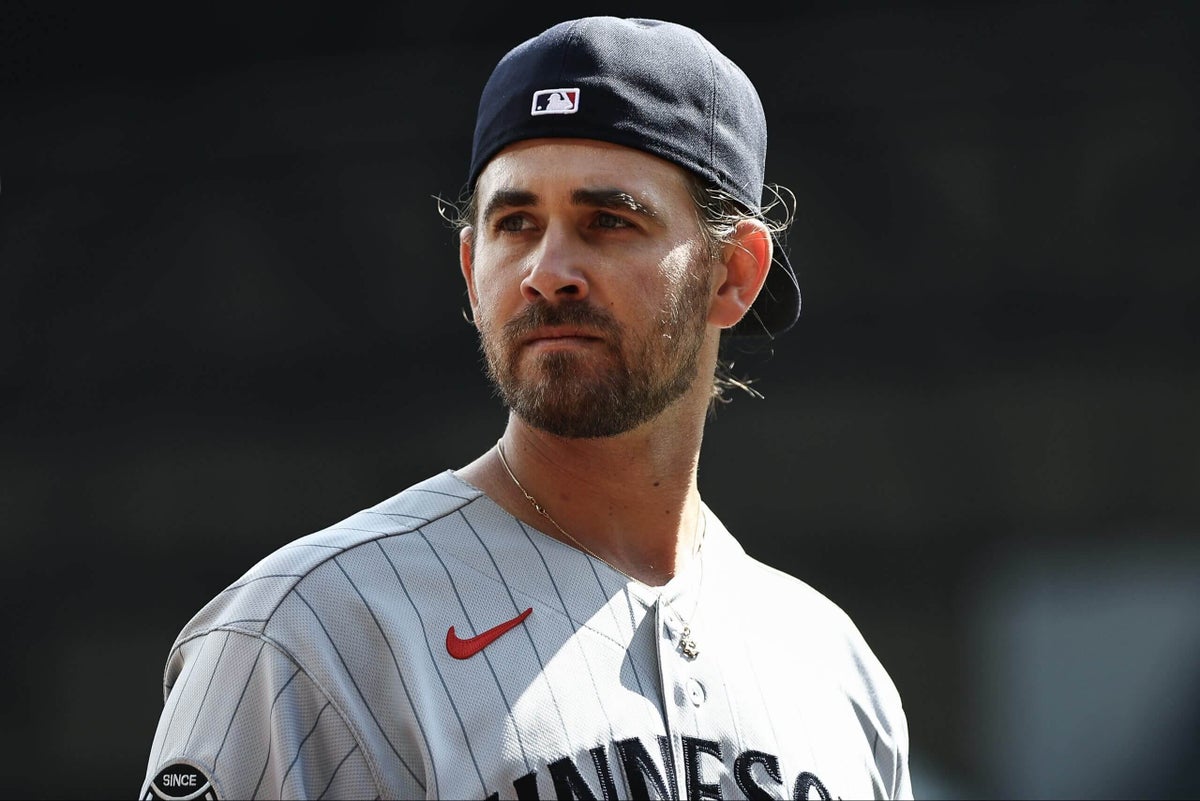
SEATTLE — A year after they endured a nightmarish week in which the front office hocked everything in sight, the Minnesota Twins reversed course at the trade deadline in an attempt to return to the postseason.Their biggest — and final — move of the bunch saw the Twins add a second high-leverage bullpen option in four days on Monday afternoon, when they acquired right-handed reliever Jeff Hoffman from the Toronto Blue Jays for three minor-leaguers. Hoffman’s addition completed a bullpen transformation six months in the making, an endeavor in which the Twins strategically enhanced the group with three trades for relievers over the past 3 1/2 weeks.After starting the undertaking with the acquisition of Tommy Nance on July 10, the Twins aggressively targeted lefty A.J. Minter late Thursday. A day later, the Twins satisfied another need with a trade for starting pitcher Dean Kremer.The front office then searched MLB for three days, striking a deal for Hoffman 30 minutes before the deadline. Whether it was adding payroll in trades, or shipping out prospects, the Twins aggressively filled needs they believe will improve the roster of a 56-57 team that sits one game out in the American League wild-card race.Multiple times over the weekend, Twins decision-makers acknowledged the surreal nature of their position only one year after the biggest fire sale in major-league history, in which 10 players were traded off the roster.Who won and lost the MLB trade deadline?Andy McCullough and Johnny Sweet“How different it is a year later,” Twins general manager Jeremy Zoll said. “We were excited to be in this position, to be able to push forward. … It’s definitely about as different of an experience as you could have in back-to-back years. But we’re excited where we are.”Though few believed them, the Twins signaled their intentions long ago. Upon taking over as chairman, Tom Pohlad insisted the club needed to atone for a series of mistakes made by ownership over 2 1/2 years that rankled fans and players alike.People in Pohlad’s orbit suggested he would be aggressive with player acquisitions at the deadline and in future offseasons. Then in February he authorized Zoll to make a serious multi-year bid for starting pitcher Framber Valdez, who ultimately signed a bigger deal with the Detroit Tigers.Still, the intent was there, with the hope the team would be in position to make a deadline push. Pohlad convinced Byron Buxton enough of his future plans for the Twins for the veteran to definitively state in June he wouldn’t waive his no-trade clause.Zoll and Pohlad each followed suit with statements that basically made Buxton untouchable. Pohlad then went a step further. Describing it as a “build-and-they-will-come situation,” Pohlad said last month that the Twins needed to be fearless and make the kind of moves that would capture fans’ attention.“We’ve got to be willing to make investments and make bold moves that allow us to be successful,” Pohlad said. “That’s going to require us to make decisions, whether it’s at a trade deadline or in the offseason, that look probably pretty different than decisions we would have made in the past.”One new aspect of the team’s operation has been the willingness to add payroll. Beginning with Thursday’s trade for Minter, the Twins assumed about $3.5 million, the remainder of the lefty’s $11 million salary. They did the same with Kremer on Friday, adding $1.5 million. When the Twins later added roughly $3.5 million more with Monday’s deal for Hoffman, they’d assumed approximately $8.5 million over the three deals.By giving Zoll more financial flexibility, Pohlad expanded the GM’s capability to make deals.“To add payroll definitely helped us stay in a wide range of conversations,” Zoll said. “It ultimately helped us get the deals into spots that they were actionable for us.”Besides having additional resources, Zoll had ample time to act, which he said played a significant role in the team’s activities. Acquiring Nance before the All-Star break got the ball rolling.“(It raised) the floor of our bullpen and from there, that set us up,” Zoll said.Which MLB teams did the most?Levi Weaver and Madison EadesZoll then employed lessons learned from last year’s deadline when he and then Twins president Derek Falvey unloaded those 10 players in a four-day span, to this week’s process. Recognizing the New York Mets would be busy — they traded eight players at the deadline — Zoll reached out to David Stearns and identified areas for the Mets to focus on as a potential return for Minter, a southpaw the Twins believed could fill a big void in the bullpen.The Twins then quickly crossed off another need by being aggressive on Friday and adding Kremer, which eliminated a potential weakness.“We wanted to make sure that we were in a spot to make sure that that wasn’t going to be our Achilles’ heel the rest of the way,” Zoll said.More importantly, the Twins eliminated most of their needs by late Friday. With 60-plus hours to go until the deadline and the shopping list reduced, Zoll and his pro personnel group searched far and wide for more additions.The team nearly netted Houston reliever Bryan Abreu on Friday only for Astros owner Jim Crane to reportedly step in and veto the trade. Following a slow day of transactions and inactivity on Saturday, Zoll’s group experienced sticker shock on Sunday as sellers across the league sought high paydays for their relievers.Eventually, the Twins’ homework paid off.“To be able to add to our starting pitching depth early just set us up for a really nice floor to explore such a wide range of options for the next few days,” Zoll said. “We had high confidence we were going to come out of (Monday) with one more reliever.”Doing so completed an exceptional turnaround fast.Where the Twins were slashing payroll and trading five relievers, including four with team control, last year, this time around, they added so quickly that they had ample down time during baseball’s most chaotic week to reflect on their progress.“Especially when you’re on the buying side, you’re more at the mercy at the pace of the sellers at different points,” Zoll said. “We definitely hit some lulls over the course of the week and it definitely led to different reflections for the group. … I’m really excited about how this last week, and really the last few weeks, went.”
Twins excited to add talent a year after the biggest fire sale in baseball history
The Twins got a head start on this year's deadline, then went out and did the opposite of last year in the hopes of contending.
1,056 words~5 min read